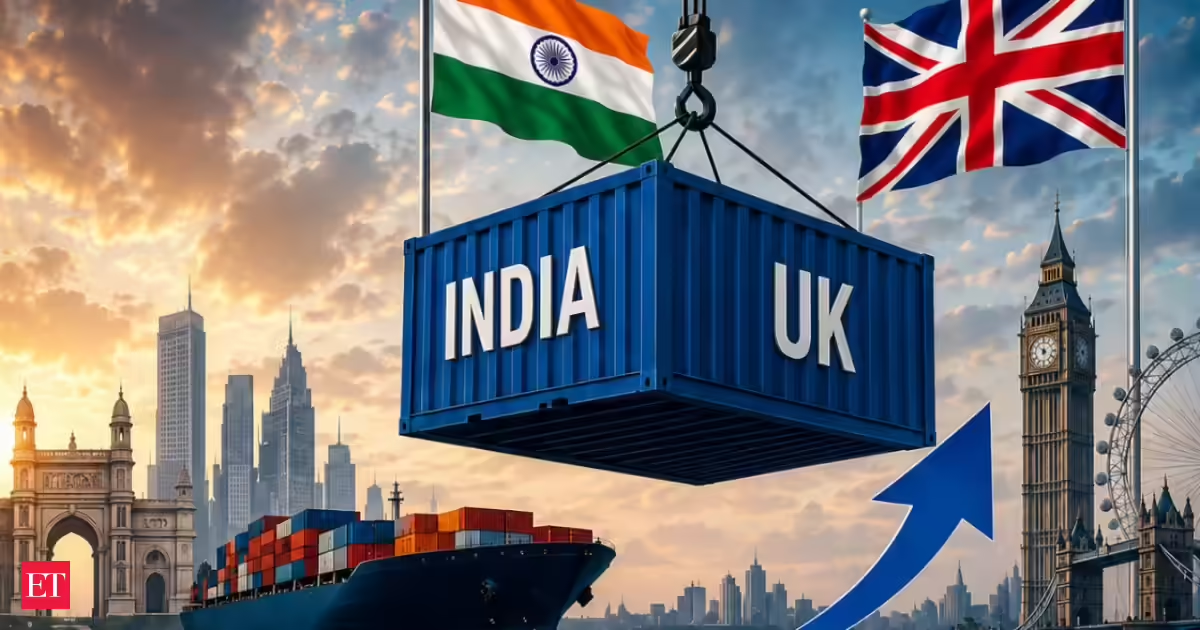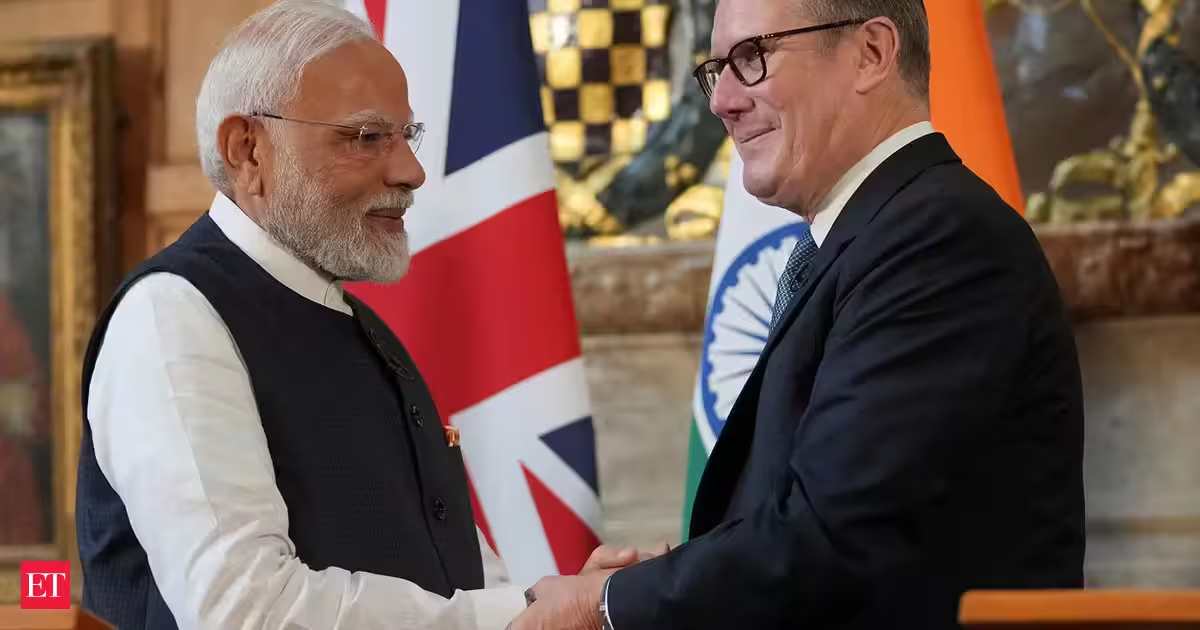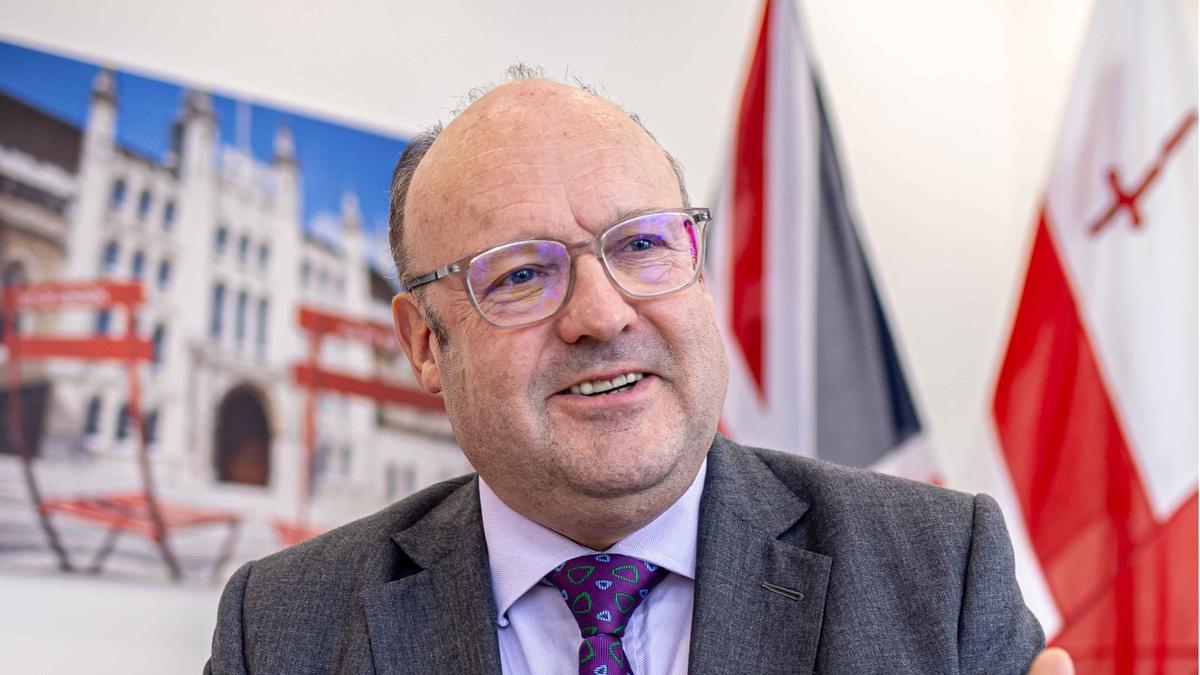
The U.K.-India Comprehensive Economic and Trade Agreement (CETA) is expected to drive a bigger surge in bilateral investment than trade alone, with British businesses likely to expand their presence in India while Indian firms accelerate investments into Britain, according to the Chris Hayward, Policy Chairman of the City of London Corporation.Speaking to The Hindu, Mr. Chris Hayward said the agreement created a more predictable business environment that would encourage long-term investments on both sides. “I think it will do both, but the bigger story is investment,” he said, referring to whether the deal would primarily boost British exports or encourage companies to manufacture and invest in India.Mr. Hayward said India’s rapid economic growth, coupled with its ambitions in infrastructure, manufacturing, digitalisation and the energy transition, presented significant opportunities for British companies with expertise in finance, capital and professional services. At the same time, he said Indian businesses were increasingly looking at the U.K. as a gateway for global expansion, pointing to discussions with fintech companies during a recent visit to Mumbai.While both governments continue negotiations on a Bilateral Investment Treaty (BIT), Mr. Hayward declined to comment on timelines or sticking points, saying only that investors in both countries would benefit from “transparency, legal certainty and predictable frameworks”.He said the U.K.-India Infrastructure Financing Bridge, launched in 2024 to connect British institutional capital with Indian infrastructure projects, had begun showing progress after an initially slow start. During a recent visit to India, he toured the Versova Sea Link project in Mumbai as an example of the type of investment the initiative seeks to facilitate.According to Mr. Hayward, the platform is working with State governments and financial institutions to make infrastructure projects investment-ready rather than merely identifying opportunities. He cited recent reforms, including asset monetisation, insurance liberalisation and efforts to improve infrastructure financing, as signs that India was becoming more attractive for long-term investors.Financial services, he said, would be among the biggest beneficiaries of the trade agreement. The pact could strengthen collaboration in insurance, reinsurance, sustainable finance, fintech, asset management and capital markets, while India’s decision to raise foreign investment limits in insurance had opened fresh opportunities for British firms.However, he said businesses would still like to see progress on regulatory complexity, market access, cross-border data flows, mobility of professionals and compliance requirements, describing the trade agreement as “the beginning of a deeper financial partnership rather than the end of the journey”.Addressing concerns over political instability in Britain following frequent changes of Prime Minister in recent years, Mr. Hayward argued that investors should focus on the country’s long-term institutional strengths rather than day-to-day politics.He also sought to reassure Indian investors that opportunities extended well beyond London, pointing to a new InvestConnect digital platform designed to link international investors with infrastructure projects across different U.K. regions.Despite India’s recent trade agreements with the European Union and the European Free Trade Association, Mr. Hayward maintained that London retained a unique position as a global financial centre, offering Indian companies access to international capital, insurance, legal services and investors. “If you want global investors, international expertise and a trusted business environment, come to the U.K.,” he said.
India-U.K. FTA creates predictability for businesses on both sides: City of London policy chief
The India-U.K. FTA enhances business predictability, fostering investment and collaboration across manufacturing, infrastructure, and financial services sectors.
2,015 words~9 min read