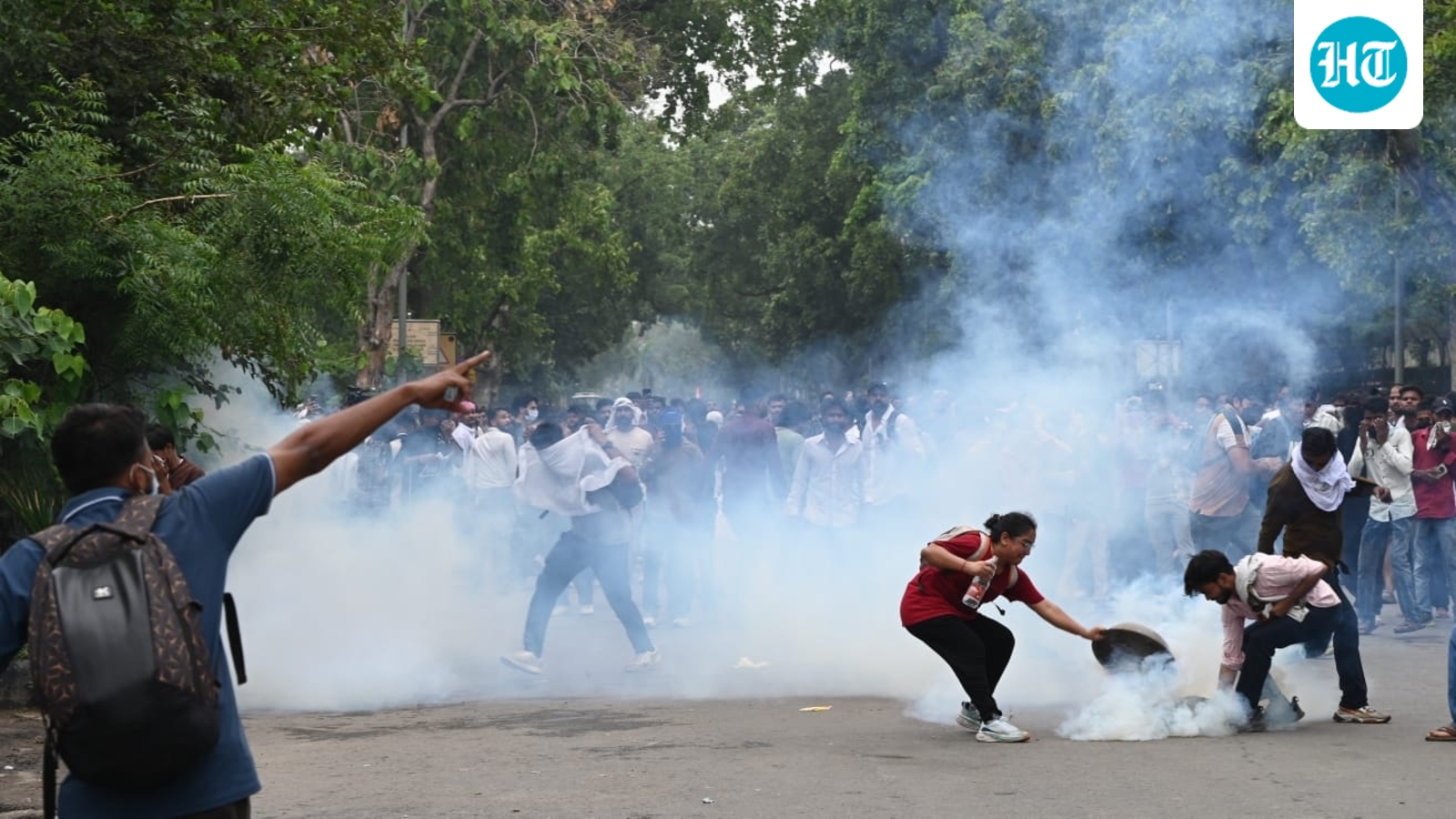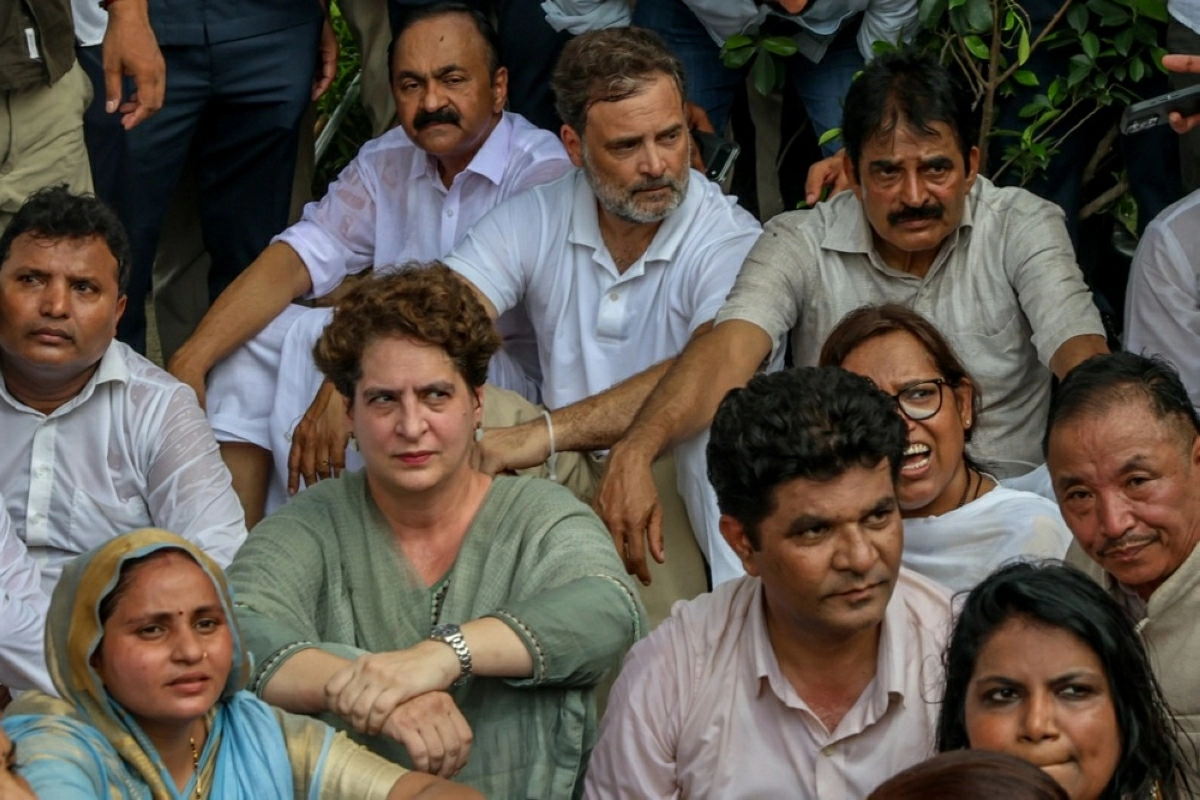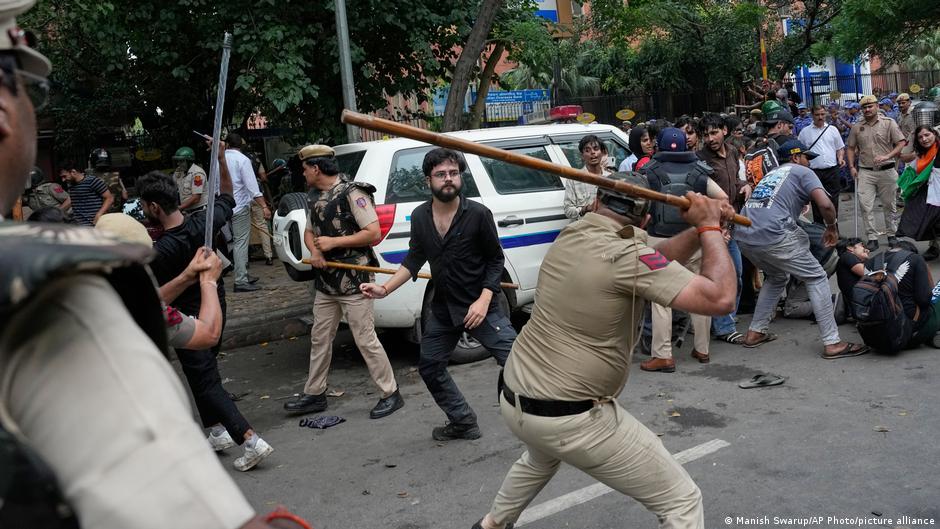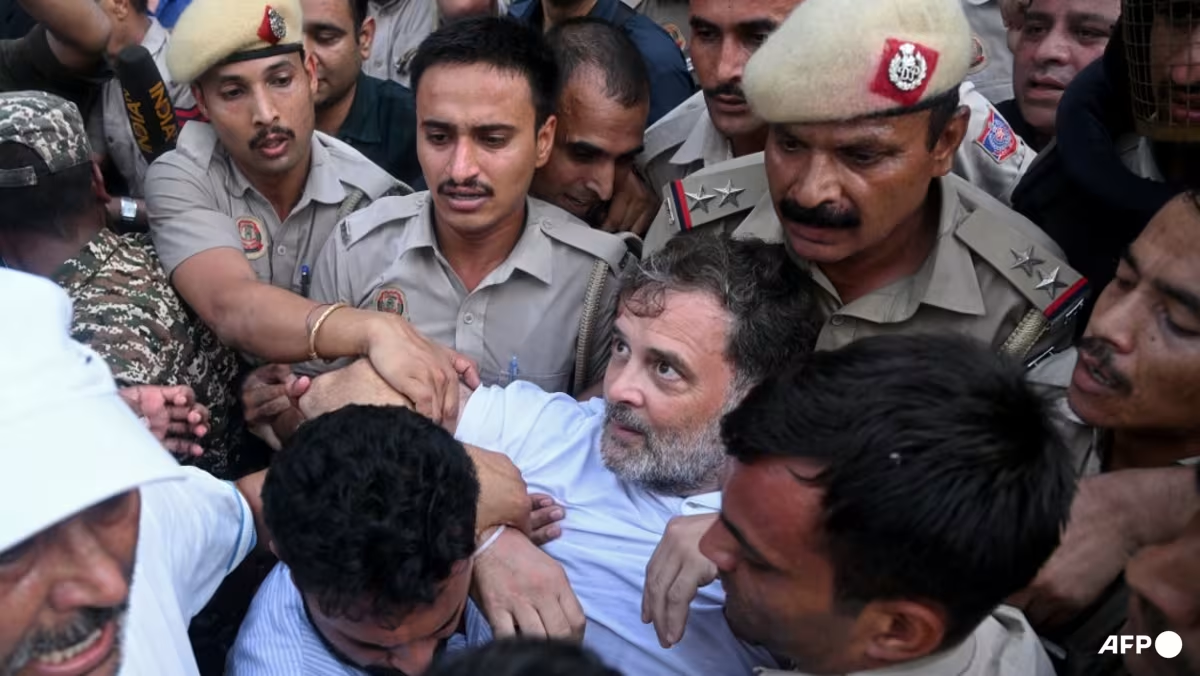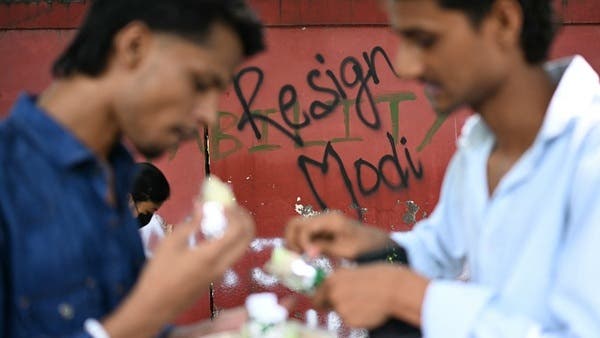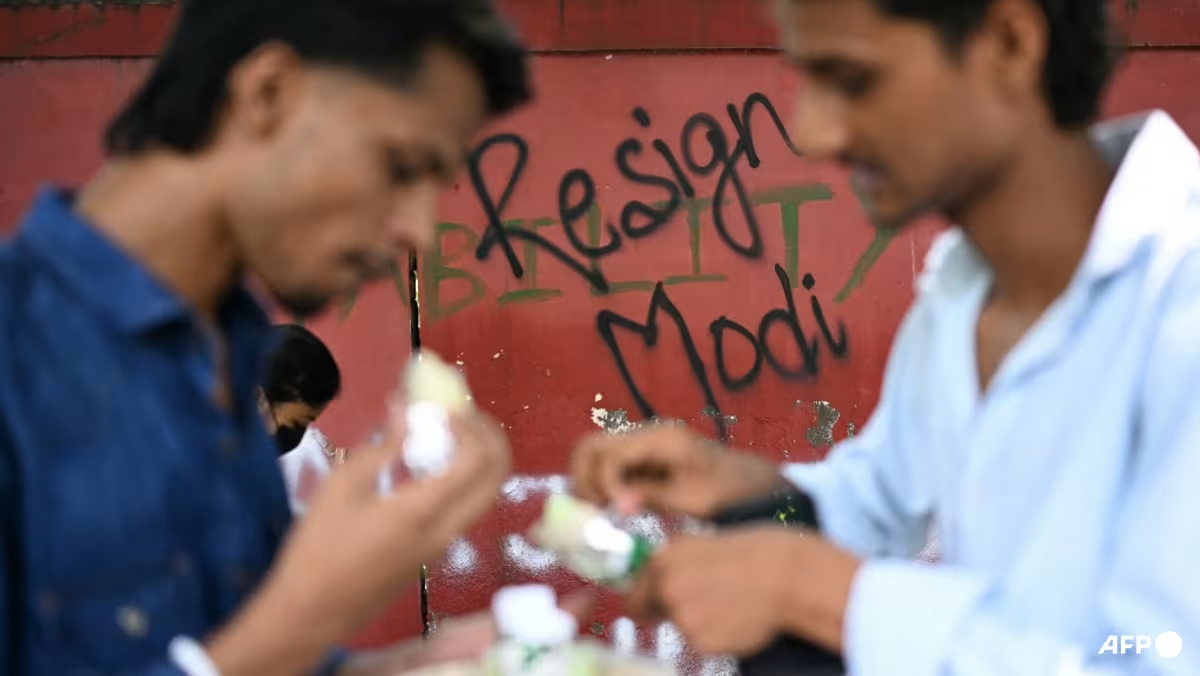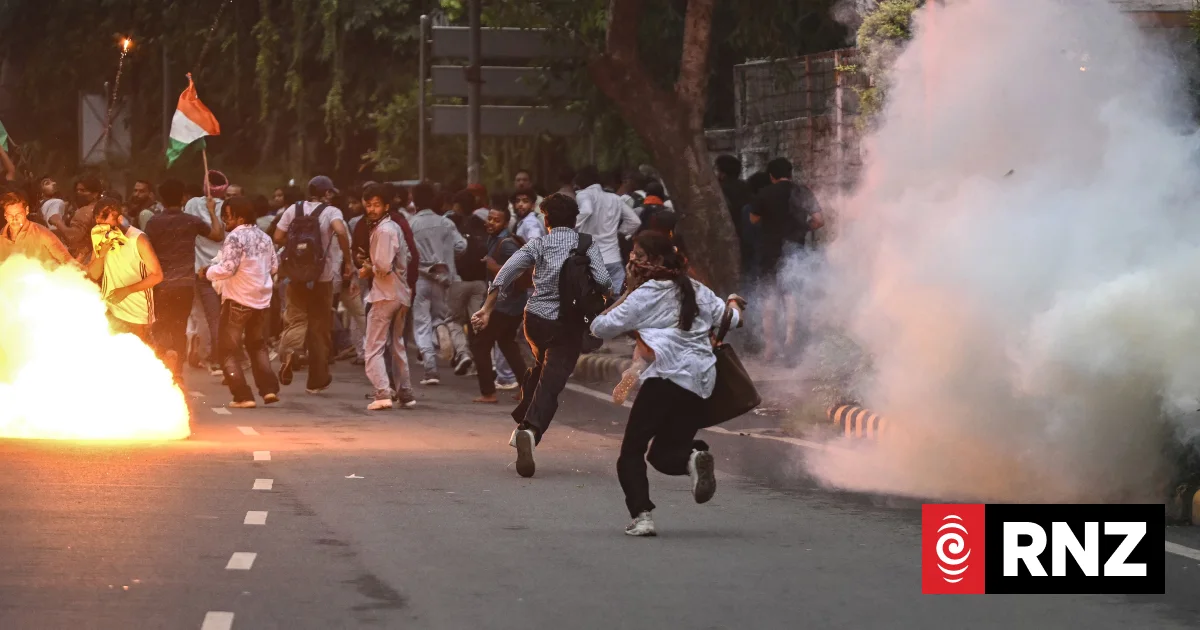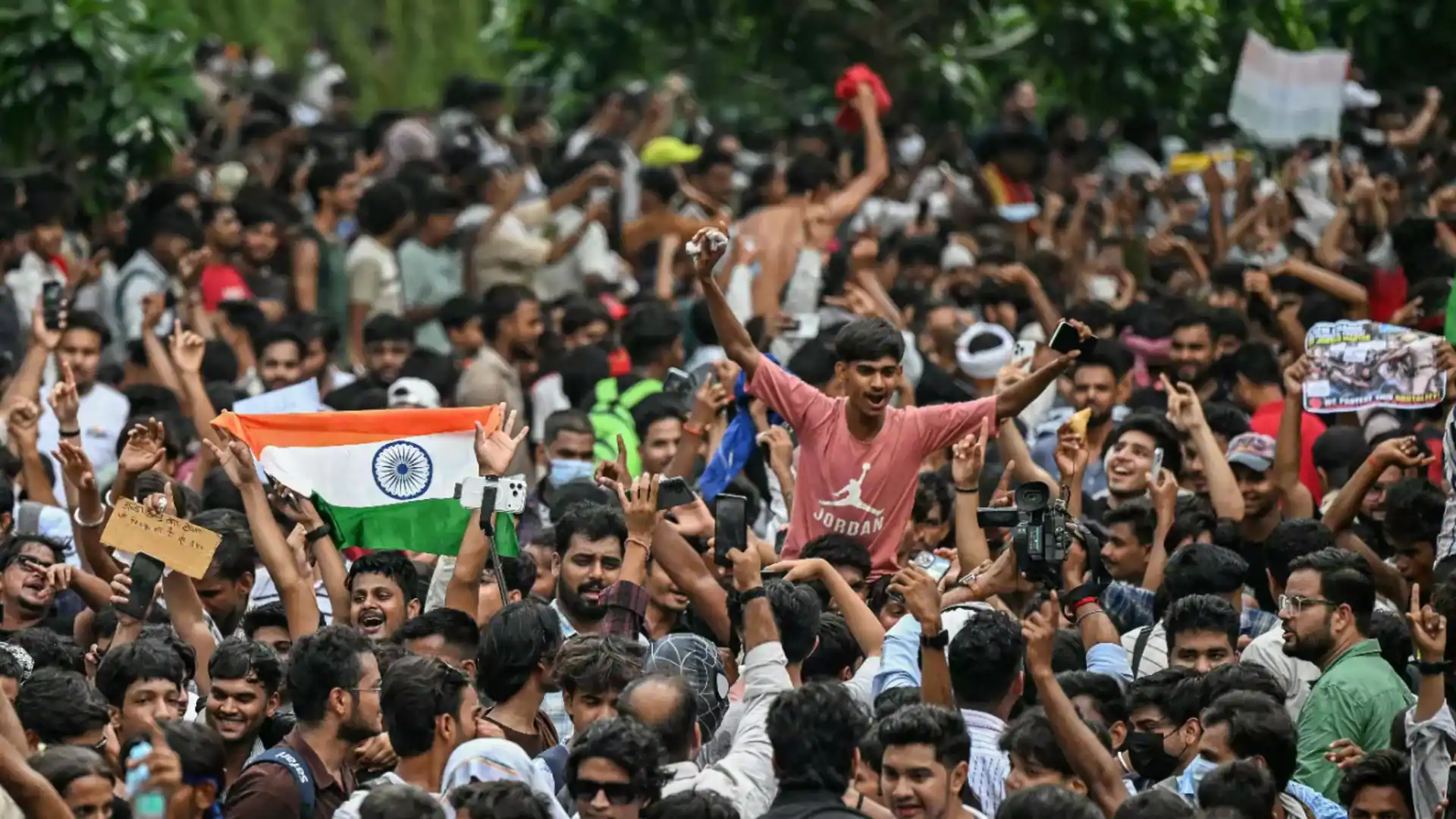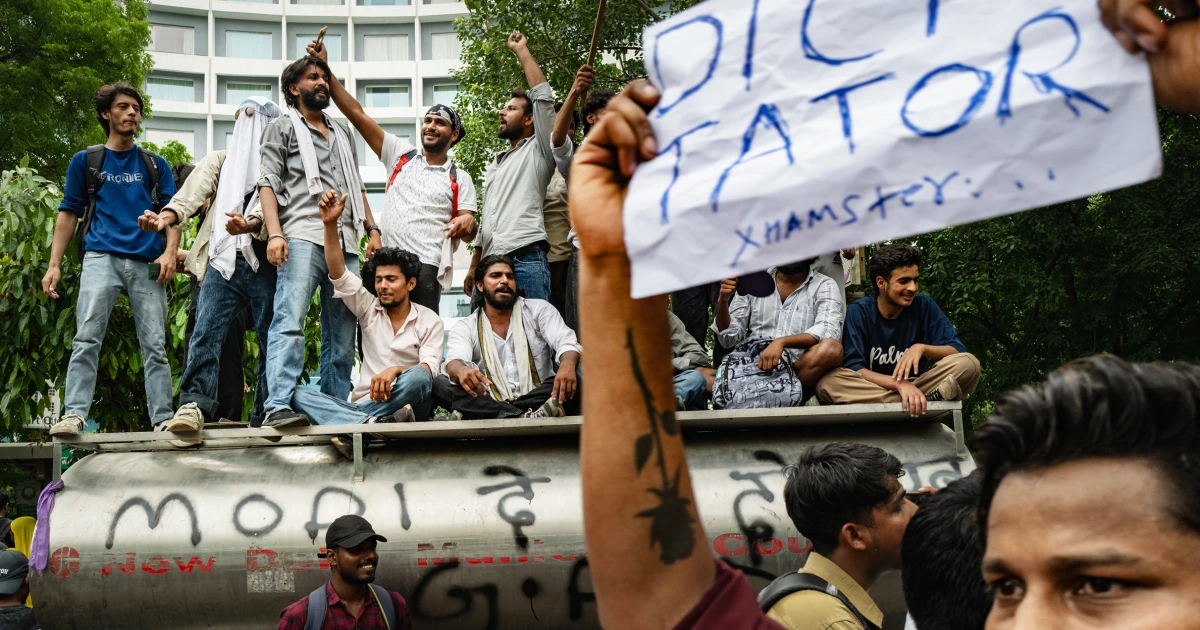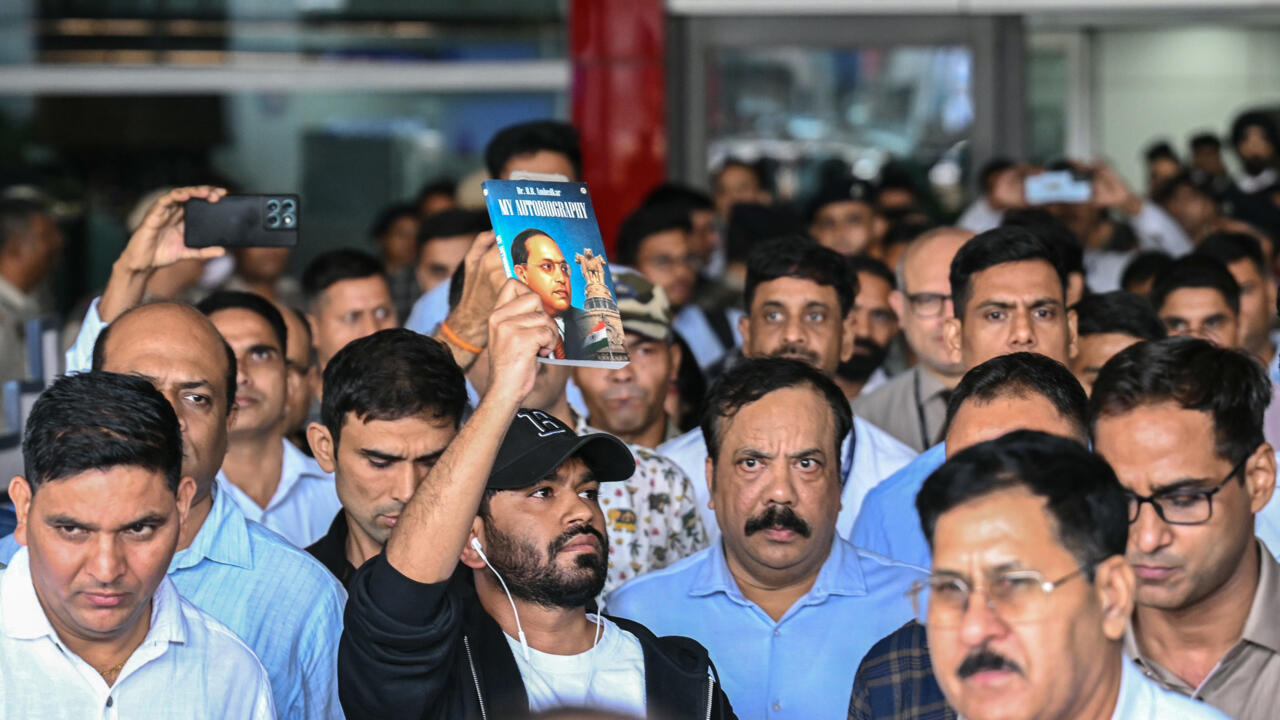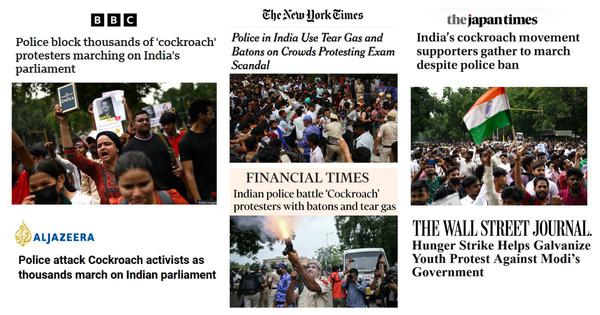
The Cockroach Janta Party’s march on Parliament in Delhi on Monday made headlines in the international English media, with many highlighting the police crackdown on protesters and the internet blackout in the heart of the national capital.They framed the protest as one of the largest and most visible signs of dissent against the Narendra Modi government in recent years. Some drew comparisons with the “Gen Z protests” that have toppled governments in neighbouring Bangladesh and Nepal.The New York Times reported how “chaotic scenes played out on the streets of Delhi” while “a smiling Mr Modi” tried to project an image of calm in Parliament and did not address the demands of the protesters.It said that this was consistent with Modi’s position that his ministers are not answerable to public pressure but that the ruling Bharatiya Janata Party may have underestimated “the raw anger among young people in India”, drawing parallels with the “Gen Z” protests in the neighbouring Bangladesh and Nepal that have toppled governments.“His image as a strongman may also be showing cracks,” said The New York Times report.
The report published by ‘The New York Times’.The New York Times also pointed out how government-friendly television channels that “had largely ignored the buildup to Monday’s protest”, broadcast scenes of panic around Parliament.A BBC report noted the striking contrast between the gathering crowds of protesters draped in the tricolour and holding placards around Jantar Mantar while the police sealed “every road to Parliament”.It said that as the police pushed back, “some protesters returned to Jantar Mantar bleeding from the head or limping, while others were carried back by fellow demonstrators.”“The movement has broadened into one of the most visible expressions of public dissent against Prime Minister Narendra Modi in recent years,” said the report.