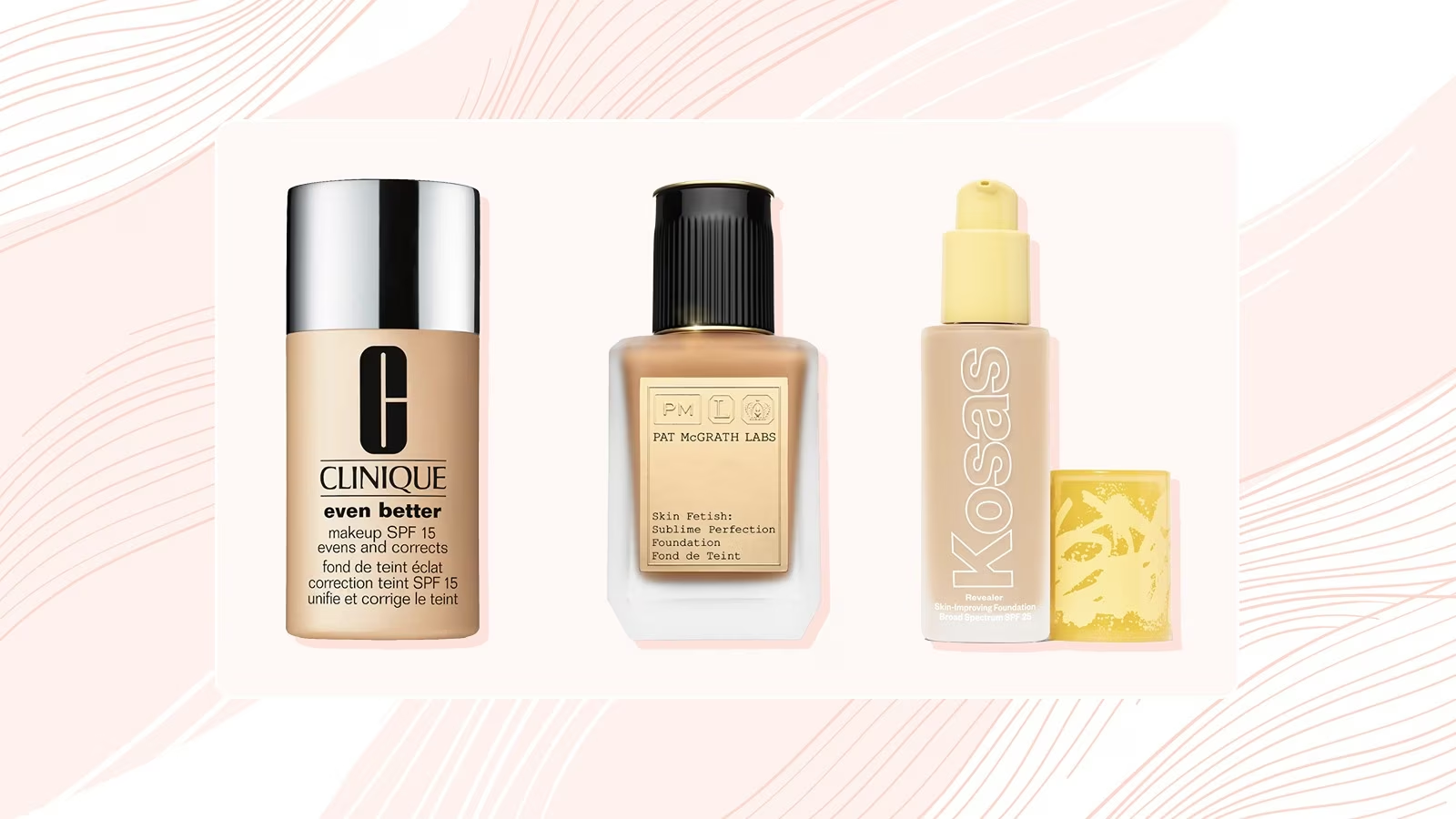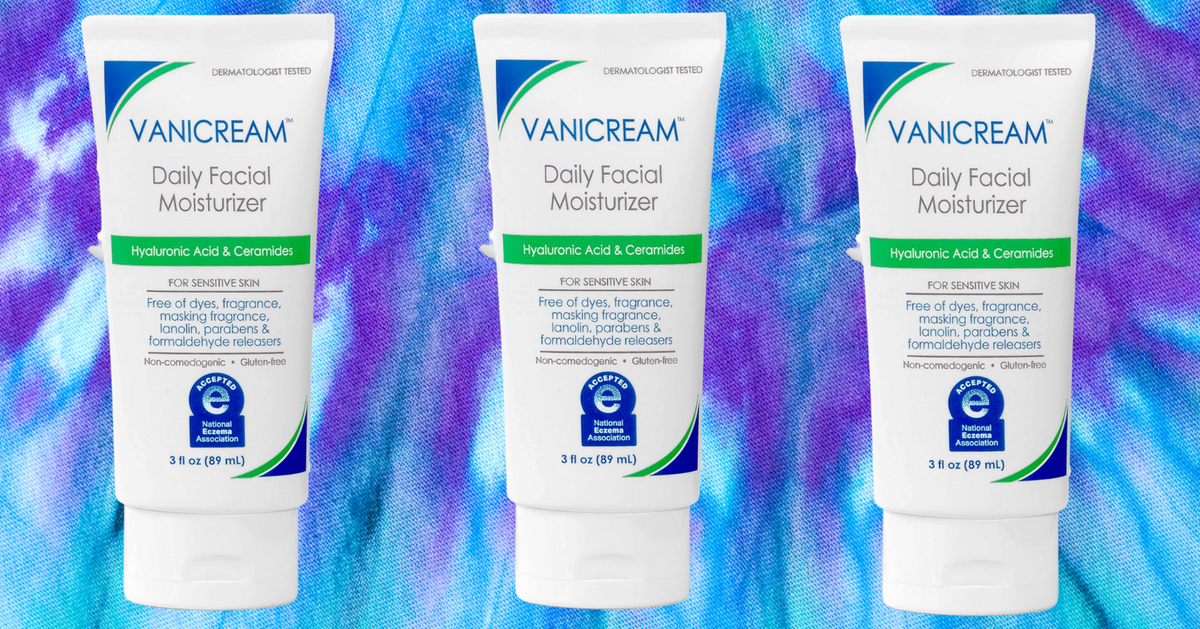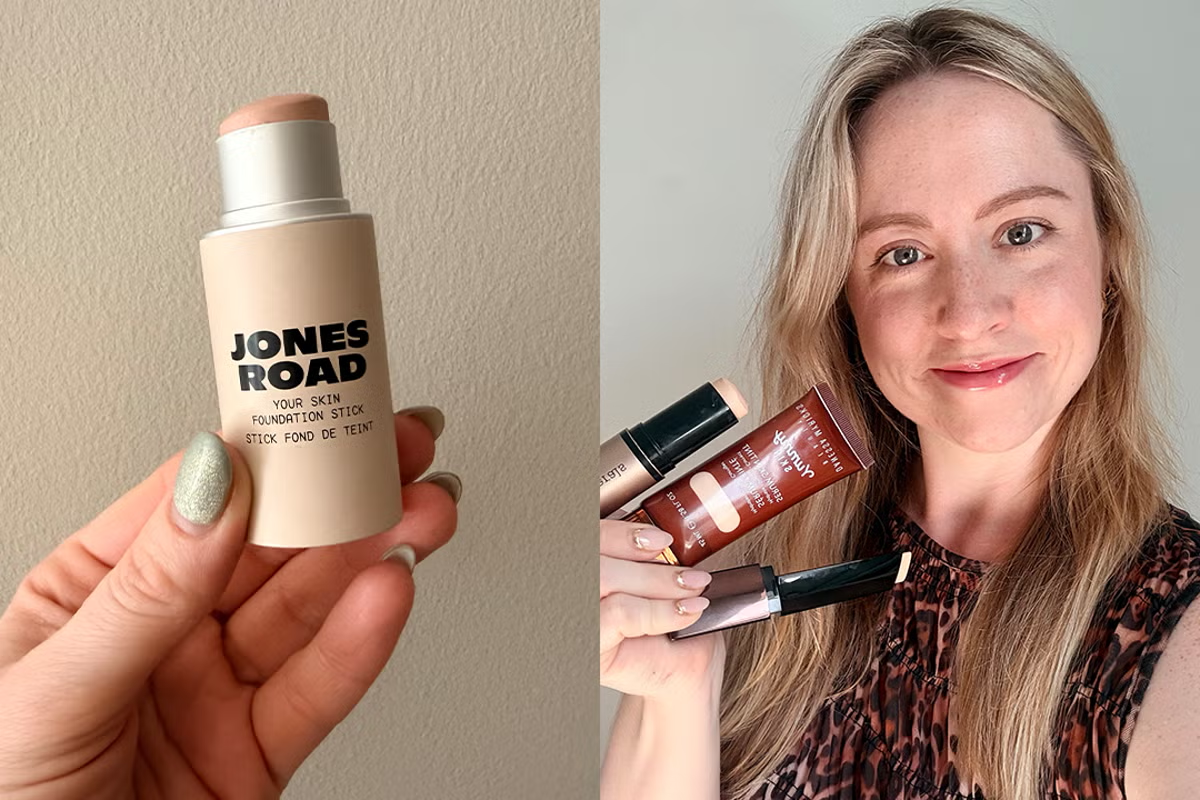
Your questions about foundations for acne-prone skin answeredWhat is the best foundation for acne-prone skin?My top pick is the Jones Road your skin foundation stick, both for its convenience when applying and blending, as well as the buildable coverage, radiant finish and texture-smoothing formula. It’s a quick easy way to apply your foundation all over without leaving skin looking cakey, accentuating texture and evening out a redness-covered complexion, nor does it trigger breakouts while trying to heal existing cysts, whiteheads and blackheads.How I tested foundations for acne-prone skin When putting foundations through their paces to determine which ones delivered, I examined each product using the below criteria:Coverage and finish: Given I was testing their suitability for acne-prone skin, I kept a close eye on how effectively each foundation concealed blemishes, redness, and post-acne marks, without looking cakey, feeling heavy, settling into fine lines, or settling into areas of dryness. Longevity: A foundation may look beautiful once freshly applied, but if it slides off your face two hours later, it’s not good. That’s why I made sure to wear each foundation a minimum of five times, sometimes for a morning, other times for an entire day and into the evening to see how well it stayed in place. Breakout compatibility: Wearing a foundation just once is not an indicator that it’s suitable for acne-prone skin like mine, so I made sure to use each one regularly to see how well it worked to soothe my typically inflamed skin and whether it triggered any more breakouts or irritated my sensitive skin. How to apply foundation to properly cover spotsAccording to Amy Conway, Bobbi Brown global pro artist, when covering a blemish, layering is key to creating a natural finish. “Many of us want to apply a full coverage all over the skin when we see blemishes, but for best results start with a lightweight foundation first, then layer a concealer stick over the blemishes only. Build coverage by pressing the concealer into the skin vs sweeping over the area. Opt for a sponge or a brush, to avoid adding any excess oil from your fingertips.”She explains that one of the biggest mistakes people make when using makeup on acne-prone skin is simply applying too much. “Heavy makeup on textured skin can look cakey and outdated, but it also enhances the blemishes and texture.”What does ‘non-comedogenic’ mean?Quite literally, it means it won’t clog your pores, which is the main culprit for spots. Pores can become clogged by excessive oil production, a lack of gentle exfoliation to slough off dead skin cells on the surface of your face, and sometimes the makeup you use on top. Opting for a non-comedogenic foundation reduces the risk of your makeup contributing to acne. Other tips for keeping breakouts at bay within your makeup routine are hygiene solutions, such as regularly washing your brushes so they don’t build up product residue and become a breeding ground for bacteria, and removing your makeup properly with an oil-based or balm cleanser to ensure your skin is completely clean before your skincare is applied. Why you can trust IndyBest reviewsLouise Whitbread is a beauty writer and editor with years of experience reviewing skincare. In addition to interviewing dermatologists for skincare tips, such as how to reduce acne scarring, and insights into skincare ingredients and their benefits, Louise considers all skin types when reviewing products. From night creams to cleansing balms, Louise always factors in sensitivity, and related skin concerns such as redness and hyperpigmentation. What’s more, as someone who experiences rosacea and hormonal acne, Louise was able to thoroughly test the best foundations for acne prone skin. The products listed in this article are her honest, tried-and-tested recommendations.Hydrate and soothe irritable complexions with the best moisturisers for sensitive skin
Best foundations for acne-prone skin, tried and tested by a beauty expert
Following weeks of testing, these are the foundations that deliver on coverage, blendability, longevity and value
628 words~3 min read