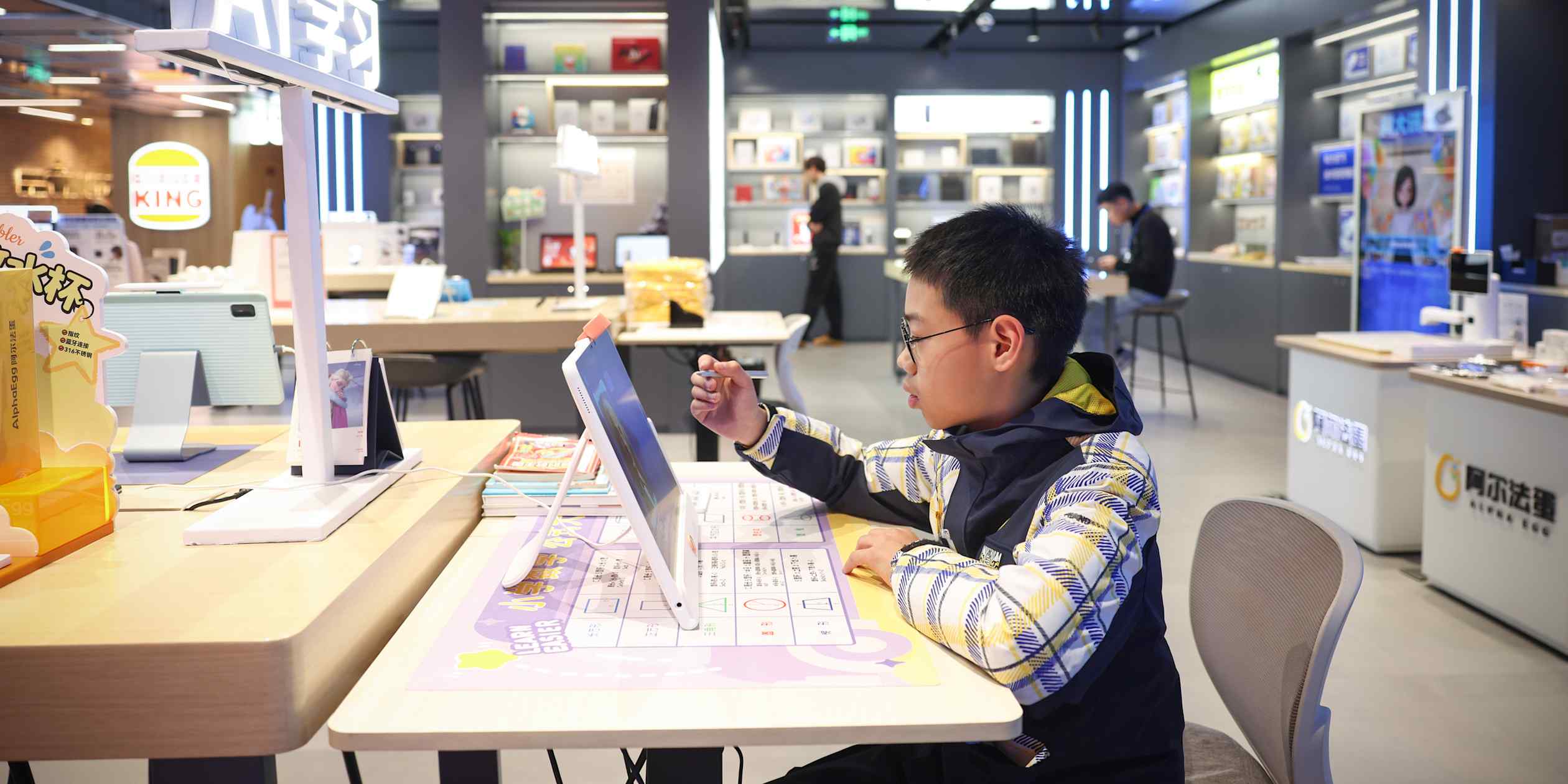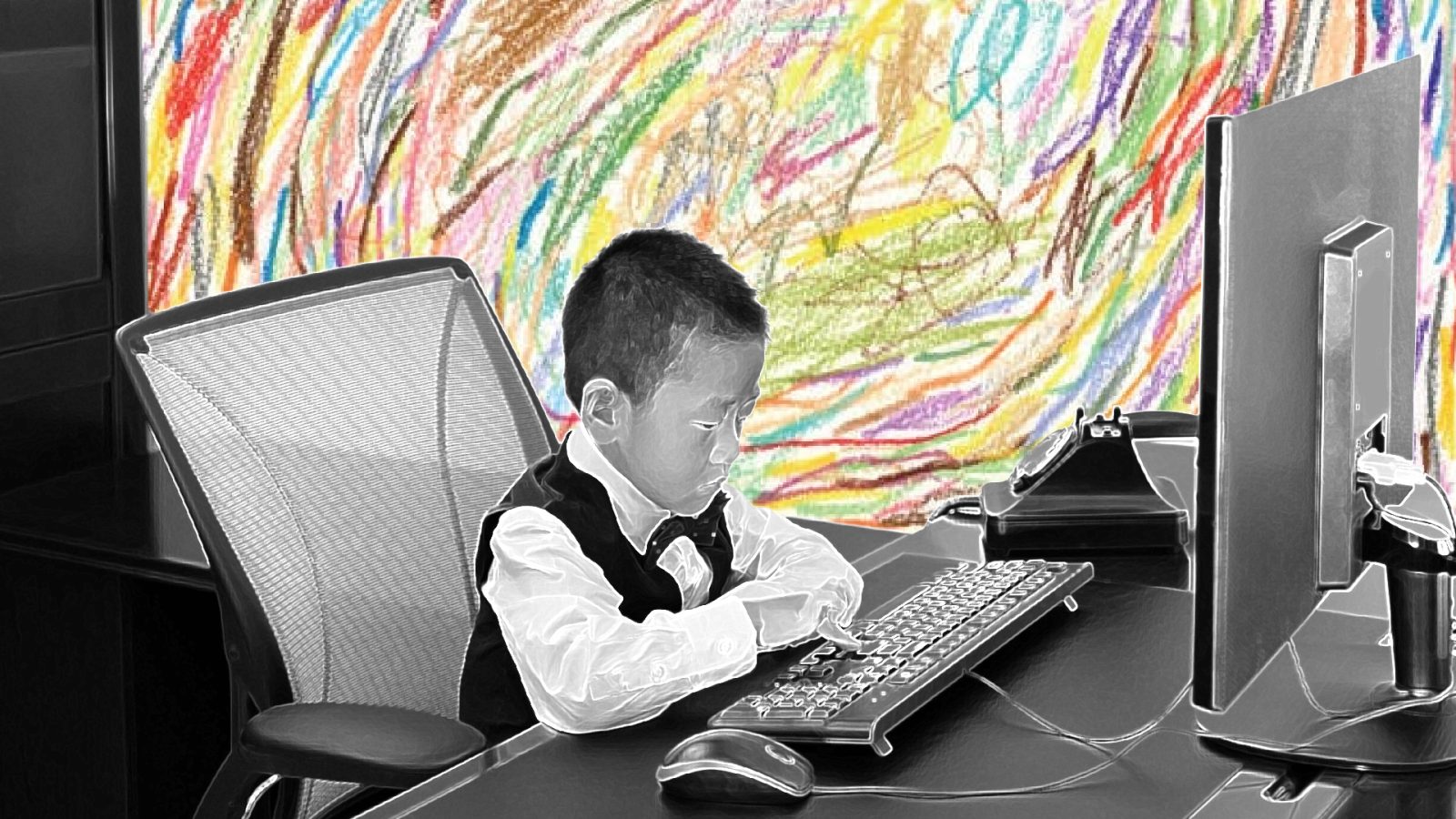
Yang is immensely proud of his 13-year-old son. The middle-school student from Hangzhou has won artificial intelligence model-building competitions across China, and has 136,000 followers on Chinese social media platform XiaohongshuiXiaohongshuXiaohongshu, which translates to “little red book” in Chinese, is a lifestyle e-commerce and social media platform.READ MORE, where his father documents his projects.
Despite his son’s talent, Yang was unsure of how to nurture it in the fast-moving world of AI — one he had never experienced growing up.
“We’re just an ordinary family,” Yang told Rest of World, requesting to be identified only by his last name due to concerns over online attention surrounding his minor son. “Our biggest challenge is resources. We don’t know what he should be learning or the best way for him to learn it. Right now, he’s mostly teaching himself.”
Yang might soon find a solution to his challenges. Chinese companies are steadily expanding their talent pipeline from university graduates to undergraduates — and, increasingly, to teenagers.
The shift reflects a severe shortage of elite engineers, growing competition among AI companies, and a belief that exceptional talent needs to be identified long before it enters the workforce.