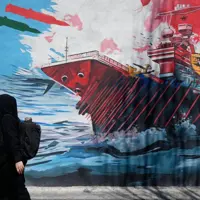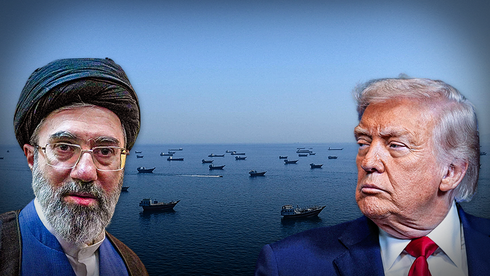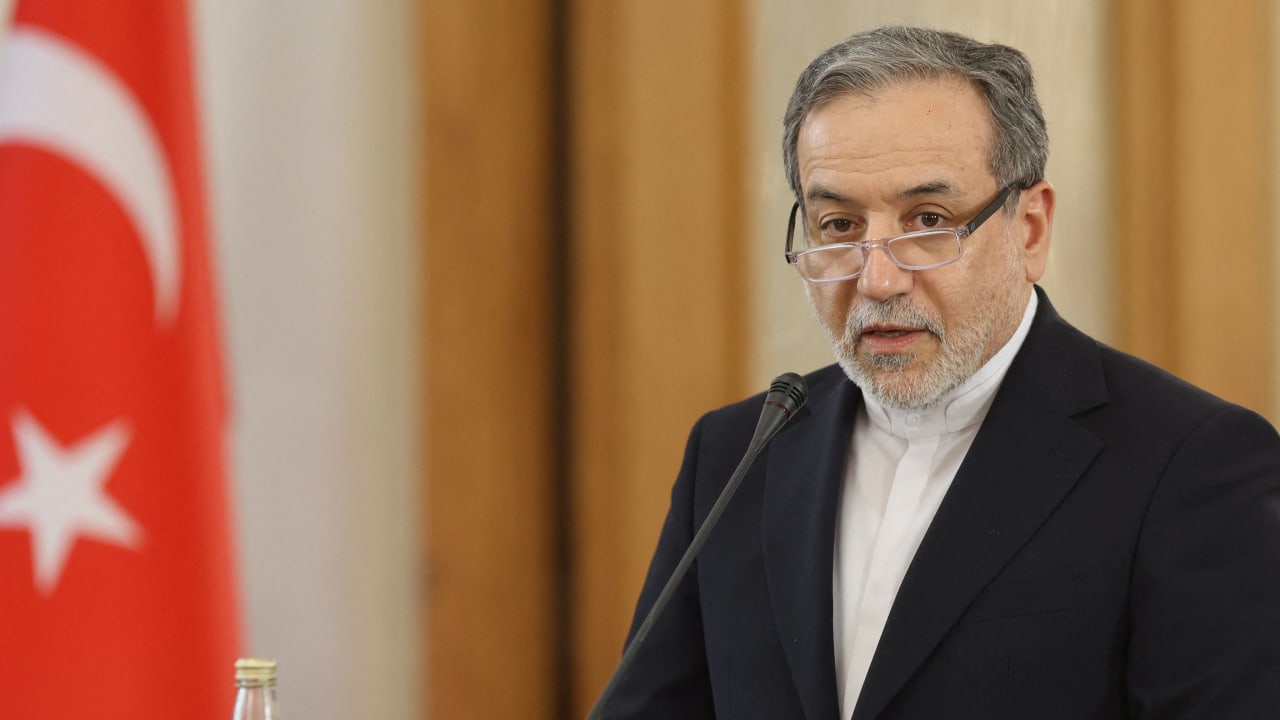
Mediators are attempting to persuade the US and Iran to halt hostilities, proposing a 10-day truce and a return to negotiations to reach an agreement on the running of the Strait of Hormuz.Sources told The National on Tuesday the mediators were also trying to convince the two parties to agree on the removal or clarification of “ambiguous language” in the agreement reached last month, which paused the US-Iran war.They did not go into specifics but explained the ambiguities had given rise to conflicting interpretations by the two sides.“The mediators are trying to fix misinterpretations of some of the ambiguous and elastic language in the memorandum,” said one of the sources. “Each party has its own intentions and interpreted some of the language in a way that benefits it.”An anti-US wall mural on a street in Tehran. EPAInfoThe mediators, from Pakistan, Qatar, Turkey and Egypt, proposed to the US and Iran a 10-day truce, which the sources said was long enough for both sides to iron out points of contention over the Strait of Hormuz.“It is worth a try, but the mediators are getting the distinct impression that Iran will not allow the running of Hormuz except on its own conditions,” said another source.They were also trying to convince the two parties to adopt a binding formula under which Iran, the US and Oman – the US-allied Gulf nation sitting on the western coast of Hormuz – would co-ordinate to manage navigation in the waterway, according to the sources.Hormuz is at the heart of the latest flare-up in fighting, with Iran rejecting US demands to keep maritime traffic flowing under last month's ceasefire. Renewed hostilities have led to a near 20 per cent surge in oil prices.Tehran, insisting it has a right to manage traffic in the strait, has responded to the US attacks by targeting Bahrain, Jordan, Kuwait and Iraq.The US military has announced the death of three service members in northern Iraq and Jordan since Friday, with another still missing.USS Donald Cook sails in the Arabian Sea while an MH-60S Sea Hawk flies alongside. Photo: US CentcomInfoIn a move expected to send oil prices higher, Yemen's Iran-backed Houthis on Monday said they would impose a maritime blockade on Saudi Arabia, putting at risk the flow of millions of barrels of oil the kingdom exports through the Red Sea.Esmaeil Baghaei, spokesman for Iran’s Foreign Ministry, said “ideas from some mediators have been conveyed” to Tehran, without giving further details.Pakistan and Qatar, which are spearheading the mediation, see a return to US-Iran positions before July 9 – when the latest round of hostilities began – as a first step, according to the semi-official Iranian Students’ News Agency.Asked about reports that mediators had proposed a 10-day truce, a US official said President Donald Trump was currently focused on punishing Iran for attacking ships in the strait, Bloomberg reported.The strikes would continue until the President chose a different course of action, the official said, but diplomatic efforts to end the war were continuing.The sources said the mediators feared persisting hostilities between the US and Iran could turn into an open-ended war of attrition, with grave consequences for the global economy, from supply chains to energy prices.Iran fires a missile from an undisclosed location towards US targets. AFPInfoAnother source of concern, they said, was the possibility that Israel would find in the hostilities an opening to re-enter the conflict it started in February alongside the US but has remained on the sidelines since fighting resumed.As one of the mediators, Egypt has the additional motive for seeking a return to the ceasefire because the Houthis' threat to blockade Saudi Arabia or close Bab Al Mandeb, the Red Sea's southern gateway, would choke off traffic in the Suez Canal, the waterway that links the Mediterranean and Red Sea and is a major source of income for the most populous Arab nation.Egypt, like the other mediators, is a close US ally that maintains relations with Iran. The war has left it in the awkward position of having to issue strongly worded condemnation of Iran's attacks on its Arab neighbours, some of which are among Cairo's major economic backers, while continuing to engage Tehran in efforts to end the conflict.
Mediators seek to salvage US-Iran ceasefire with 10-day truce proposal | The National
Diplomatic push aims to resolve disputed ceasefire terms and ease hostilities over Strait of Hormuz
702 words~3 min read