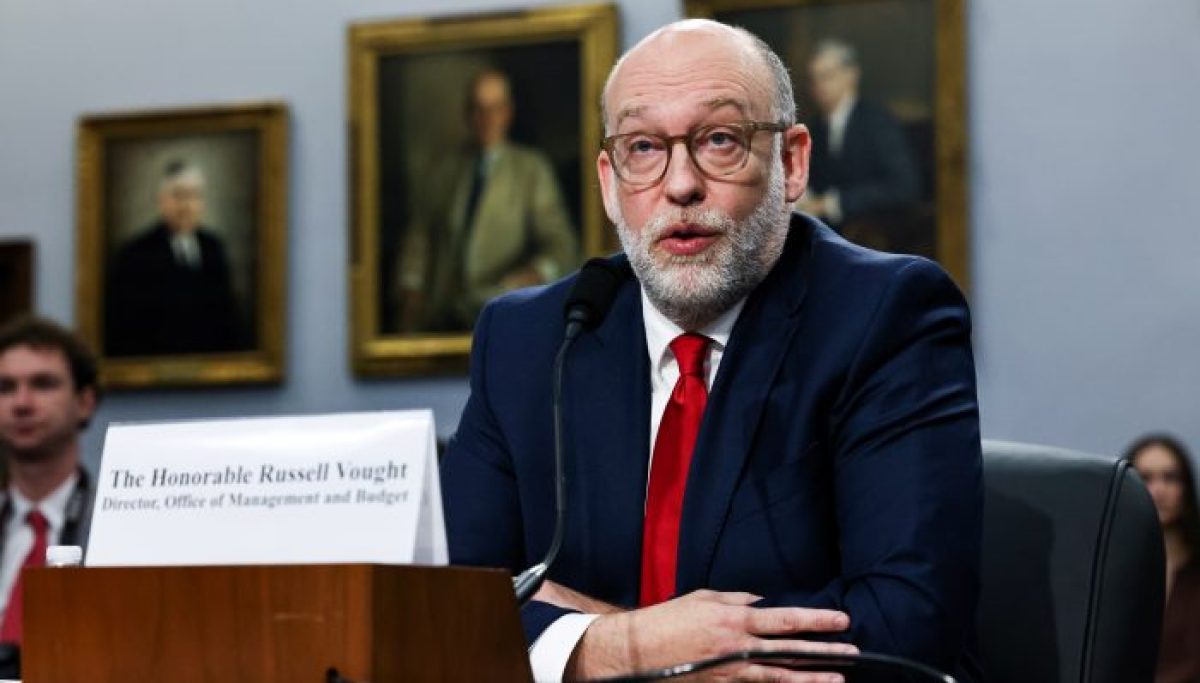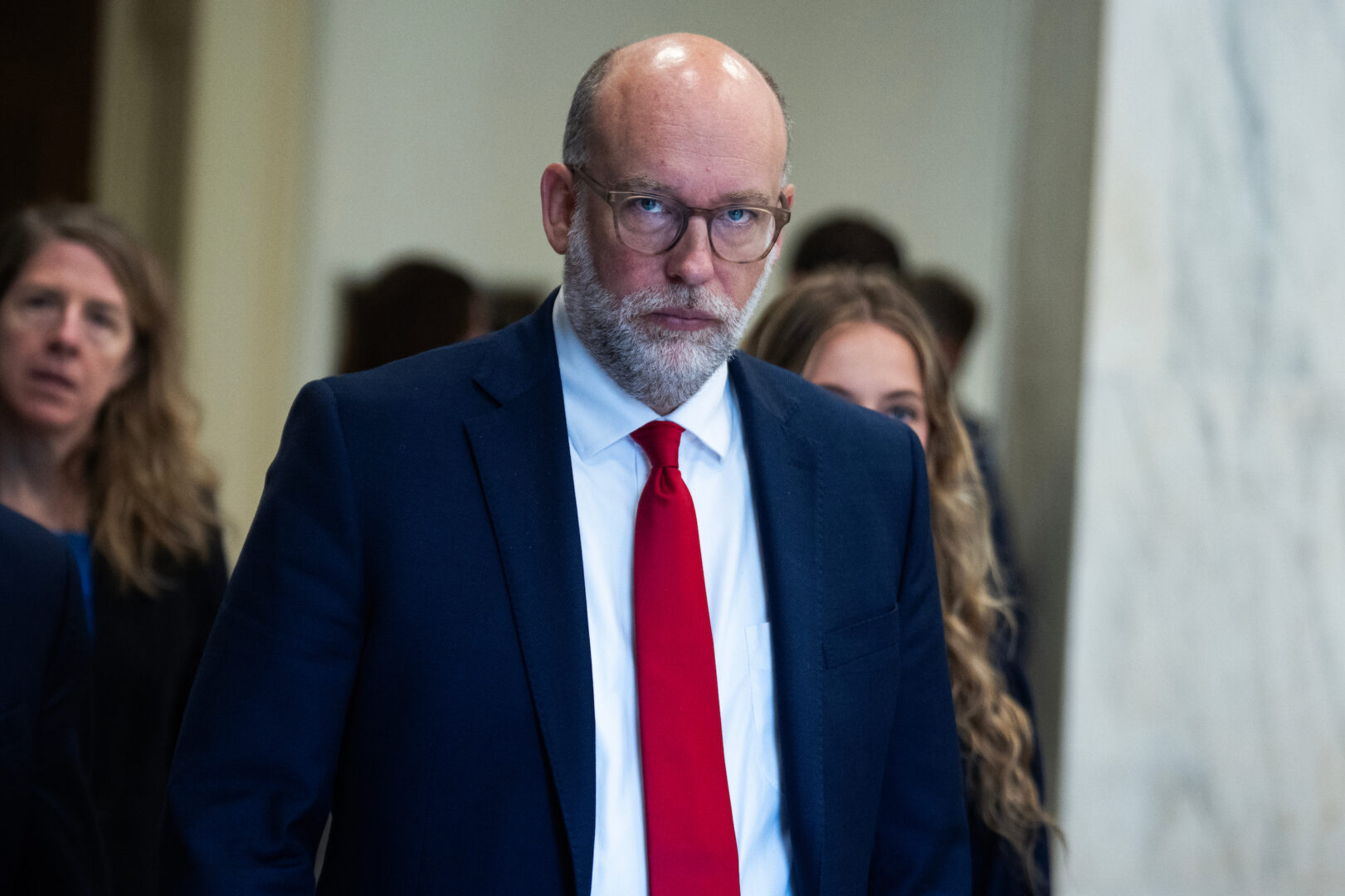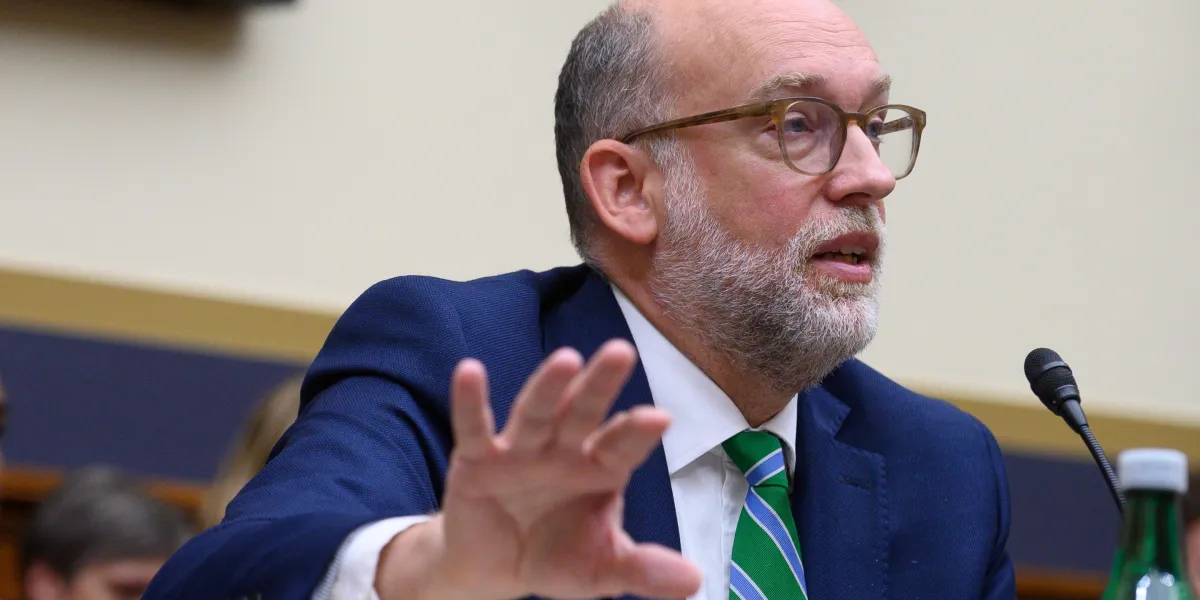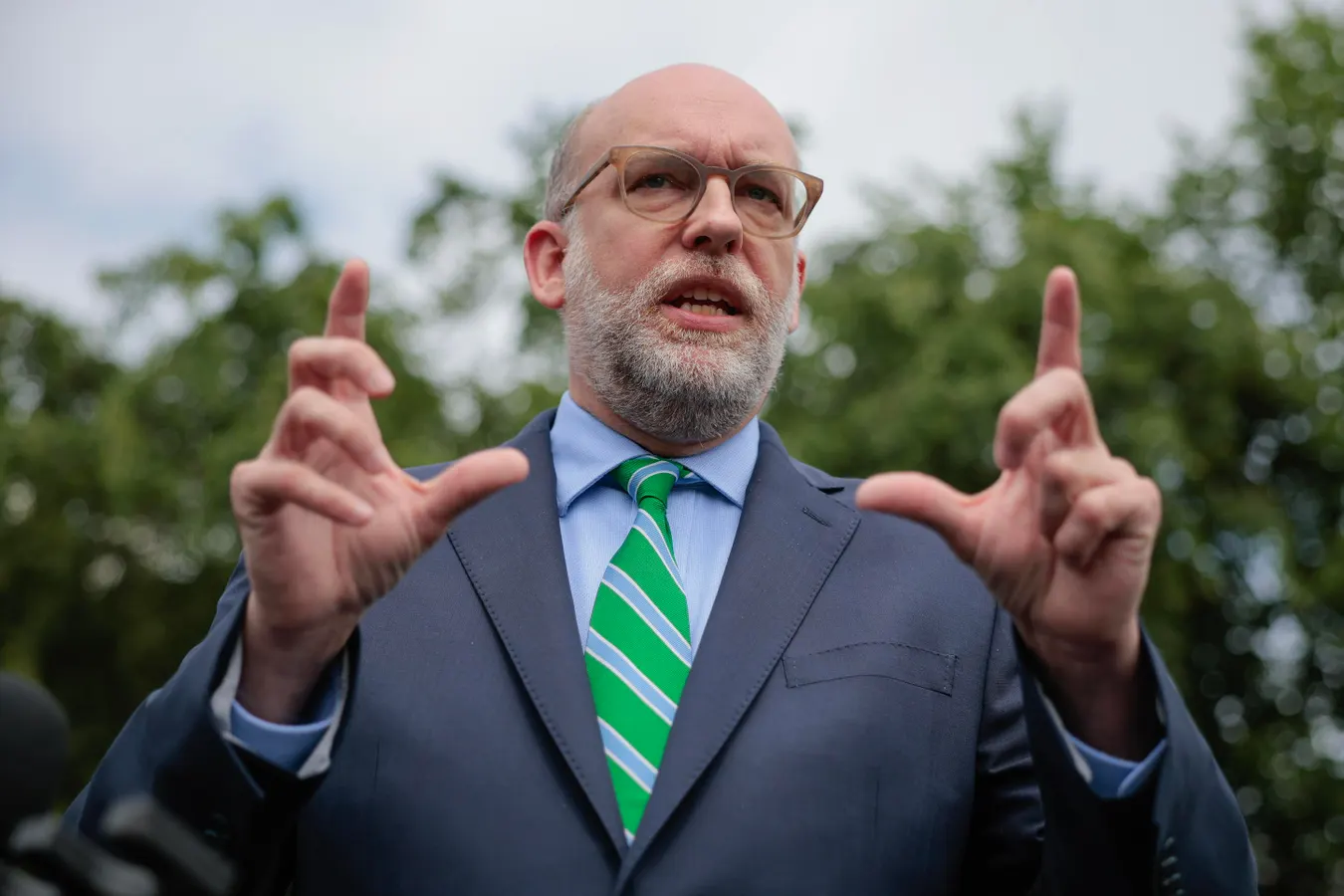
Russell Vought leads the White House Office of Management and Budget, which is working to rewrite the rules for federal grants.
Tom Williams/CQ–Roll Call Inc./Getty Images
When university researchers started to receive notice last year that the Trump administration was canceling their grants, they often didn’t get a clear explanation why beyond that their project “no longer effectuates agency priorities.”
But federal agencies can’t use that language, which stemmed from earlier federal guidance, to cancel grants based on changed priorities, a judge ruled last week, taking away one of the administration’s tools for terminating previously awarded grants. The court order only applies to the 23 states that sued.
U.S. District Court of Massachusetts Judge Indira Talwani’s Friday ruling largely concerned the meaning of a White House Office of Management and Budget clause that says a “federal award may be terminated in part or its entirety” for reasons “including, to the extent authorized by law, if an award no longer effectuates the program goals or agency priorities.” Looking at semantics of the clause, its regulatory scheme and history, and the Constitution, Talwani concluded that while the termination clause may allow for ending grants that no longer fulfill the priorities in place when they were awarded, it can’t be used to ax them based on an administration’s new goals.