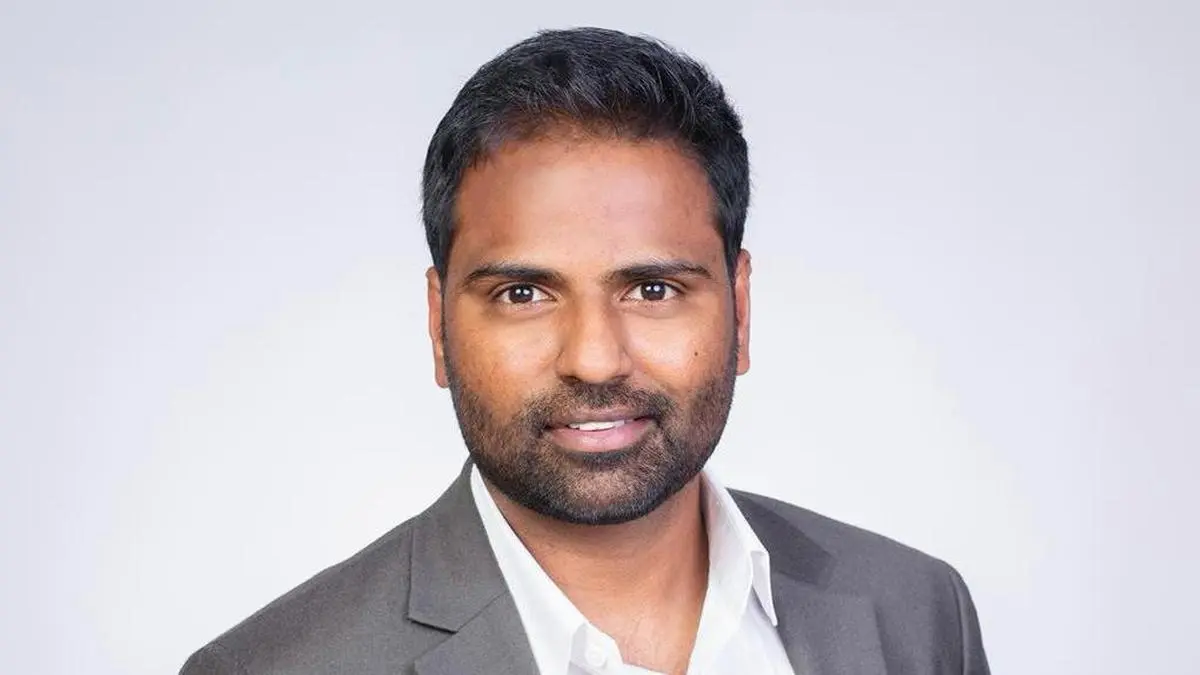
Imagine a not-too-distant future in India. Arjun asks his artificial intelligence (AI) agent to organise a four-day family holiday within ₹1.2 lakh, while Sonal gives hers a ₹6,000 monthly mandate to manage supplies for her Labrador. Both specify their needs, budgets and boundaries; their agents decide which companies receive the money.Consumer behaviour is already moving in that direction: an Adobe survey of about 2,000 Indians found that 73 per cent use AI to support shopping decisions, 66 per cent prefer it for product comparisons and 61 per cent are comfortable allowing AI to complete approved purchases.The building blocks are falling into place. MakeMyTrip, EaseMyTrip and Ixigo use conversational AI across parts of the travel journey, while Razorpay, NPCI and OpenAI have piloted shopping through ChatGPT with Bigbasket. UPI Reserve Pay can support consent-based, pre-authorised transactions within defined spending limits, bringing India closer to the point where AI moves from recommending a purchase to executing it.“Trust, ultimately, is the only durable moat in the consumer business,” said Pavan Kunchala, who leads applied AI and decision-science work at California-headquartered Tiger Analytics.As AI moves from recommending products to potentially completing purchases, he believes brands will have to compete not only for human attention but also for selection by the customer’s agent.In an interview with businessline, Kunchala explained how this transition could reshape digital commerce, customer experience and the relationship between brands and consumers. Excerpts:
AI Agents will decide which D2C brands win, says Tiger Analytics’ Pavan Kunchala
Artificial intelligence is moving from recommending what Indian consumers should buy to potentially completing purchases on their behalf
791 words~4 min read