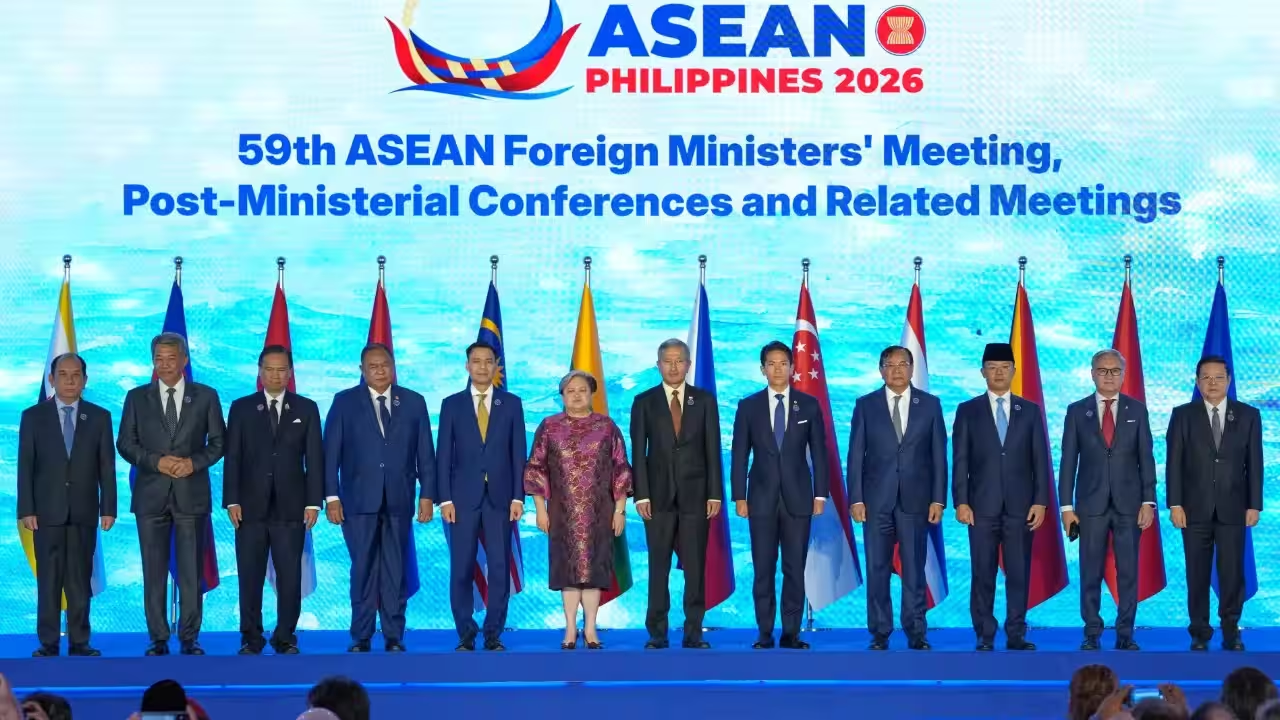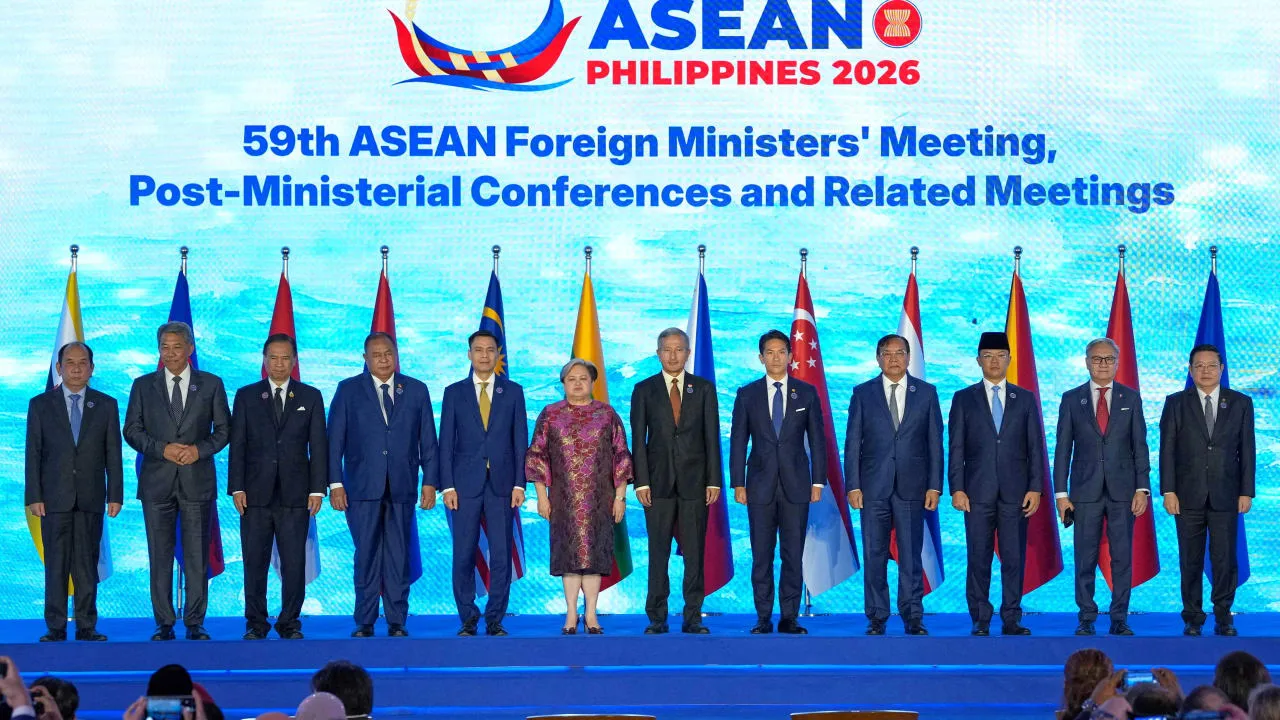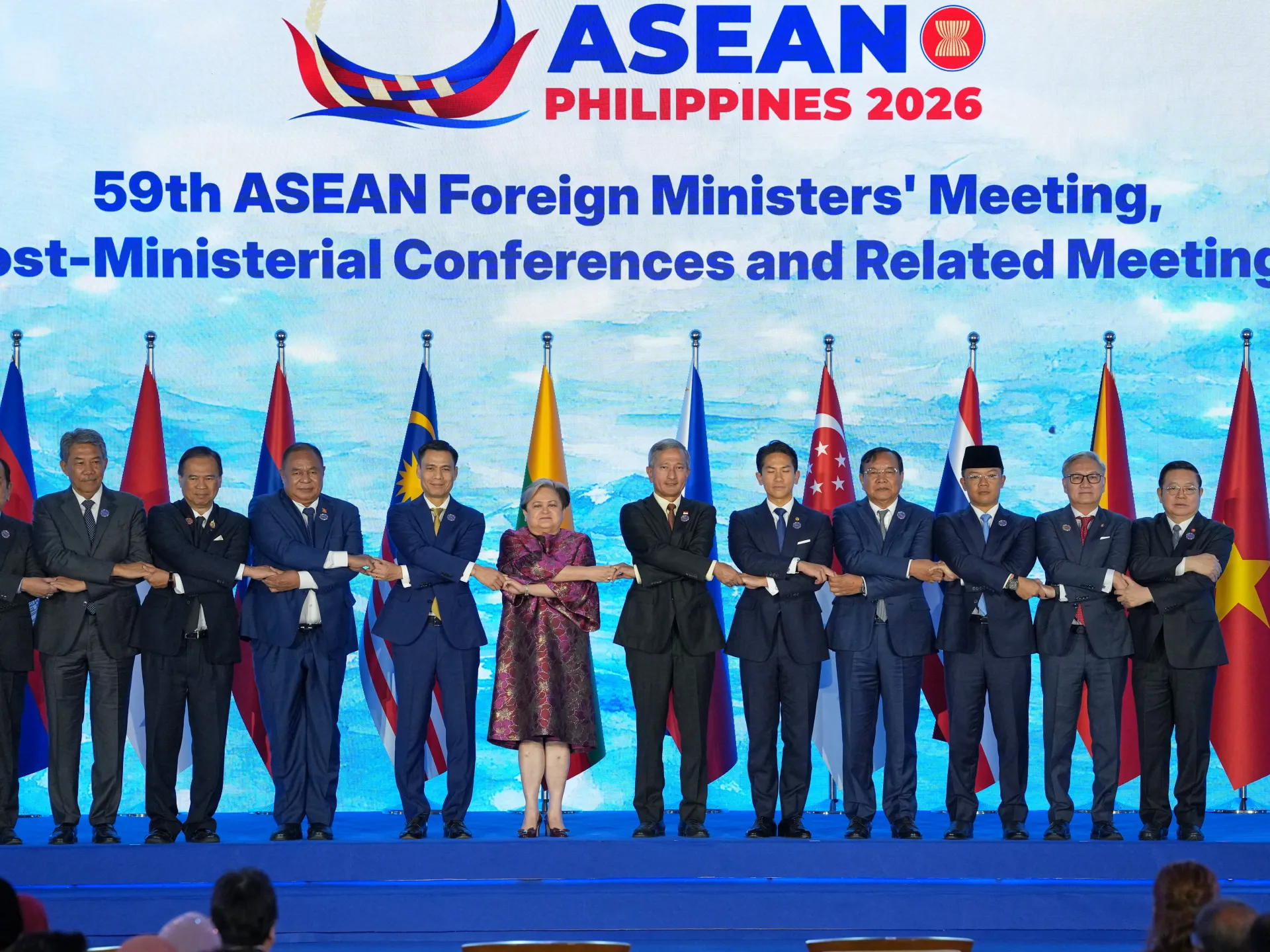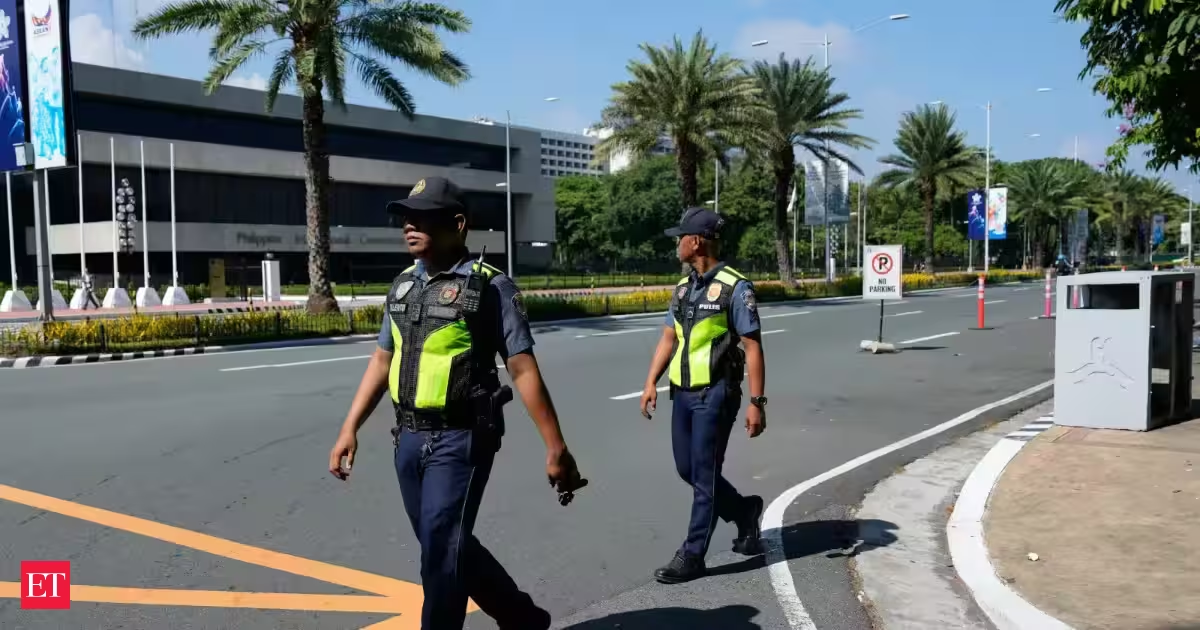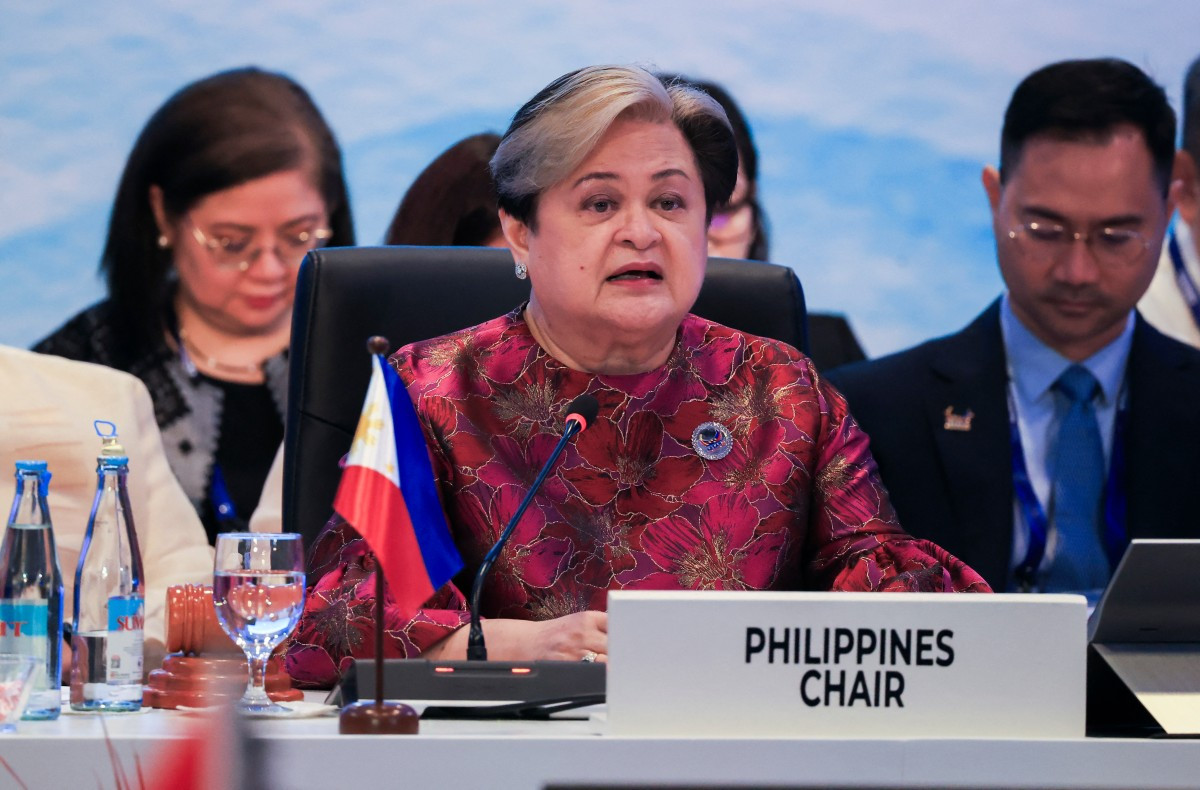
The Middle East crisis cast a shadow over a diplomatic gathering in Southeast Asia on Tuesday, where foreign ministers voiced serious concern over renewed hostilities that add to uncertainty in a region grappling to manage tensions and conflicts of its own.Foreign ministers from the 11-member Association of Southeast Asian Nations and major partners have meetings in Manila this week against a backdrop of instability since the US and Iran resumed open conflict, raising fears about energy supplies through the Strait of Hormuz, as well as inflation and global growth.
Risks have increased in recent days, with Yemen's Iran-aligned Houthis announcing a naval blockade on Saudi Arabia, opening a potential new front in the conflict and raising the threat to global energy supplies and trade beyond the Gulf.
"We are deeply concerned that these developments severely undermine the ongoing efforts of key mediators and diminish the prospects for a peaceful resolution through dialogue and diplomacy," the ministers said in a statement after a closed-door meeting.
Southeast Asia, a major oil importer with a combined gross domestic product of $3.8 trillion, is highly exposed to the supply crunch and has sought to fast-track an ASEAN oil-sharing mechanism to mitigate the impact.