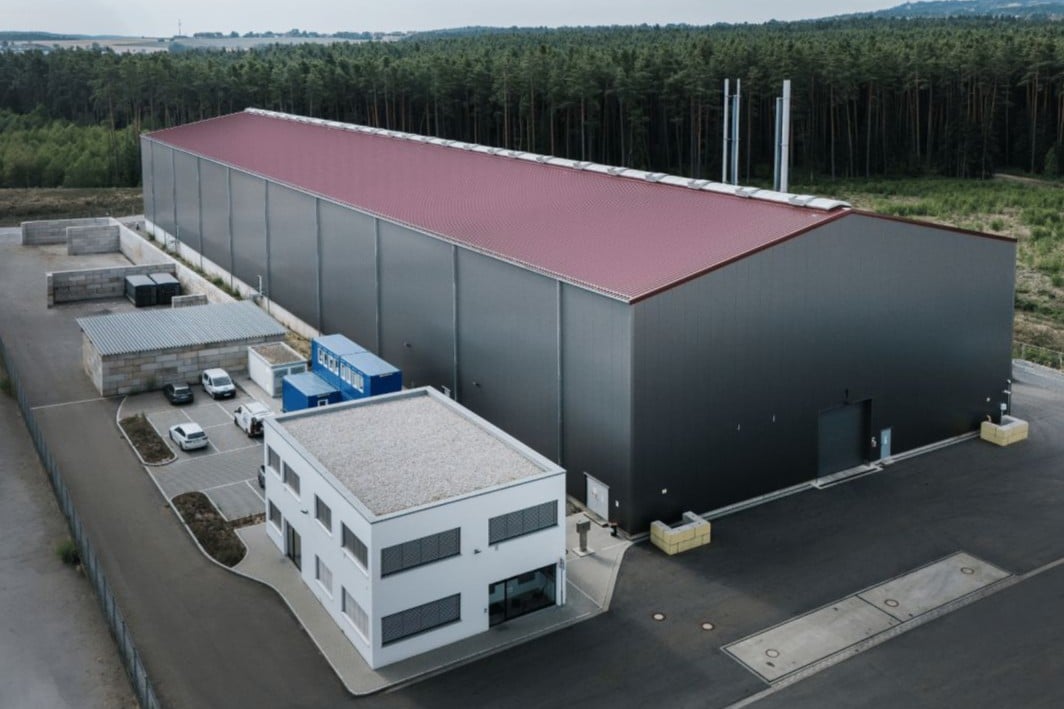
Cylib is thus expanding its operations to cover the entire battery recycling chain from end-of-life batteries to recovered raw materials. The newly purchased facility has an annual processing capacity of up to 10,000 metric tonnes of end-of-life EV batteries and is expected to begin operations in the fourth quarter of 2026, subject to approval under Germany’s Federal Immission Control Act (BImSchG).
Cylib does not name the insolvent company, but it is likely to be Roth International. As reported in 2022, the latter was planning to a recycling facility in Wernberg-Köblitz and recently filed for insolvency.
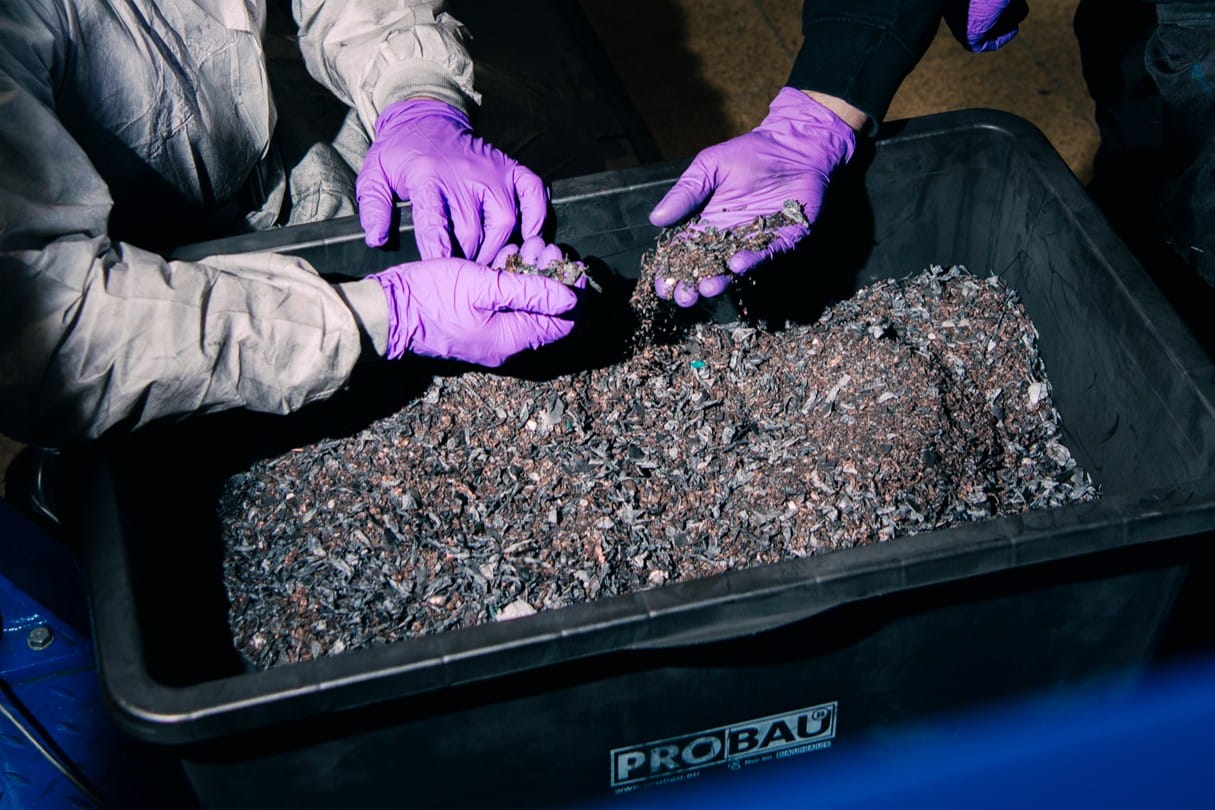
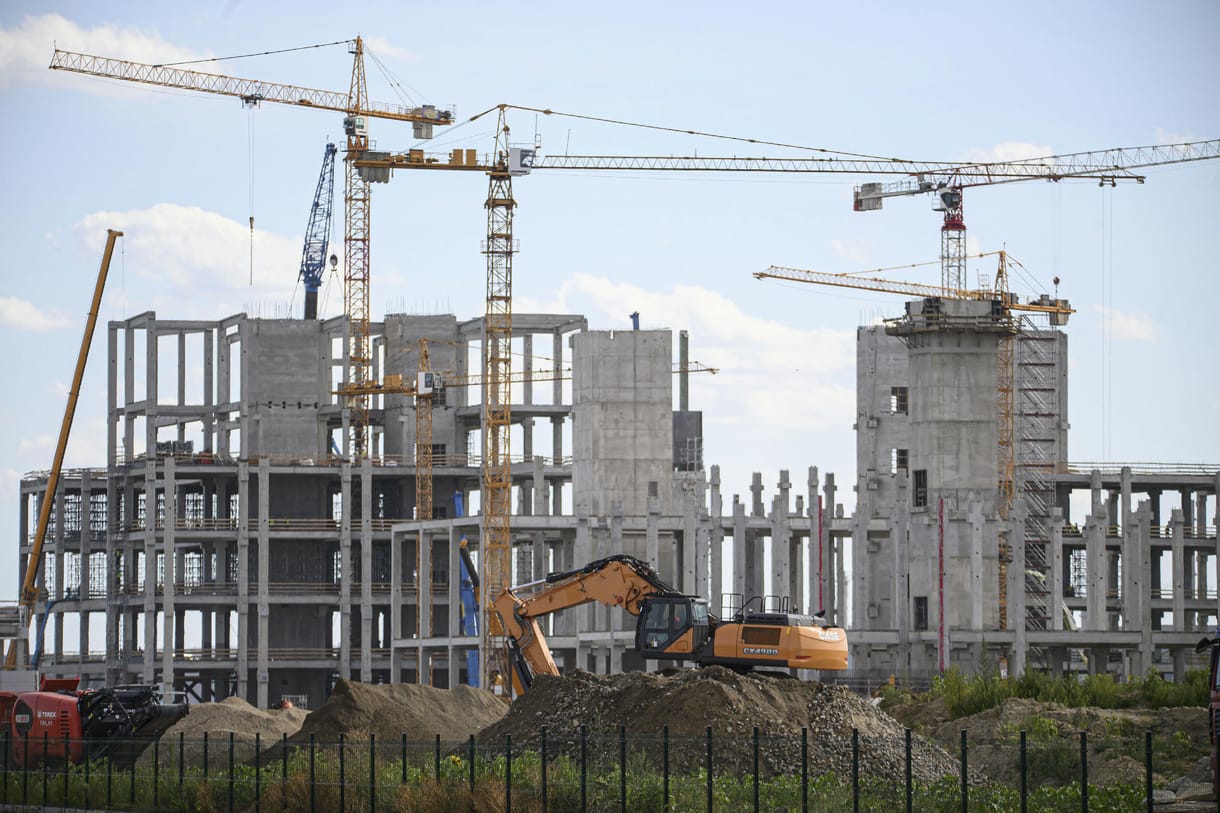
Cyclib does confirm that the Bavarian plant will mechanically process end-of-life EV batteries into black mass, which will then be supplied to Cyclib’s hydrometallurgical recycling facility currently under construction in Dormagen, North Rhine-Westphalia. There, the material will be refined into battery-grade raw materials including lithium, graphite, nickel, cobalt and manganese.
The company says repurposing an existing industrial site reduces both the environmental impact and the time required to bring new recycling capacity online. Cylib expects to gradually ramp up operations in cooperation with authorities, equipment suppliers and customers, with full capacity targeted by the end of 2027.