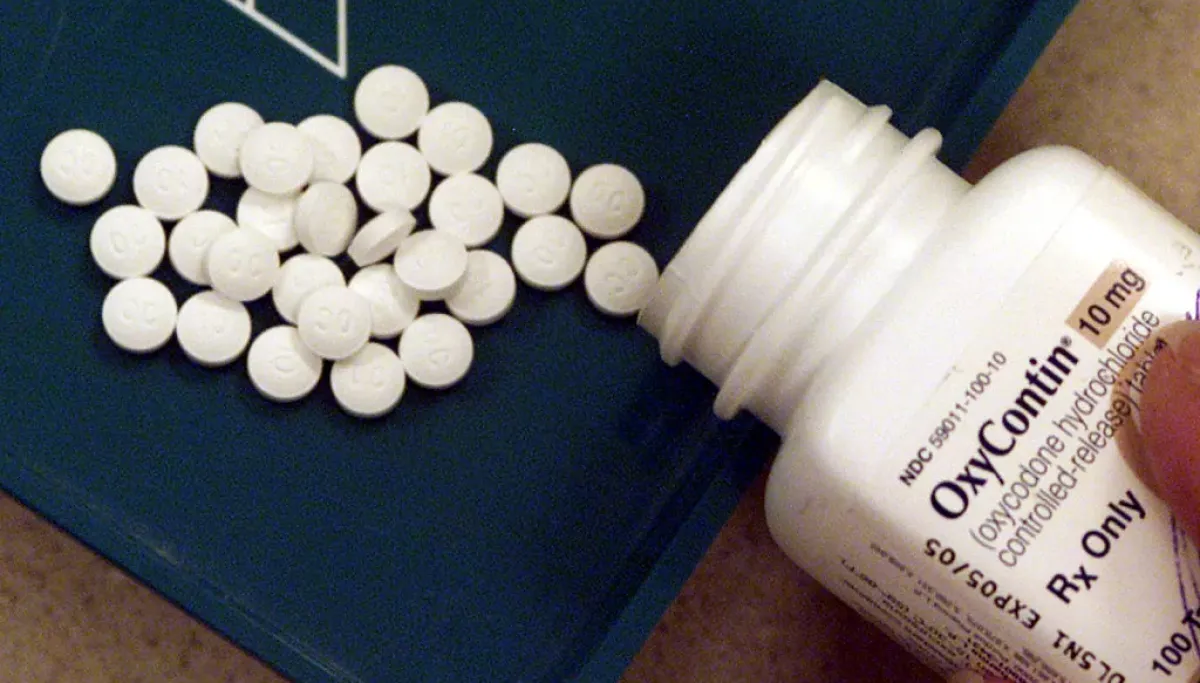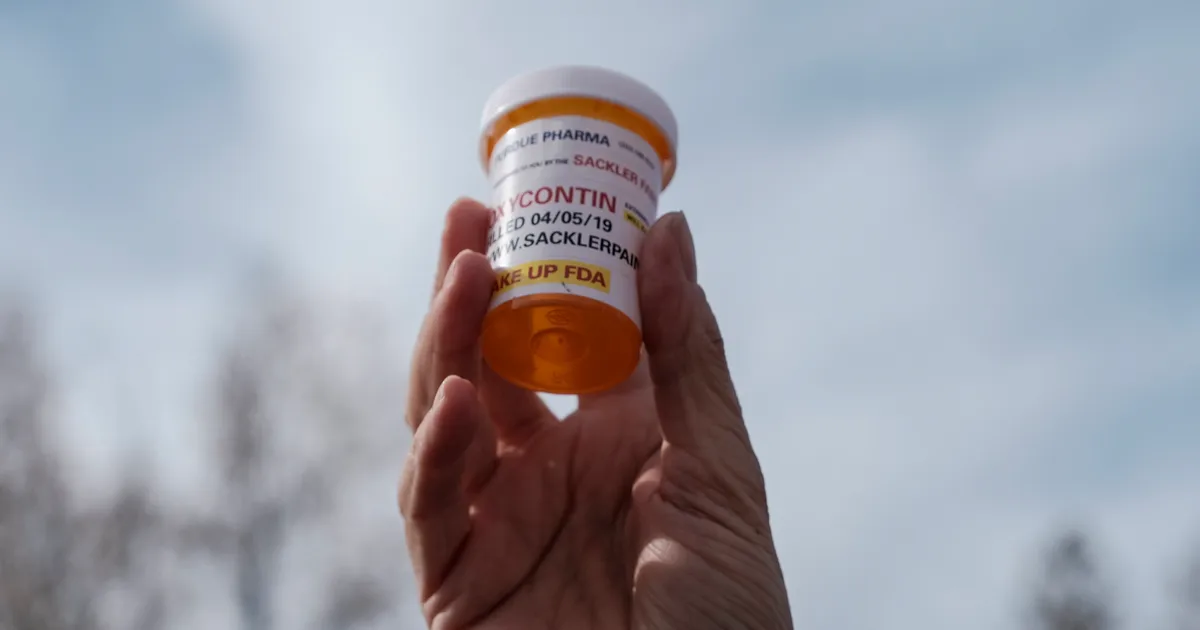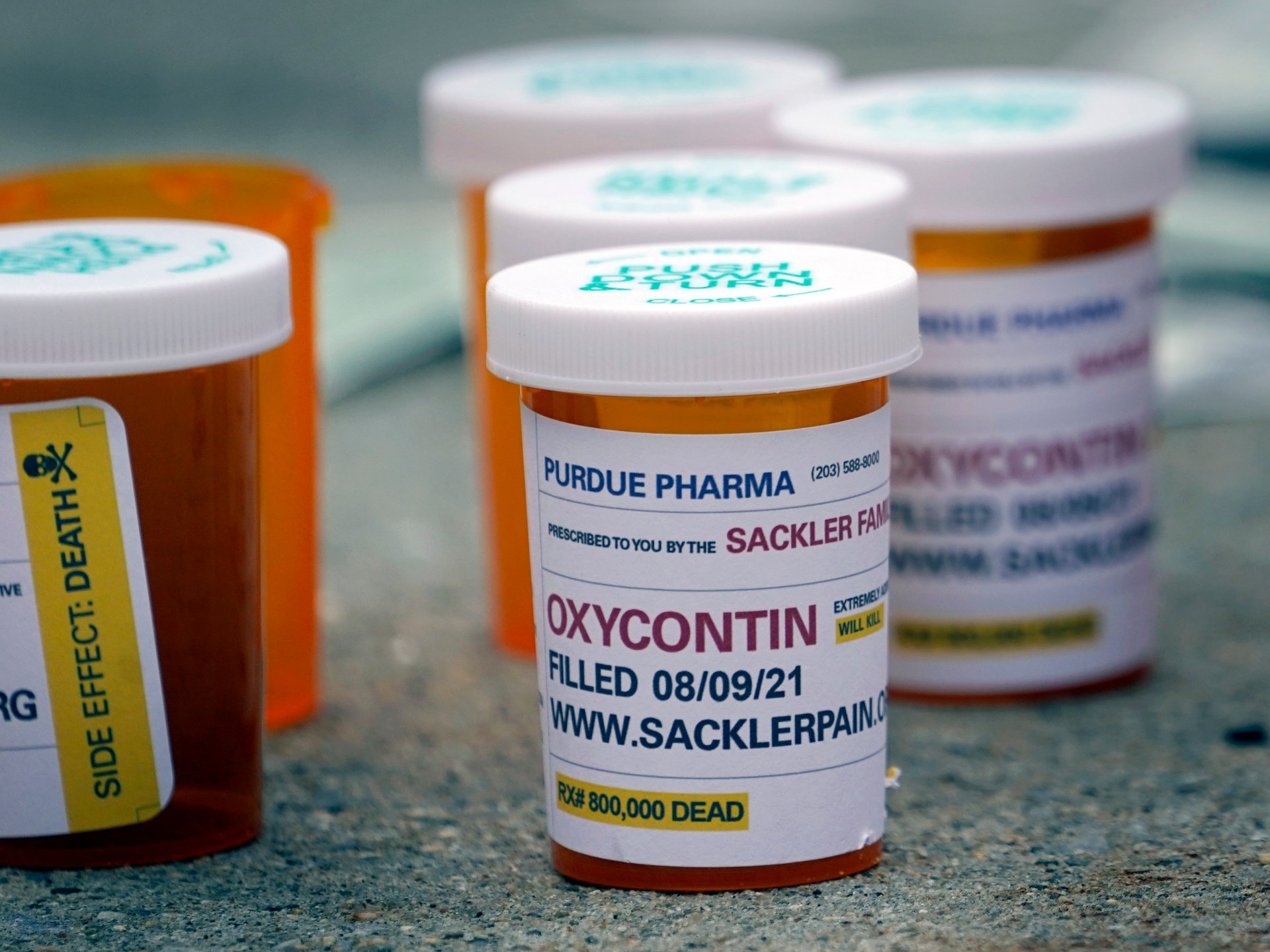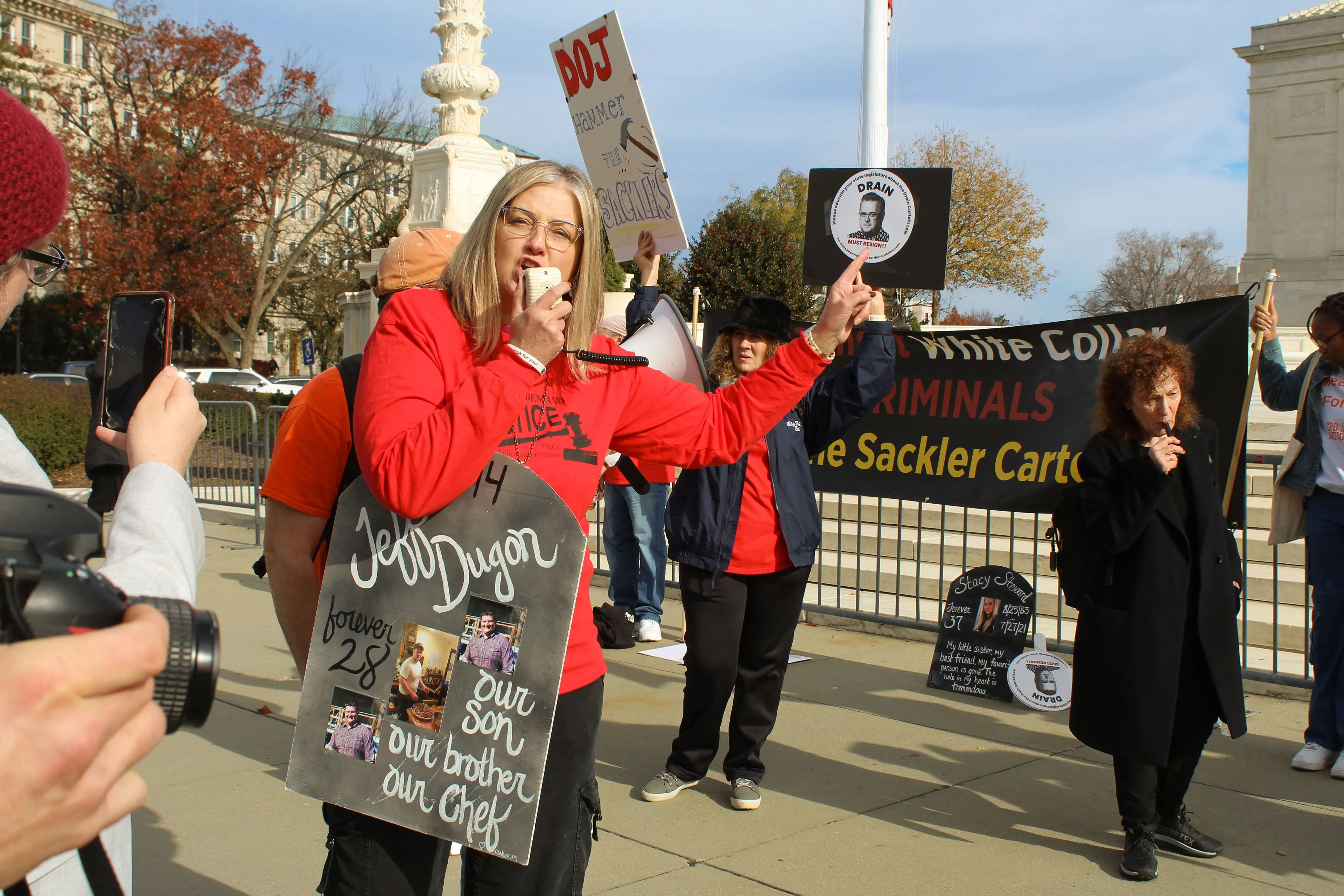
Companies accused of recklessly marketing and distributing prescription opioid painkillers are paying roughly $58 billion to settle lawsuits over their role in fueling the addiction crisis. It’s a pot of gold eyed by addiction treatment providers, companies creating the latest opioid-related products, and government officials struggling to balance budgets.
Nearly half of that money is going to local governments, to be distributed by county commissioners and city councilors. The idea is that local leaders know their communities best and can do justice to these payouts, often described as “blood money” by people who’ve lost loved ones to an overdose.
But many local leaders have little to no training in addiction policy and may lack robust local health departments and policy guardrails to assist them.
That has resulted in spending decisions that many clinicians, researchers, and addiction recovery advocates say are unlikely to save lives or treat substance use disorders.
In New York, where about 46% of the opioid settlement money is directly controlled by local governments, counties have spent tens of thousands of dollars on surveillance cameras, technology to help police access data on locked cellphones, and goggles that simulate being drunk, according to public records obtained by the nonprofit advocacy group Legal Action Center and shared exclusively with KFF Health News. Though the purchases were likely legal, many people consider them a slap in the face because they don’t directly help people struggling with addiction or their families.