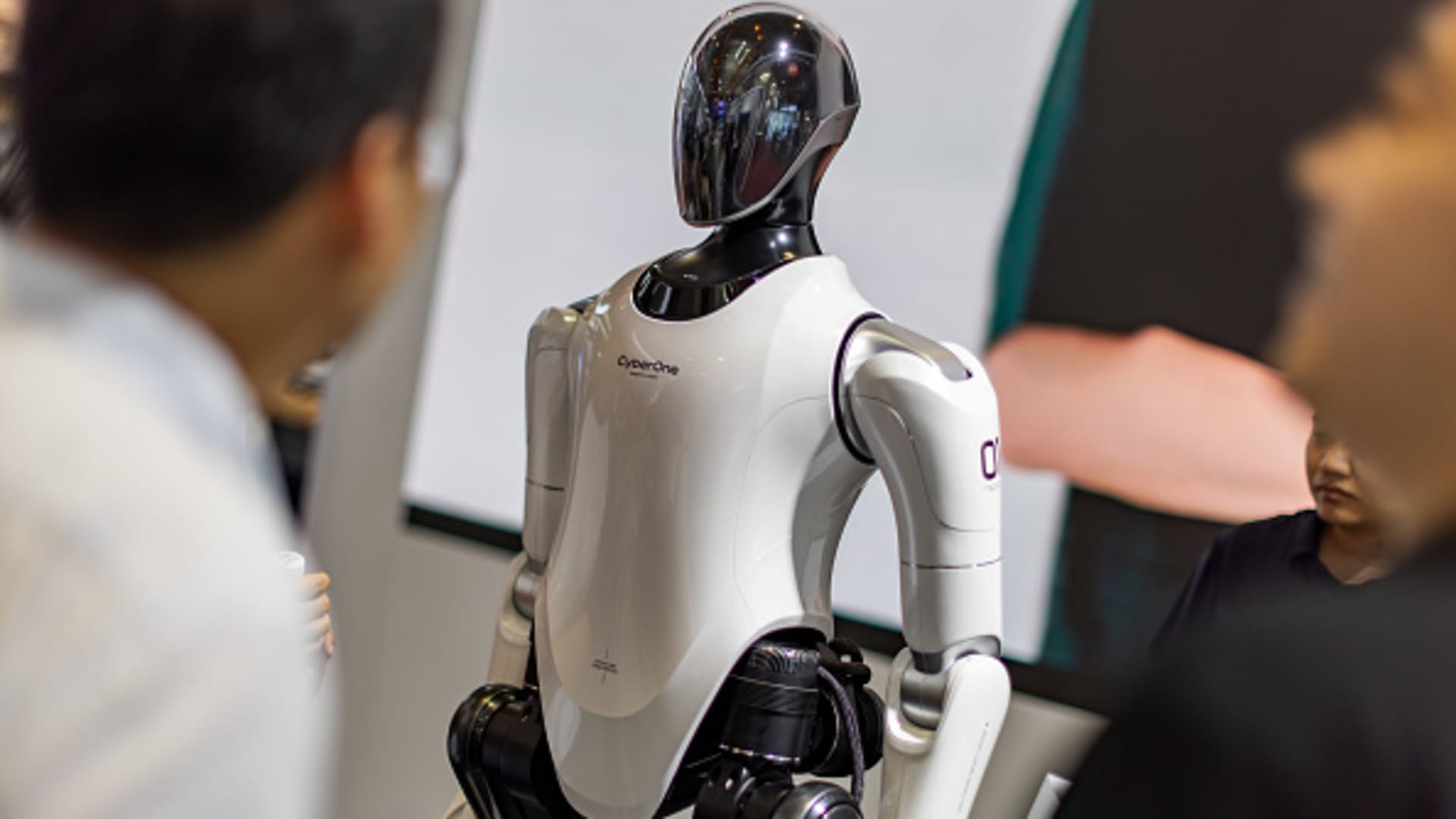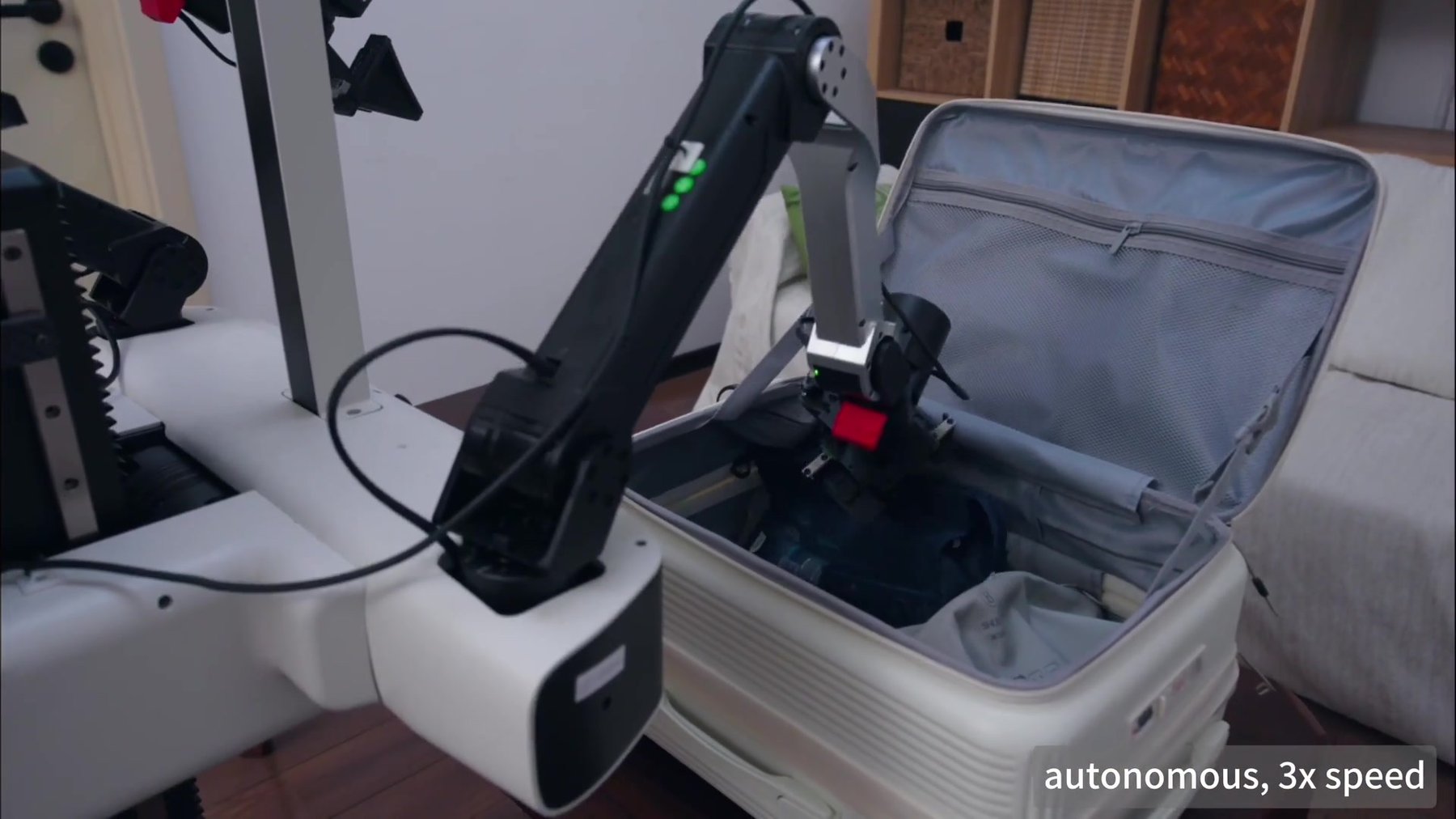
That's the gap Xiaomi-Robotics-1 is trying to close. The model is designed to follow spoken or written commands in unfamiliar environments without prior exposure and adapt to new tasks with little extra training.
A handheld gripper replaces expensive robots
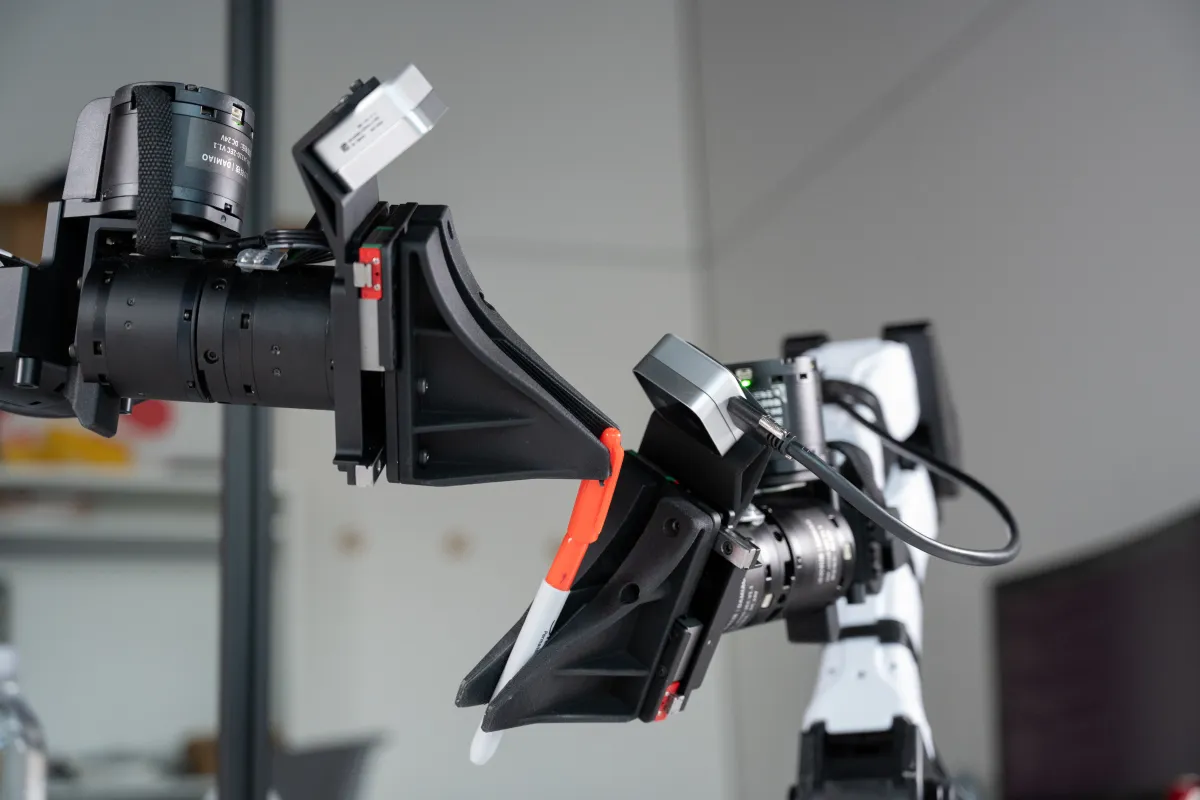
To get around the data bottleneck, Xiaomi mostly ditched real robots during data collection. Instead, the team used portable handheld grippers with attached cameras that a person simply picks up and operates by hand. This setup lets you record manipulation tasks in kitchens, offices, stores, factory floors, and outdoor spaces without a robot even being present. The result was over 100,000 hours of motion recordings.
The pretraining data comes from about 100,000 hours of UMI recordings across more than 1,700 different environments. | Image: Xiaomi
A dataset that large creates another problem because each recording needs a description the model can learn from. Labeling it all by hand wasn't practical, so Xiaomi used another AI model to describe each motion segment in text. The team says it labeled the full dataset in about two weeks.