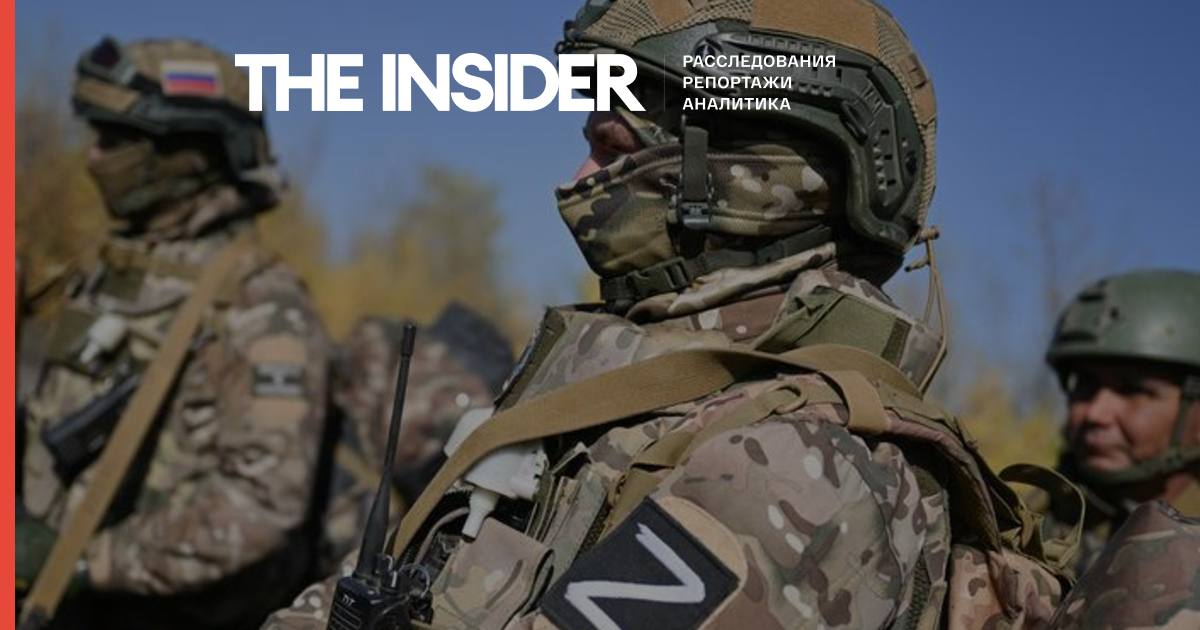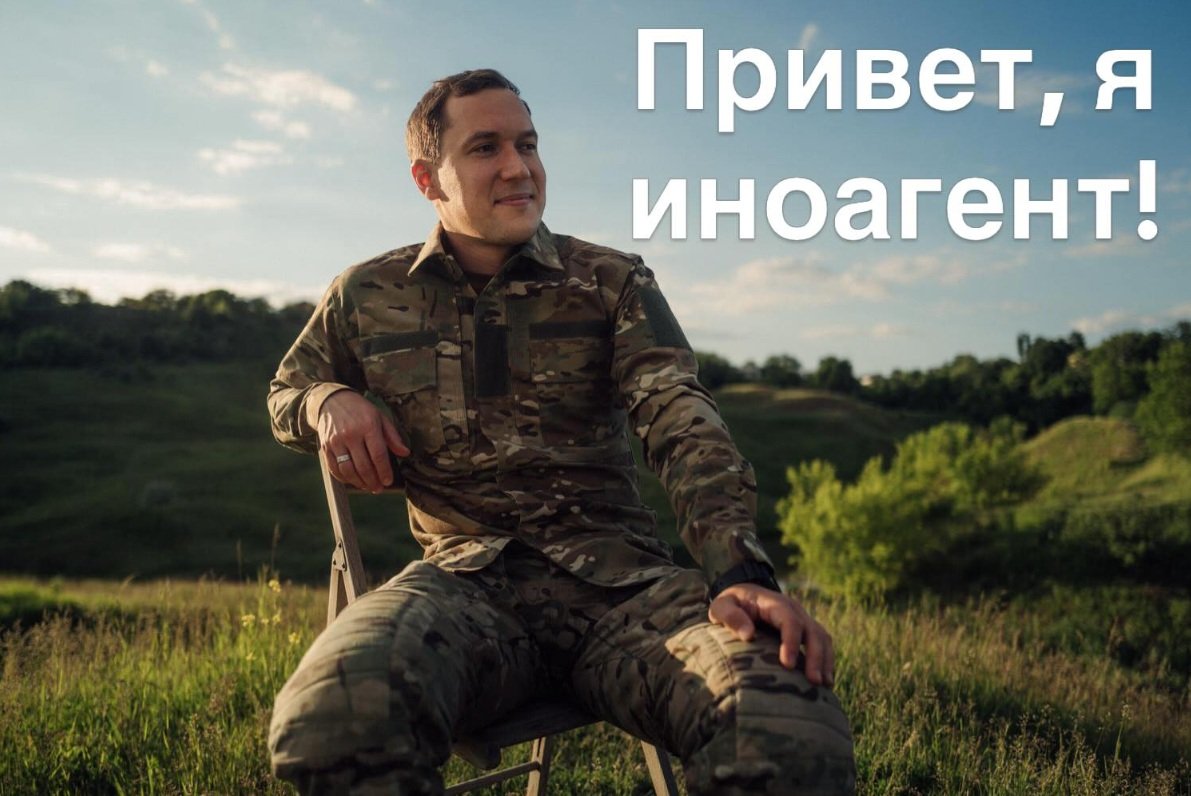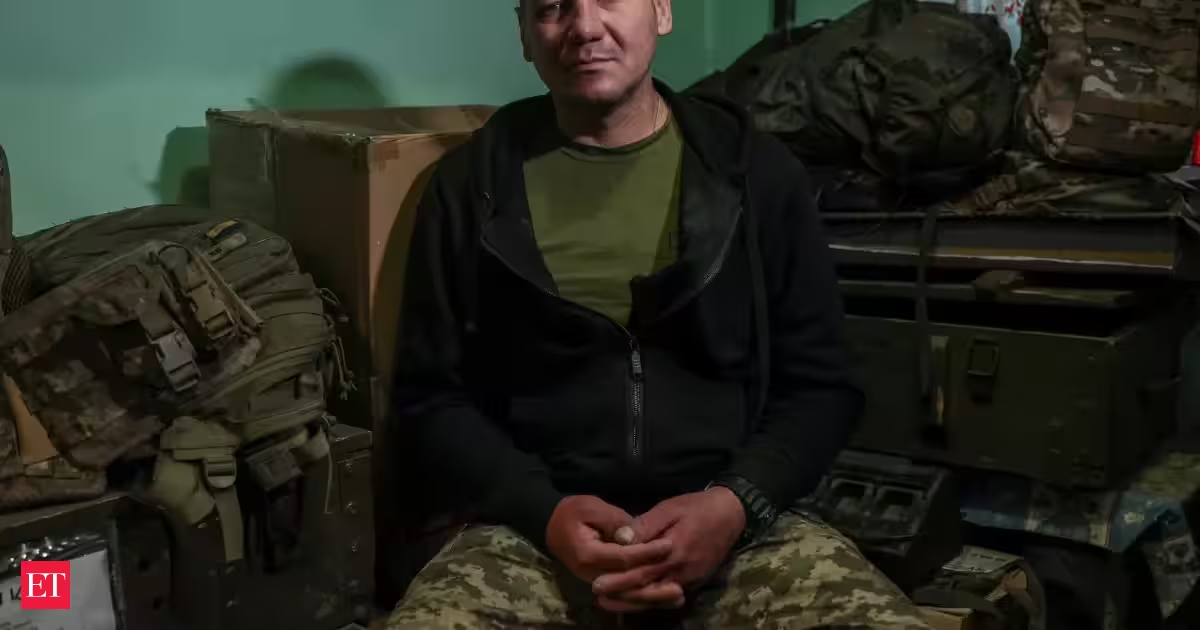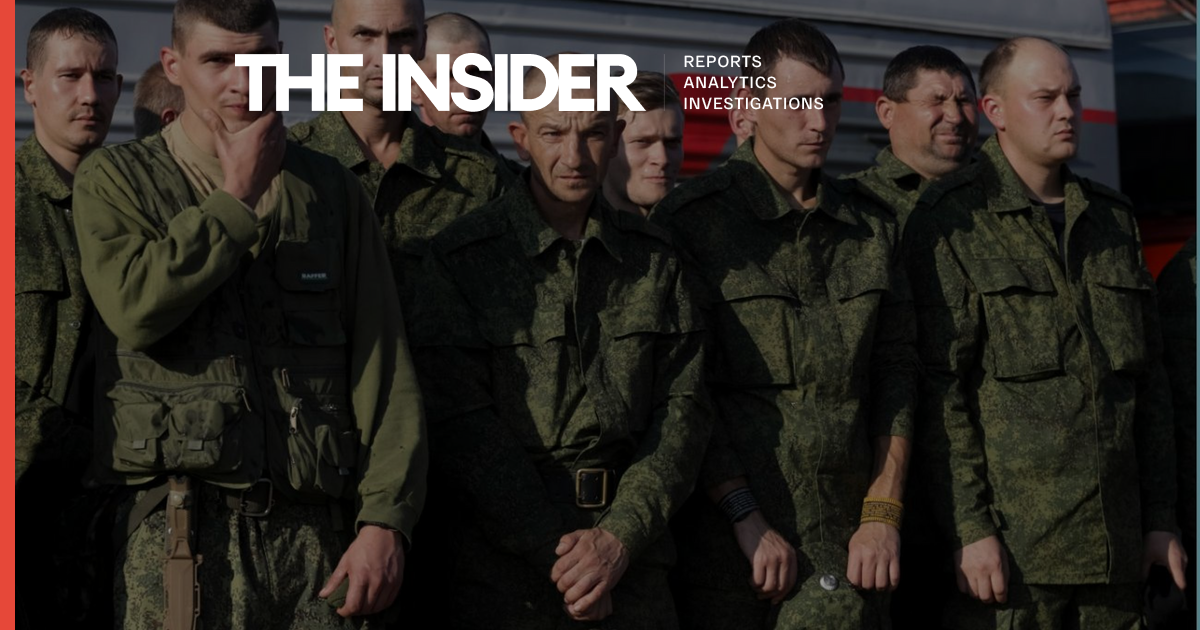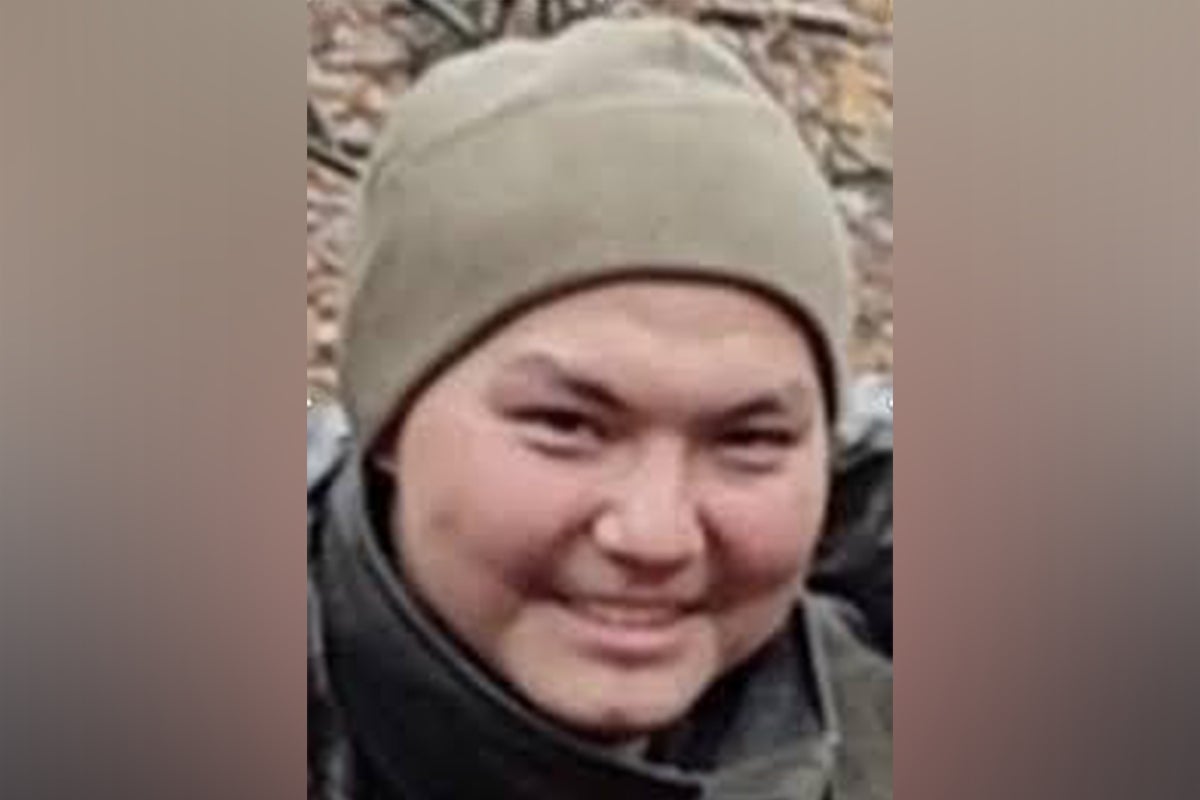
Andrei Chernenko, a junior sergeant from Russia’s 76th Guards Air Assault Division who fled the army, told The Insider about his work at the headquarters of the so-called “Pskov Division” — notorious for committing war crimes in Bucha. Among other things, Chernenko described how troop numbers are inflated to reassure the higher-ups in Moscow, how people bribe their way out of participating in assaults, what kind of gaps there are in the security system, and how high Russia’s actual battlefield losses might be. Contents1.How to stay at headquarters for $6,5002.Targets with Zelensky’s face3.“People who handle the staffing list cheat a lot”4.“Security exists, but it’s a formality”5.How they search for deserters6.Leave and business trips7.The escapeHow to stay at headquarters for $6,500My name is Andrei Chernenko. I was born in the Voronezh Region. I am 23 years old. On March 26, 2025, I signed a contract at the "Batyr" recruitment point. I joined the army because of pressure from my stepfather. One day he got very drunk and wrecked my whole room, shouting that I wasn’t a real man — that I had done nothing useful with my life. I thought: “I’ll go to the front and he’ll see what kind of man I am.” To this day, I don’t understand how I fell for that provocation. I also had some financial obligations to my grandfather — I had borrowed more than a million from him. He didn’t pressure me or ask me to repay the debt urgently. But the incident with my stepfather caused me a lot of stress, and I couldn’t find another way to solve my problems. I went to Kazan to sign the contract because at that point that region offered the largest payout, and I figured that if I were killed, my grandfather would get more money.I found out later that the people selecting contract recruits take a cut from it: for each person who signed a contract, they received 100,000–120,000 rubles.Three or four days after signing the contract, we were issued military ID books and VPDs and were sent to Pskov — to military base 07264. As a private, I was assigned to the reserve airborne battalion of the 76th Guards Air Assault Division. In September 2025 I was promoted to junior sergeant and appointed squad commander.In practice, this reserve airborne battalion turned out to be a rather nominal unit: it consisted either of those who had been wounded or those who performed support functions in the war — the chief of staff’s driver, instructors, people who unofficially tracked down AWOLs.Extract from unit commander’s personnel order confirming Andrei Chernenko’s arrival at military base 07264Initially, I was supposed to be recruited by the UAV forces. When you fill out your military service application, you need to indicate previous employment. I had studied at Yury Gagarin Saratov State Technical University, though I didn’t finish it. Until April 2024 I worked at an IP telephony company called SIPUNI, so they decided I was a good fit for UAV operator training.Those who were wanted for UAV battalions were added to a Telegram group called “UAV 2025.” All reservists from various recruitment points who potentially fit the criteria were invited. It should be noted that recruitment points have guidelines against sending 18- to 25-year-olds to assault units. But in military units, that rule no longer applies — the roulette wheel spins, and you end up wherever you’re needed. That’s what happened to me.Andrei Chernenko’s military Two guys who traveled with me to Pskov were sent to the village of Cheryokha in the Pskov Region. I didn’t understand why at the time. But later, once I’d figured out how this sorry army works, I understood: they first select people by one criterion, then distribute them by another — wherever you fit best. The guys were assigned to military unit 32515. From there they were sent as assault troops to Ukraine, only to be killed in one of those assaults.At the military base in Pskov, I immediately got to know the people I would be interacting with during my time at headquarters — deputy battalion commander Ipatov, recruitment coordinator Malanchenko, Lebedkova (head of mobilization and force management at headquarters), and junior lieutenants Leshchenko and Bilyashevich. We were billeted at the base, and they started explaining how things worked.For a week, I went to headquarters every day. On the seventh day, Bilyashevich came up to me and said: “Let’s go for a walk.” He started quietly pitching me on staying at headquarters, but hinted that it wouldn’t be free. He initially named a sum of 200,000 rubles, then more. When the first money came in — the Ministry of Defense payment for signing the contract plus the regional payment — I first sent him 100,000, then another 400,000, and he said: “Okay.”Later I found out I wasn’t the only one he had run this same scheme on. My fellow serviceman Vladimir Taranenko told me how he ended up at headquarters and how much he paid. Word was that some of this money went to “Tucha,” meaning Captain Sergei Chubenko, head of the mobilization and force management department.Targets with Zelensky’s faceAfter this conversation, we were sent to exercises — first to a training ground in Lutuhyne in the [Russian-occupied part of] Luhansk Region, where personnel from all regiments of the 76th Division trained. In the nearby settlement of Myrne, armored vehicles used for training were kept.When we arrived there, I was immediately sent to the division command post and tasked with handling the paperwork for reservists: we collected documents on them, counting how many had come through since the start of 2025. It turned out to be around 2,000—2,500 — that is, 26 rotations had passed through the Lutuhyne training ground alone. While I was dealing with the documents, the guys who came with me went to train.Lutuhyne was relatively tolerable: there was a TV, a Starlink terminal. There was even a telecom tower 700–800 meters away. Drones often flew at night. Toward the end of the week I was told to get together with the guys I had arrived with. We were all billeted in a bunker. There were about 10—12 bunkers situated about 500—600 meters from the command post. They also had Starlinks inside. At night we were sent to shooting practice, even though the last time I had held a rifle was in school.The next day we were sent to what they called “Peski” — the exact location was hard to find out. Everyone had their phones taken away. As I later found out, this was done because someone had filmed everything happening inside this training ground. And what was happening there was hell. The training ground was in a forest and was under construction — that is, we were supposed to be building it for about 20 hours a day.What did it look like? Reveille at 04:00, drills until 14:00, work detail from 14:00 to 19:00, then duties. Two weeks of this. At “Peski,” there were convicts working alongside regular guys aged 18–25. Many had physical impairments. The training ground had targets with Zelensky’s face on them.At “Peski,” there were convicts working alongside regular guys aged 18–25. Many had physical impairmentsOn our last day there, recruiters from the unmanned systems battalion arrived. They started selecting people based on the criteria: higher education, under 30 years of age, understanding of how technology works. I was selected too, but I declined because I had an arrangement with Bilyashevich to work at headquarters.During my time at the training ground, I kept in touch with him. Since using the phone was forbidden, I could only check it at night when I went to the toilet. We corresponded through a secret chat on Telegram, with him telling me where and how much to transfer. I transferred with the comment: “For the car.”“People who handle the staffing list cheat a lot”On the 14th day at the Peski training ground, we were gathered and sent back to Lutuhyne. After one day there, we left for Zheleznogorsk in the Kursk Region, where the division was defending the state border at the time.After Zheleznogorsk, I was transferred back to Pskov and assigned to headquarters — the mobilization and force management department, where I handled сombat personnel and equipment strength reporting. But in the end I was assigned to compile the daily order.Windows of the mobilization and force management department at headquarters, military base 07264, PskovThe headquarters is an office at a military base. You come in at eight in the morning and leave at ten in the evening. When I first arrived in Pskov, Svetlana Lebedkova was in charge. Under her leadership, the work schedule was more or less observed, and the atmosphere was tolerable.Then Denis Varakin arrived. He had previously been acting chief of staff at military unit 32515 of the 104th Regiment — the one that was in Bucha. Varakin set his own rules — he didn’t care about schedules or people. For any screw-up, he threatened to send you to the assault troops. He often said he would cut off my eyebrows and send me home in a coffin. If you were working inefficiently or less than 20 hours a day, you could easily be thrown into an assault. There was one officer in the 104th Regiment who handled the “staffing list,” meaning personnel work. He didn’t show up for duty for one day — he went to his mother’s grave — and was immediately thrown into an assault.For any screw-up, Varakin threatened to send me to the assault troops, or to cut off my eyebrows and send me home in a coffin
“He saw a document — 19,500 losses from the Airborne Forces”: Confessions of a Russian headquarters sergeant who fled the front
Andrei Chernenko, a junior sergeant from Russia’s 76th Guards Air Assault Division who fled the army, told The Insider about his work at the headquarters of…
3,737 words~17 min read