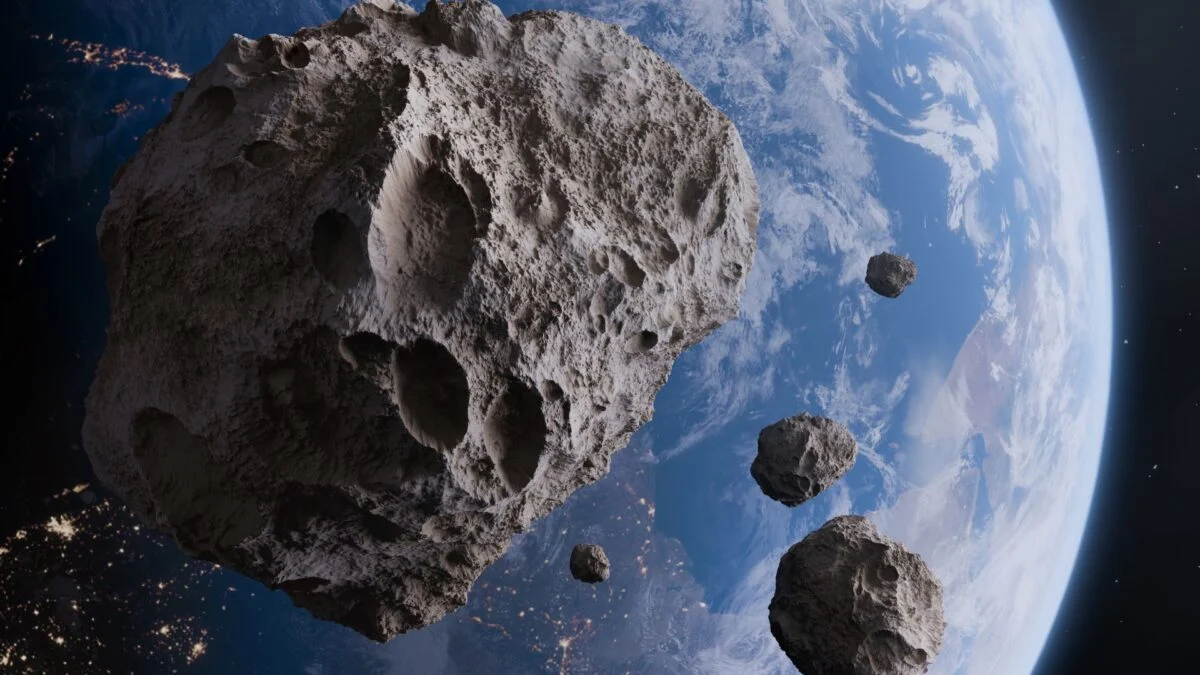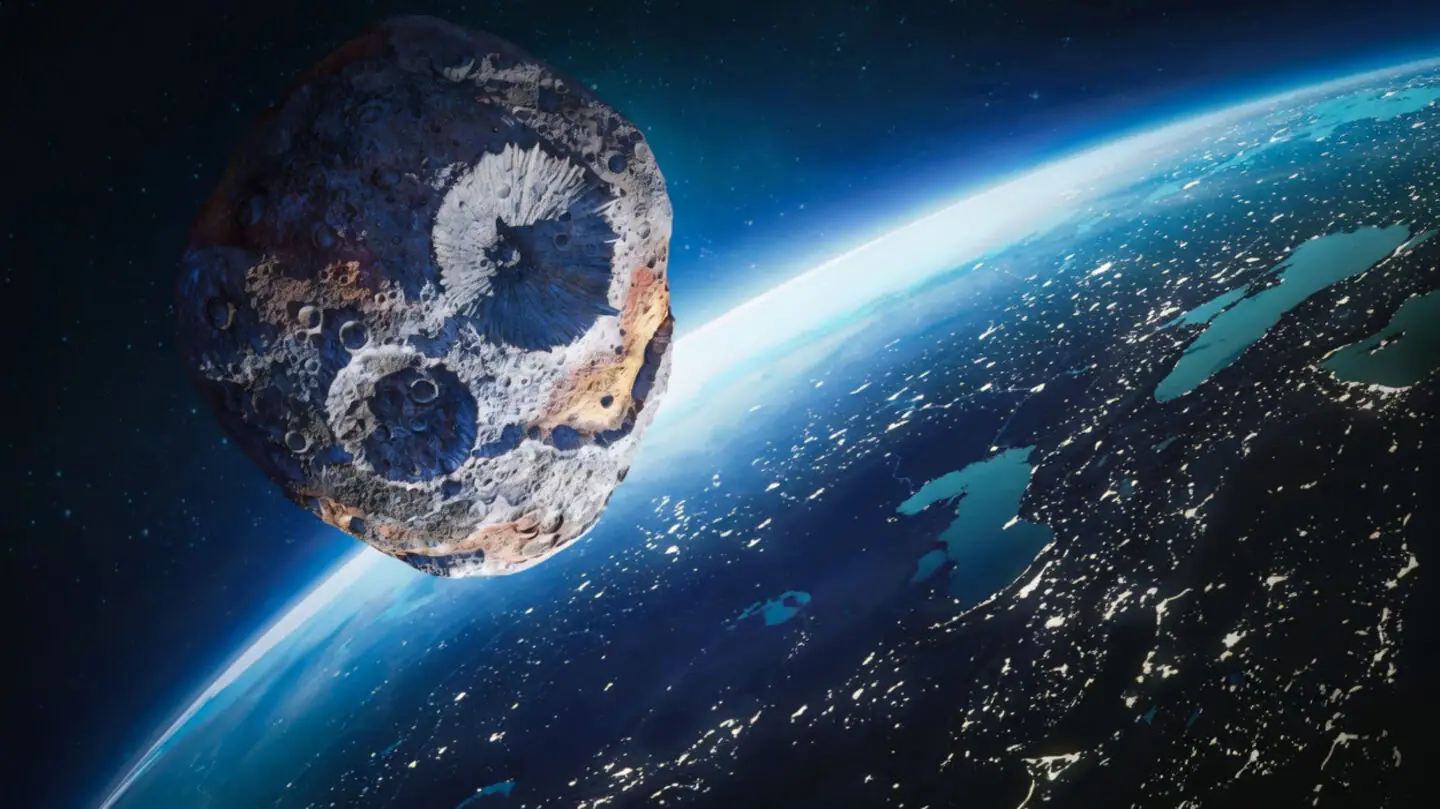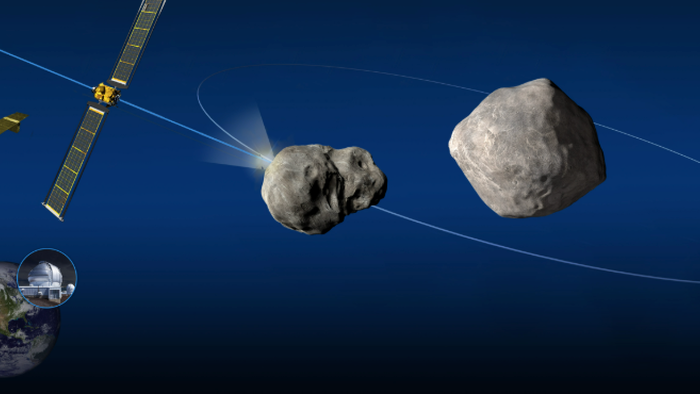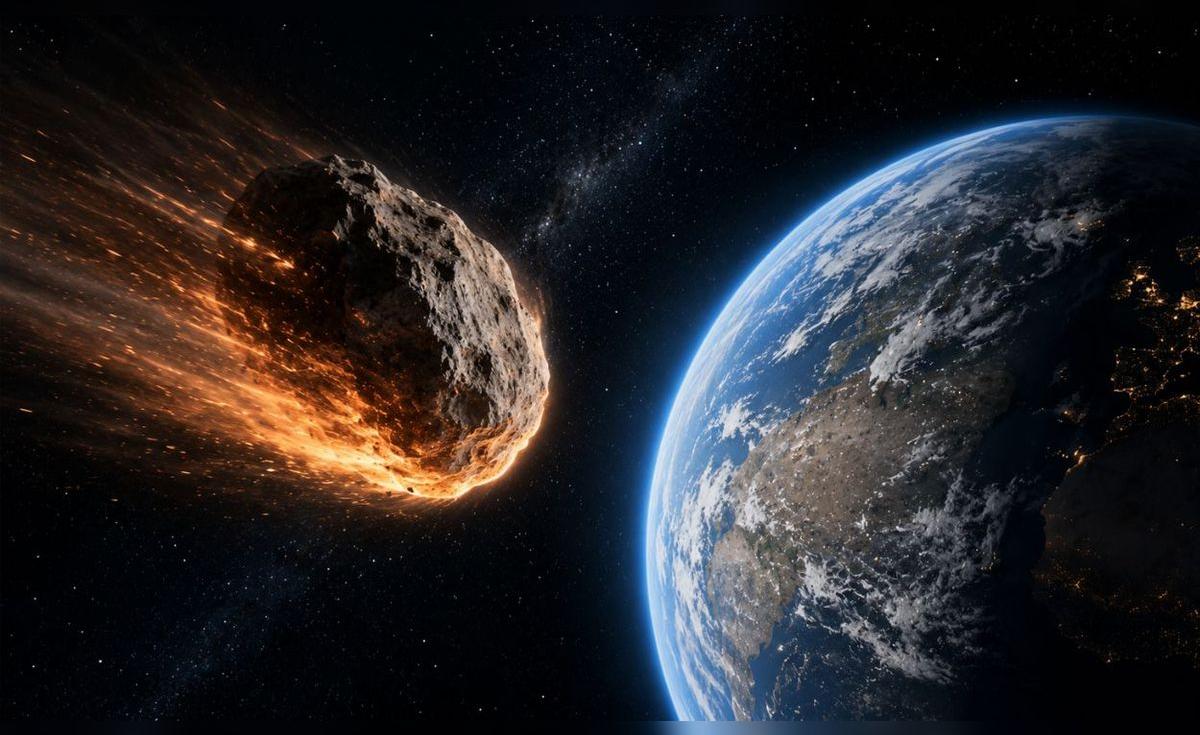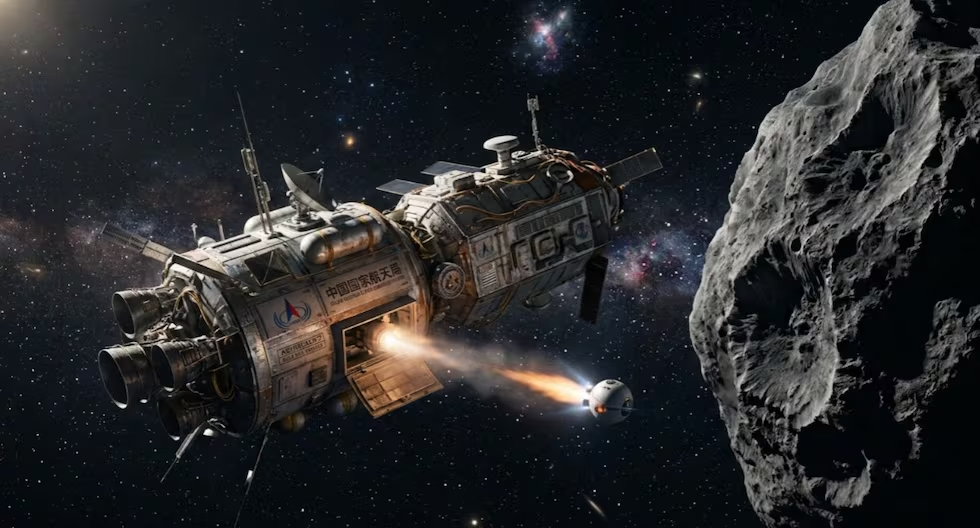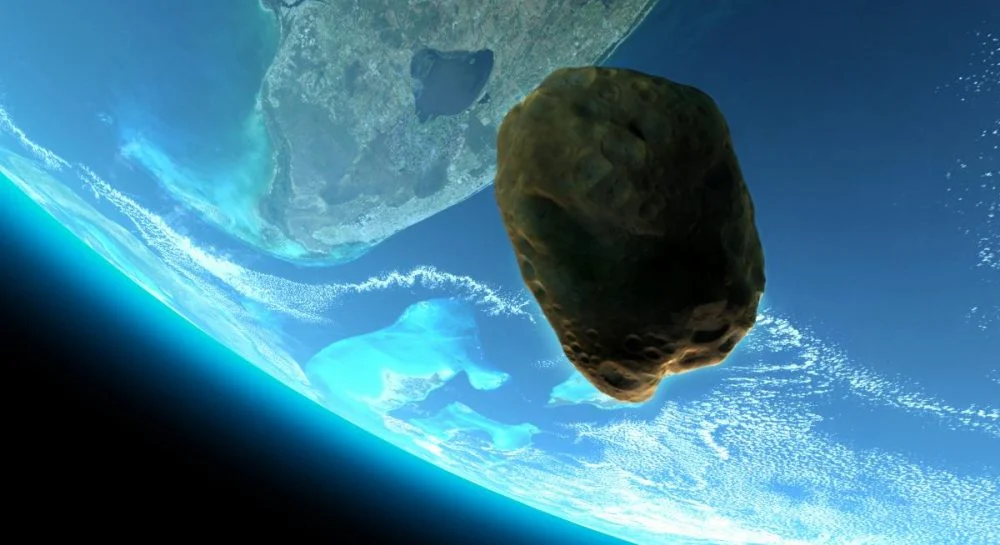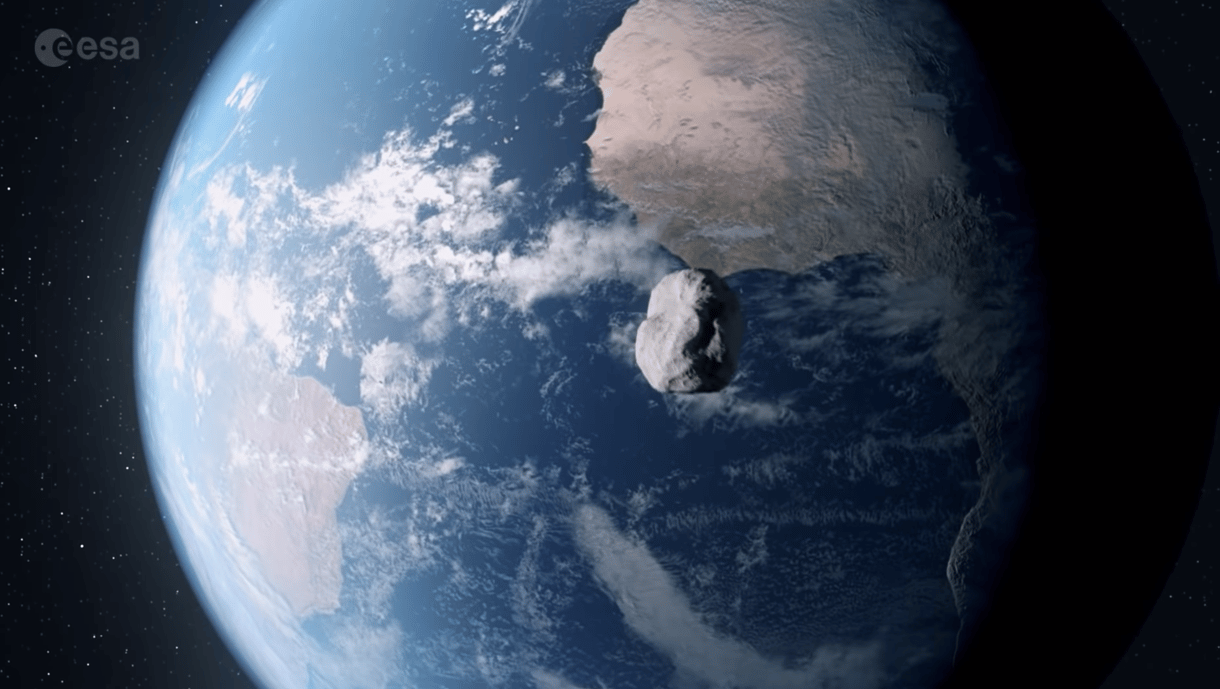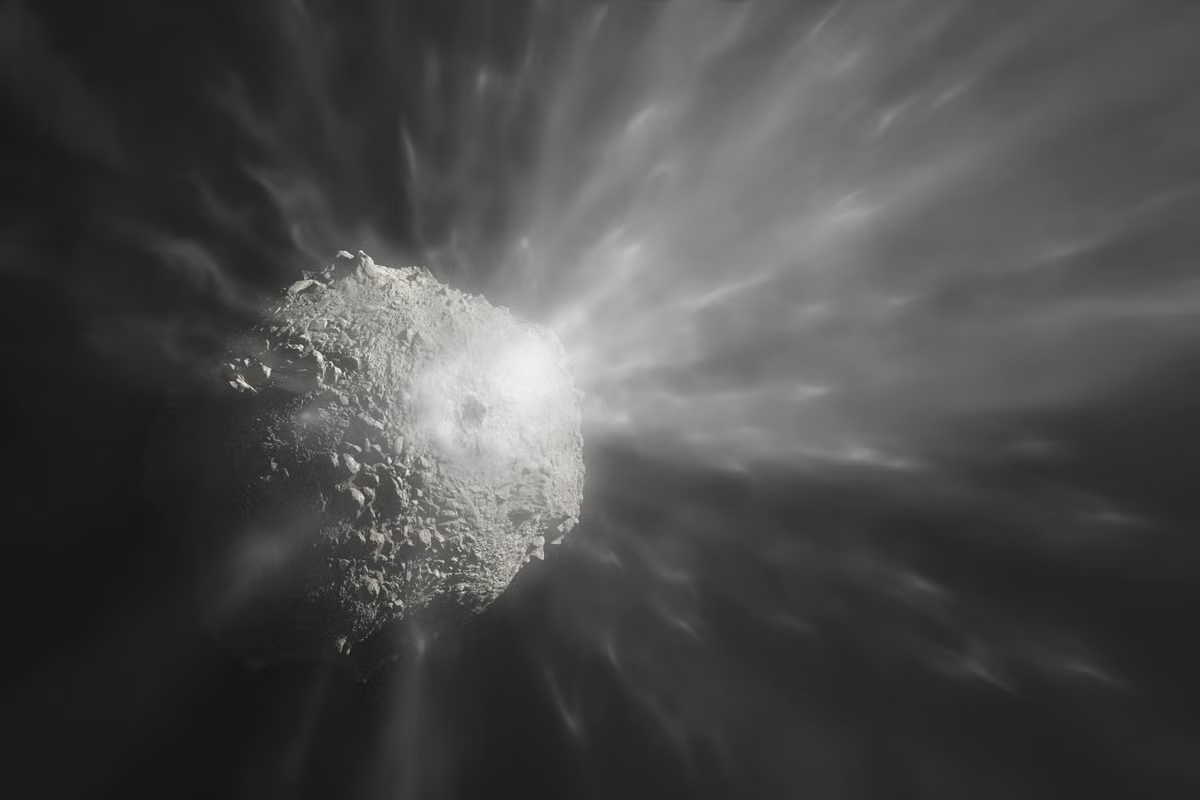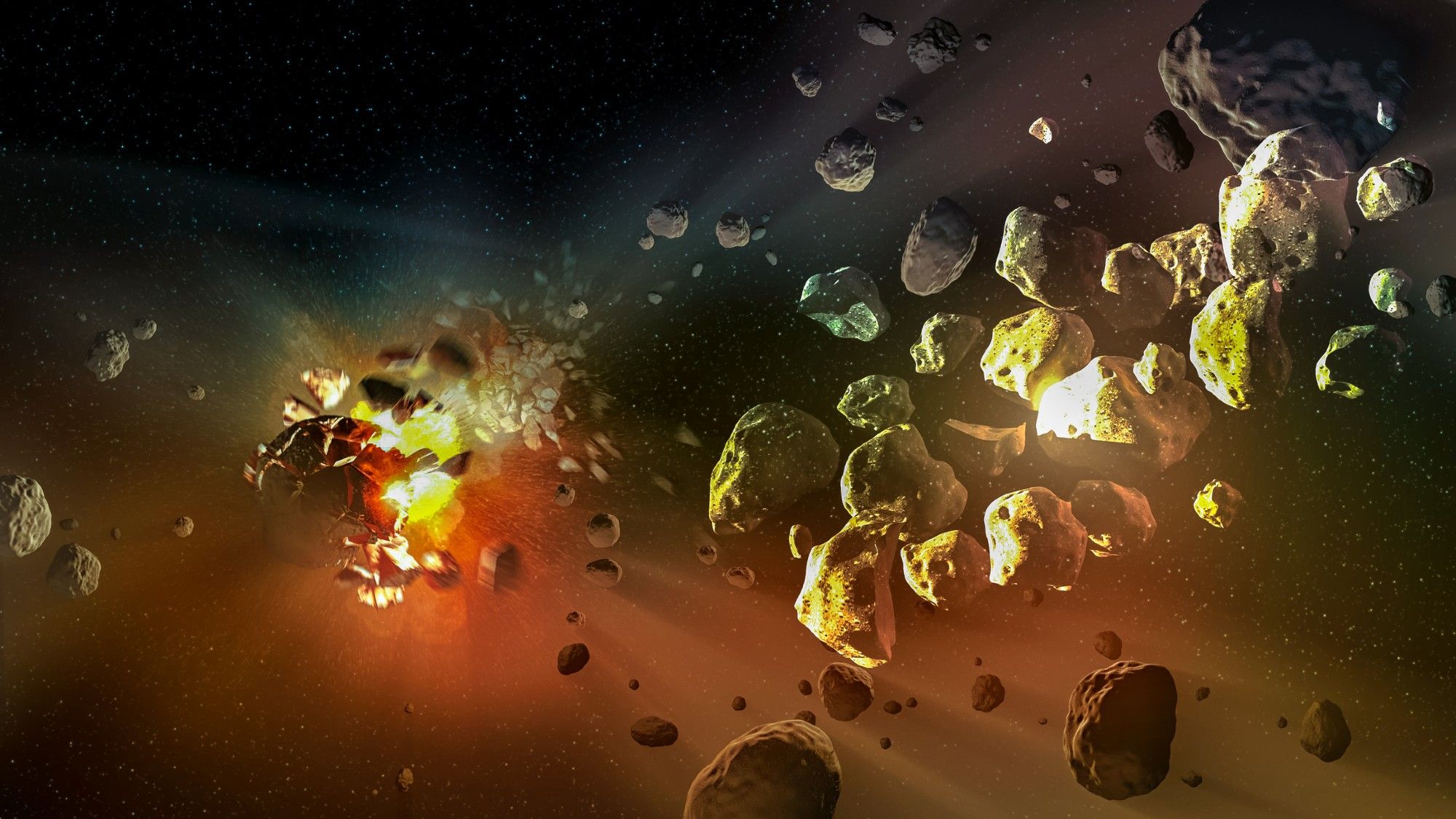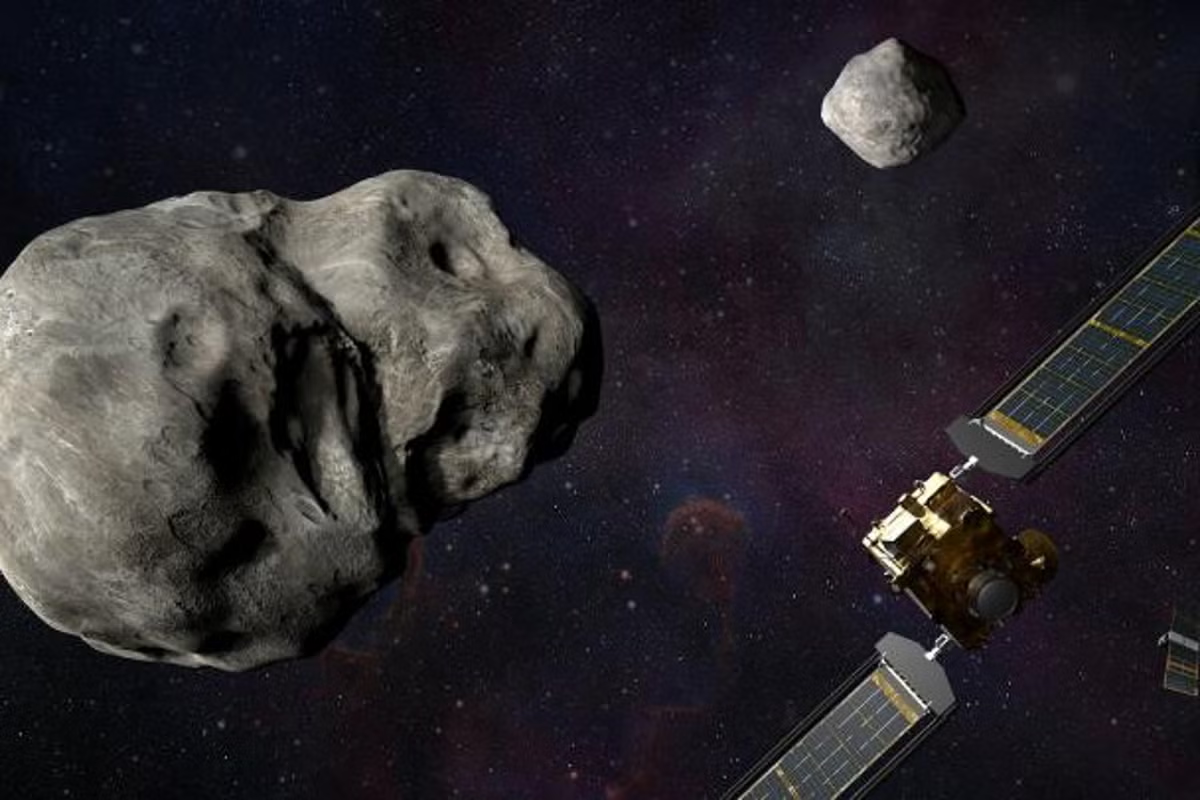
Chinese astronomers are planning to crash a spacecraft into an asteroid by 2030 in a test of methods of defend the Earth from potentially cataclysmic space rocks.Nasa’s 2022 Dart test successfully shifted the asteroid Dimorphos onto a slightly altered path around the Sun. The Chinese mission instead aims to directly alter the orbit of a 30m-wide asteroid and break apart its structure.Researchers say such asteroids could potentially threaten our civilisation if they collide with the Earth.The impact of a 1908 meteor in Tunguska flattened large swathes of Siberian forest, while the 2013 Chelyabinsk meteor airburst injured some 1,500 people.Chinese researchers intend to smash a spacecraft directly onto a small near-Earth asteroid, known as the 2015 XF261, which circles the Sun in an orbit similar to the Earth’s and is set to fly relatively close to the planet around 2030, making it an ideal candidate for the test. If the collision is successful, they will monitor how much it changes the asteroid's orbit around the Sun.A TV at Nasa’s Kennedy Space Center in Cape Canaveral shows the final images from the Dart test (AFP/Getty)The Chinese project, unlike the Dart mission, involves launching two spacecraft at once, according to a new study that is currently under review by the Journal of Deep Space Exploration. The Chinese would also attempt to strike a solid asteroid, again unlike the Dart mission, which hit a "rubble pile" space rock.“Dart was the first to demonstrate asteroid deflection by kinetic impact in space but it did not directly change an asteroid’s orbit around the Sun relative to Earth, making it different from a real planetary defence scenario,” researchers from the China National Space Administration note in the new study.One of the spacecraft will slam onto the asteroid at over 26 times the speed of sound while the other will observe the impact before, during and afterwards from a safe distance. The second probe will monitor the asteroid for years afterwards and beam images back to the Earth.It will carry cameras, spectrometers, and dust detectors to help crack long-standing mysteries about asteroids such as the nature of their surface rocks, gravity, density, internal layering, and any hidden minerals.Artist’s impression of the aftermath of spacecraft crashing onto an asteroid (Nasa)The two spacecraft will be launched together and separate soon after leaving the Earth, scientists say.The final impact manoeuvres of the spacecraft will happen autonomously, since relying on signals from the Earth would take too long.The findings, researchers hope, will help create the most detailed picture ever made of a small asteroid.“Such missions would provide an unprecedented opportunity to investigate the internal structure, composition, and mechanical properties of near-Earth asteroids,” the study notes.One major challenge, according to the study, is finding the target asteroid. 2015 XF261 has been observed only 74 times in the past decade.
China plans to smash spacecraft onto asteroid in major test to protect Earth
Scientists say the test will help create the most detailed picture ever of a small asteroid
466 words~2 min read