Tuesday 21 July 2026 9:11 am
| Updated:
Tuesday 21 July 2026 9:12 am
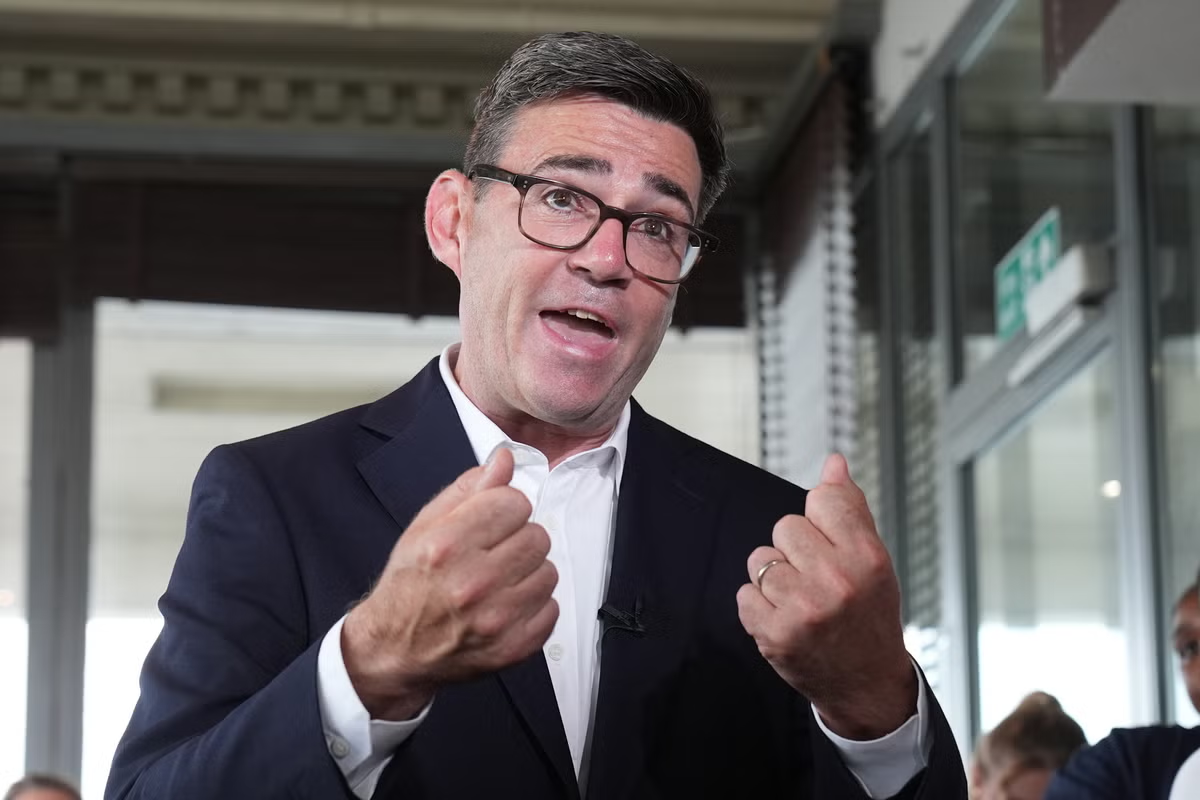
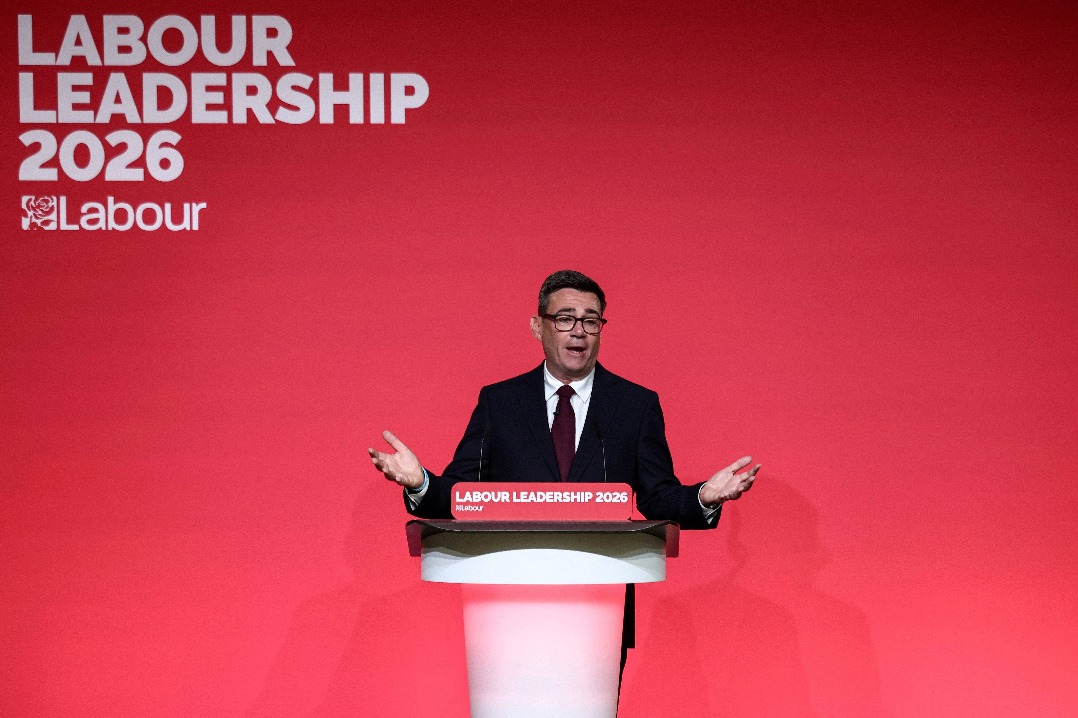
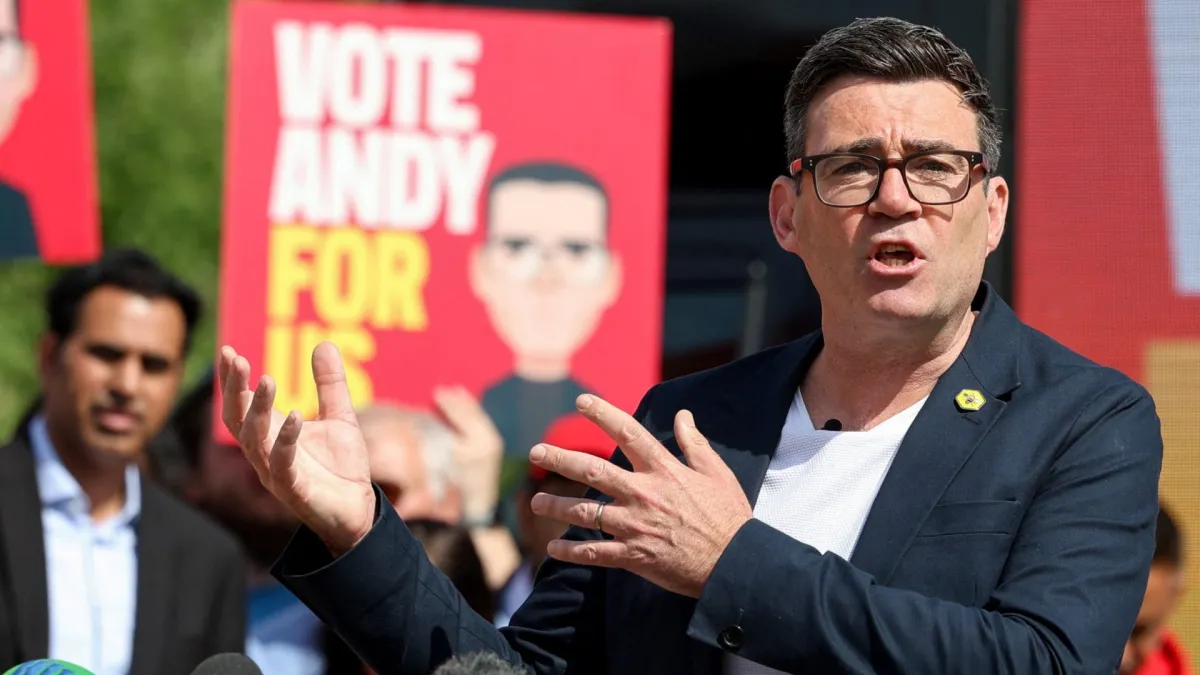
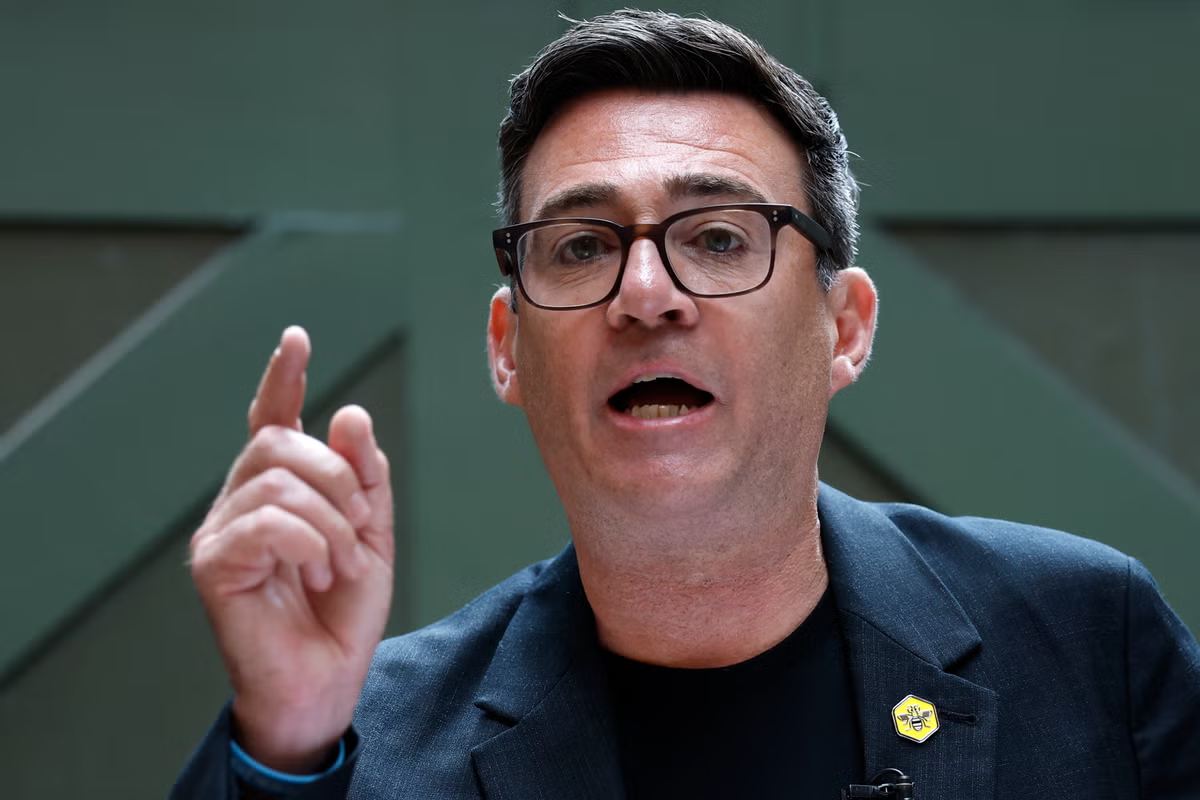
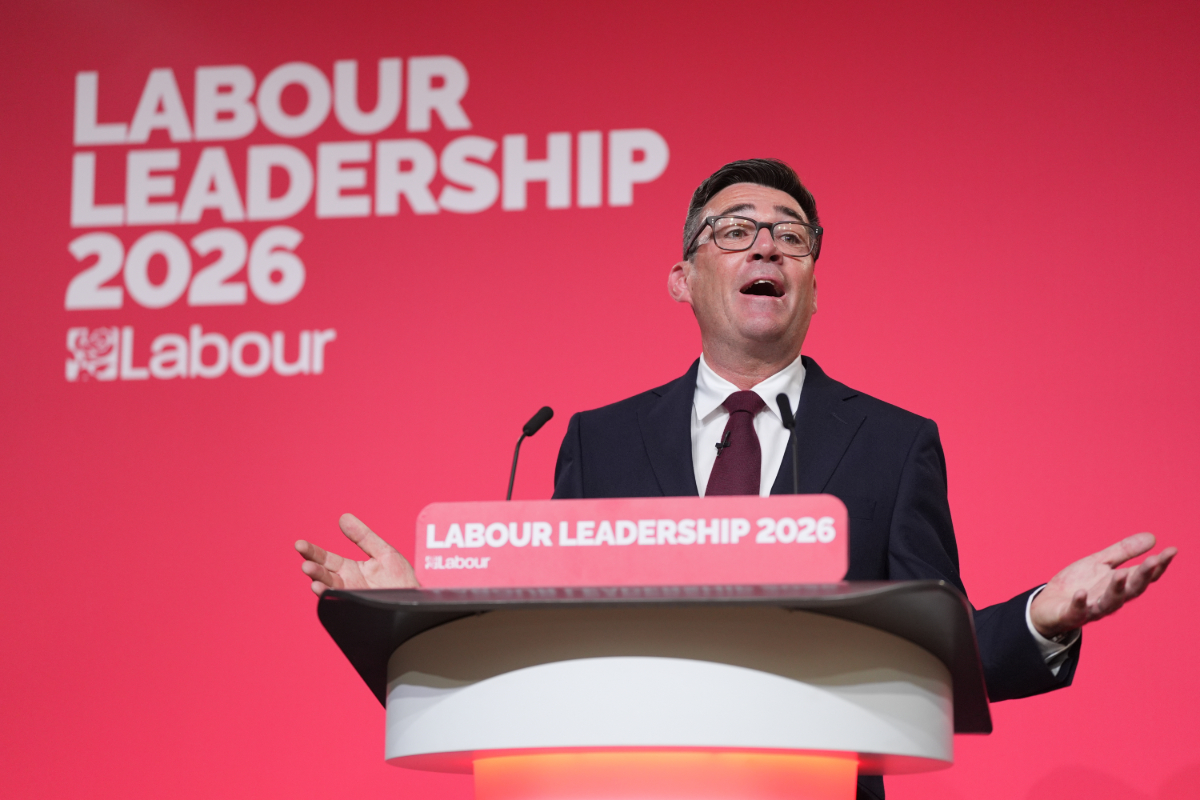
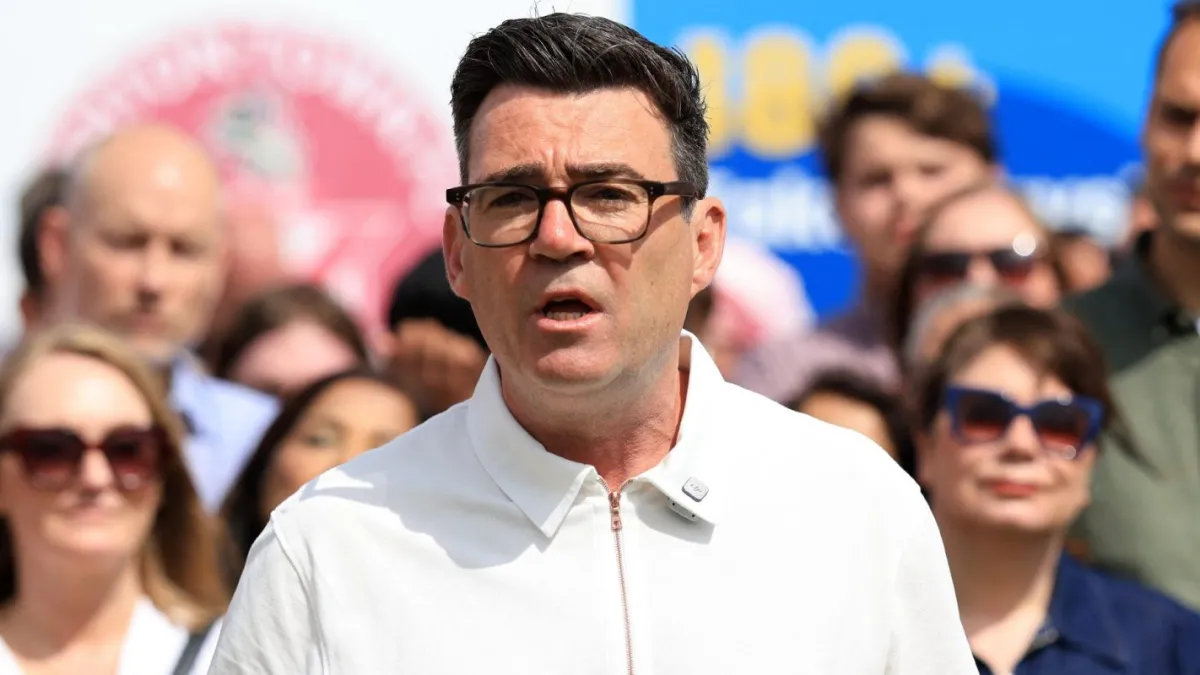
Andy Burnham MP arrives at Trades Union Congress, where he will give a speech after it was announced that he is to become the new leader of the Labour Party and Prime Minister of the United Kingdom on July 17, 2026 in London, England. Andy Burnham, MP for Makerfield ran unopposed to succeed Sir Keir Starmer, who announced his resignation in June 2026. Burnham secured overwhelming support from 379 Labour MPs and the majority of affiliated trade unions. (Photo by Alishia Abodunde/Getty Images)
London’s decline as a financial capital isn’t inevitable. By scrapping stamp duty om shares – a tax that investors in America, China and India simply do not pay – Andy Burnham can turn the City around, says Tom Willerton-GartsideLondon is being overtaken. Once the undisputed financial capital of the richest country in the world, it slumped to 23rd in the global IPO league table last year – lower than Mexico, Oman, Spain and Turkey. This is the City’s poorest performance in 35 years.Just 20 years ago, companies raised $51bn on the London Stock Exchange. In 2025, they managed just 0.49 per cent of that figure. An exodus of companies is now underway: Flutter, Ferguson, and Wise are all joining an ever-growing list of those who have delisted from London or moved their primary listing to the US. Since 2000, the FTSE 100 has risen around 0.4 per cent on average annually – the S&P 500 has risen over 15 times faster. In truth, wherever you look, Britain’s businesses are struggling. Nearly 1,900 businesses are going bust every month on average, a third higher than the average for the entire decade following the 2008 financial crisis. Net new businesses collapsed by 62.5 per cent between 2024 and 2025. This dramatic decline is not the product of fate or a set of immutable characteristics of our isles. Rather, it is the consequence of a series of political choices. Despite claims of a “new golden age for the City”, successive governments have weighed down on our markets, making London a more expensive, complicated, and less attractive place to raise capital. Action this dayIf Andy Burnham is to deliver on his promise to be a “pro-business” Prime Minister, he must end the decline and make London an attractive place to list and invest once more. This does not require another review, strategy, taskforce, or “ten year plan”. Instead, it requires radical action immediately.The government must start by removing the barriers it erected and scrap stamp duty on shares. Right now, an investor is taxed 0.5 per cent every time they buy a share on the London Stock Exchange – a charge that an investor in America, China, Germany or India simply does not have to pay.The tax artificially depresses the share prices of companies, which means companies receive less equity when they issue shares and investors receive less bang for their buck. In fact, research from the IFS concluded that the abolition of stamp duty could increase some share prices by as much as 1.1 per cent. In practice, the benefits would not stop at the stock market. Millions of people with pensions, ISAs, or who directly own shares in a listed company would benefit because they would no longer be taxed every time shares change hands. Over time, that means bigger pension pots, stronger savings, and more people sharing in the success of Britain’s companies. What is more, a more competitive City would mean more investment flowing into British companies, more money available to expand, innovate, and hire, and – according to modelling in a 2024 paper – more tax revenue for the Exchequer to invest back into the British economy. Most importantly, abolishing stamp duty on shares would make Britain richer, with some estimates suggesting that it could increase GDP by as much as 0.7 per cent.