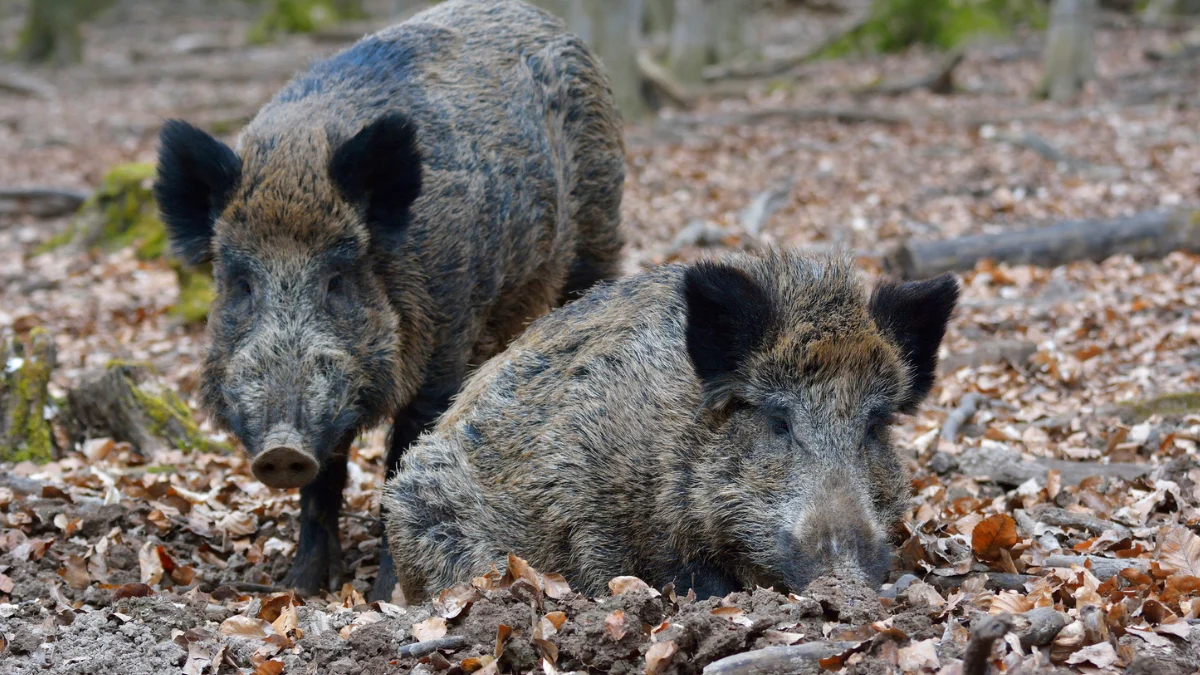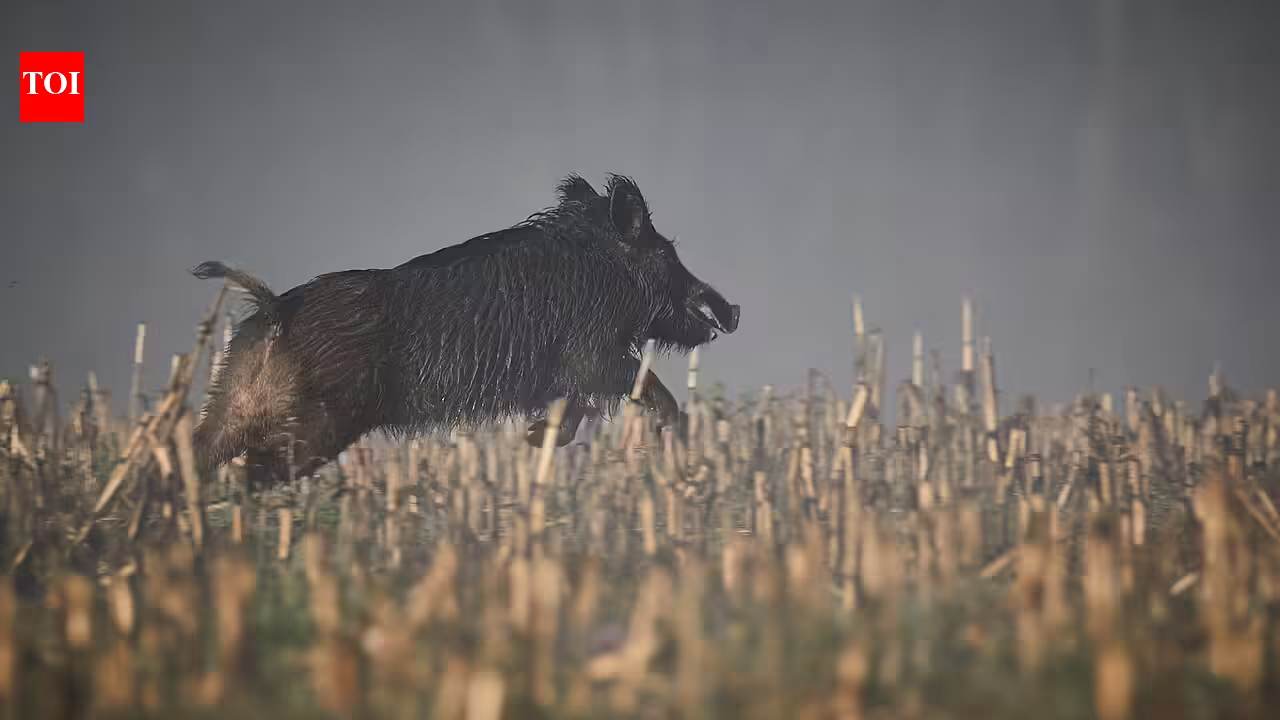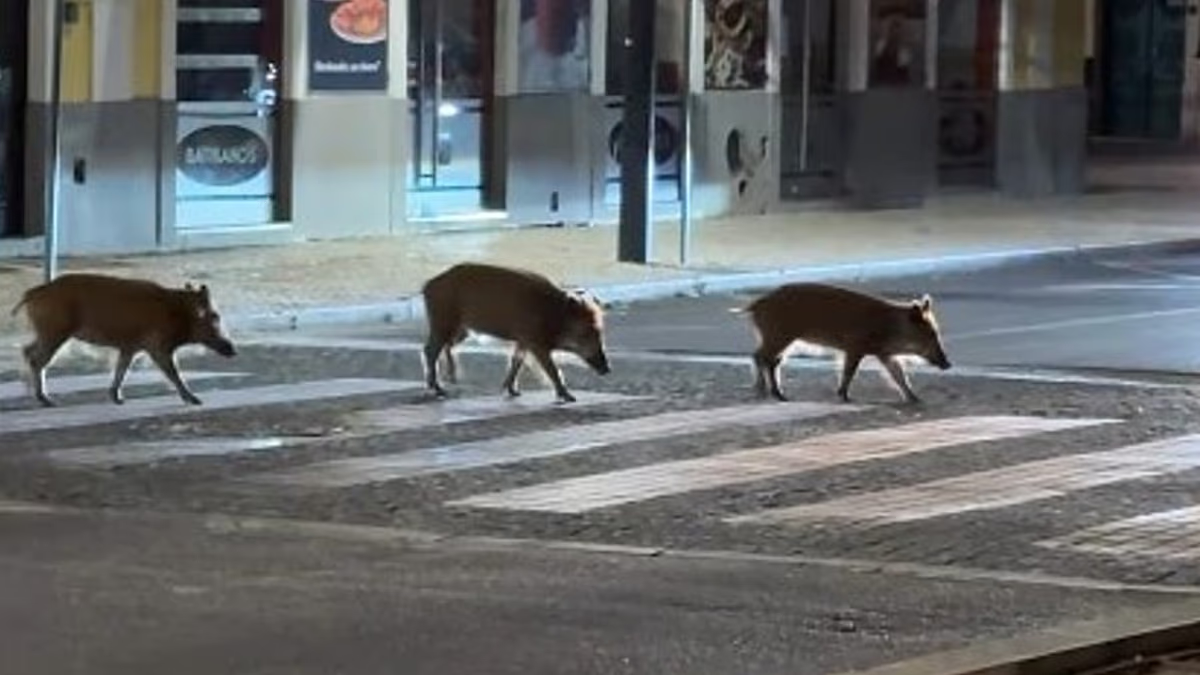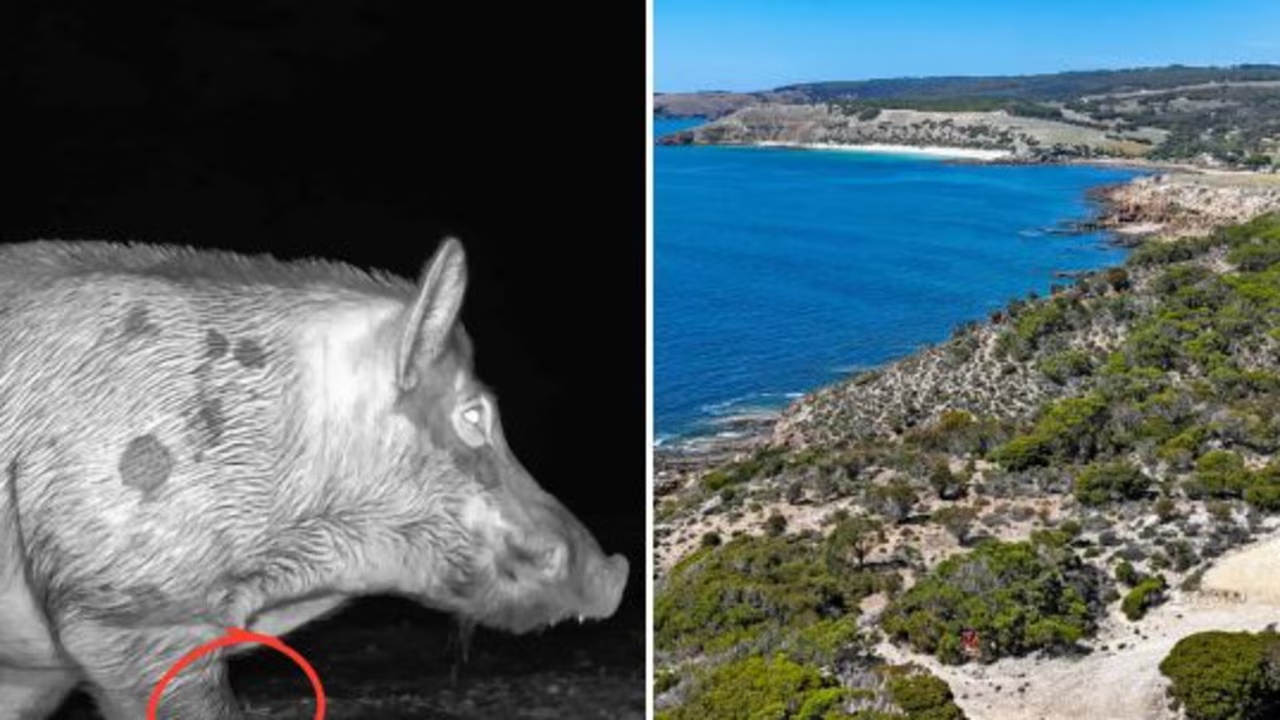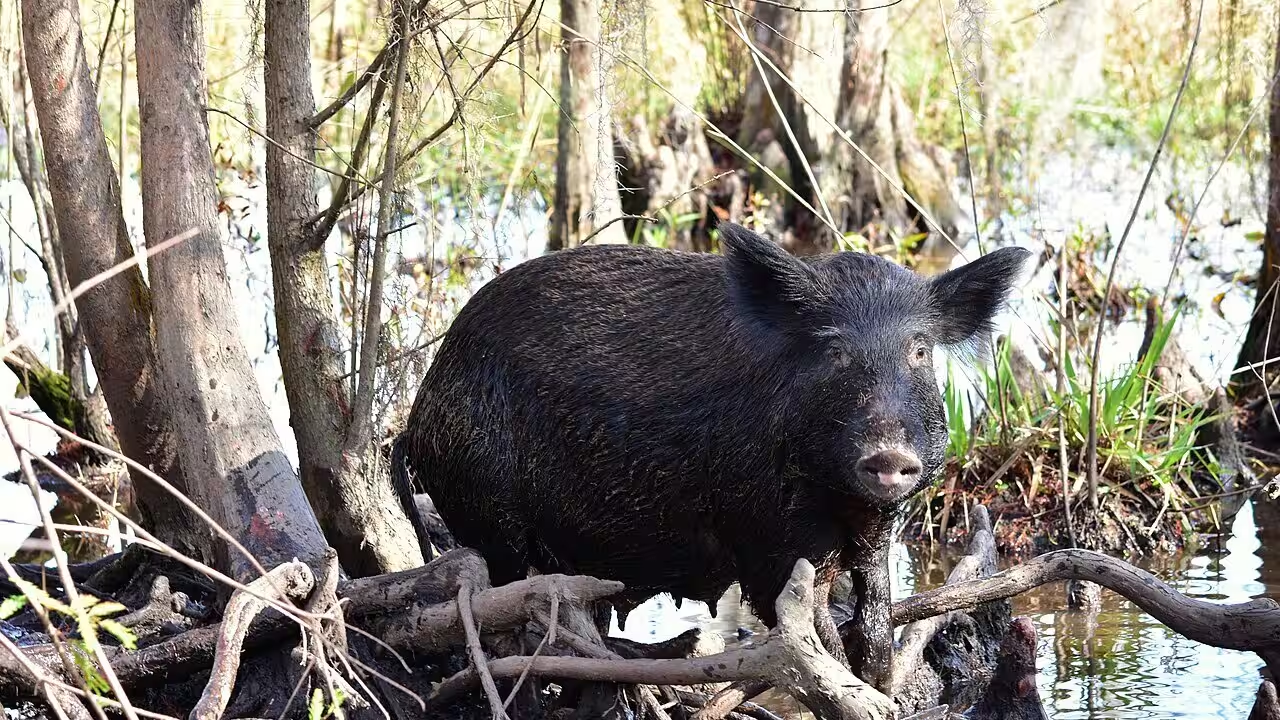
Feral hogs, introduced centuries ago, now pose a major problem in Texas. These animals combine domestic pig traits with wild boar survival skills. They cause extensive damage to natural habitats and agricultural fields annually. Image Credits: Wikimedia CommonsIn Texas, feral hogs have become a major nuisance. They move in groups through oak groves, creek beds, and freshly planted corn fields. What began centuries ago as a source of food for early settlers has become a major environmental and economic problem in the United States. According to the Texas Parks and Wildlife Department, there are currently more than two million feral hogs in Texas. These animals combine traits from domestic pigs and wild boars.The history of pigs in North America helps explain how the problem developed. According to the Texas Parks and Wildlife Department Ecology and Management Wild Pigs site, wild pigs are not native to the continent. Christopher Columbus first introduced domestic pigs to the Caribbean on his second voyage in 1493. Spanish explorer Hernando de Soto later brought pigs to what is now the southeastern United States in 1539. These animals were ideal for early expeditions because they were easy to maintain and provided fresh meat.As Spanish explorers moved through the region, some pigs escaped into the wild. Later, settlers and Indigenous communities used free-range farming, which allowed pigs to roam freely to forage. This practice helped escaped pigs establish wild populations. In the early 20th century, Eurasian wild boars were imported and released into private preserves for sports hunting. Over time, escaped domestic pigs bred with the introduced wild boars. The resulting hybrids combined the high reproductive capacity of domestic pigs with the survival traits and tusks of wild boars.Feral hogs cause extensive damageEvidence of their activity includes large areas of overturned soil, broken fences, and ruined crops. For a look at the financial impact, the USDA Climate Hubs’ Feral Swine Bomb study provides an overview of the issue. The USDA Climate Hubs page estimates that feral swine cause approximately $2.5 billion in agricultural damage across the United States each year. Feral swine alter habitats in several ways. They use their strong snouts to root into the soil, disturbing vegetation to depths of up to 15 centimetres. A single group of hogs can overturn up to two acres of land in a short period.This rooting behaviour affects the environment in several ways. In forests, feral hogs reduce tree diversity and eat key food supplies that native animals like white-tailed deer and wild turkeys need. Their foraging alters soil properties by removing organic matter and weakening soil structure. Their droppings also change soil nutrient levels and can pollute nearby streams and rivers.On farmland, the damage can be immediate. The pigs often destroy crops such as corn, grain sorghum, soybeans, wheat, oats, peanuts, sugarcane, and rice. In addition to eating crops, they damage land by trampling fields, wallowing in mud, and destroying irrigation systems. Orchards and vineyards can suffer heavy damage. Wild pigs eat low-hanging fruit and nuts, destroy young vines, and rub against tree trunks. Males often rub against trees and use their tusks to mark territory, which can damage or kill the trees.Their rooting behavior disturbs vegetation and alters soil properties significantly. Controlling these intelligent and reproductive animals remains an ongoing challenge for authorities. Image Credits: Wikimedia CommonsWhy swine populations continue to growLandowners and wildlife managers have struggled to control the invasive hog population. Feral hogs are intelligent, adaptable, and highly reproductive, which makes them hard to manage through standard methods. Female hogs can begin reproducing before they are one year old, and they can produce multiple litters per year.When hunted or harassed, feral hogs quickly adapt. They become mostly nocturnal, hiding in river bottoms and dense woods during the day. They learn to avoid traps, recognise approaching vehicles, and travel long distances at night to find food.Federal and state agencies continue to coordinate ground and aerial control efforts, including corral traps and public hunting, to reduce hog numbers. However, because Texas is such a large and biodiverse state, population control remains an ongoing challenge.
Escaped farm pigs and hunting boars helped create Texas’s 2 million feral hog problem, causing billions in damage across the US
In Texas, feral hogs have become a major nuisance. They move in groups through oak groves, creek beds, and freshly planted corn fields.
677 words~3 min read