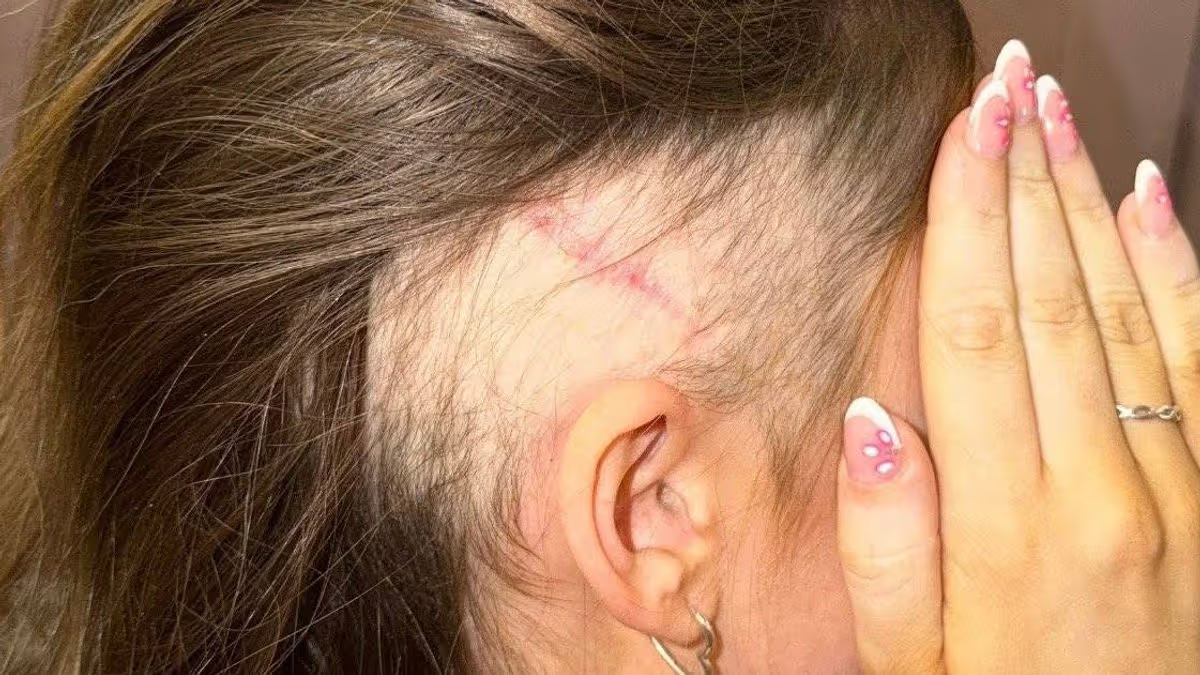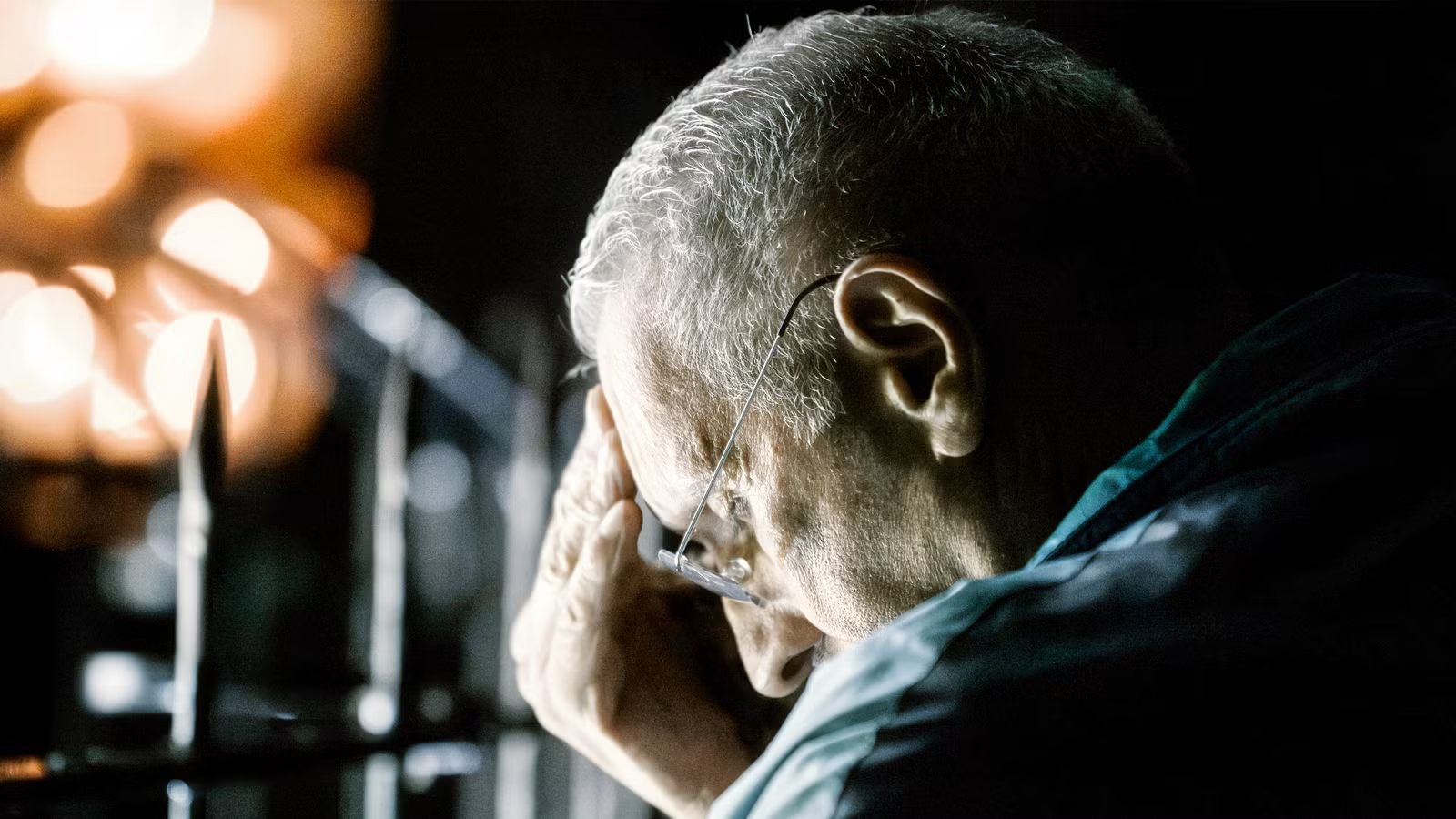
TJ spoke from a darkened room with the blinds closed. Even there, surrounded by houseplants she could barely see, the light still felt too bright. Years earlier, she had worked around aircraft, engines and flight-deck noise as a Navy “yellow shirt” stationed in Japan. She directed aircraft movement aboard the ship, moving between the hangar bay and flight deck while also finding time to run, lift weights and compete in shipboard races. TJ said her first severe headaches began after she suffered a concussion shortly after reporting to the ship. More concussions followed, and the headaches gradually became harder to dismiss.
Navy veteran TJ uses the Nerivio smartphone app while wearing the prescription migraine treatment device on her upper arm during a trip to Japan. (Photo courtesy of TJ)
“I just started losing time,” said TJ in an exclusive interview with Military.com, who asked that her last name not be used. “When you’re on deployment in the military, all you want to do is get off shift and go work out or do something to de-stress. That started to be some of the first things it slowly took from me.” After leaving the Navy, she continued running marathons and triathlons. As her migraine attacks grew worse, exercise, heat and even ordinary daylight became harder to tolerate. “I used to love the summer,” she said. “Now I hide inside.” For many veterans, pain is something to work around, explain away or push through until the day is over. Migraines can make that instinct costly. The condition is often mistaken for a severe headache, but clinicians describe migraine as a neurological disease that can bring nausea, light sensitivity, sound sensitivity, dizziness, visual disturbances and hours or days of pain. For veterans, those symptoms can collide with habits formed in uniform: staying quiet, remaining useful and not wanting to be seen as the person who cannot keep up.