Tuesday 21 July 2026 7:59 am
| Updated:
Tuesday 21 July 2026 8:19 am
Burnham’s said scrapping digital ID will reduce spending
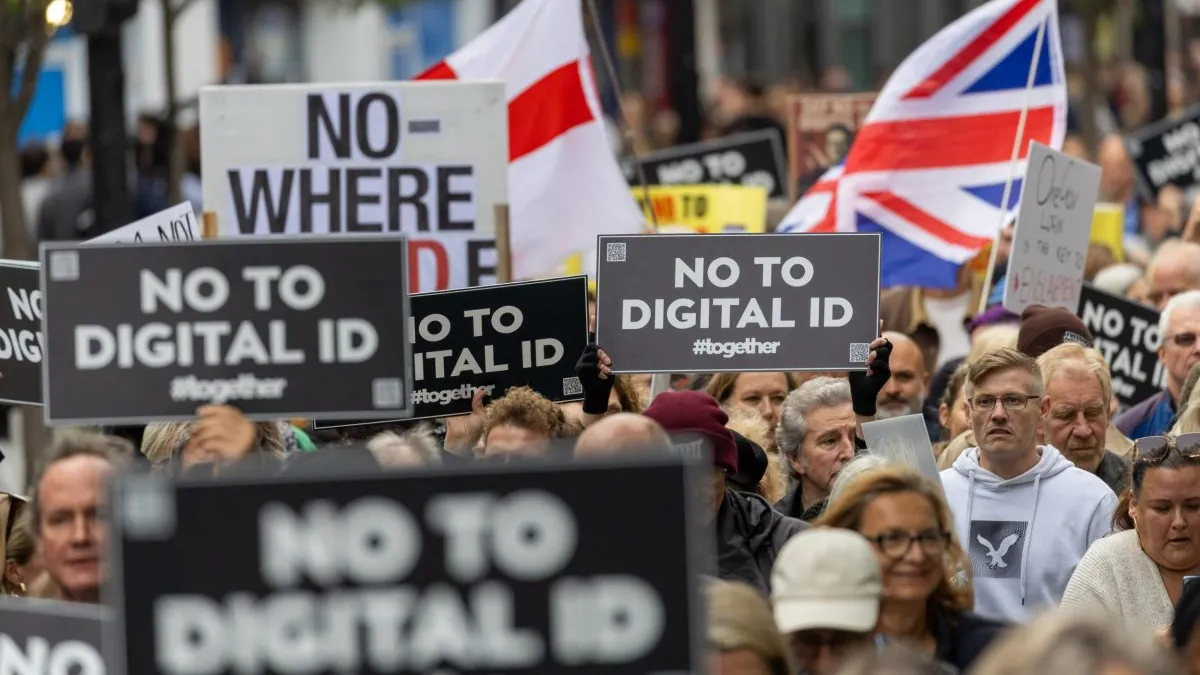
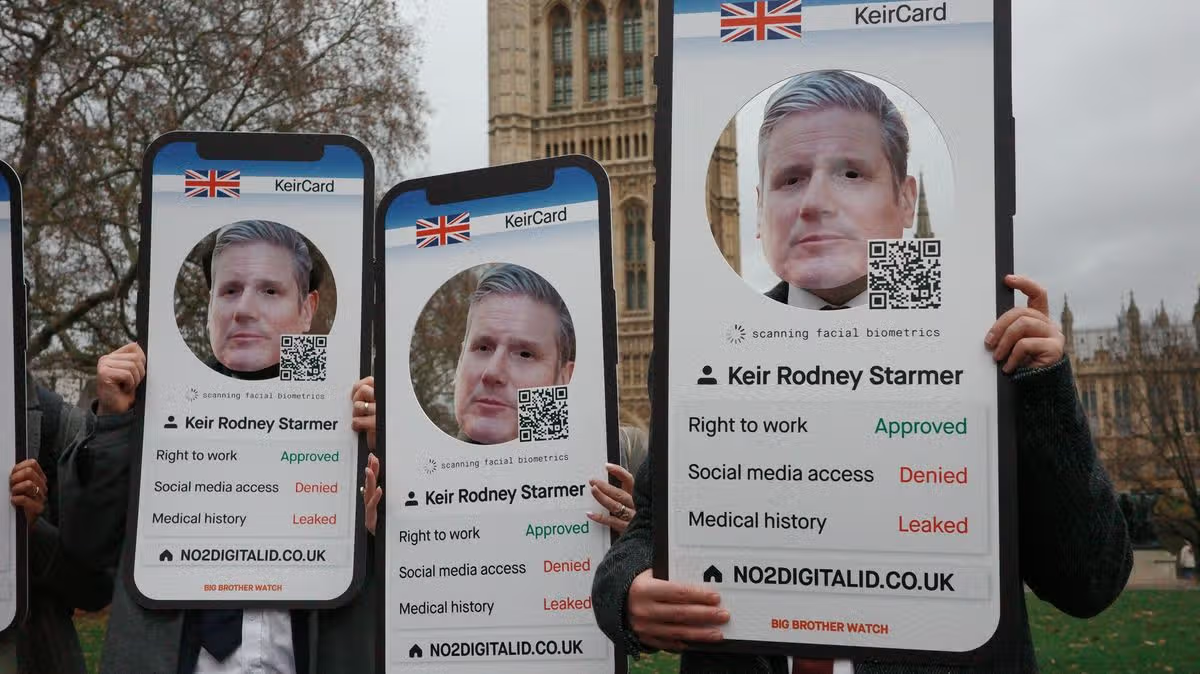
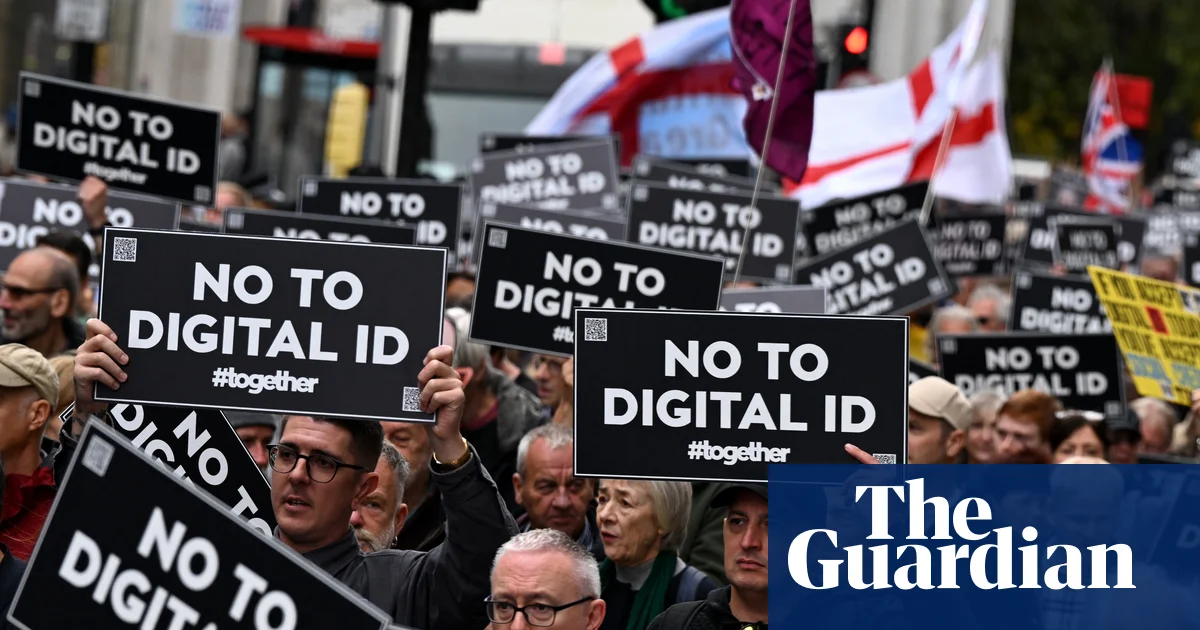
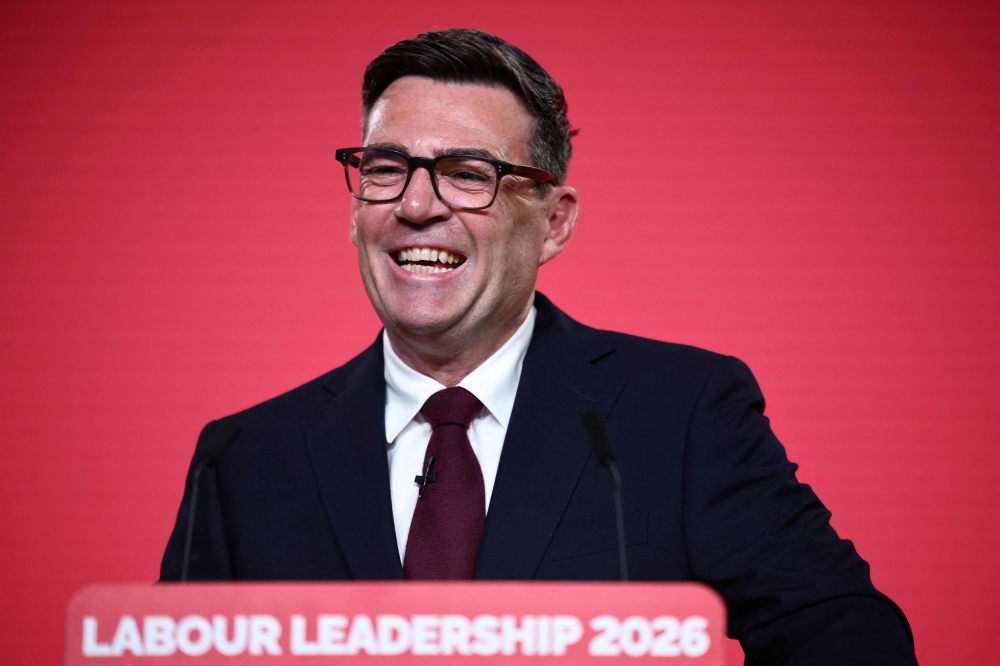
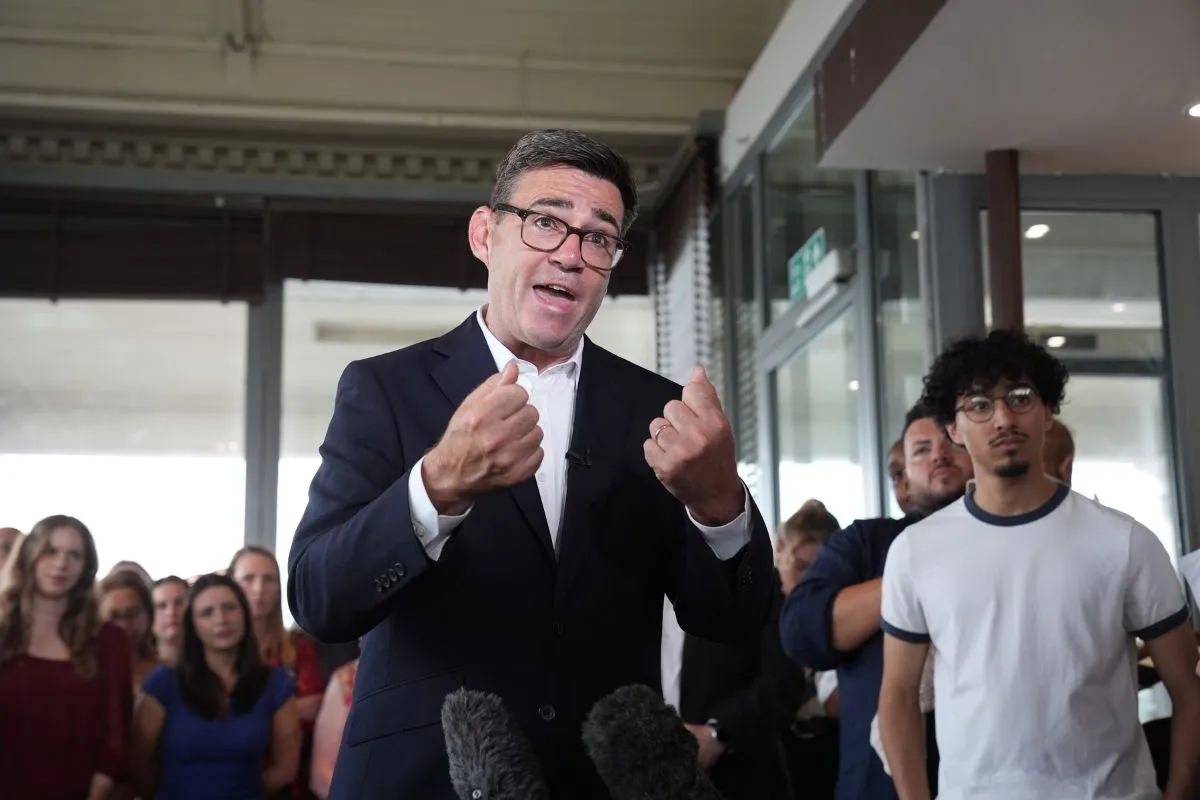
Andy Burnham is facing criticism from his own backbenches after claiming he would fund his cost of living plans by scrapping Labour’s digital ID scheme – despite the policy being unfunded at the last budget.In his first major policy announcement as prime minister, Burnham revealed today he would remove VAT from domestic electricity bills from October 1 in time to impact the next Ofgem price cap. In an announcement, he said the move would be funded by the cancellation of the (£1.8bn) Digital ID programme.In its November Economic and Fiscal Outlook published at the last budget, the Office for Budget Responsibility (OBR) estimated digital ID would cost £1.8bn over three years but said “no specific funding has been identified” for the programme. It also described the costs as “provisional” and warned there was “no explicit provision” to pay for its estimated £600m annual cost.According to Burnham’s announcement today, savings were due to be identified for the digital ID plans from existing budgets through “reprioritisation”, which will now be redirected towards the VAT cut. Darren Jones, a former Treasury minister and Keir Starmer loyalist, who was sacked by Burnham yesterday, said the policy was unfunded and called on Burnham to set out how he would fund the plans. “Good news that VAT will be cut on electricity bills. It’s a simple way for families to save a few quid, and to mechanically help to keep inflation that little bit lower,” Jones wrote on X.“But the Digital ID program was unfunded. The government will have to set out how it will pay for its new policies at the budget.”Funding for longer-term measures will be need to be taken at the Budget, the government said, adding that it would then stick to funded measures that complied with the fiscal rules set out by former Chancellor Rachel Reeves. Over the weekend, Labour deputy leader Lucy Powell also stopped short of saying how much money Burnham’s scrapping of Digital ID would save.“It’s not just about the money,” Powell told the BBC’s Sunday with Laura Kuenssberg. “It’s actually about the attention and the focus.”Burnham’s office has argued that scrapping digital ID is as much about freeing up the machinery of government as it is about reducing spending, saying ministers want to focus on “creating breathing space and delivering change people can feel in their everyday lives”.Digital ID still has supportersStarmer initially pitched digital ID as a way to tackle illegal working before broadening the policy into a wider overhaul of government services.Ministers argued it could eventually allow people to access everything from childcare support to tax services through a single digital identity.The plans were steadily watered down after attracting fierce opposition from campaigners and Labour MPs.Ministers first dropped proposals to make the scheme compulsory before Burnham scrapped it altogether ahead of entering Downing Street.The move leaves Britain moving away from a policy several European countries have embraced.Belgium’s digital identity system is used to access hundreds of public and private services, while the EU is rolling out a digital identity wallet across member states that will allow citizens to prove their identity and store official documents digitally.“There are countries where it works and makes life so much easier”, Brent Hoberman, co-founder of Lastminute.com, told City AM.Rather than scrapping digital identity altogether, Hoberman suggested ministers had failed to make the case for how it could benefit the public.“I wonder if they’ve done enough to explain this really can help,” he said.The decision was welcomed by privacy campaigners, who argued the government had finally listened to public concerns after months of opposition.“The British people were clear that they do not want mandatory ID,” Jack Coulson, head of advocacy at Big Brother Watch, told City AM. “The government backing down shows what campaigns like Big Brother Watch’s can achieve.”But Coulson warned the wider debate over digital identity had not disappeared, arguing proposals for online age verification risked creating “a de facto mandatory ID regime for the internet”,“If this is a signal, it is a positive one, but we must all keep a wary eye on Tony Blair’s former ID card minister.”Burnham was the minister responsible for Labour’s failed ID cards programme under Tony Blair nearly two decades ago. His government has said mandatory digital right-to-work checks will remain in place despite scrapping the wider digital ID scheme.