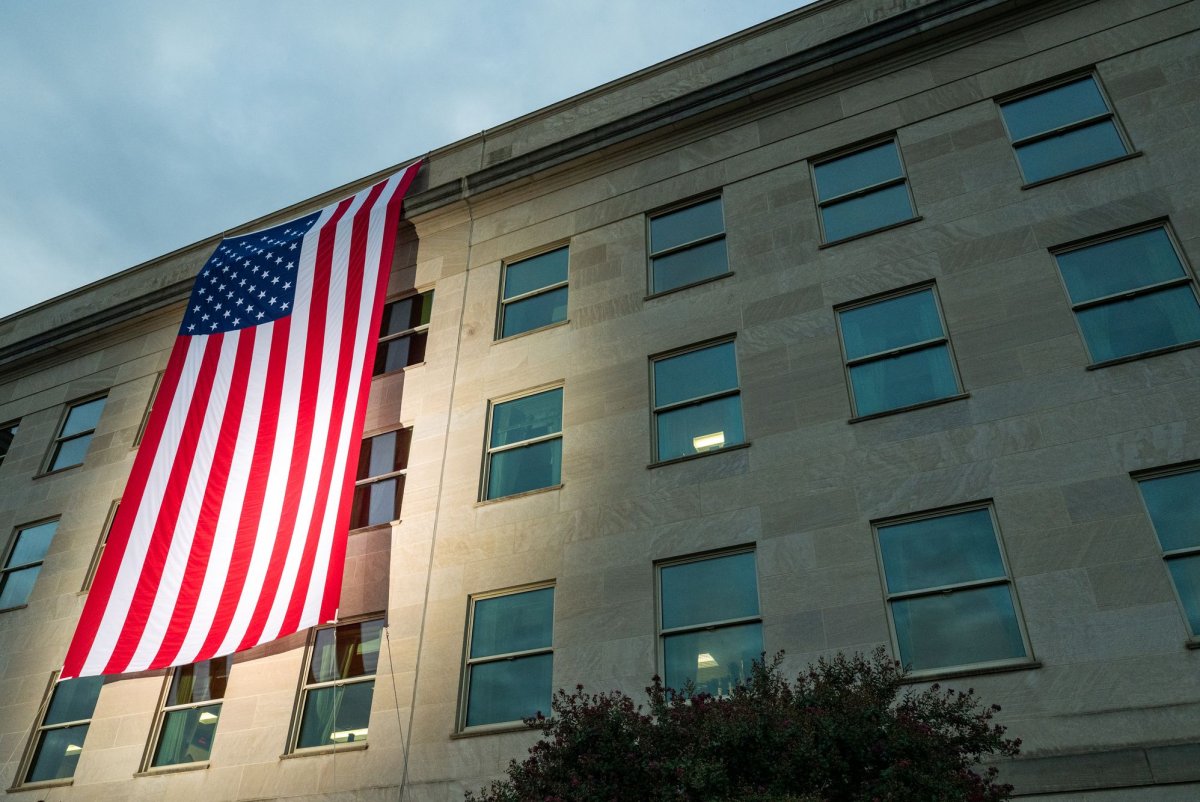
Something happened in 2026 that should be on every engineer's radar, especially if you work in finance, healthcare, government, or anywhere regulated. The US government labeled an American AI company a national security supply-chain risk. That had never happened before. Whatever you think of the politics, the professional lesson underneath it is big, so let me walk through it plainly.
What actually happened
The Department of Defense terminated a contract with Anthropic worth an estimated $200 million. The breakdown wasn't about price or performance. It was about how the military could use the AI.
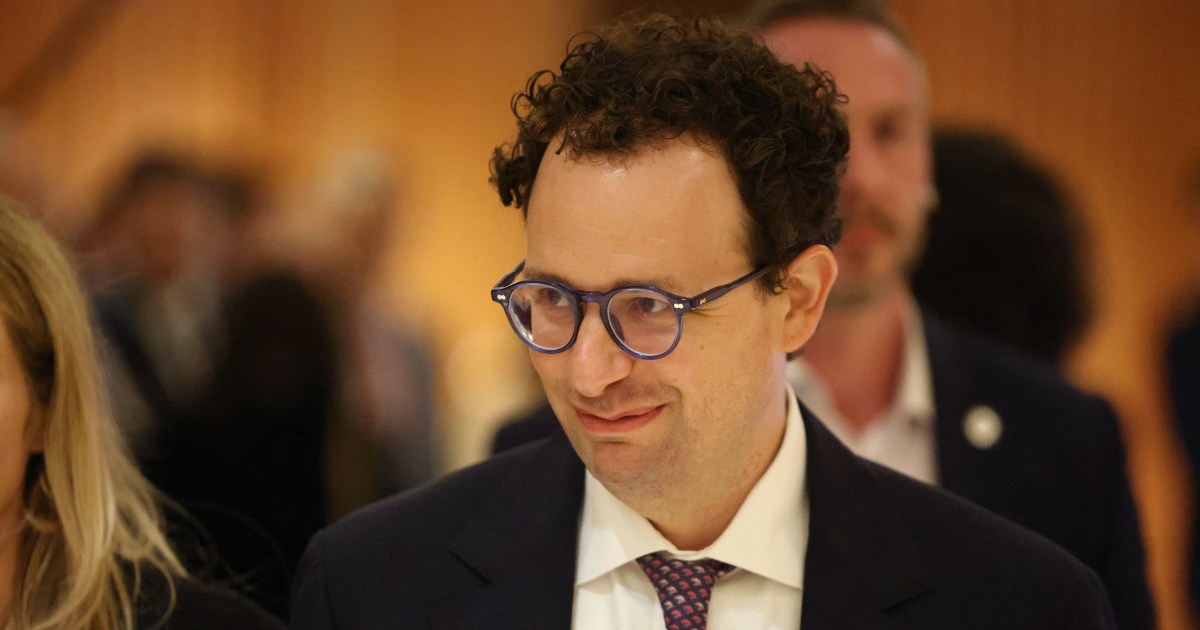
Anthropic's CEO, Dario Amodei, objected to a clause that allowed the military "any lawful use" of the model. Anthropic wanted the contract to explicitly rule out things like domestic mass surveillance and autonomous weapons, and refused to sign without those limits. The government wanted fewer restrictions.
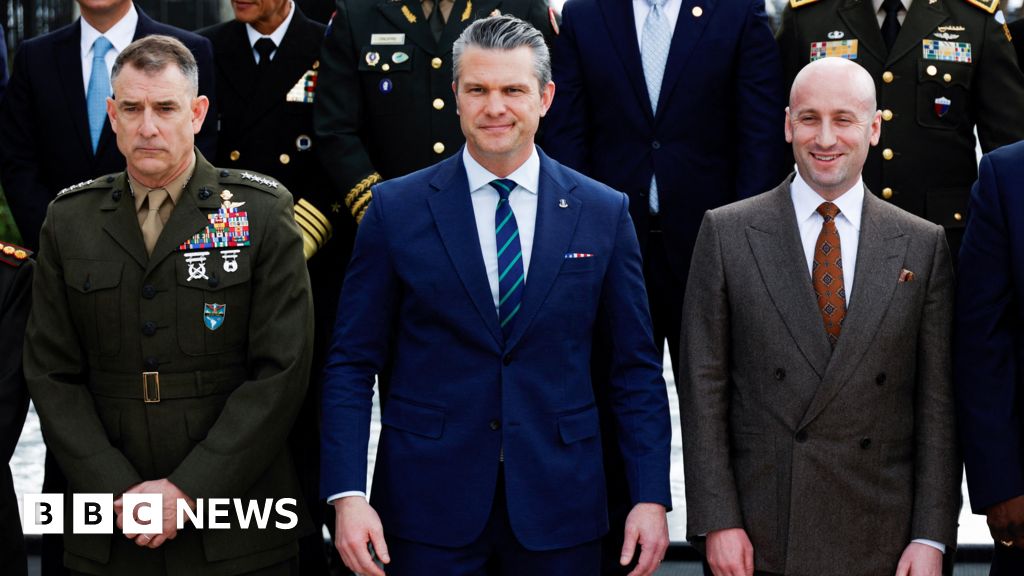
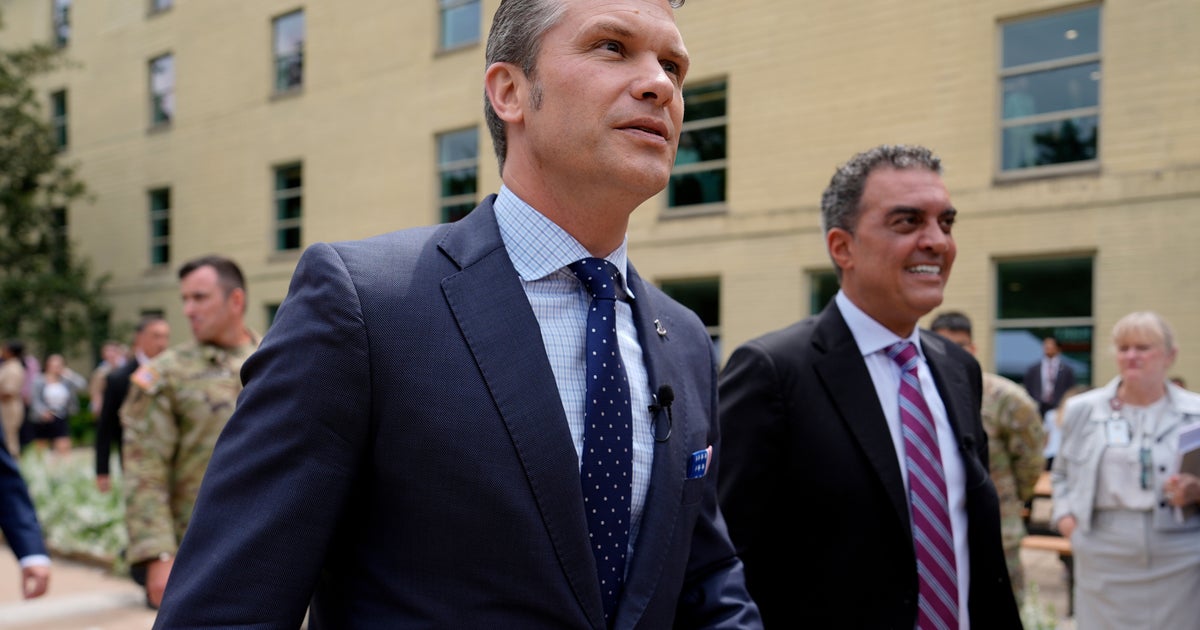
When talks broke down, the Secretary of War, Pete Hegseth, formally designated Anthropic a "Supply-Chain Risk to National Security." That label is normally reserved for foreign adversaries and hostile telecom vendors, think of how the US treated Huawei. This was the first time it had ever been applied to an American company, and reportedly the first time it was used because a company wouldn't agree to certain contract terms. OpenAI then stepped in to take the Pentagon work Anthropic had walked away from.