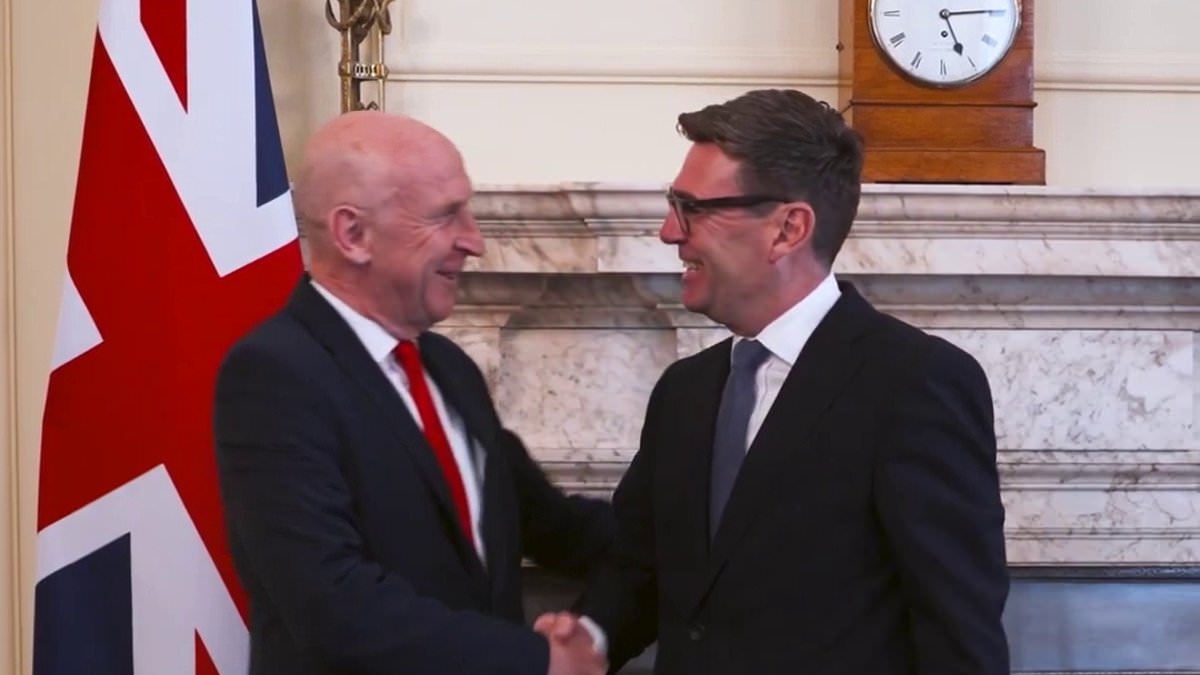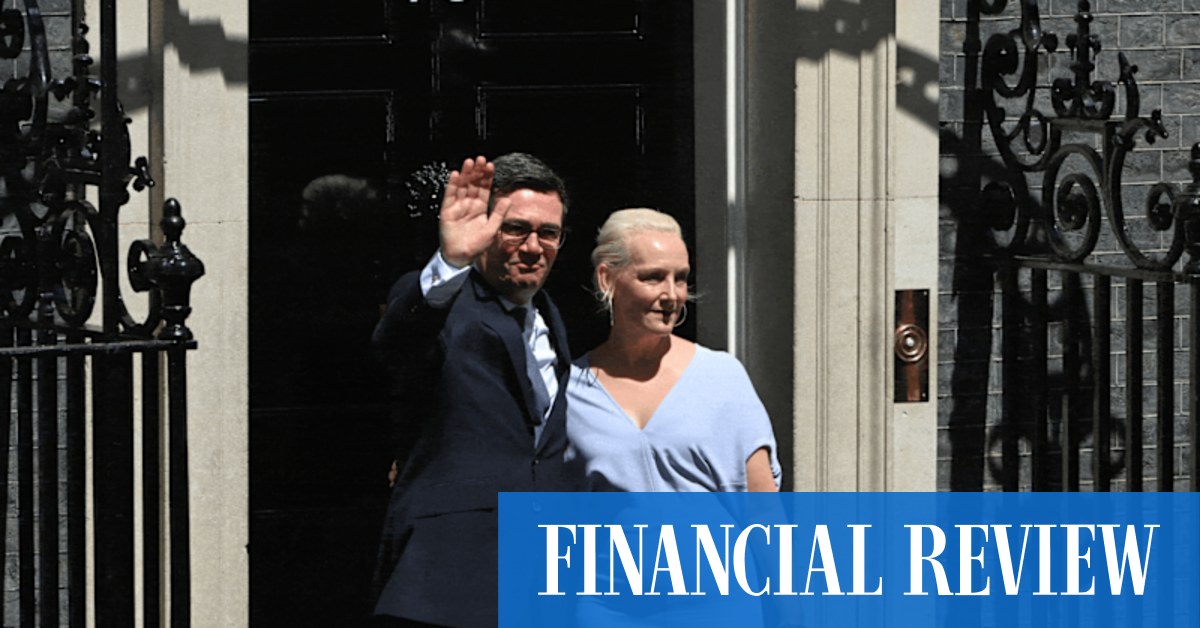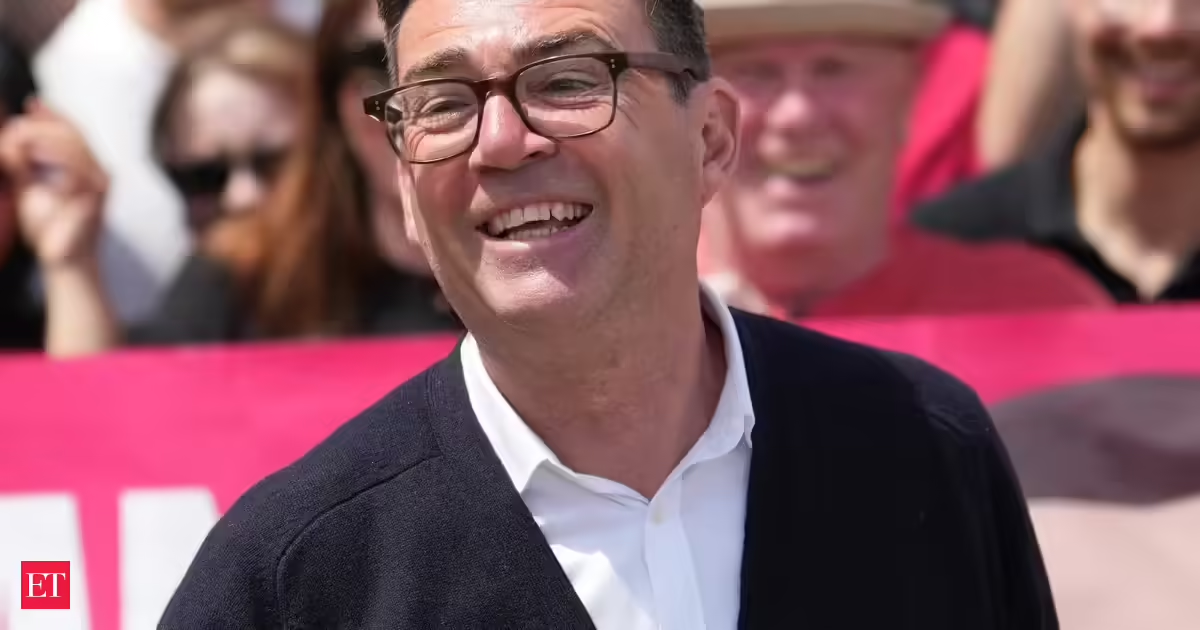
Sharp fall in debt interest payments last month helped lower government borrowing costs but experts warn the new Andy Burnham government still faces tough challenges ahead, with the threat of tax rises07:37, 21 Jul 2026Updated 09:01, 21 Jul 2026Andy Burnham and his new Chancellor, John Healey, got an early boost as official figures revealed government borrowing dropped by a third in June.The Office for National Statistics (ONS) said borrowing – the difference between what the government rakes in from taxes and spends - stood at £16billion last month, down £7.9billion on June last year. It was also £300million below the Office for Budget Responsibility’s forecast.The welcome fall was largely because of lower inflation-linked debt interest costs, the ONS said.However, in a sobering reminder of the state of the UK finances, the country's national debt edged closer to the eye watering £3trillion market. The ONS said it stood at £2,989.9billion at the end of June, £122.3billion more than a year earlier. It means the UK owes 94.9% of the value of the economy, 0.4 percentage points higher than a year earlier, and at levels last seen in the early 1960s.And despite last month's drop, the government still borrowed £57.6billion in the first three months of this financial year, which was £2.7billion more than the OBR forecast.Former defence secretary Mr Healey, whose appointment as Chancellor by new PM Andy Burnham came as a surprise, said: “The Prime Minister and I have talked about how we will work in lockstep to meet the fiscal rules with a buffer against uncertainty and how we’ll make life more affordable for working people right across the UK…“Fiscal control is the first duty of any Chancellor. It is mine. And fiscal credibility is the bedrock for economic stability and for national security, and you heard the Prime Minister this afternoon say, in this more dangerous world, we will meet our commitments on defence to our international allies…Andy Burnham and I have known each other a long time, we’ve worked together over many years and talked together in recent weeks. We share the values, we share the vision, and we will start together now, Prime Minister and Chancellor, to build that new hope, to build that new economy.”According to the ONS, central government debt interest payments fell to £11.8billion in June 2026, down £5.3billion on a year ago but still the fourth highest June on record.Nabil Taleb, economist at PwC UK, said: “This month’s figures offer some tentative encouragement. The key question is whether their economic plans ease pressure on the public purse or add to it. With borrowing costs still sensitive and fiscal headroom limited, even modest commitments can carry significant consequences. What matters is whether ambition is matched by credible funding and a convincing grip on borrowing."If plans run ahead of what the public finances can support, pressure could build quickly through higher financing costs and sharper fiscal trade-offs. The coming months should show whether the new agenda creates breathing space or adds to the strain.”Nick Ridpath, research economist at the Institute for Fiscal Studies, said: "The lesson of the last months and years – that debt interest can rise sharply, sometimes due to events outside the government's direct control - is not going out of fashion any time soon. A new Prime Minister and Chancellor can make different choices, but they will be facing the same fiscal constraints as their predecessors.”Lib Dem Treasury spokesperson Daisy Cooper said: "The new Chancellor needs to turn things around, and fast. The economy is stuck in the slow lane while job seekers and families pay the price."Healey now needs to urgently tackle unemployment, by scrapping Rachel Reeves' unfair jobs tax that is stifling businesses and slamming the door shut on job opportunities.Article continues below"Today's borrowing figures also show the huge pressure on our public finances. The only real answer is to boost growth, and protect our economy from the global shocks it faces, like Trump's illegal Iran war. That's why Andy Burnham must immediately begin negotiations for a new growth defence partnership with the EU, including joining the Single Market."Elliott Christensen, senior economist at the Resolution Foundation, said: “Today’s data should be taken as a reminder that the public finances remain on a knife-edge: despite lower-than-expected borrowing in June, the deficit remains off-track for the year-to-date just as the Iran war appears to be ramping up.“Andy Burnham has promised his Government will be a fresh start and that should include focusing on how to put the public finances on a firmer footing with new policy announcements fully funded.”
Early boost for Andy Burnham as figures shows big fall in government borrowing
Sharp fall in debt interest payments last month helped lower government borrowing costs but experts warn the new Andy Burnham government still faces tough challenges ahead, with the threat of tax rises
759 words~3 min read