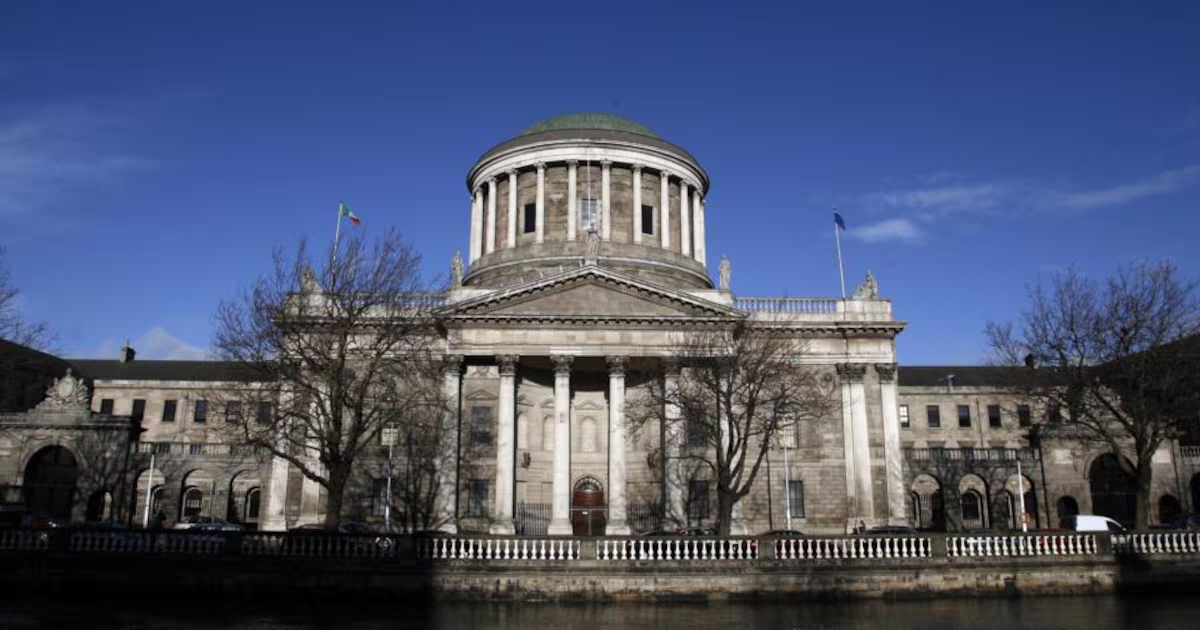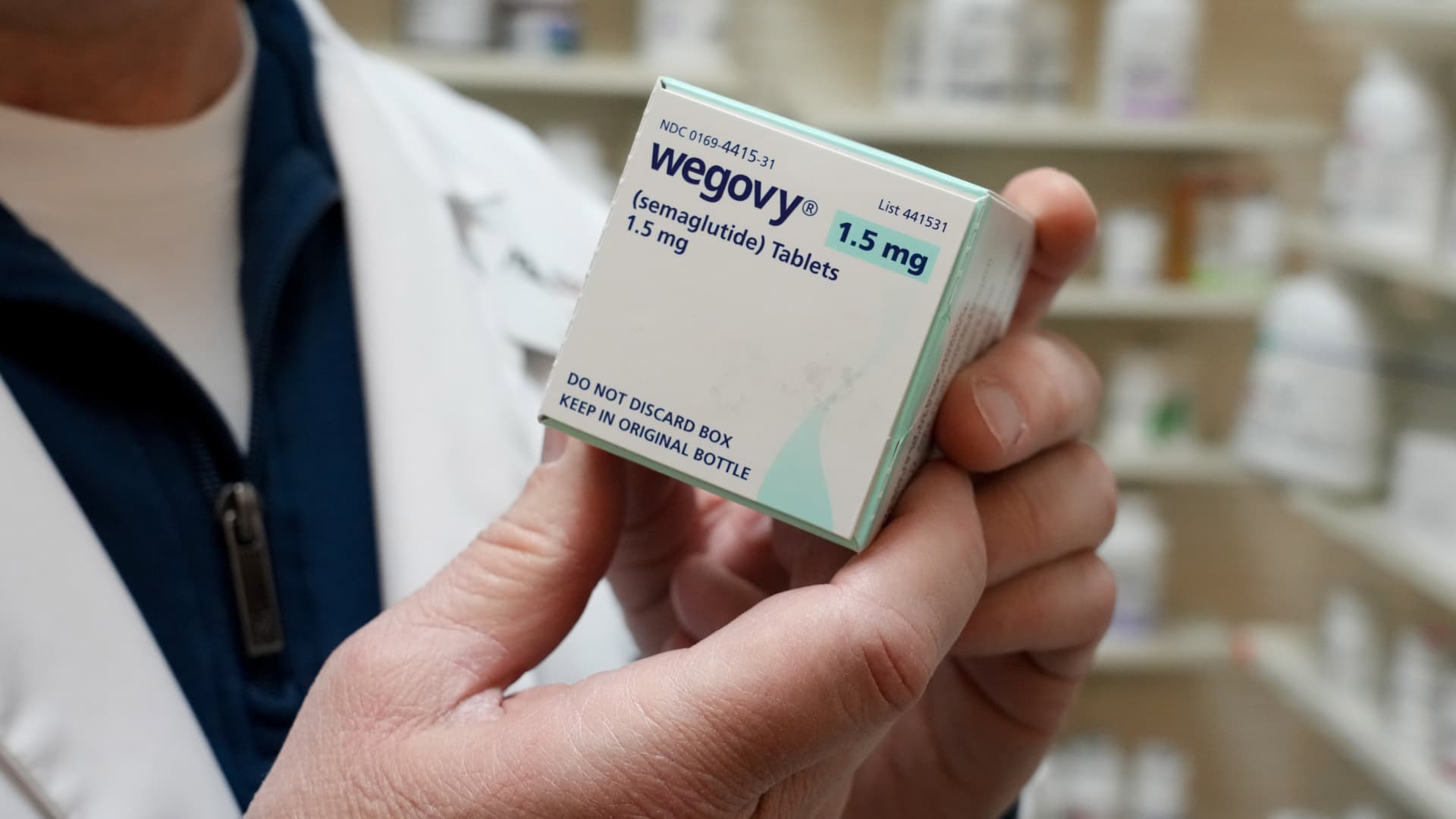
Keenova Therapeutics, the Dublin-based drugmaker formerly known as Mallinckrodt that has been through two examinerships in the past four years, has tidied up part of its balance sheet in advance of an initial public offering (IPO) as it seeks to draw a line under its alleged role in the US opioid crisis. The company secured approval from the High Court on Friday for a $1.79 billion (€1.57 billion) so-called capital reduction, most of which was to restructure a mechanism used to spin off its generic drugs business, Par Health, late last year. While companies often seek court approval for capital reductions to increase reserves for dividend distributions, Keenova said in its latest annual report, filed this month with the companies office here, that it does not intend to pay dividends “in the foreseeable future”.Corporate finance sources said it likely amounts to a housekeeping exercise as Keenova – a new corporate name adopted last November – eyes a stock market IPO. The group has stated it plans to float later this year, subject to market conditions. A company spokeswoman said the exercise “helps provide our board of directors with financial flexibility for future activities”, declining to comment further. Mallinckrodt first filed for examinership in February 2022 to copperfasten a Chapter 11 debt restructuring hammered out under the supervision of a Delaware court. It eliminated $1.3 billion of Mallinckrodt’s then $5.3 billion in long-term debt and approved a $1.7 billion settlement with 47 states and territories to resolve claims related to the company’s alleged role in the opioid crisis. The money was to help fund the treatment of opioid addicts.The group filed for Chapter 11 and examinership again in 2023. This resulted in a further $1.9 billion of liabilities being wiped out as a group of hedge fund creditors, including Silver Point Capital, Marathon Asset Management, and Eaton Vance Management, exchanged debt for equity and the company restructured its opioid settlement obligations. Mallinckrodt delisted from the New York Stock Exchange in September that year. Last year, Mallinckrodt took over fellow Dublin-based Endo International, which had also resorted in 2023 to Chapter 11 in the US and an Irish High Court process to lower its debt burden and settle opioid-related lawsuits. Will the State’s plan for the Carlton Cinema site revitalise O’Connell Street? Listen | 25:33Keenova’s sales rose by 32 per cent to $1.43 billion last year, driven by the Endo acquisition in July, and growth in its bestselling Acthar Gel treatment, used to relieve inflammation and certain autoimmune conditions. It swung into a net loss of $327 million from a profit of $734 million in 2024, driven by expenses relating to the Endo combination. The profit for the previous year was mainly down to a gain on the sale of an immunotherapy business, Therakos, to private equity group CVC Capital. The spin-off of Par Health was executed by first issuing a special class of preferred shares to Keenova’s ordinary shareholders, then redeeming the preferred shares in exchange for ordinary shares in the new company. While Keenova subsequently redeemed and cancelled the preferred shares, the $1.79 billion nominal amount of those redeemed shares remained recorded in a capital redemption reserve on its balance sheet. That reserve was treated as an undistributable capital reserve under Irish company law until the Irish High Court approved a capital reduction allowing it to be cancelled and reclassified as a distributable reserve.Keenova entered a deal last month to sell its remaining opioid-containing products, Percocet and Endocet, to Par Health for $250 million.The sale and capital reorganisation are seen as improving the marketability of Keenova as it approaches an IPO.
Dublin-based drugmaker tidies balance sheet in advance of stock market flotation
Keenova Therapeutics secured approval from High Court last week for a $1.79bn so-called capital reduction
601 words~3 min read