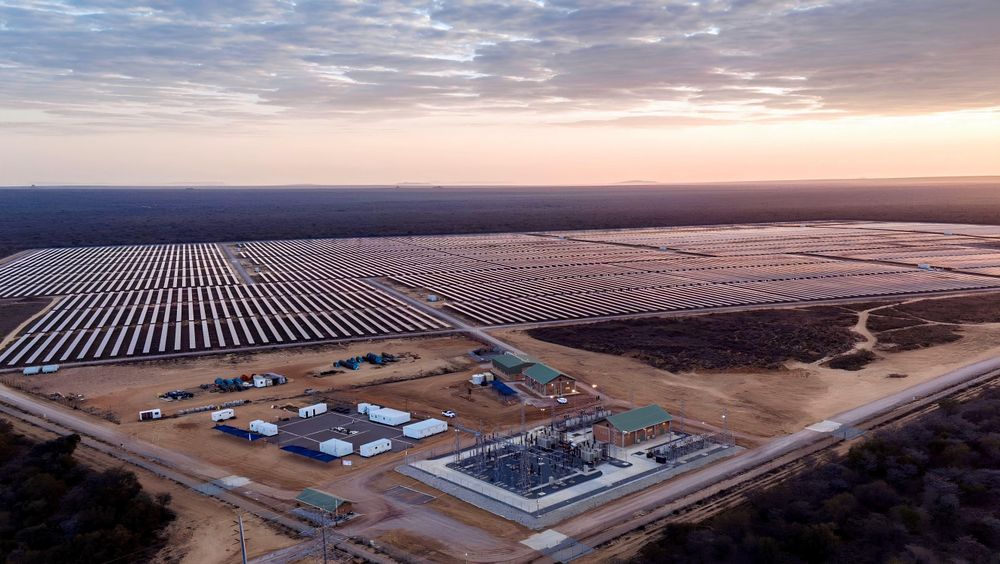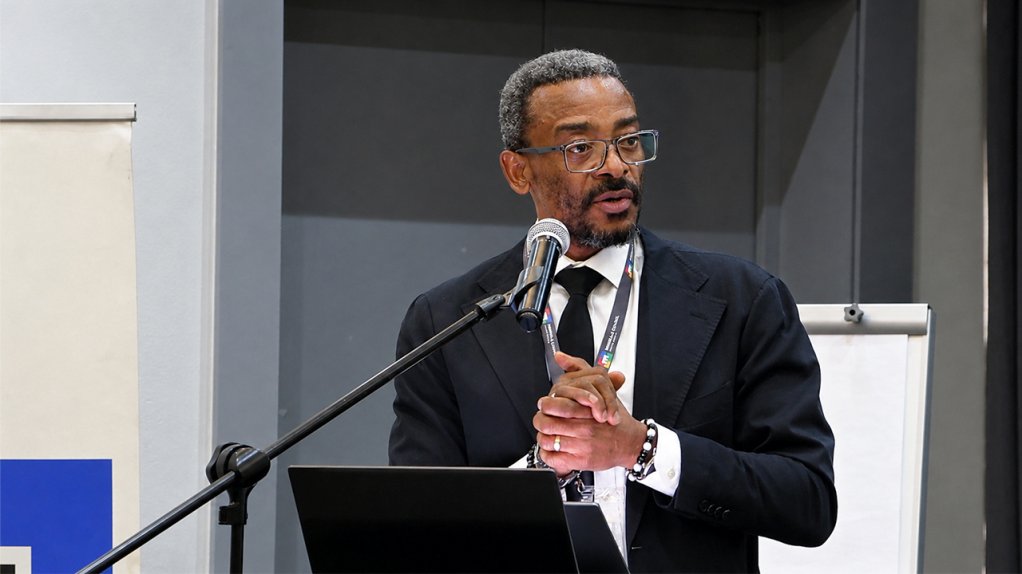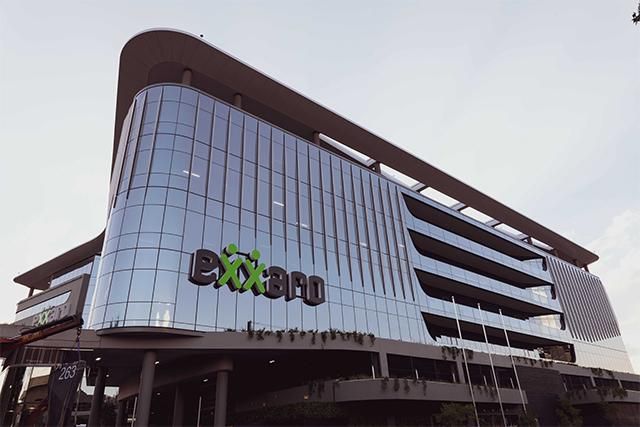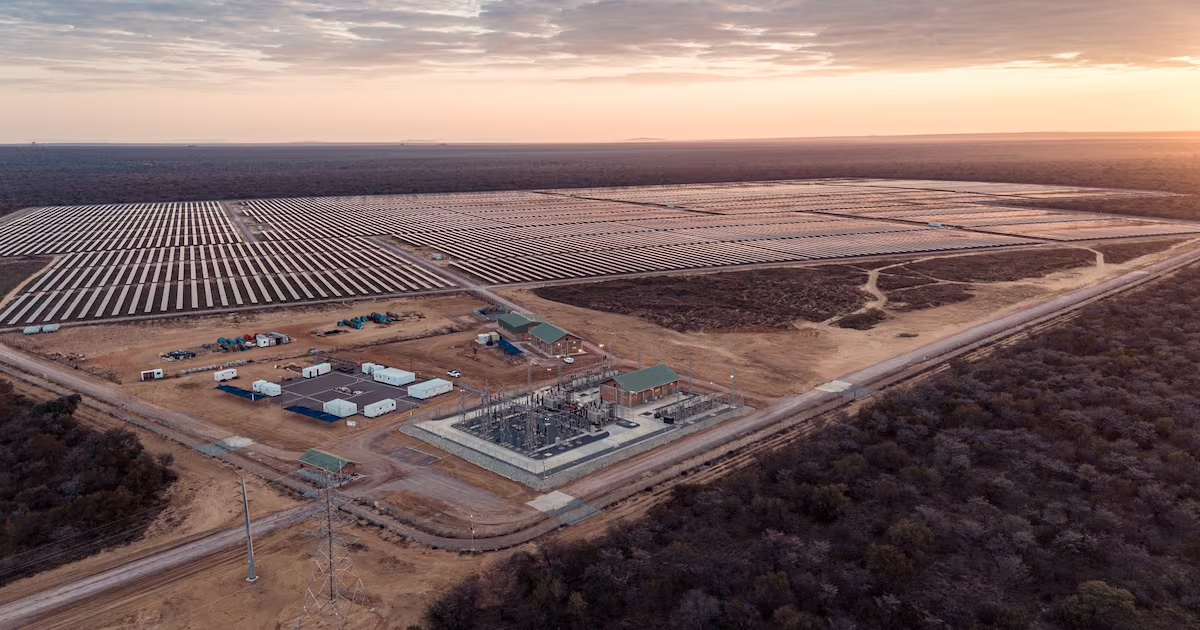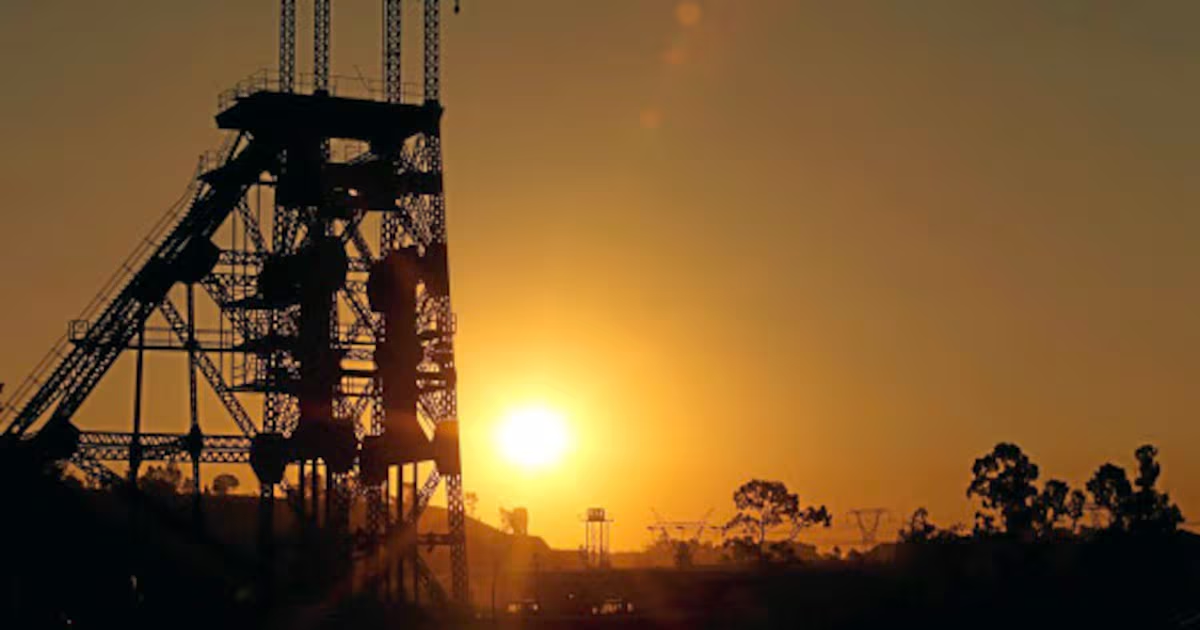
Exxaro Resources CEO Ben Magara believes South Africa’s mining and electricity landscape is creating new commercial opportunities, but long-term mining prospects will depend as much on expanding rail infrastructure and sustainable electricity reforms as on investing in new commodities.Speaking on a visit to Exxaro’s newly completed Lephalale Solar Project in Limpopo, Magara outlined a vision for the diversified miner that extends well beyond coal, saying changing energy markets, growing demand for critical minerals and electricity reforms are reshaping the industry’s future.He said the group, one of Eskom’s largest suppliers of coal, now sees itself not as simply a miner but as a “diversified natural resources champion”, bringing together coal, future-facing minerals and renewable energy in a single portfolio.Pragmatic world Despite accelerating investment in renewable energy, Magara said governments, financiers and investors have become more pragmatic about coal as energy security remains high on the agenda.“I think the world has become more pragmatic about the role of coal in the energy mix, globally and locally,” he said.(Dorothy Kgosi) He believes geopolitical disruptions, including the Russia-Ukraine war and tension in the Middle East, have resulted in “people running to coal when they run short of gas or oil”.Magara pointed to the growing willingness among insurers to provide cover for coal-mining assets as further evidence that attitudes towards the sector are becoming more pragmatic.He said coal will always play a part in the energy mix to support baseload power.Renewable energyWhile coal remains Exxaro’s foundation, Magara sees electricity production emerging as a business in its own right.Through its renewable energy subsidiary, Cennergi, Exxaro operates the Amakhala and Tsitsikamma Community wind farms in the Eastern Cape.The company sees three customer groups for its renewable energy portfolio: its own mining operations, industrial customers and the wholesale electricity market.Among the projects supporting that strategy is the 140MW Karreebosch Wind Farm, which Exxaro is developing with G7 Renewable Energies near Sutherland on the Western Cape-Northern Cape border. Once operational, it will supply renewable electricity to Northam Platinum’s Booysendal mine through Eskom’s wheeling framework.The company plans to increase renewable generation capacity to 500MW by year-end, 1GW by 2027 and 1.6GW by 2030. It is also developing battery energy storage, including a planned 100MW installation at the Lephalale solar plant.Golden eggsMagara said the company’s diversification is not about replacing coal but using it to finance Exxaro’s next phase of growth.“Coal is our foundation and the goose that lays the golden eggs to give us the cash to build the future-facing minerals we want.”He said manganese is another of its next major growth businesses, with investments in iron ore and zinc to broaden future earnings.After the acquisition of a stake in Tshipi é Ntle Manganese Mining, one of South Africa’s largest producers, Magara said Exxaro has become the world’s fourth-largest producer of the metal with “scope for more”.By 2030, Exxaro expects earnings from manganese, renewable energy and its investments in iron ore and zinc to contribute more than half of group earnings, even without reducing coal production.Eskom restructuringAs a major electricity consumer and producer, Exxaro expects to benefit from the emergence of a more competitive wholesale electricity market.Of Eskom’s restructuring, the CEO said it can only succeed if each of the separated businesses — generation, transmission and distribution — are financially viable.“If you split Eskom, how are you making sure that each one of them never makes a loss? Otherwise it’s not sustainable.” He questioned how the businesses would sustain themselves financially, particularly given the challenges facing municipal electricity distributors.Logistics lifebloodMagara said rail infrastructure represents one of the company’s and industry’s greatest risks, as moving bulk commodities efficiently is as important as producing them.“Your lifeblood is logistics.”He said the industry’s long-term future lies in the Waterberg coalfields near Lephalale, where an estimated 50-billion tonnes of coal remain, as reserves in the older Witbank coalfields become progressively deeper and more expensive to mine.Realising that potential, however, will require greater rail capacity between Lephalale and Mpumalanga, where freight can connect to export corridors such as Richards Bay and Maputo.Magara said there has been some improvement on this front, which is already lifting rail performance by 8%-10% annually, but more is still needed.The so-called C-section rail line between Lephalale and Mpumalanga will need to carry about 15-million tonnes annually if the Waterberg is to realise its full potential, he said.Business Day
FEATURE | Inside Ben Magara’s blueprint for the future of Exxaro and SA mining
Magara also sees rail and electricity market reform shaping Exxaro’s next phase and South African mining’s future
717 words~3 min read