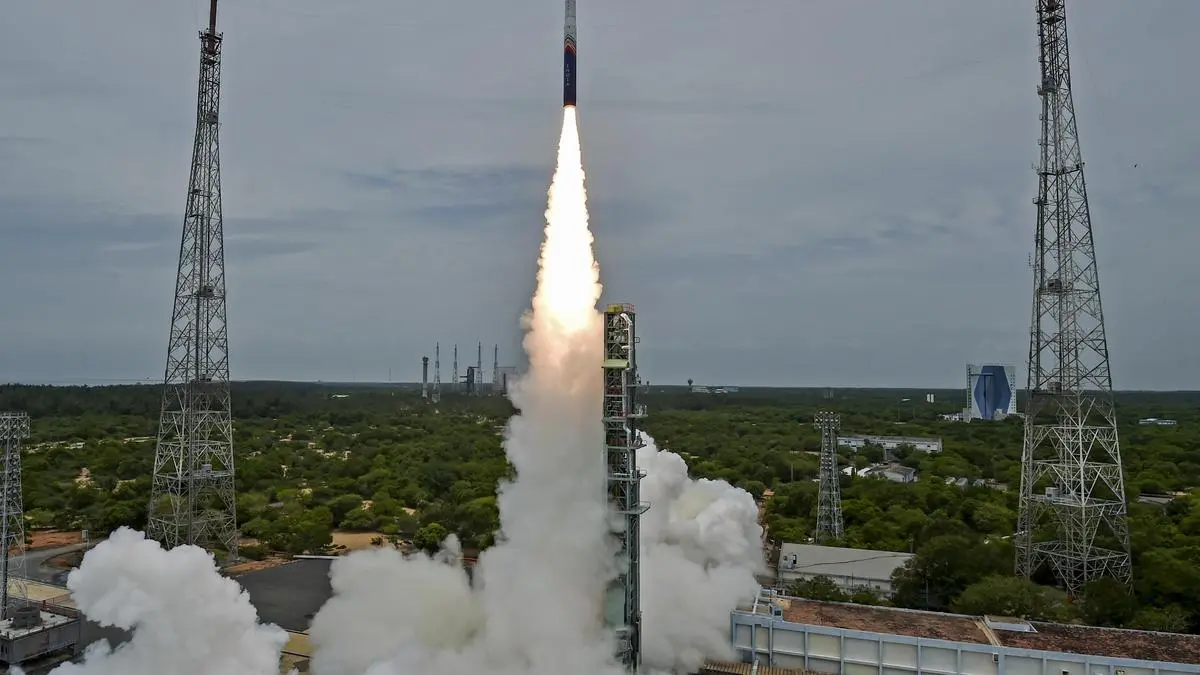
Skyroot competes in the small satellite launch segment, and that segment is already occupied by companies with years of flight history and tested pricing
| Photo Credit:
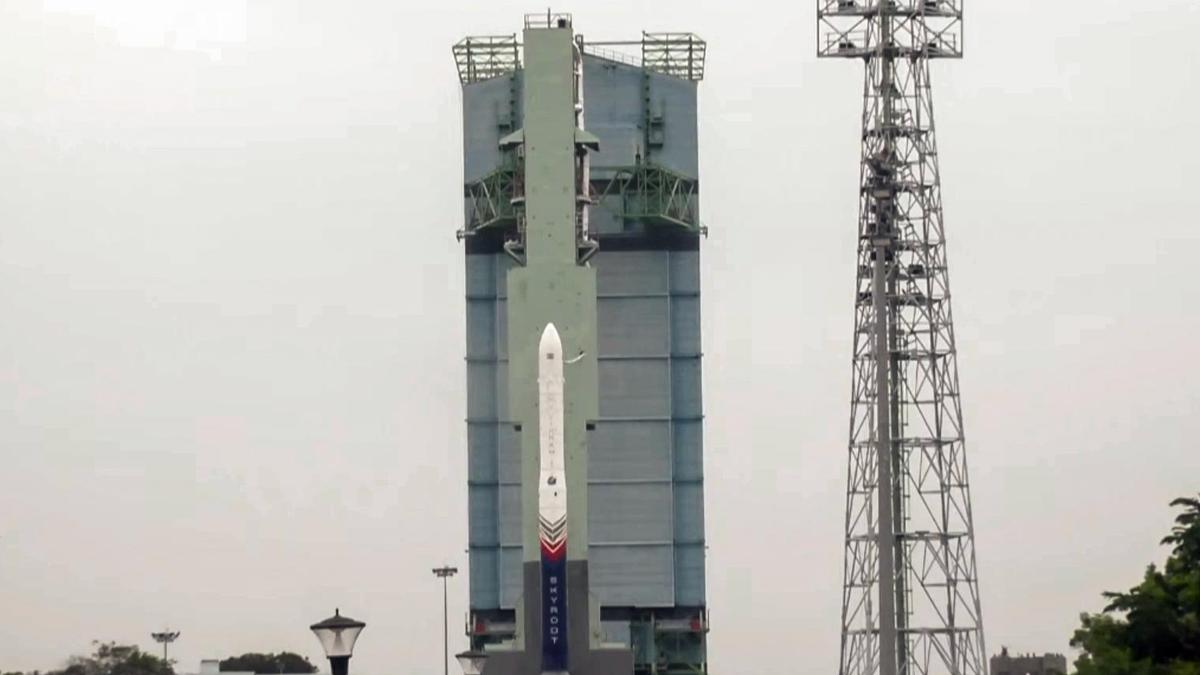
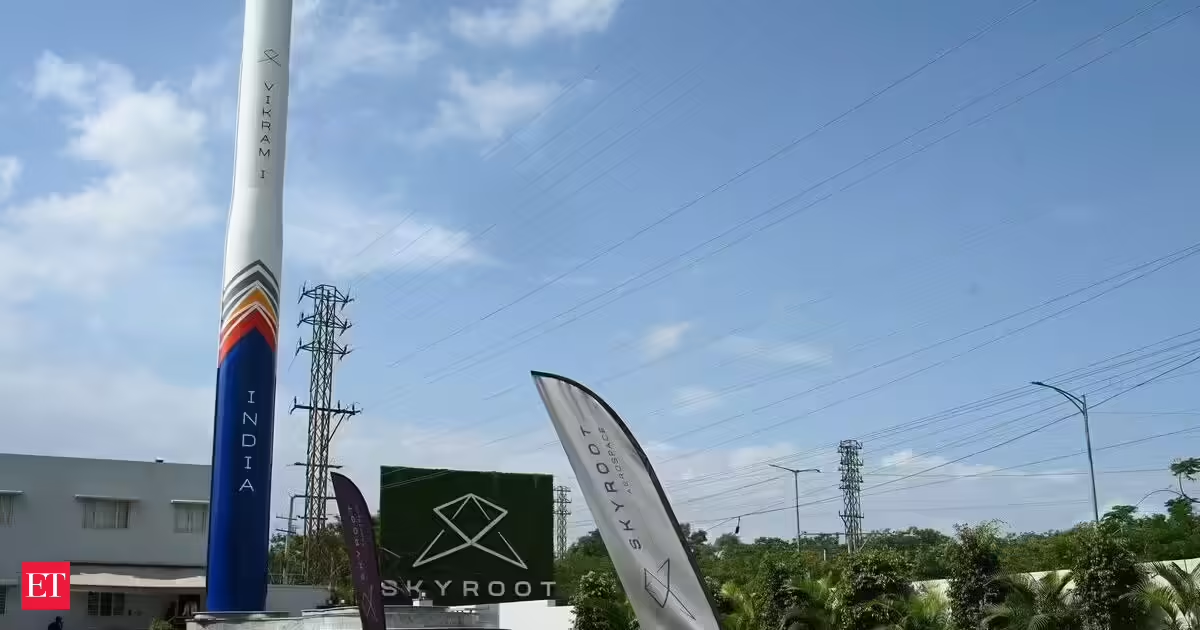
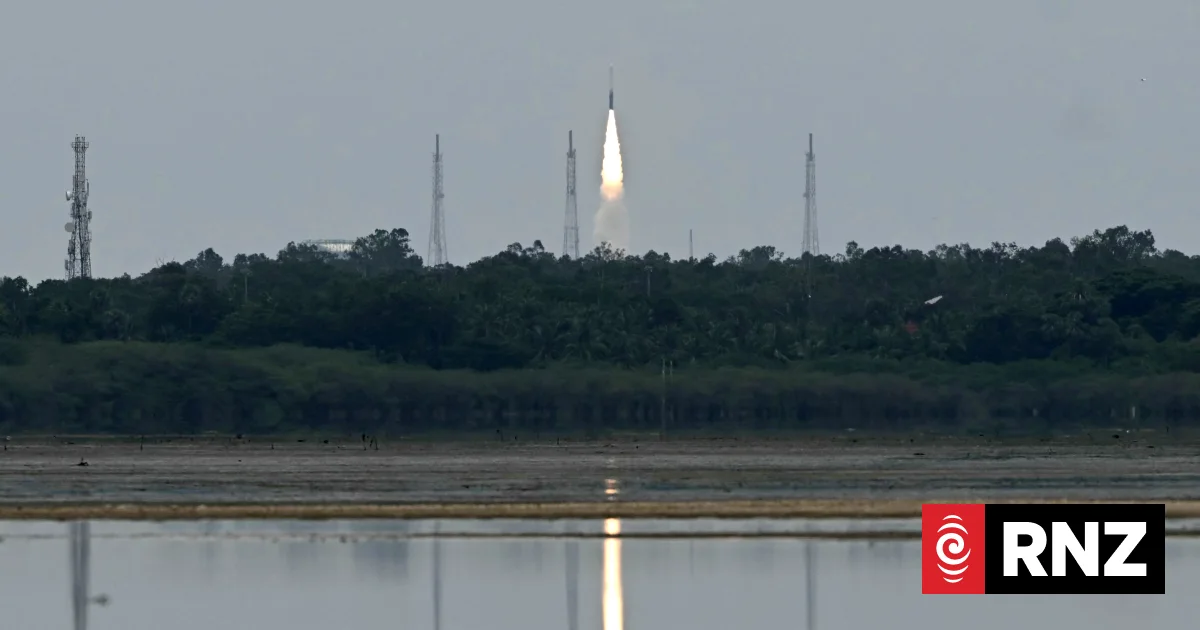
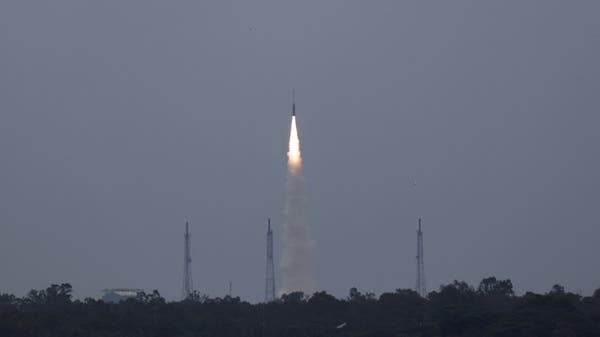
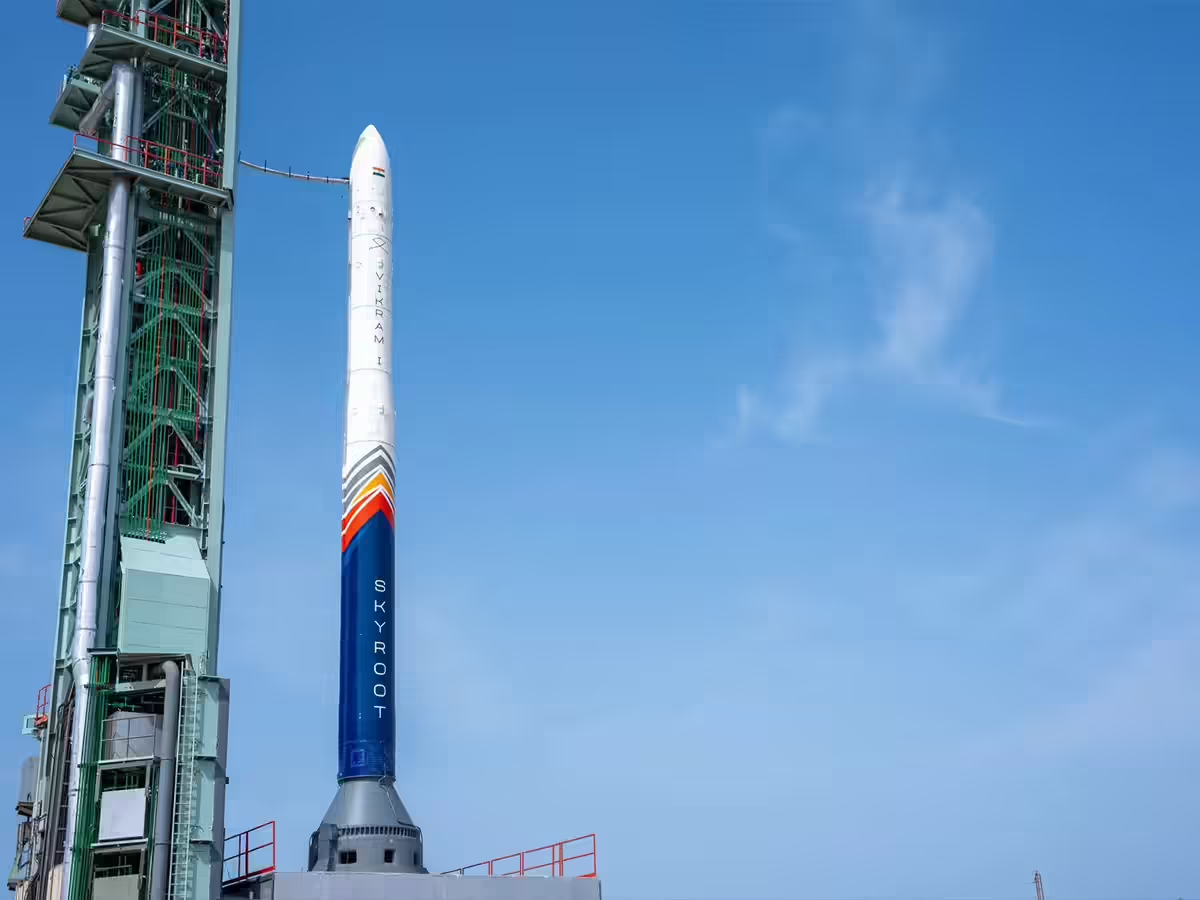
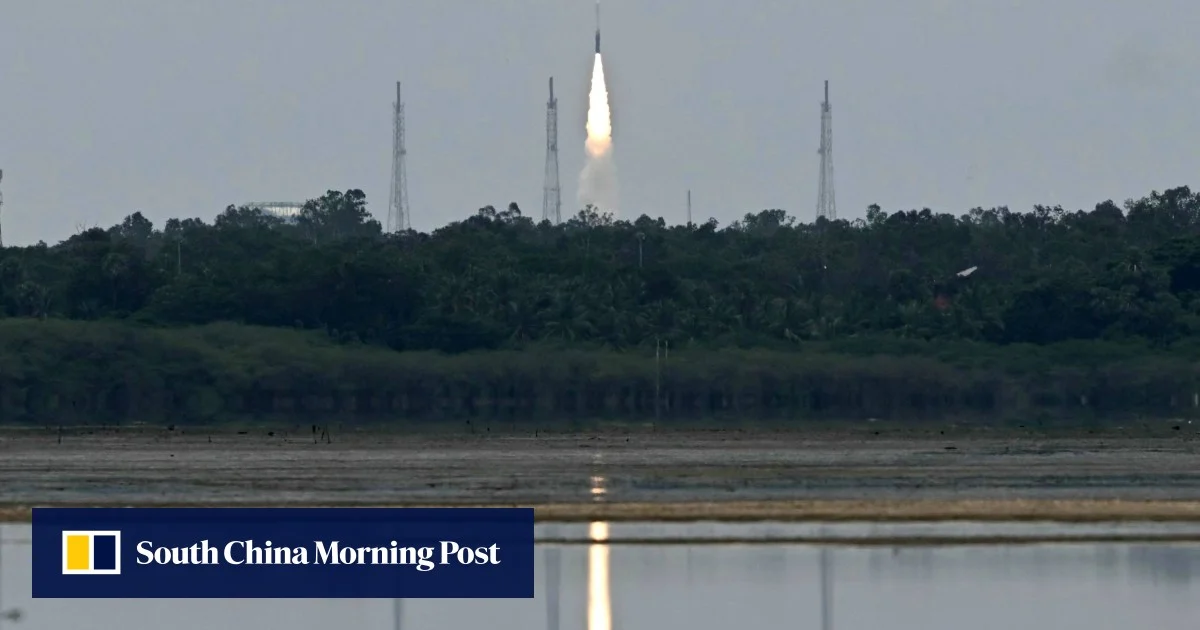
On July 18, a rocket built entirely inside India, funded by private capital, designed by a company that did not exist eight years ago, placed a payload into a 450 km orbit. Skyroot Aerospace’s Vikram-1 made India the third country, after the US and China, to have a privately developed orbital launch vehicle successfully reach orbit. Reaching orbit on a maiden flight is far from guaranteed, even for well-funded private ventures. Germany’s Isar Aerospace saw its Spectrum rocket fail shortly after lift-off on its own debut orbital attempt earlier in 2025. Vikram-1 got there clean, on its first try.This did not happen by accident. It is the outcome of six years of deliberate policy, since the government opened the space sector to private enterprise in 2020, and of a founding team, Pawan Kumar Chandana and Naga Bharath Daka, who left ISRO to build something India had never had: a commercially owned rocket capable of taking a satellite to space on demand. The company is now India’s first space-tech unicorn, valued at $1.1 billion after backing from GIC, Sherpalo Ventures and BlackRock funds. For a country that has spent decades watching SpaceX and Rocket Lab define what commercial space access means, Vikram-1 is a genuine entry into that conversation.The next question is the one that will decide what this entry is worth.Market profileSkyroot competes in the small satellite launch segment, and that segment is already occupied by companies with years of flight history and tested pricing. Rocket Lab’s Electron carries 300 kg to orbit for roughly $7.5 million, near $25,000 per kilogram, across 79 launches by the end of 2025. Firefly Aerospace’s Alpha carries 1,030 kg for close to $15 million, near $14,560 per kg. ISRO’s own Small Satellite Launch Vehicle prices out at roughly $7,050 to $8,270 per kg for payloads of 375 kg to 525 kg. SpaceX’s Falcon 9 has pushed dedicated launch to about $3,000 per kg at maximum payload, with ride-share slots as low as $6,000-7,000 per kg for customers willing to give up control over orbit and schedule.Skyroot has not published an official Vikram-1 price. Early commentary around this launch has assumed an Indian cost advantage over Electron and Alpha. That assumption remains unproven until Skyroot discloses commercial pricing. It will have to be earned, through cadence and a growing flight record, rather than claimed on the strength of one successful mission. Vikram-1 itself is rated to carry 350 kg on the orbit profile it flew for Mission Aagaman, with Skyroot’s own specifications listing up to 480 kg on lower-inclination orbits.The reliability factorCost per kilogram only matters if the rocket gets there. Globally, 2025 saw 329 orbital launch attempts, of which 321 reached orbit, according to Jonathan McDowell’s Jonathan’s Space Report, a reliability rate above 97 per cent, with wide variation between mature vehicles and new entrants.Rocket Lab closed out 2025 with a perfect record across 21 Electron and HASTE missions, confirmed in the company’s own year-end filing. Skyroot has now flown twice, once sub-orbitally in 2022, once orbitally this month, both successes. That is an excellent start. It is not yet the flight history that lets an international satellite operator book a 2027 launch with the same confidence they would extend to Electron or Alpha.Where the opportunity sitsNone of this diminishes what has been built. Sovereign, on-demand access to orbit ends India’s dependence on the launch queues of other nations, a consideration that matters as much for defence and strategic communications as for commercial customers. It anchors a domestic supply chain, in carbon composites, 3D-printed propulsion and precision manufacturing, with uses well beyond rocketry. India’s own space economy is targeted to grow from $8.4 billion in 2022 to $44 billion by 2033, and Skyroot’s path to meaningful revenue runs through exactly the kind of monthly launch cadence it has yet to demonstrate. Launch economics improve with utilisation for any provider: fixed manufacturing and infrastructure costs are spread across more missions, and insurance premiums tend to fall as a reliability record lengthens.Skyroot’s leadership has already identified where the opportunity lies. The company expects only a third of demand to be domestic, with Southeast Asia, Japan, the US and Europe accounting for the rest. That international customer will choose on price, schedule reliability and insurance cost, the last of which falls only as a flight record lengthens. This is the commercial task in front of Indian private space now: convert a proud first flight into a launch cadence and a disclosed, verifiable cost per kilogram that a customer in Tokyo or Singapore chooses over Rocket Lab, on merit rather than sentiment.Vikram-1 has done what it needed to do. It reached orbit, on the first try, as a private Indian company. What it does over the next dozen launches, not this one, will determine whether India’s private space sector becomes a serious commercial player in the global launch market or a proud milestone that international customers admire without buying.Suseel is former Managing Director, and Sudhakar is former Executive Director (Marketing), LIC. Views are personal. All data are drawn from publicly available sourcesPublished on July 21, 2026