Tokenized equities — or tokenized stocks, as they’re more commonly known — show the inroads crypto is making into Wall Street. These are blockchain-based tokens that represent traditional equities such as corporate shares, ETFs, and index products.
Unlike traditional equities, tokenized stocks can be self-custodied in digital wallets, moved permissionlessly, traded at any time, and used seamlessly as collateral across onchain finance. In just the past couple months, Coinbase, DTCC, NYSE, Robinhood, and others have made moves here, ranging from processing trades onchain to forming new joint ventures to launching new chains.
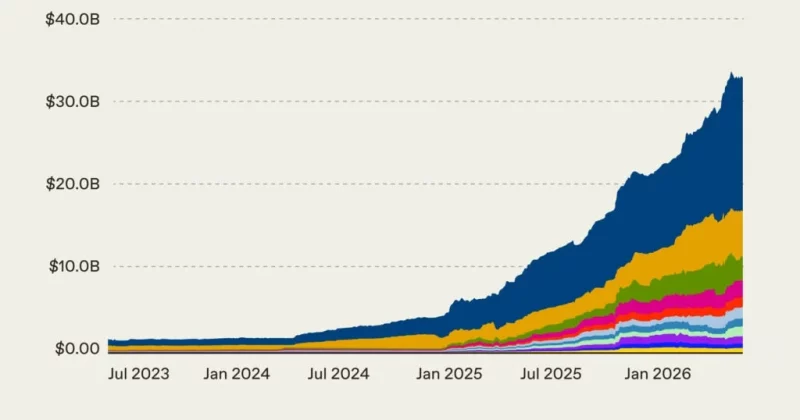
The momentum shows up in the data. The market cap of tokenized stocks reached about $1.7 billion at the end of June, up from $329 million a year earlier — more than 5x growth. This makes tokenized stocks one of the fastest-growing categories of tokenized assets (which some refer to as real-world assets).
How much of that growth comes from new issuance versus price appreciation of the underlying stocks? Unlike stablecoins, whose circulating supply is a direct proxy for demand — one token, one dollar — tokenized stocks move with their underlying equities, so market cap does not cleanly separate the effects of new tokens minted and existing tokens repricing.