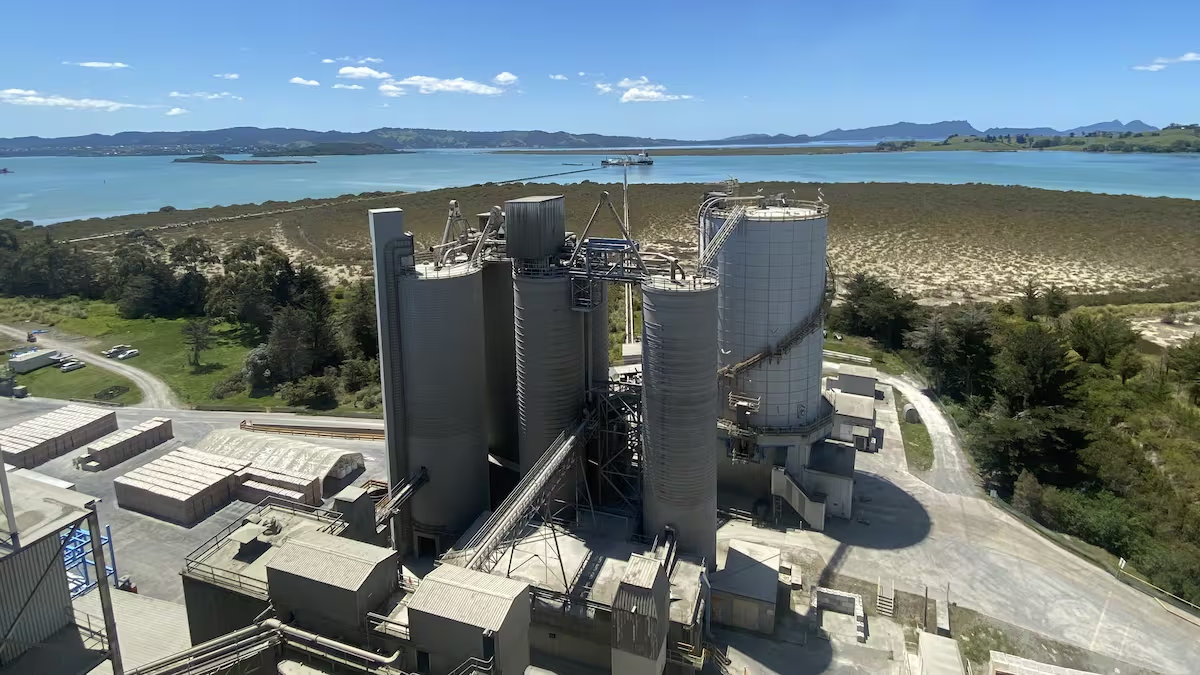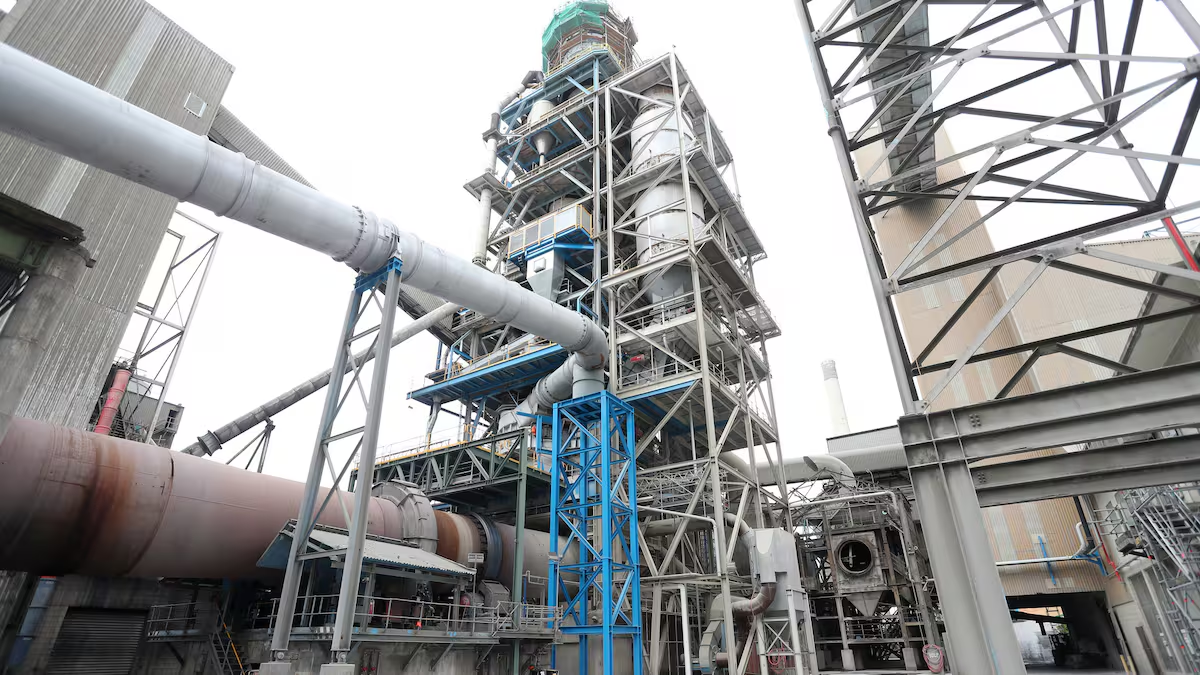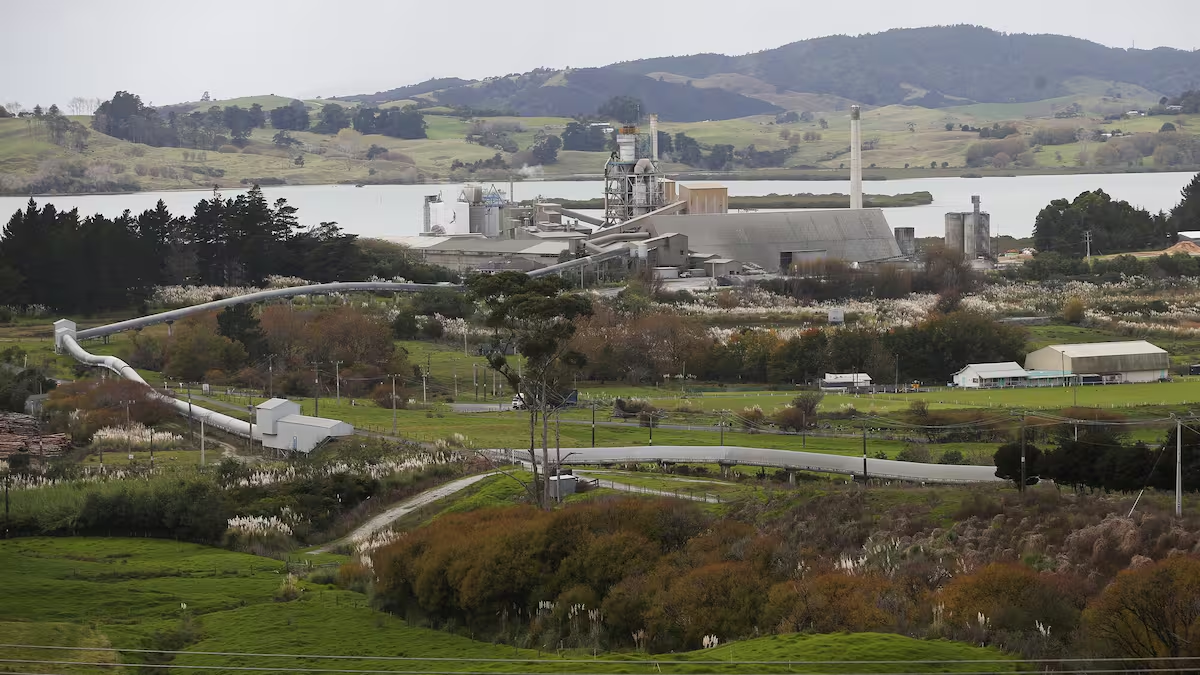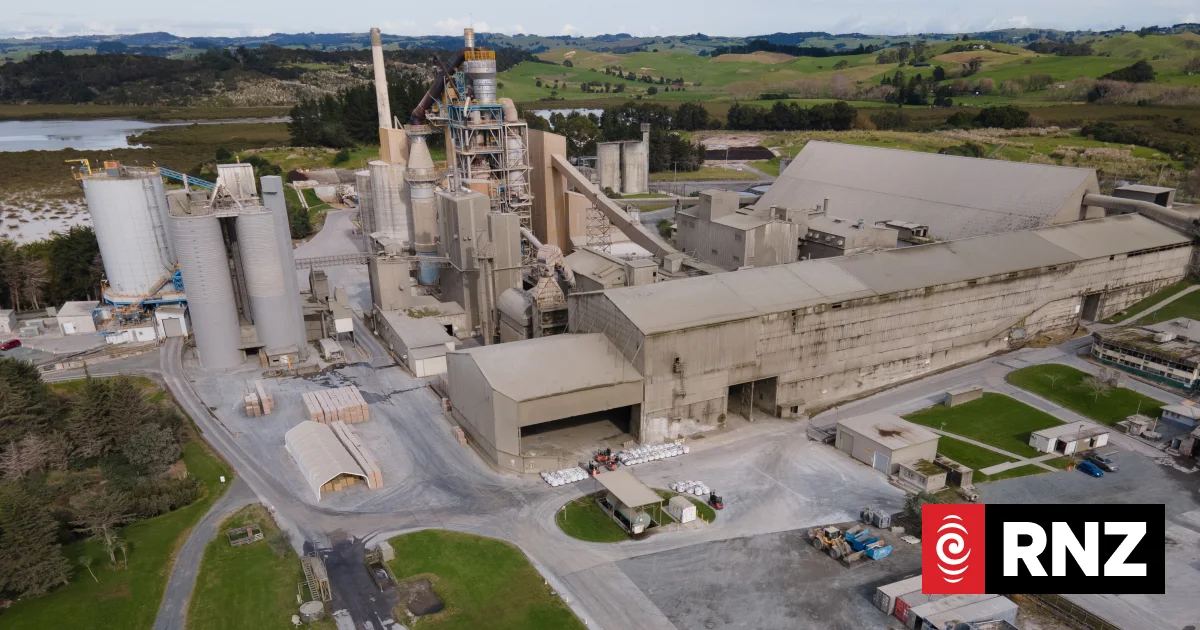
Analysis - It's hard to imagine Finance Minister Nicola Willis was particularly thrilled about handing over $60 million to one of New Zealand's major listed companies, Fletcher Building, so its subsidiary Golden Bay Cement could keep manufacturing cement at its plant near Whangārei.But in the end, a subsidy of some kind looks like a practical decision she probably had little choice but to make.Golden Bay Cement is New Zealand's only cement manufacturing facility, supplying roughly 60 percent of the cement used here.Closing the plant and moving to an import-only facility from 2030, as Fletcher Building had signalled might need to happen if it did not get help, would surely not be in the interests of the country.New Zealand has a lot of infrastructure to build in coming years - would we really want to rely only on imported cement, in a world where supply chains are disrupted and protectionism is on the rise?The best Willis could do was ensure there were plenty of safeguards around this deal, so taxpayers' money is as well spent as possible.And there are some, it seems.Fletcher Building has committed to investing at least $150m of its own money in the plant through to at least 2040, covering operations, decarbonisation and resilience, with claw-back provisions if it does not deliver.The decarbonisation part is important, as the cost of being part of the Emissions Trading Scheme is a key factor in Golden Bay Cement's struggles and inability to compete with foreign competitors.Cement imports do not face the same ETS charges.Willis says she did consider changing ETS settings to help Golden Bay Cement, but in the end decided doing so might undermine the wider integrity of the scheme and cost the government more.A specific one-off grant was deemed the best option.Supplied / Fletcher BuildingThe decision to keep the cement flowing in Northland is not yet drawing much criticism, with even ACT, the party of the free market, saying it supports keeping New Zealand's only cement manufacturer operating.A ''necessary evil" was how ACT leader David Seymour described it.ACT's issue, however, is with the ETS and its impact on Golden Bay Cement's ability to compete.It claims this is evidence that New Zealand's climate change settings are not working for the country because they are loading emissions costs onto businesses.The Employers and Manufacturers Association is strongly welcoming the move.It sees it as a practical step. One that is also an important signal that New Zealand is more focused on resilience and looking after sectors critical to its economic future.Perhaps that is not surprising, as just this month it issued an election policy document encouraging the government to offer financial incentives to firms critical to the economy.The idea was even backed by the leading union E tū.The government has been at pains to stress this is a one-off case.Some in the forestry and mill industry, of course, may feel a little aggrieved. They too have faced multiple closures in recent years due to rising costs.However, the government would likely argue that wood simply doesn't have the same supply chain weakness as cement, where New Zealand has just one manufacturer.All of this does suggest something has shifted a little in New Zealand's political and economic landscape when it comes to government involvement in backing core industries.More broadly, there seems to be a deeper recognition that New Zealand must now be smarter about its self-reliance in a world of oil shocks and Trump tariffs.Industries such as steel, cement or fertiliser suddenly look a lot more important.The real challenge here, of course, is making sure the right sectors and industries get help, and that the government does not simply hand out money to companies that should be lifting their own productivity.So, conditions need to be applied strongly, and the companies involved must do all they can to modernise, electrify and compete on their own in future.
Finance Minister Nicola Willis had little option but to protect local cement supply
Analysis - It's hard to imagine Finance Minister Nicola Willis was particularly thrilled about handing over $60 million to one of New Zealand's major listed companies, Fletcher Building, so its subsidiary Golden Bay Cement could keep manufacturing cement at its plant near Whangārei.
641 words~3 min read