TL;DRSeoul National University’s SafeDrive model scores multiple driving paths for safety before choosing one. First Korean end-to-end autonomous driving paper to earn a CVPR highlight.
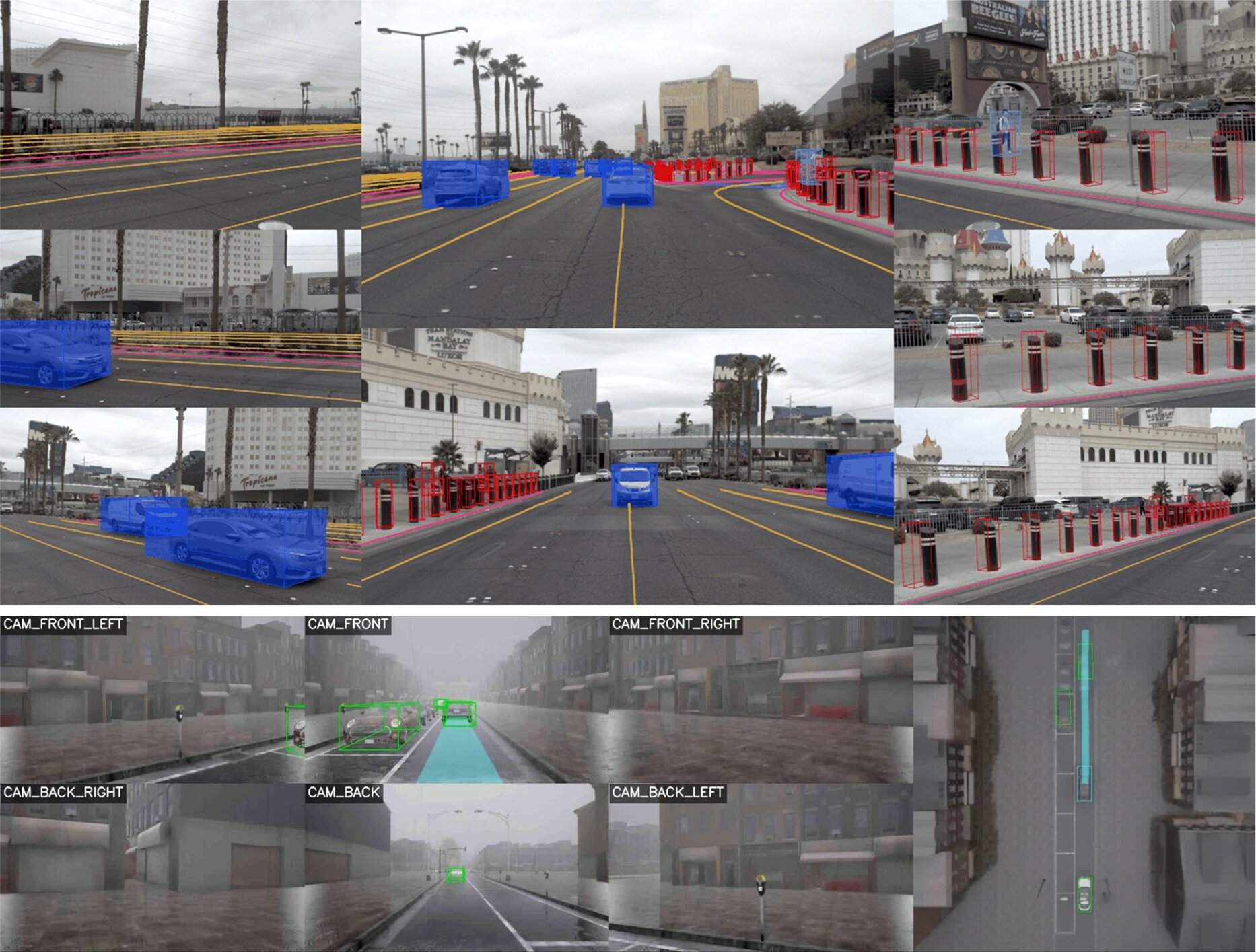
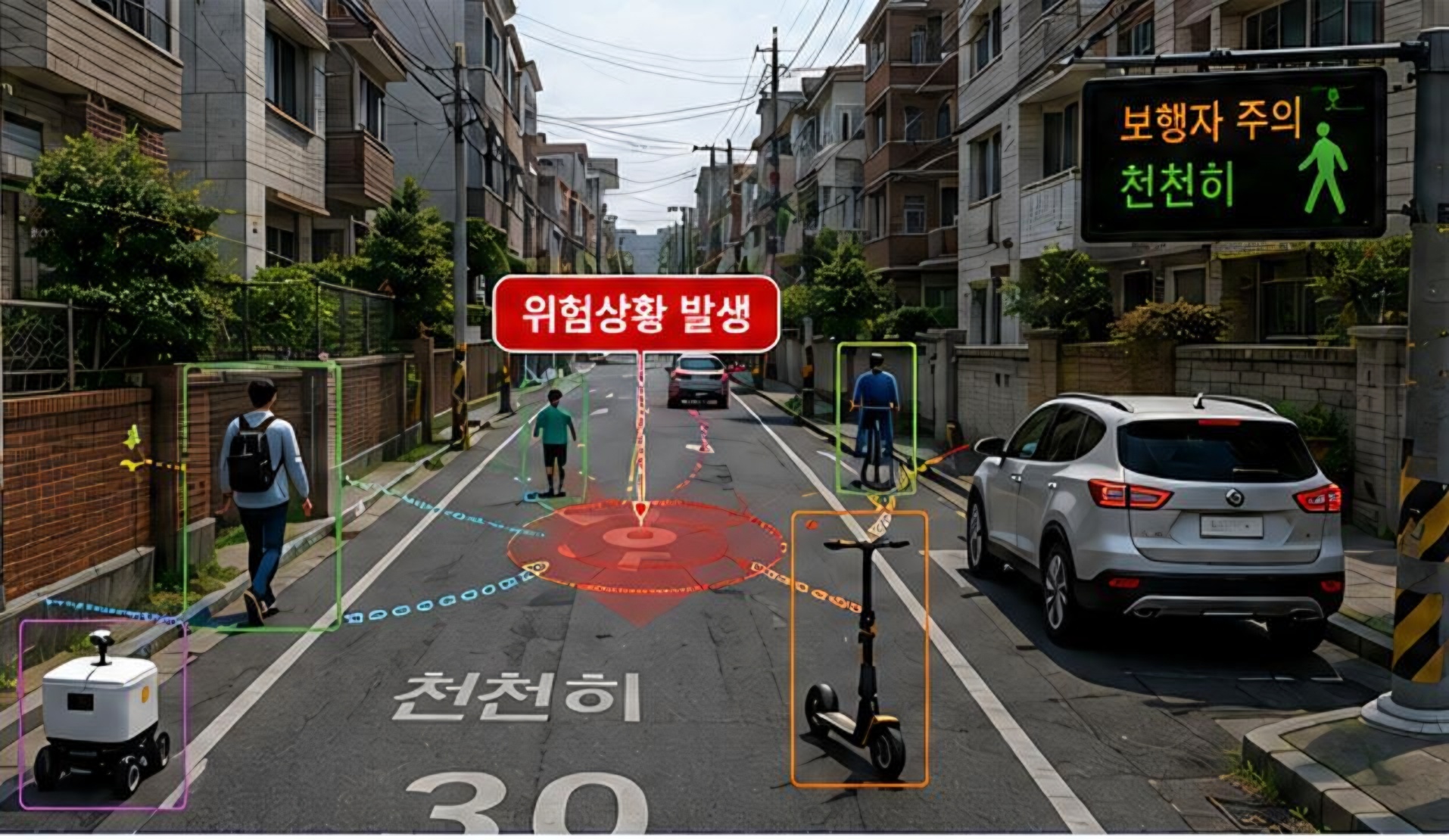
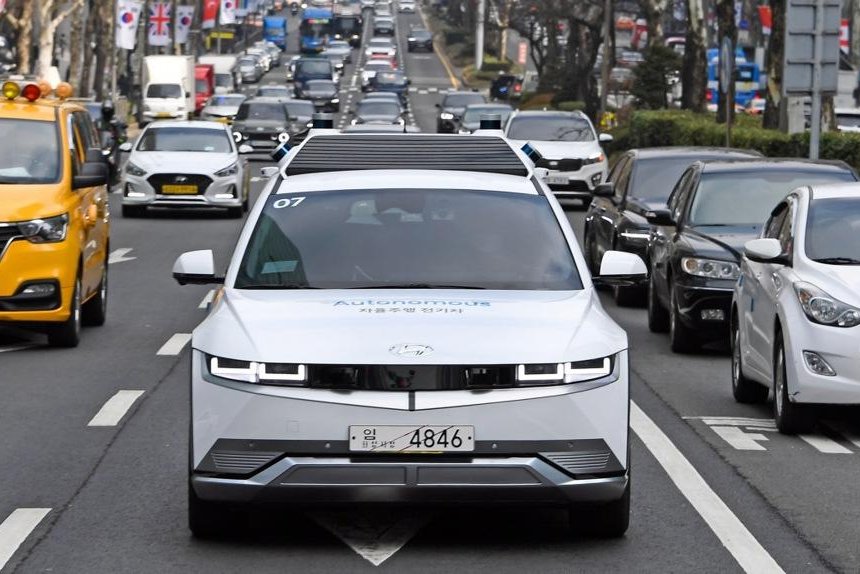
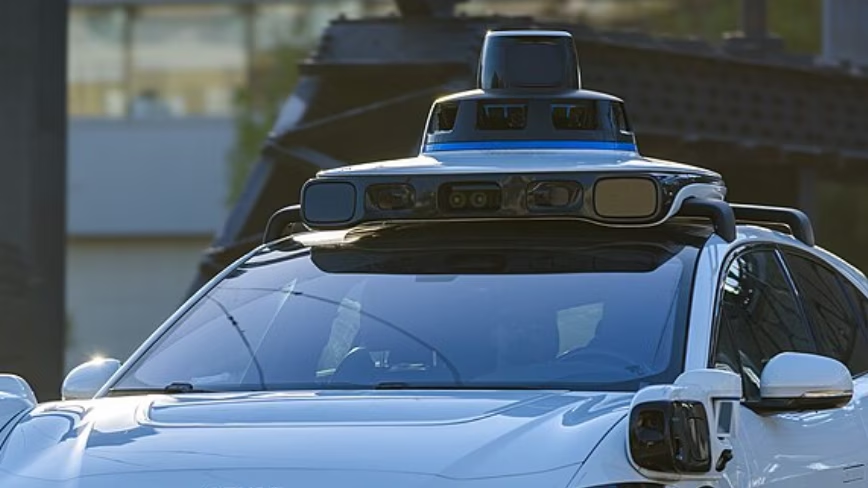
Most self-driving AI models study how humans drive and try to copy them. They work well in normal conditions but struggle to explain why they chose one path over another, which becomes a problem when a split-second decision goes wrong. A team at Seoul National University led by professor Jun Won Choi has built a model called SafeDrive that takes a different approach: it generates several possible trajectories, scores each one for safety using sensor data, and picks the path that scores best. The car shows its work.
The technique, called Fine-grained Safety Reasoning, was selected as a highlight paper at CVPR 2026, the leading computer vision and AI conference. Roughly 3% of submissions earn the distinction. It is the first time a Korean-developed end-to-end autonomous driving paper has received a CVPR highlight, a signal that South Korea is producing competitive research in a field dominated by US and Chinese labs. South Korea committed $880 billion over a decade to AI, chips, and robotics, and SafeDrive is one of the first results of that investment to earn top-tier academic recognition.