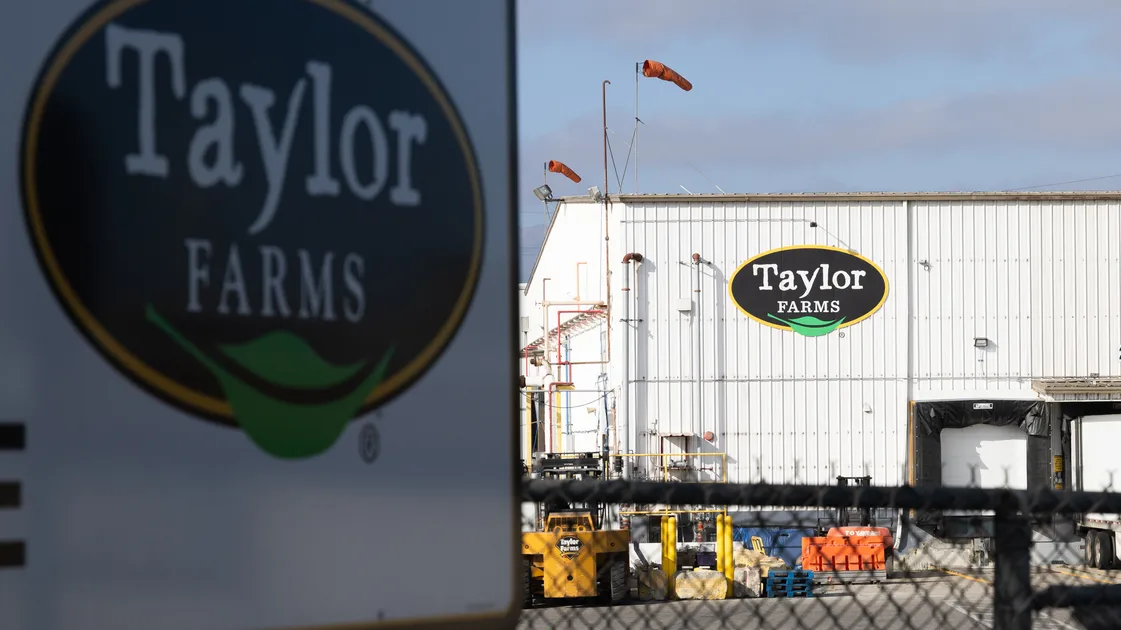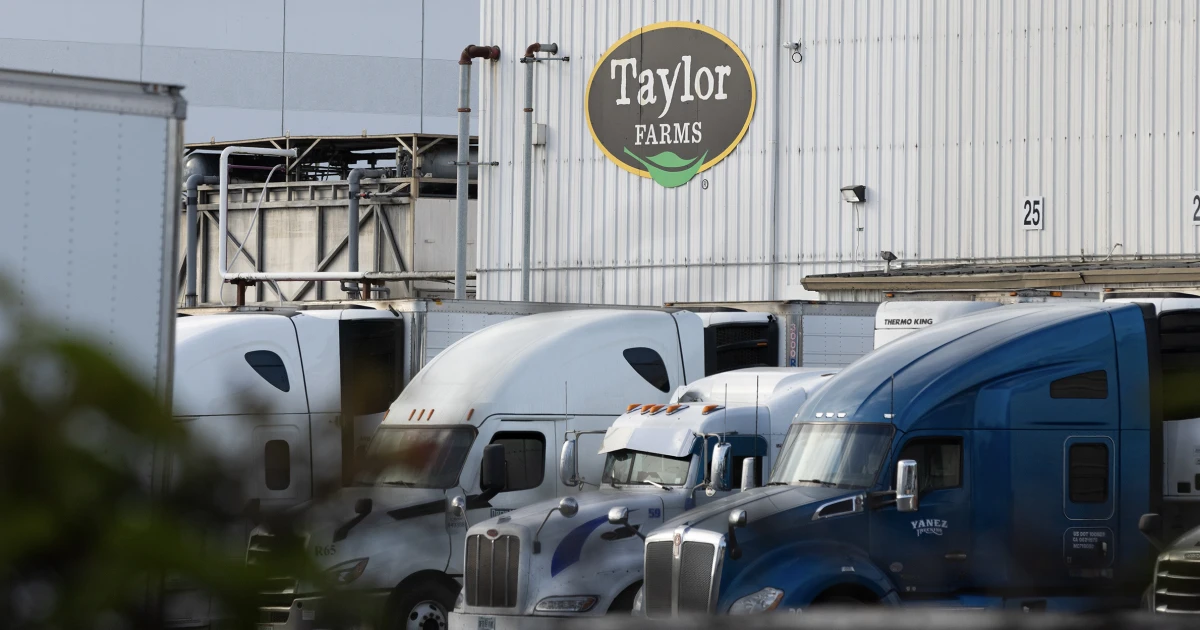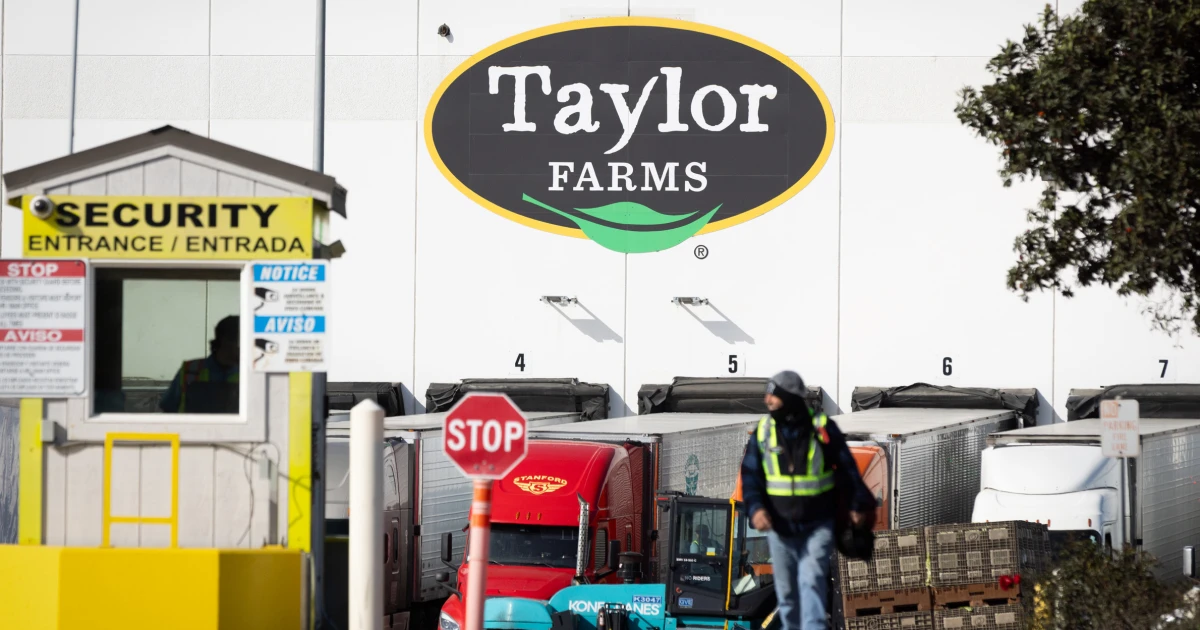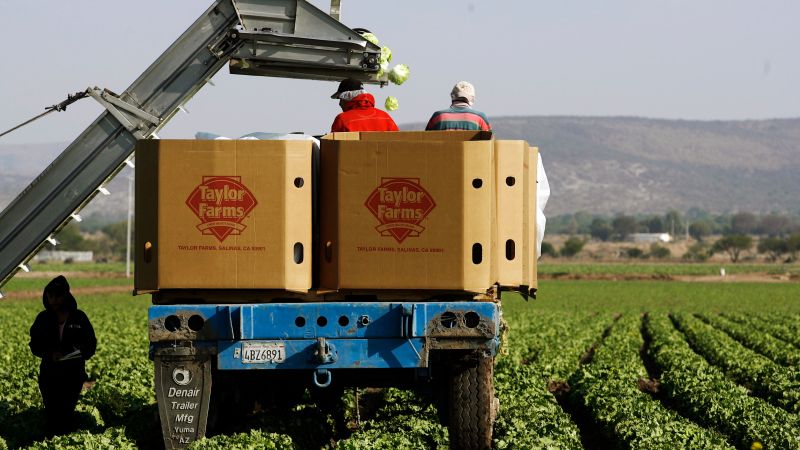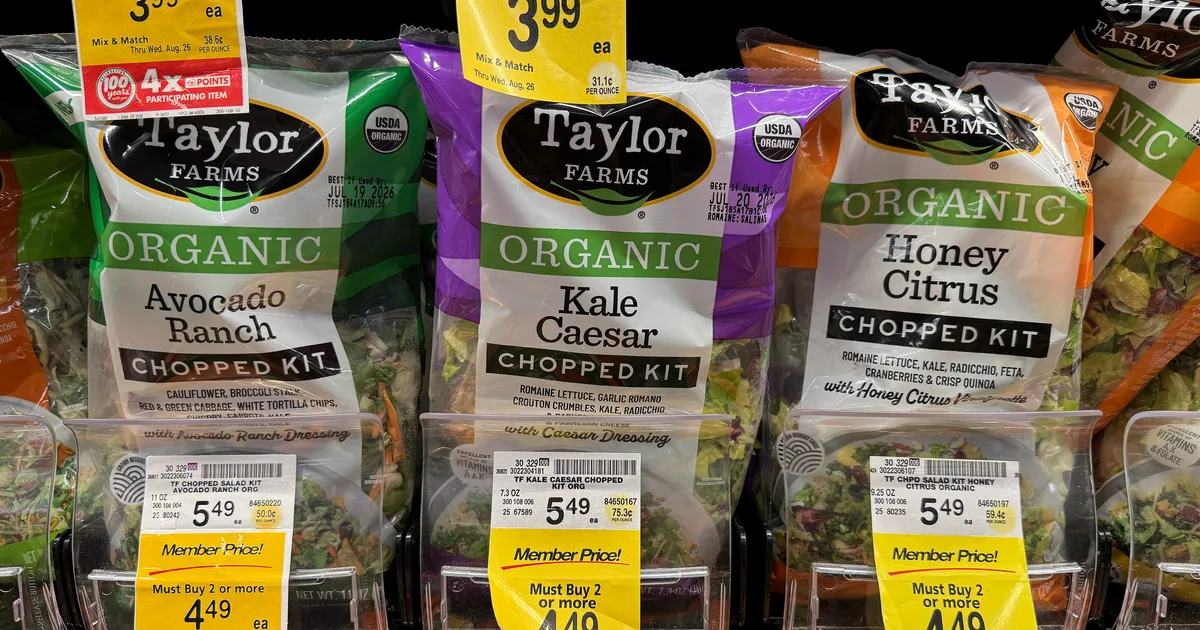
The federal investigation into a multi-state outbreak of the diarrhea-causing infection cyclosporiasis got even more confusing Monday.The U.S. Food and Drug Administration confirmed a Taylor Farms lettuce recall related to the outbreak, despite the agency announcing a “false positive test.” “It’s important to note that the reevaluation of the sample does not alter the data supporting the outbreak advisory that prompted the current voluntary recall,” Donald Prater, the Acting Deputy Commissioner for Food, said Monday. “False positives are not common.”The initial detection of the cyclospora parasite that causes the disease was traced to shredded iceberg lettuce from central Mexico. The FDA had informed Taylor Farms of that detection Saturday and the California company issued a voluntary recall of all affected lettuce.On Sunday, the FDA said the test “should be considered a false positive,” and Taylor Farms said the FDA had “apologized.” On Monday, the FDA denied apologizing to Taylor Farms.The FDA denied apologizing to Taylor Farms after the health agency linked the cyclospora parasite to a lettuce sample from the California company. The FDA said it was a 'false positive' (Getty Images)The Independent has asked Taylor Farms for comment.In an X post Monday, the FDA also wrote: “To clarify, this false-positive lab sample DOES NOT change the basis for FDA’s ongoing outbreak investigation or the overwhelming epidemiological data supporting the current voluntary recall by Taylor Farms.”There are currently no confirmed positive product samples for cyclospora from Taylor Farms or other companies.Cases of cyclosporiasis — which can cause “explosive” diarrhea — have risen sharply across the country in recent weeks, with health officials unable to identify a definitive source. Federal officials had previously said fast-food chain Taco Bell — which stopped serving lettuce at some Michigan locations — was under investigation, resulting in at least one lawsuit. The Centers for Disease Control and Prevention also said Saturday that the outbreak had been linked to iceberg lettuce in five states.The CDC is investigating nearly 7,000 confirmed and suspected cases nationwide as of July 13. By comparison, this time last year, there were less than 250 cases, according to The Hill.State data, however, points to an even broader outbreak, with Michigan alone reporting more than 5,000 cases, alongside over 500 in New York and more than 300 in Illinois.Part of the reason for the discrepancy between federal and state data is that states may report both confirmed and probable cases, while the CDC does not include unconfirmed cases in its tally.Federal health officials have also come under scrutiny after the CDC removed cyclospora from a key foodborne illness monitoring program known as FoodNet last summer.Dan Jernigan, former head of the CDC’s Center for Emerging and Zoonotic Infectious Diseases, downplayed the move’s immediate impact, telling The Washington Post that excluding cyclospora from FoodNet likely did little to hinder the current response.The illness is caused by consumption of the cyclospora parasite , and symptoms can take over two weeks to manifest, officials say.But other public health experts argue the issue runs deeper. They pointed to Trump administration staffing and funding cuts that have slowed the agency’s ability to detect and contain outbreaks. “The response is being hampered by the loss of specialized staff and the loss of hands-on-deck needed to identify the source of the outbreaks,” Dr. Joel Barratt, who previously led a federal lab focused on parasitic diseases, told CNN.Though rarely life-threatening, cyclosporiasis can lead to a nasty array of symptoms, including what officials describe as “explosive bowel movements,” as well as fatigue, low-grade fever, nausea and vomiting. Most cases resolve without treatment, though people experiencing symptoms are encouraged to seek medical attention, according to the CDC.The illness, spread through food or water contaminated with fecal matter, can take more than two weeks to manifest symptoms — complicating efforts to trace its origins.While infections occur year-round, particularly during the summer months, the latest outbreak appears unusually large. According to CNBC, only a handful of outbreaks over the past two decades have surpassed 1,000 reported cases, placing the current surge among the more significant in recent memory. Past outbreaks have been linked to contaminated produce, including cilantro and basil.To reduce risk, public health experts recommend a battery of precautions: thoroughly washing hands with soap before handling produce, scrubbing fruits and vegetables, peeling outer layers when possible and cooking them where feasible. Bananas, kiwis, avocados and potatoes are considered safer bets for those worried about the illness.It’s unclear when exactly consumers can expect the current outbreak to subside.“What's different this year is the unusually high number of cases and the fact that investigators still haven't identified a specific source," Dr. Suraj Saggar, chief of infectious diseases at Holy Name Medical Center in New Jersey, told USA Today.
FDA says recall on Taylor Farms lettuce remains active despite ‘false positive’
The FDA said a recall of iceberg lettuce from central Mexico still stood
781 words~4 min read