Hundreds of public-facing pages disappeared this summer, including resources that helped Americans reduce energy use and utility costs.
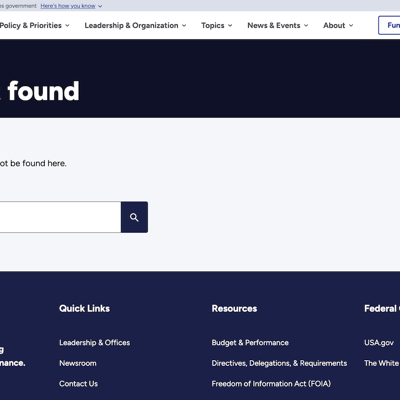
Screengrab by GovExec
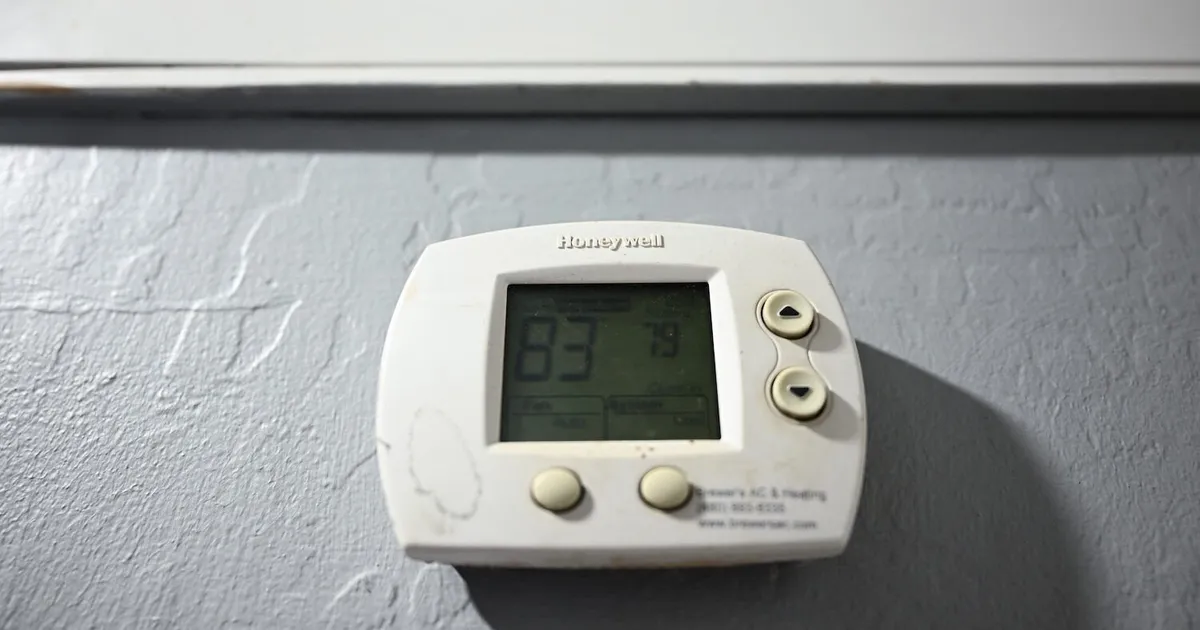
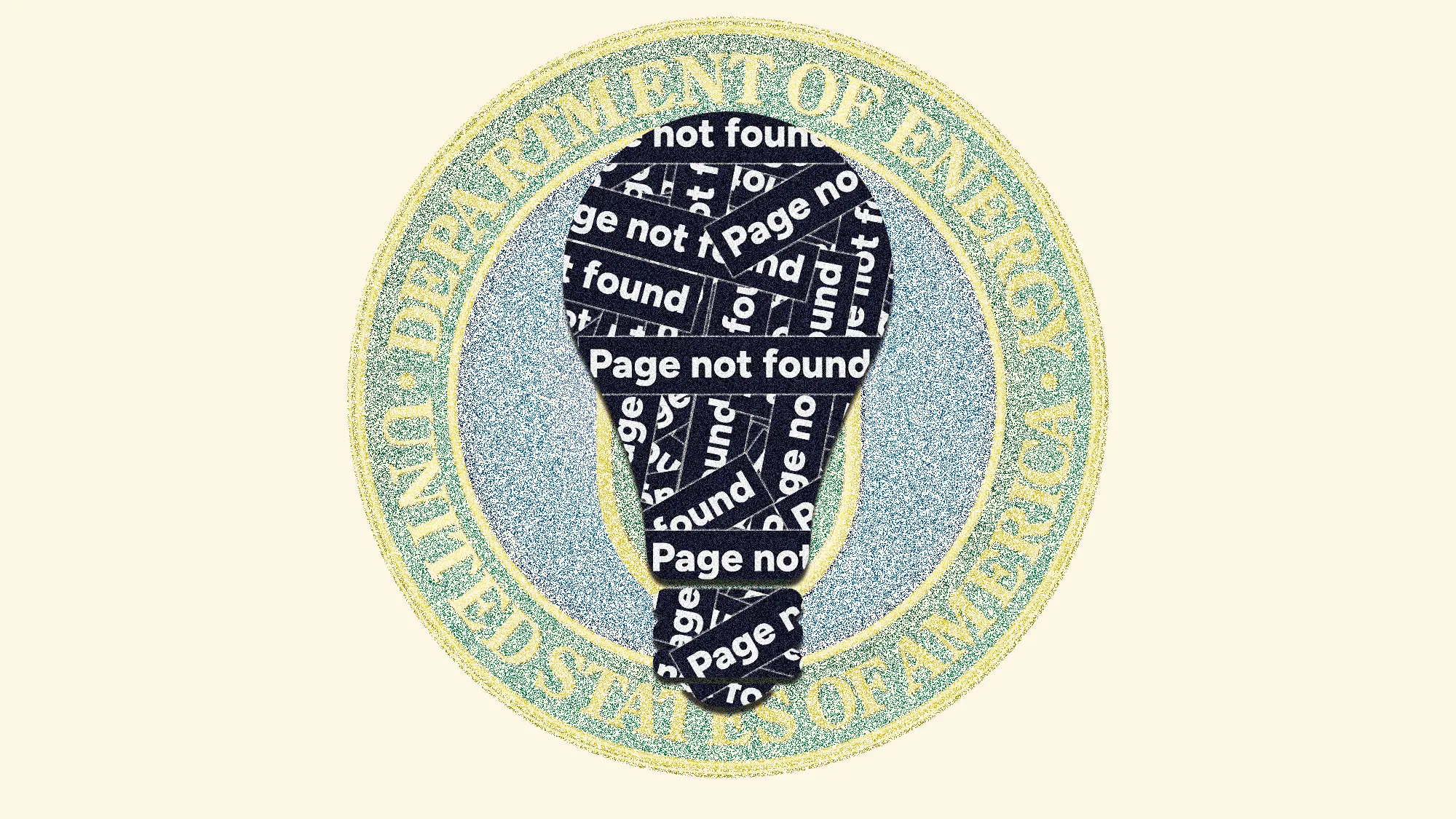
If you wanted to save some money by learning how to check your home for air leaks, poor insulation, and power-hungry lightbulbs, the Energy Department website was ready to help. And if you needed an expert, the site guided you to another page for help lining up a professional energy assessment, a well-established first step to cut utility bills and curb pollution at the same time. That is, until this summer, when both of those resources vanished from the agency’s site, each now redirecting to “Page not found.” They were taken down by July 3, around the same time that the Department of Energy deleted more than 1,600 pages from the Energy Saver section of its site, gutting a resource for people looking to conserve energy and lower bills.“I can’t remember another time that, with DOE specifically, we’ve seen an entire domain go down the way that [it] has been reported on now,” said Izzy Pacenza, who monitors government websites for the Environmental Data and Governance Initiative. Over a 30-day span this summer, as swaths of the country suffered under heat waves, more than 300 of the webpages had received 160,000 page views, according to an analysis from The Guardian.The news coverage of the missing websites has focused on the disappearance of one recommendation in particular. Ahead of a heat wave that roasted New York City with 100-degree temperatures earlier this month, Mayor Zohran Mamdani asked businesses and residents to set their AC to 78 degrees to conserve energy, drawing the ire of Republicans who mocked the restrictions as “socialism.” Internet sleuths were quick to notice that similar guidance had vanished from the Department of Energy’s website, which used to direct people to keep their thermostat between 75 and 78 degrees. The timing suggested that the agency might have removed the pages as a rebuke to Mamdani’s advice.The purge looked suspiciously timed for another reason: On July 2, the Energy Department announced a proposed rule to make it harder for future administrations to approve energy efficiency standards for household appliances, saying it would “permanently end Green New Scam appliance mandates.” The move was part of the Trump administration’s broader attack on energy efficiency requirements.The Environmental Data and Governance Initiative has argued that Trump’s federal agencies tend to remove information from their websites related to regulatory changes they just announced, which limits access to information people could use to oppose agency proposals during the legally required public comment period. But the facts that would be most relevant here — the agency’s information about its Appliance and Equipment Standards Program — remain on the site, pointed out Andrew deLaski, the executive director of the Appliance Standards Awareness Project. “I haven’t seen things come down that are directly related to the appliance standards program,” he said.