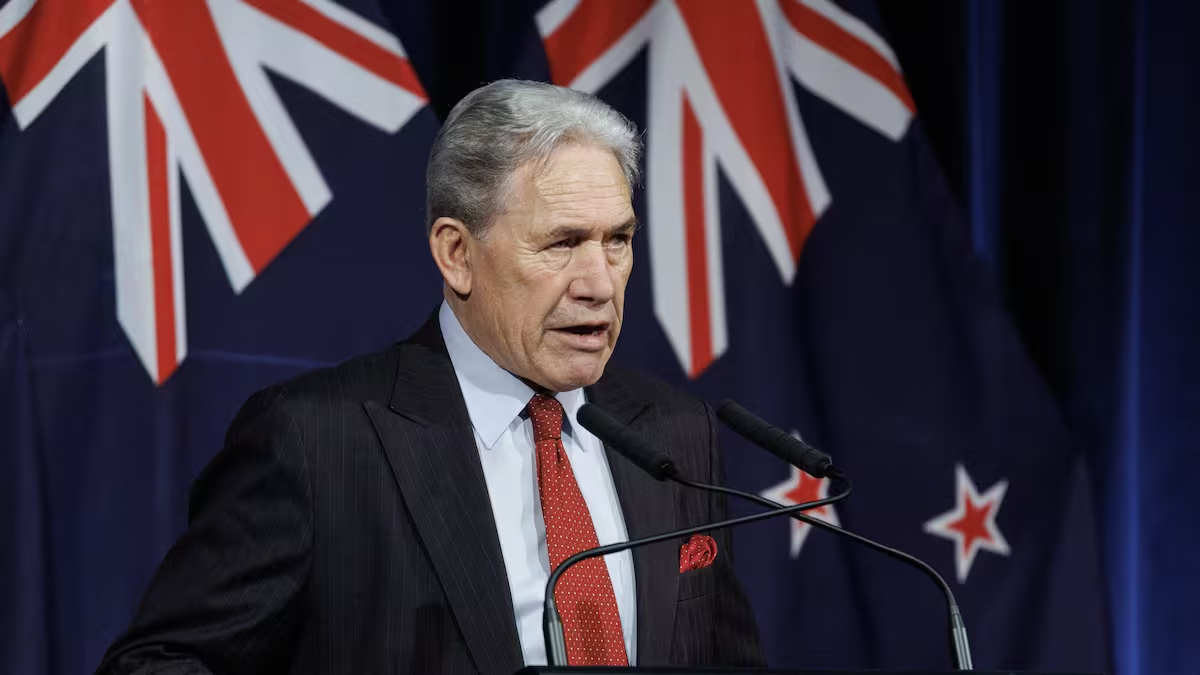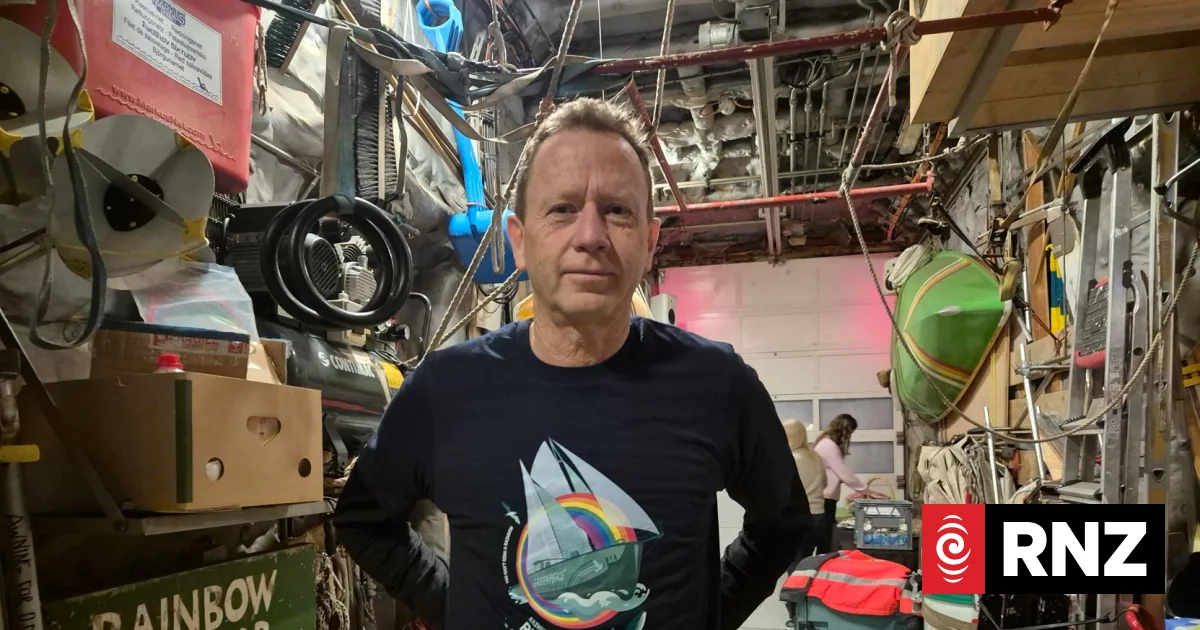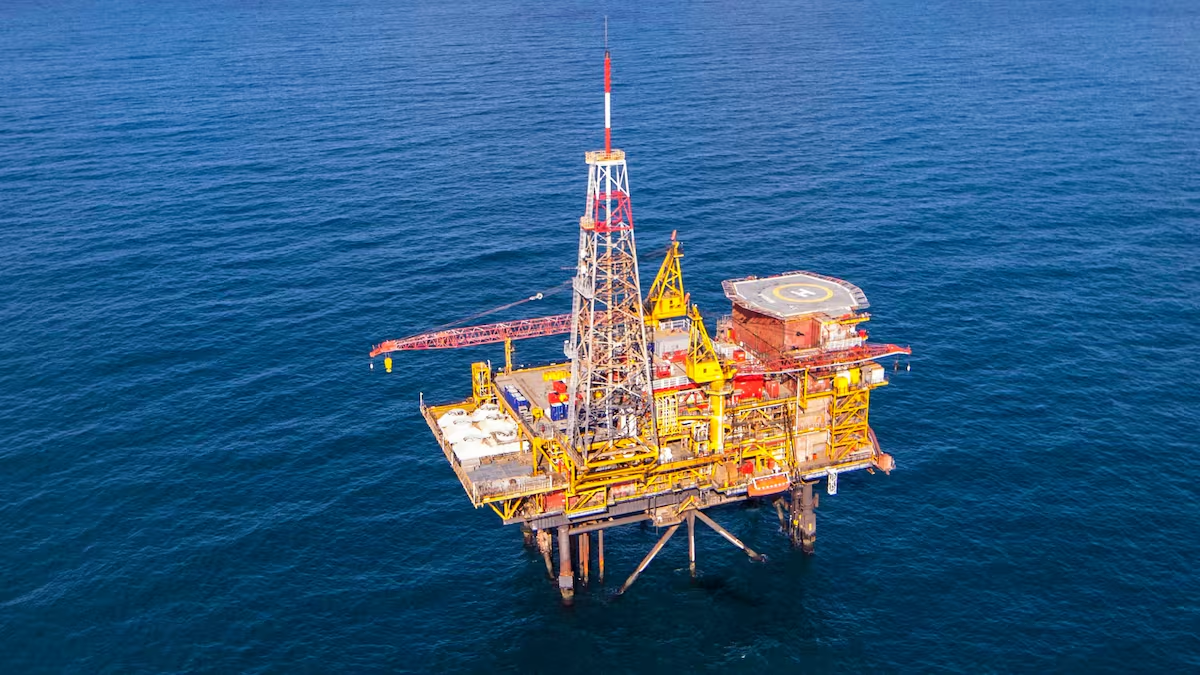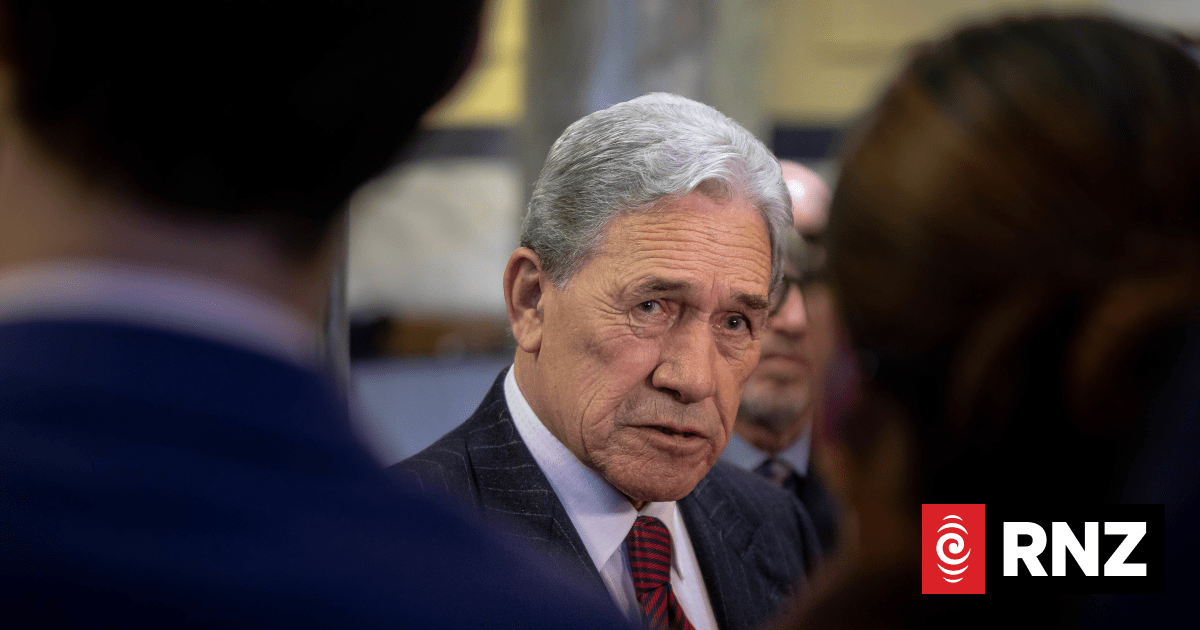
New Zealand First's oil and gas exploration policy is "a very high-risk way to spend $1 billion", a resources law expert says.Another researcher in the field says the policy is unlikely to achieve the party's aim of shoring up domestic fuel supply.At the party's campaign launch on Sunday, leader Winston Peters announced New Zealand First would invest $1 billion in a 'National Subsurface Development Survey', to identify and create a single dataset across oil, gas, geothermal and carbon dioxide storage sites.Peters said New Zealand potentially held Norway-scale energy prospects beneath the seafloor and the odds of a major commercial discovery were "well above 90 percent"."If we identify those reserves in our basins, we will have the ability to utilise the natural resources we have to make our country secure, prosperous and to build real resilience."University of Waikato energy and natural resources law professor Barry Barton said he did not know where Peters got the 90 percent figure from."And in a situation like this, even to use the word 'reserves' is dangerous. The best you can hope for is you find something that may be a resource."Barton said what the party was proposing investing in was "not investment-grade stuff", but a first step that might yield nothing at all.University of Waikato energy and natural resources law professor Barry Barton.Supplied / University of Waikato"The challenges of taking geophysical survey data further, to work it up to be a prospect that would actually justify drilling and exploration wells, is considerable," he said."It's a very high-risk way to spend a billion dollars, isn't it?"Even a significant find somewhere like the Great South Basin - one of the areas Peters singled out - might not necessarily be useable."Many New Zealand fields have turned out to be gas-rich and light on oil. If that was to happen again, if you've got a big gas discovery near the Auckland Islands or something, the challenge of bringing it ashore and then what you're going to do with it when you bring it ashore is very considerable," Barton said.New Zealand not 'energy-poor'Peters said surveying would take two years, and within six years, the country could have a pathway to own and control its own supply of energy, through a Norwegian-style sovereign fund.Energy Resources Aotearoa chief executive John Carnegie backed that timeframe, saying the Pohukura field, offshore from Taranaki, took just six years to get up and running.But Pohukura was not a good example, Barton said."Bear in mind that the platform is within plain sight from the highway ... and indeed, some of the reservoir is exploited from onshore wells, which are far cheaper and far easier to get up and running."$1 billion would be far better spent on funding home insulation to make energy use more efficient, or accelerating the growth of renewable energy."Home insulation sounds incredibly boring, but you can ... get better homes for people, it can happen quickly, it employs a lot of people, and the results are pretty much guaranteed."The country's abundance of renewable sources, and new firming options like biomass, made New Zealand energy-rich without the need for fossil fuels, he said."We have to stop telling ourselves that we're energy-poor."Energy Resources Aotearoa chief executive John Carnegie.Supplied / Rob TuckerPolicy ignores 'structural issues'University of Canterbury civil engineering professor David Dempsey said government-sponsored exploration surveying had been a good thing for New Zealand in the past.However, there were "structural issues" that would likely prevent the policy from achieving its aims of providing domestic fuel security and revitalising the domestic fossil fuel industry, he said."For a start, we don't really have bipartisan agreement."That creates an enormous amount of risk for companies who would ... need to be pretty well convinced that they have freedom to operate for a long period of time."New Zealand no longer had any refining capacity, which it would need to ensure true domestic security throughout the supply chain, Dempsey said.In the meantime, parts of the economy were already transitioning away from oil and gas."Domestic transport, a lot of that will end up on electric. Probably gas is being forced to transition away more than anything else, over timeframes that are likely to be shorter than anything they can promise."Some fuel types - such as diesel and aviation gas - would take longer to transition away from."It would be nice, I suppose, to do those domestically, but whether or not we could afford to or convince others to come down and do it affordably, that's where I see more of the challenge."University of Canterbury civil engineering professor David Dempsey.Supplied/ University of CanterburyPotential for geothermal, CO2 storageDempsey was pleased to see the inclusion of geothermal energy and carbon dioxide storage in the policy, though."Those are both things that we could potentially use more of in the future," he said."They're already doing a lot on the supercritical geothermal, but there's plenty of low temperature distributed [geothermal] resources that could also be looked at."Barton said there was already "a fair bit" of survey data available on the country's geothermal resources but New Zealand First had a point that surveying techniques had advanced since that work was done.The range of uses for geothermal had also expanded, even at relatively low temperatures."We have got other ways to look at geothermal as well, relatively low temperature resources, for example."Groundwater doesn't have to be all that hot to be useful for a greenhouse, for example - electricity generation is only one way to use geothermal."It also made sense to gather additional data about underground reservoirs and other natural formations where carbon dioxide could be stored permanently, he said."That is quite possibly one of the technologies that we will need to rely on to reduce our overall greenhouse gas emissions."
'A very high-risk way to spend $1 billion': Experts on NZ First's oil and gas policy
New Zealand First's oil and gas exploration policy is "a very high-risk way to spend $1 billion", a resources law expert says.
948 words~4 min read