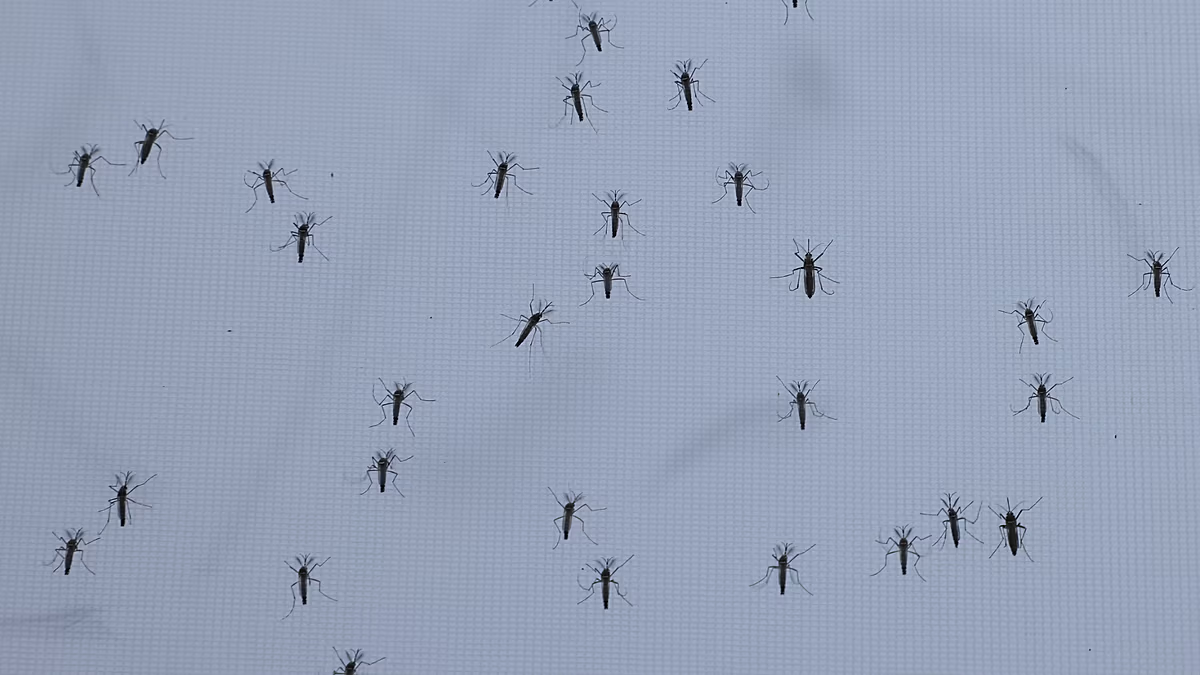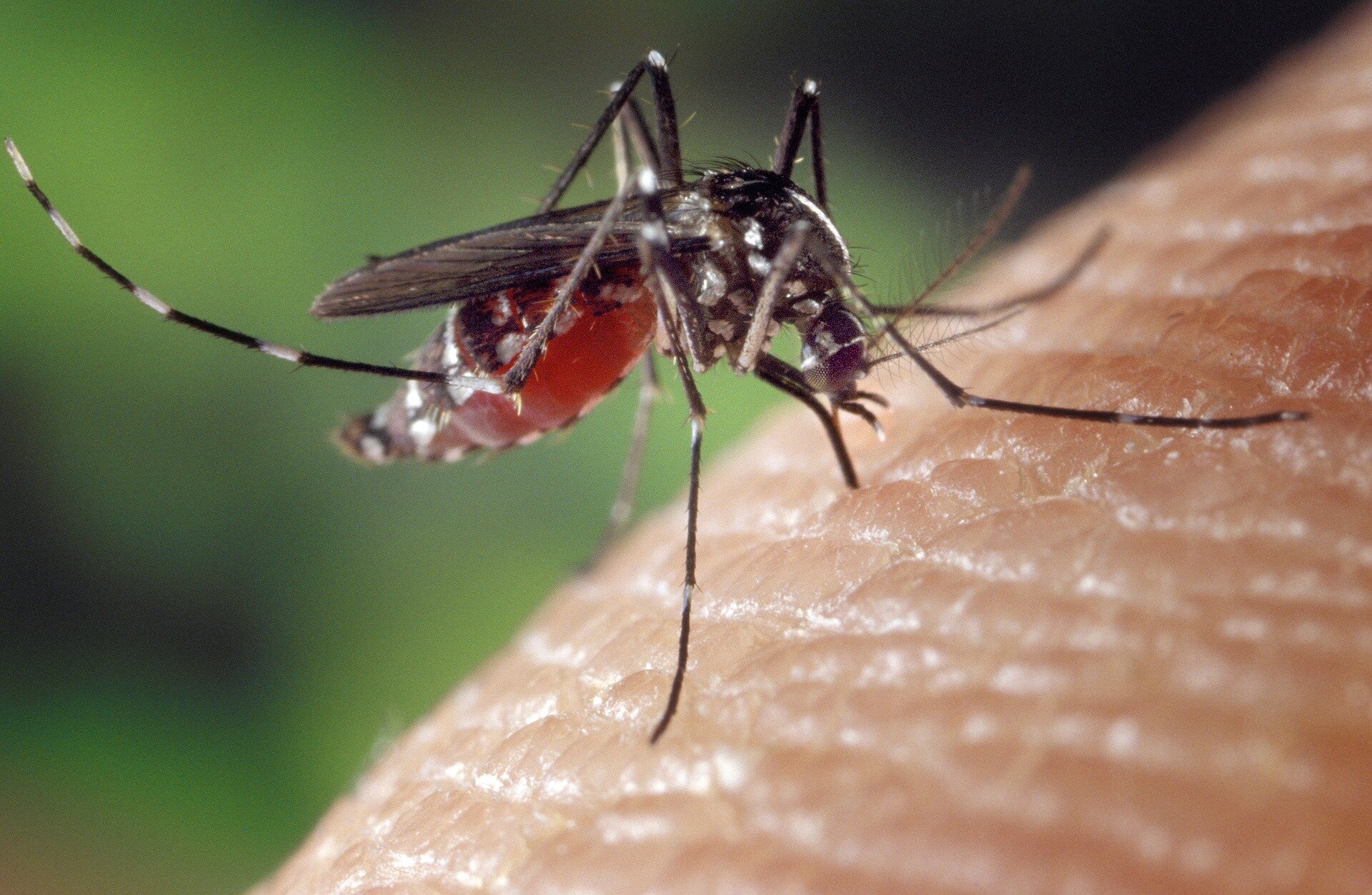
The choices people make to control mosquitoes in their own backyards may be helping some of those mosquitoes survive the very insecticides meant to kill them, according to two new studies from North Carolina State University. The paper on the emergence and spatial distribution of resistance appears in Parasites & Vectors. The paper on socioeconomic predictors of resistance appears in Royal Society Open Science.
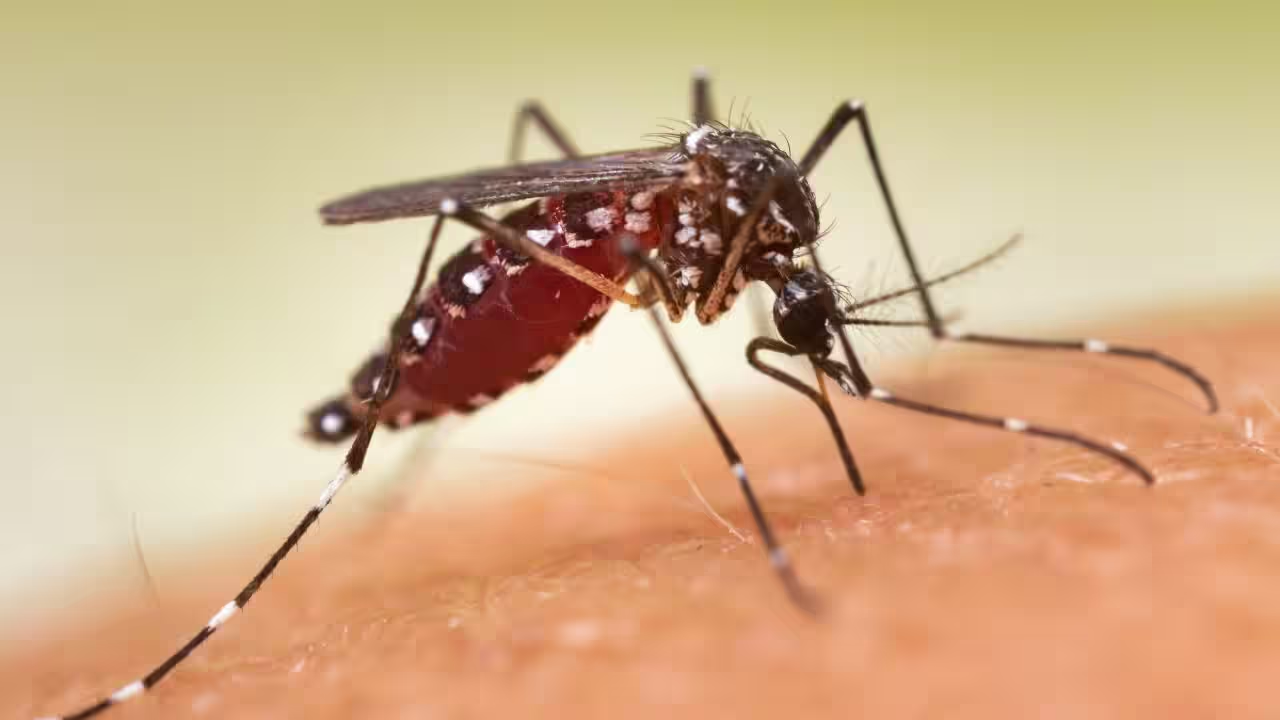
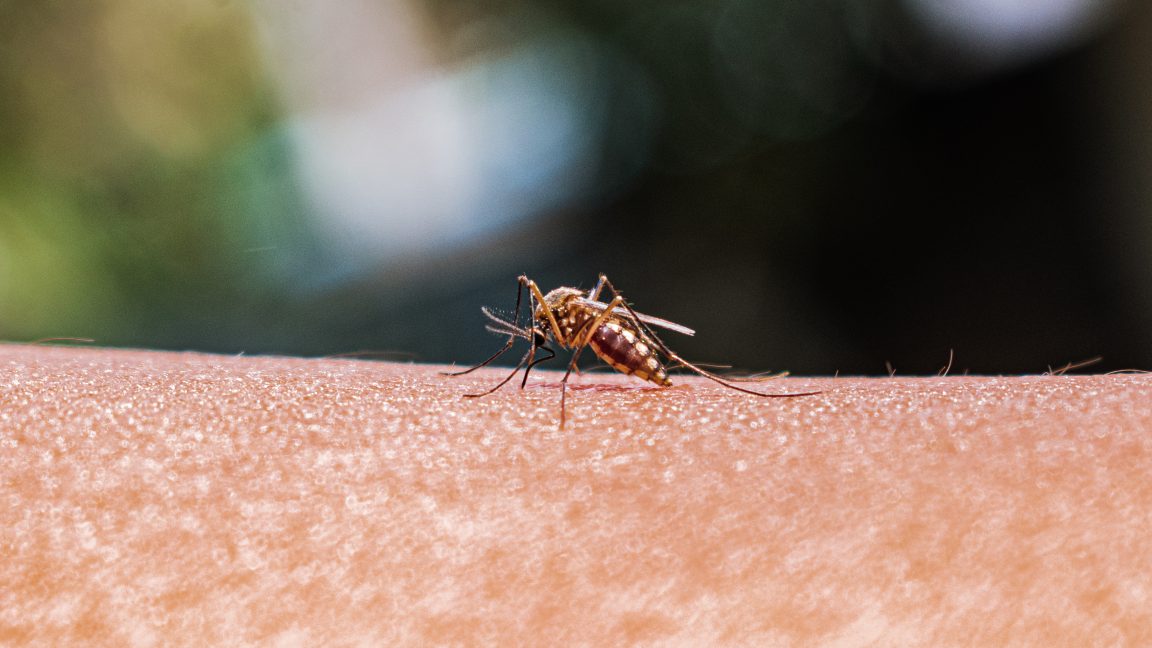
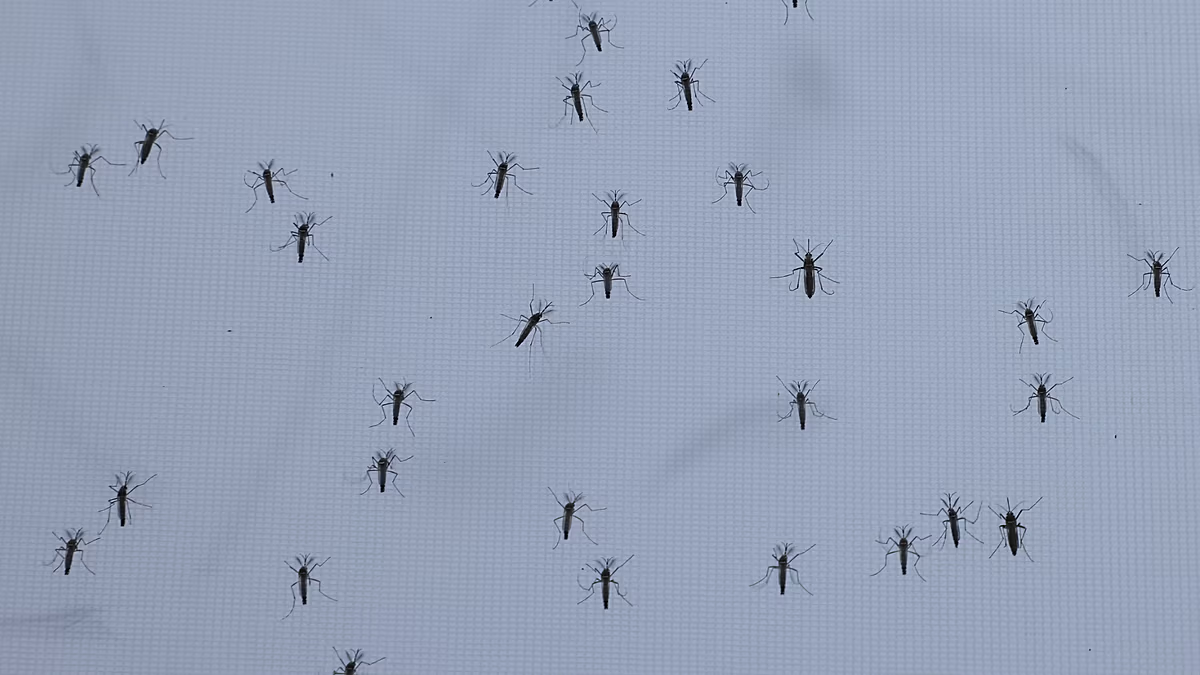
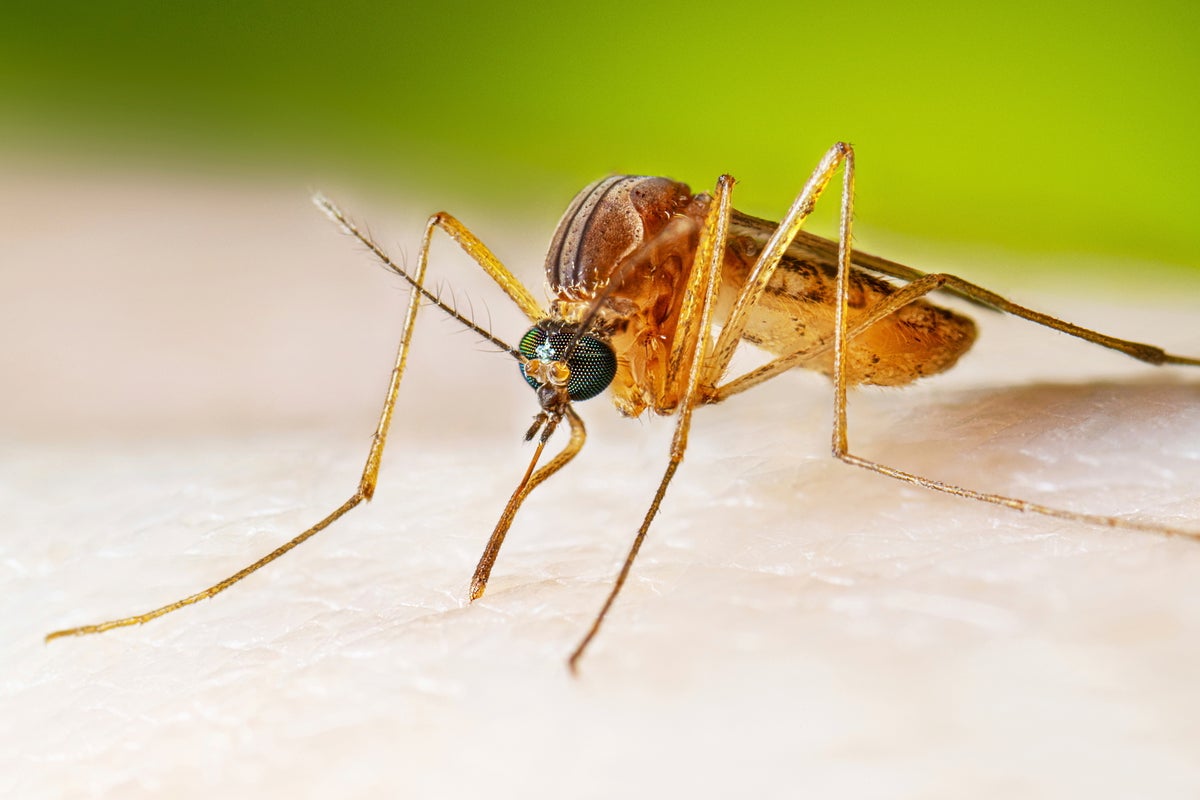
The studies focus on the tiger mosquito (Aedes albopictus), an invasive species that is now common across much of the eastern United States and a major day-biting mosquito in the Southeast. The mosquito thrives in urban and suburban environments, where it breeds in small containers and other places where water collects.
In North Carolina, households may hire private mosquito control companies or apply insecticides themselves to reduce nuisance biting in their yards. The studies suggest those individual decisions, repeated across neighborhoods, can create conditions that favor the evolution of insecticide resistance.
"Homeowners with money will pay to spray for mosquitoes, which selects for localized resistance," said Martha Burford Reiskind, associate professor of biological sciences at NC State and corresponding author of the papers. "Over time, as more and more resistance builds up in the population, it will become harder to control populations. The insecticides will no longer be as effective."