(Image credit: Netflix)
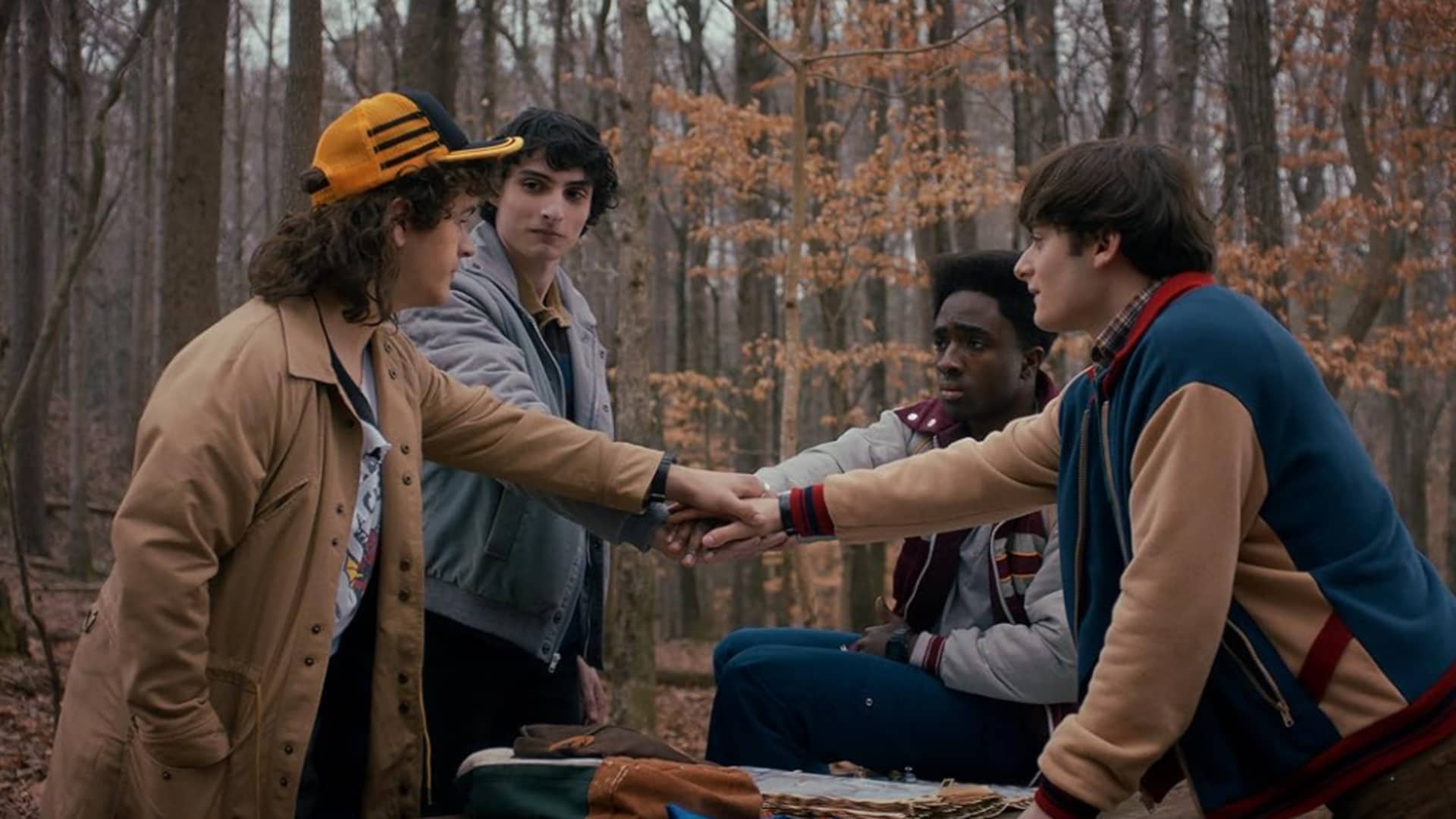
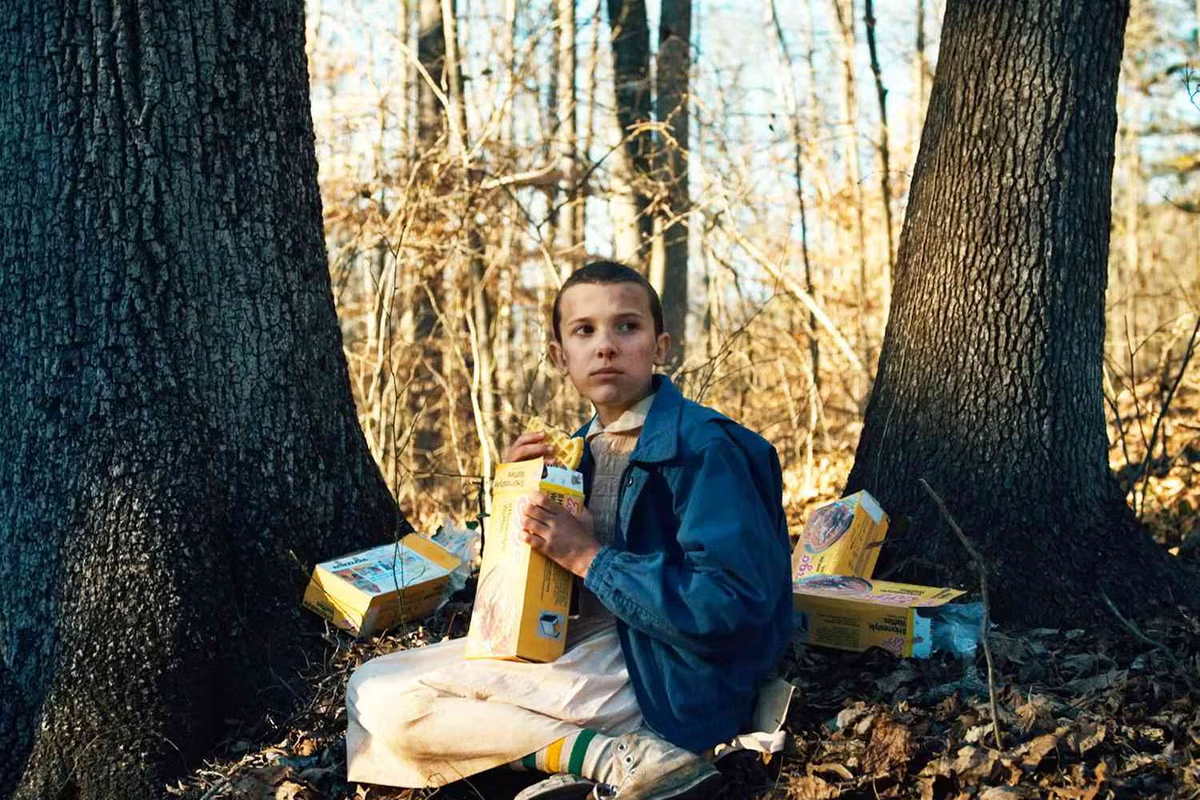
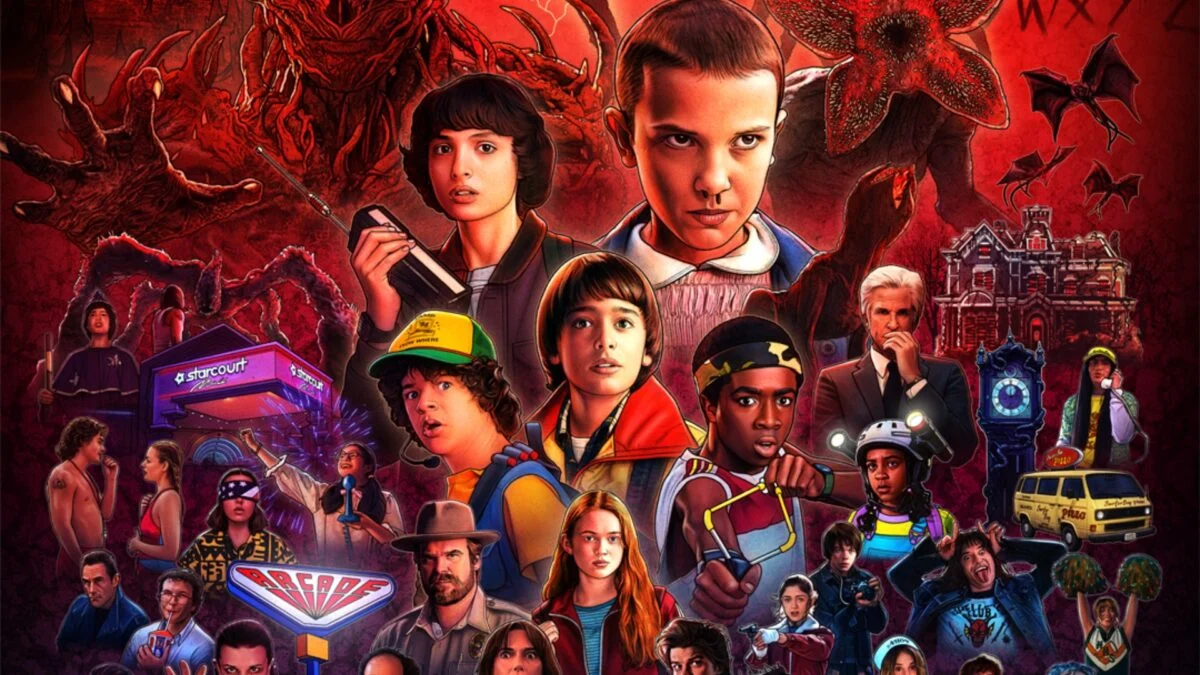
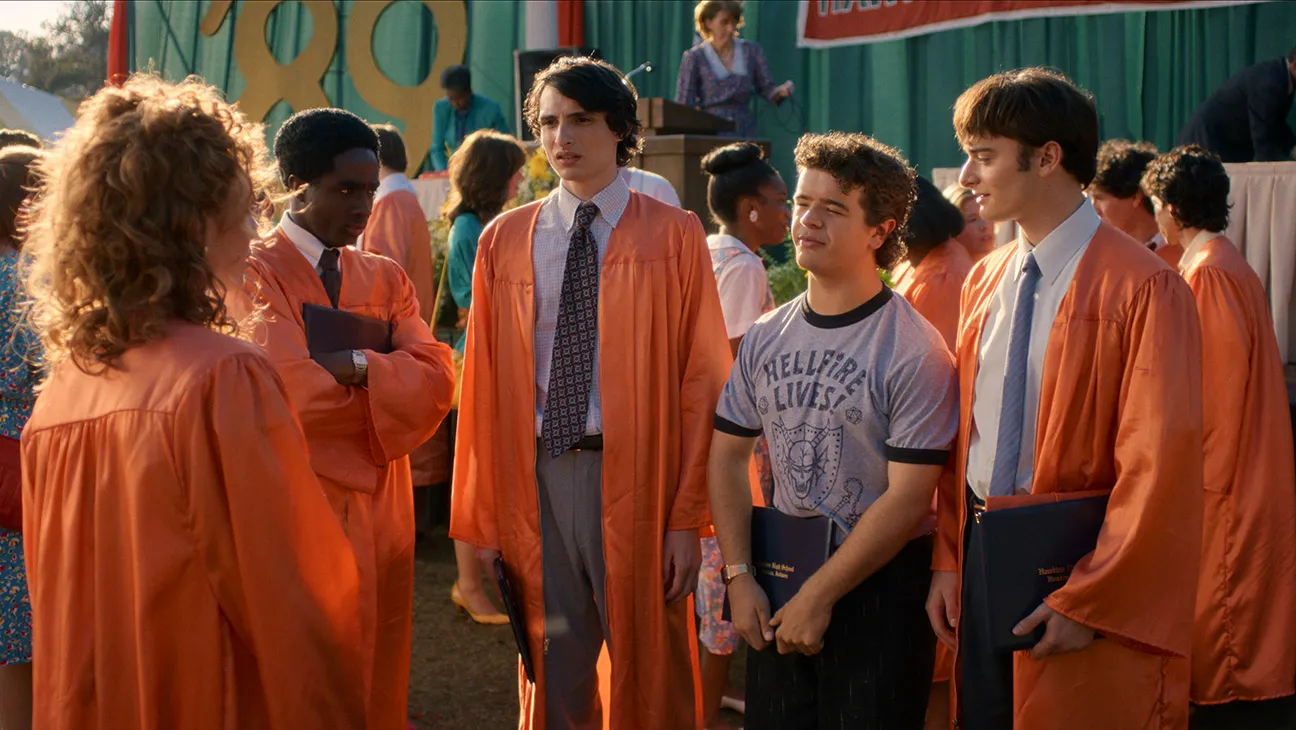
In July 2016, "Stranger Things" stormed its way into the pantheon of pop culture greats. Finding the sweet spot of '80s nostalgia, horror, and sci-fi, the Duffer Brothers' series established itself as one of Netflix's flagship shows and a favourite water cooler topic for close to a decade.Much like "Jurassic Park" encouraged an entire generation to suddenly view paleontology through a new set of eyes, the same can be said about "Stranger Things" and science. Seriously, how many of us discovered the many-worlds theory because of the concept of the Upside Down on the show? Even wormholes are easier to understand now because of Mr Clarke's lessons than whatever the heck happens in "Interstellar" that has Matthew McConaughey bawling like he's been forced to sit through a Jared Leto movie marathon.Parents and government groups have long highlighted the negative effects of entertainment, but not enough is said about its positive influences, especially the ability to inspire. In fact, it's often underestimated how invaluable a show like "Stranger Things" has been to educators who want to turn around the declining numbers in STEM graduates.
(Image credit: Netflix)For University of Liverpool physics professor Carsten Welsch, "Star Wars" references were no longer cutting it with his students. However, the "Stranger Things" science allowed him to relate to a younger generation of learners. " It's a really good way to talk about science, which can be quite a challenge, especially with teenagers," Welsch told NPR. "Normally, the moment you mention physics or engineering, they run away."This is something echoed by Louis Bearson, the director of science, business, and education at the Institute of Physics. Bearson mentioned how some of the devices used on the show and its delicate unpacking of complex topics like quantum physics could widen the appeal of science and physics beyond the explanations in the textbooks."One of the issues we have is that physics really needs to be more representative of the community at large," Bearson told The Times. "If we can get a broader base of people interested through things like 'Stranger Things', that's only going to be for the good."