By
Updated on: July 20, 2026 / 12:45 PM EDT
/ CBS News
Add CBS News on Google
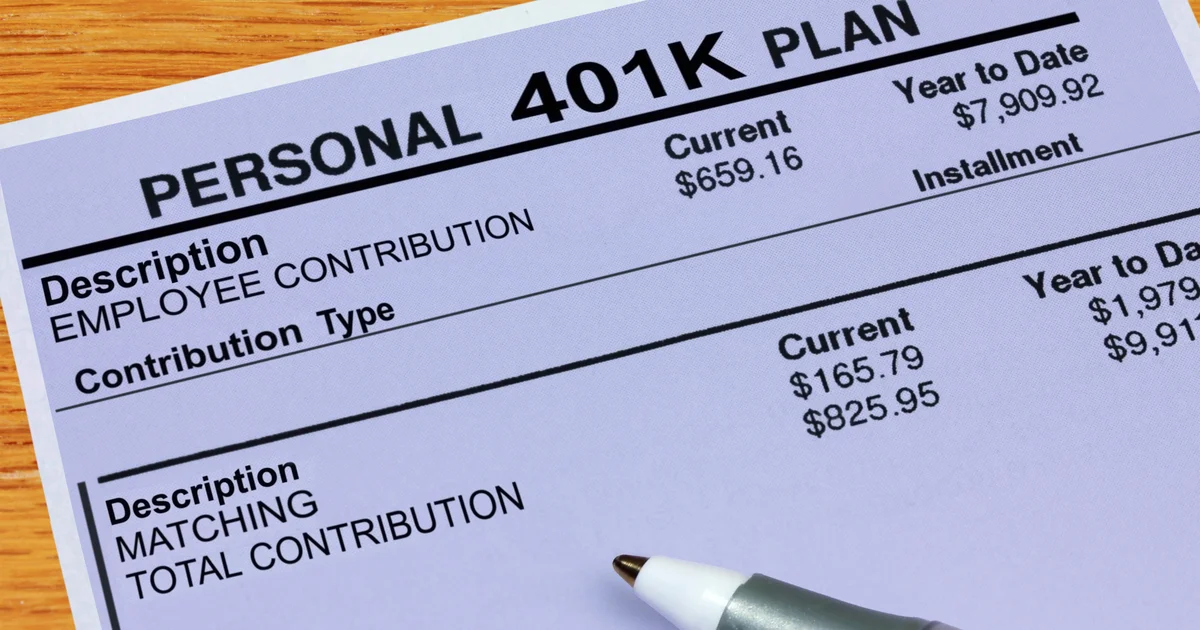
More than half of U.S. workers rely on 401(k) plans to save for retirement, but many may not be aware of fees that can fly under the radar and end up costing them tens of thousands — or more — in retirement income. While these fees may appear small at first glance, they can add up: As the Department of Labor explains, a 1% difference in fees could significantly reduce a person's ultimate account balance at retirement.In the Labor Department's example, a person with $25,000 in 401(k) savings who has 35 years until retirement and is charged 1.5% in fees could end up with $163,000 in retirement savings versus $227,000 if they were charged 0.5%, a 28% difference.About four in 10 workers aren't even aware that they pay fees on their 401(k)s, according to a 2021 study by the Government Accountability Office. Retirement plans typically face two types of fees, administrative and investment-related, which can be paid by the workers, the employer or split between the two, the GAO report noted.Here's what you need to know about the fees you're being charged as a 401(k) holder.What are the typical 401(k) fees?Fees can vary based on your investment choices, your employer's plan design and other factors."There's just not one standard," said Teresa Hassara, senior vice president of workplace savings and retirement solutions at Principal Financial Group, a small to midsize 401(k) plan manager.