From headlines and social media, psychedelic therapies, cannabis use and GLP-1 medications have seemingly become commonplace overnight, but the science underlying these treatments and the pathway to drug approval are often more nuanced than the headlines suggest.
In the following Q&A, Penn State researchers discussed the safety and availability of popularized drugs, what it takes for a new drug to be approved by the Food and Drug Administration (FDA) and what changes in drug policy mean for everyday Americans.
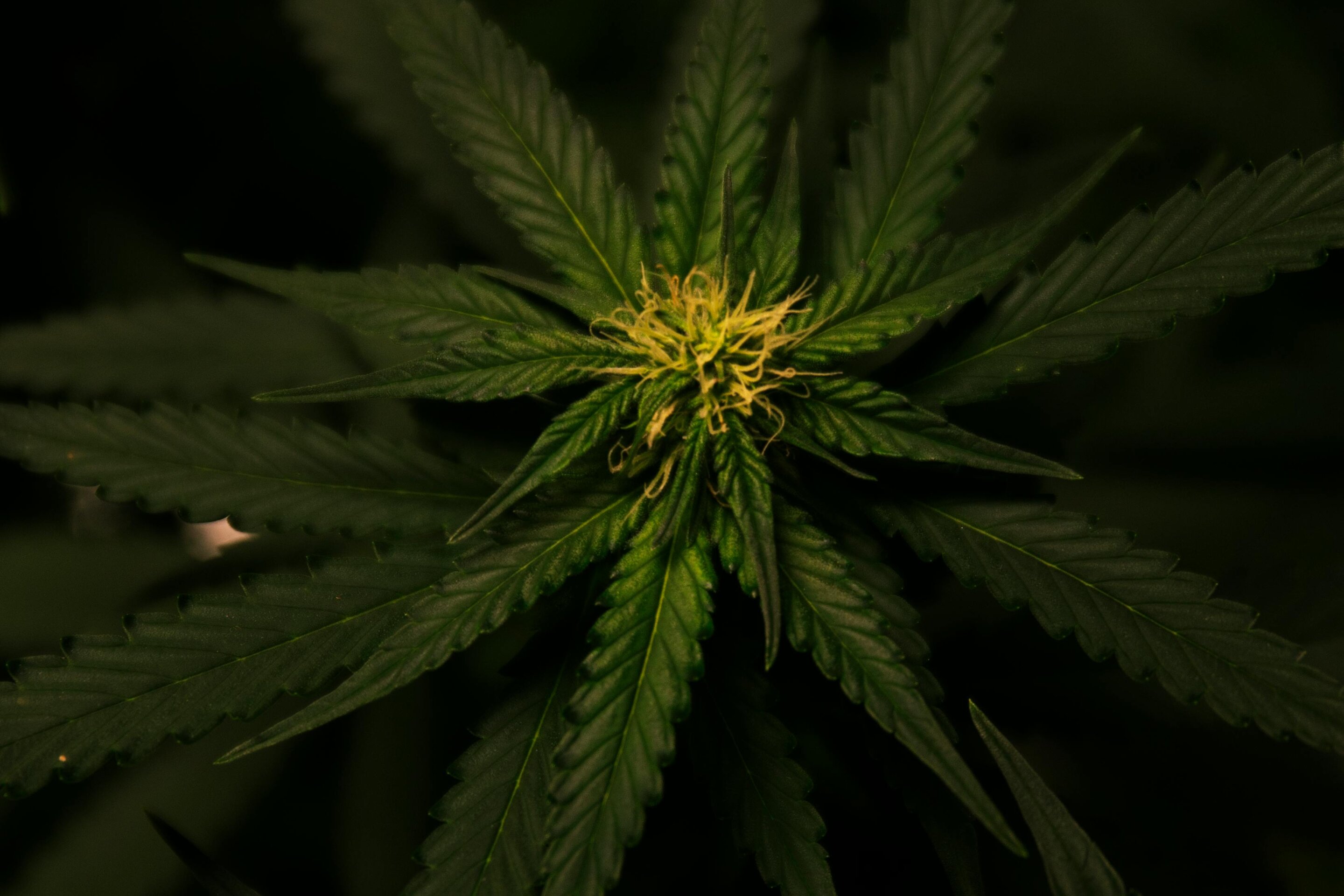
Q: With hearings by the Drug Enforcement Agency (DEA) on the proposed rescheduling of marijuana to Schedule III status concluded recently, what does that shift mean in practical terms?
Daniel Mallinson, associate professor of public policy and administration at Penn State Harrisburg, is an expert in local and state politics and policy, particularly in Pennsylvania. He also studies cannabis policy, including efforts around marijuana legalization.
Mallinson: Medical marijuana was recently rescheduled to Schedule III of the Controlled Substances Act, meaning that the federal government now recognizes marijuana as having medical value with a low risk of dependence. That said, the change has not created a national market for medical marijuana, so state medical marijuana regulations still rule the day.