By Charles Kennedy - Jul 20, 2026, 12:00 PM CDT
Nigeria aims to increase crude oil production to 3 million barrels per day by 2030 through regulatory reforms and new investment.
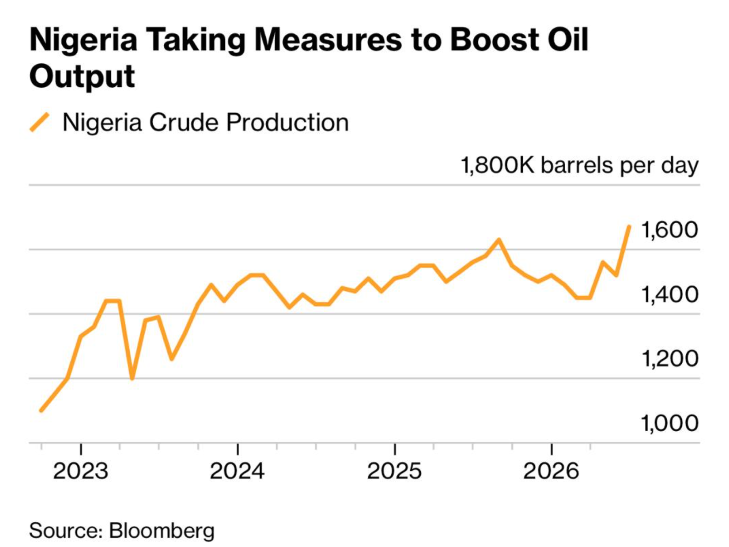
Crude production reached 1.56 million bpd in June, the highest monthly level since April 2020, while combined crude and condensate output climbed to 1.735 million bpd.
Analysts say achieving the target will require new field developments, sustained investment, and continued progress against crude theft.
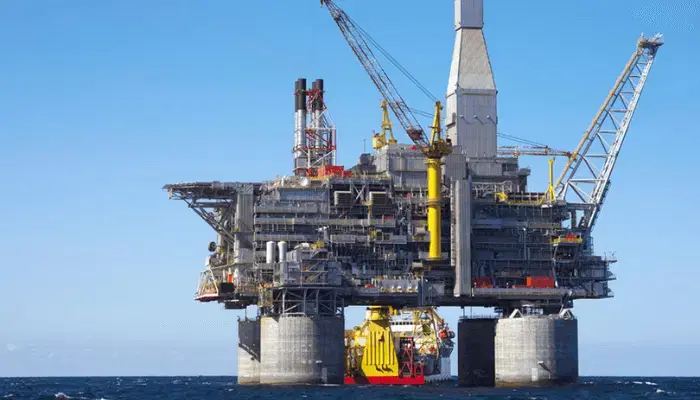
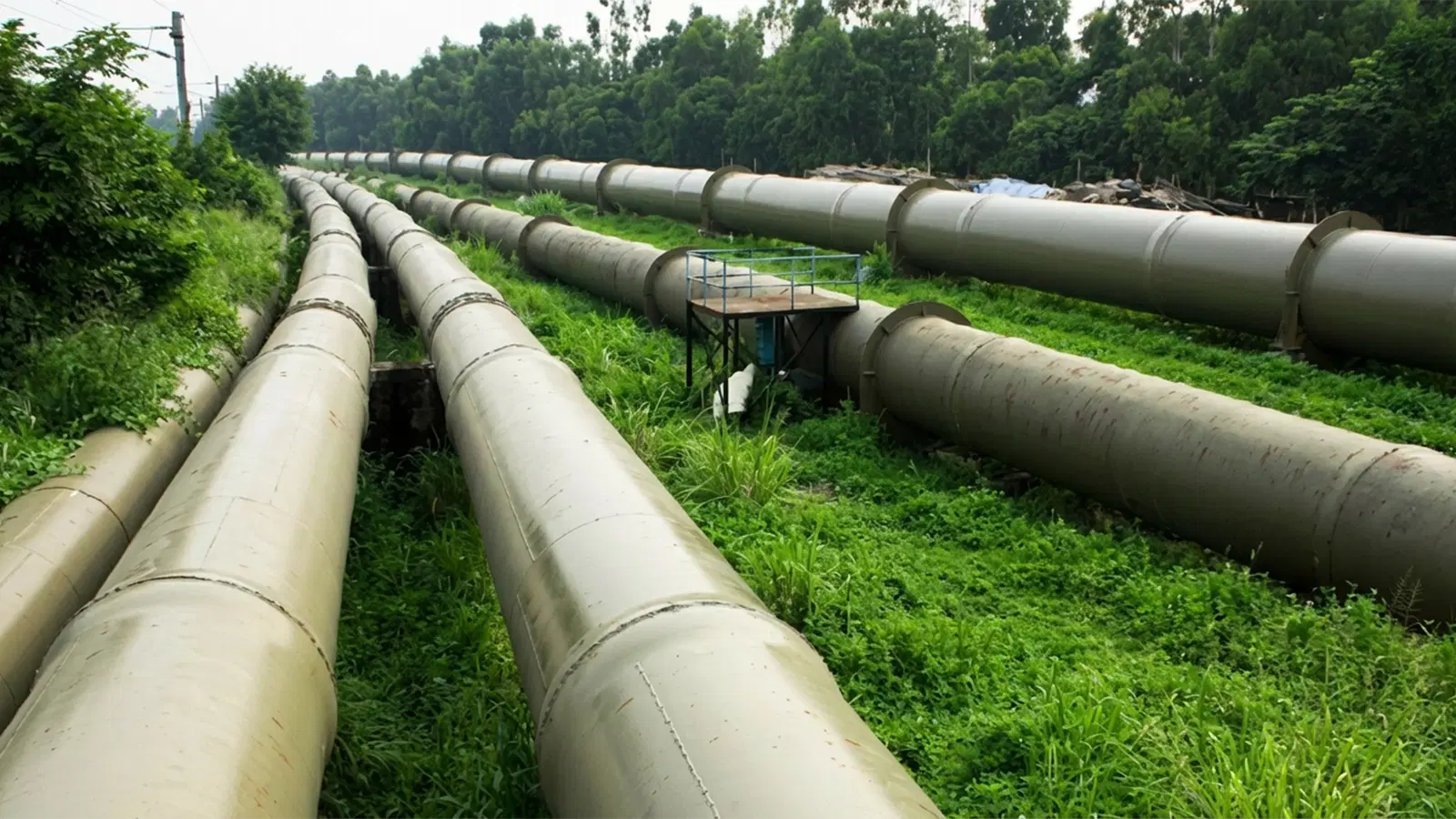
Nigeria is set to ramp up crude oil production to 3 million barrels per day by 2030, according to the country’s upstream regulator, which says reforms aimed at accelerating investment and reducing project delays are beginning to reverse years of declining output. The target would nearly double the country’s current crude production and mark the highest level in Nigeria’s history, according to Bloomberg. The Nigerian Upstream Petroleum Regulatory Commission (NUPRC) said the government’s objective remains achievable as faster permitting, quicker crude sales approvals and other regulatory reforms improve conditions for upstream investment. “The national target is to get to 3 million barrels by 2030–I believe we are able to get there,” NUPRC Chief Executive Oritsemeyiwa Eyesan said. Authorities have also introduced tax incentives and other measures under President Bola Tinubu aimed at attracting new capital into the sector.The optimistic outlook follows a steady recovery in Nigerian production. Average crude output reached 1.56 million barrels per day in June, the highest monthly level since April 2020, while combined crude oil and condensate production climbed to 1.735 million bpd. Nigeria has now exceeded its OPEC+ crude production quota for two consecutive months as improved security, fewer pipeline disruptions and stronger operational performance supported higher output.Momentum has also been helped along by new upstream investment. Earlier this month, ExxonMobil announced it would begin drilling a 40,000-barrel-per-day oilfield from August, while Renaissance Africa Energy reported a new oil discovery. Nigerian-owned producers now account for approximately 60% of national crude production, with higher oil prices encouraging operators to reactivate mature fields and restart previously idle wells.Industry analysts caution that restoring production at mature fields alone will not be enough to achieve the government’s 2030 target, according to Bloomberg. Sustained production growth will depend on bringing new discoveries into development, maintaining investment momentum and continuing efforts to reduce crude theft.By Charles Kennedy for Oilprice.comMore Top Reads From Oilprice.comChina Seeks Long-Term LNG Deals Beyond the Strait of HormuzIndia Hikes Diesel and Jet Fuel Export TaxBrent Futures Flip to Backwardation as Middle East Supply Risks Return