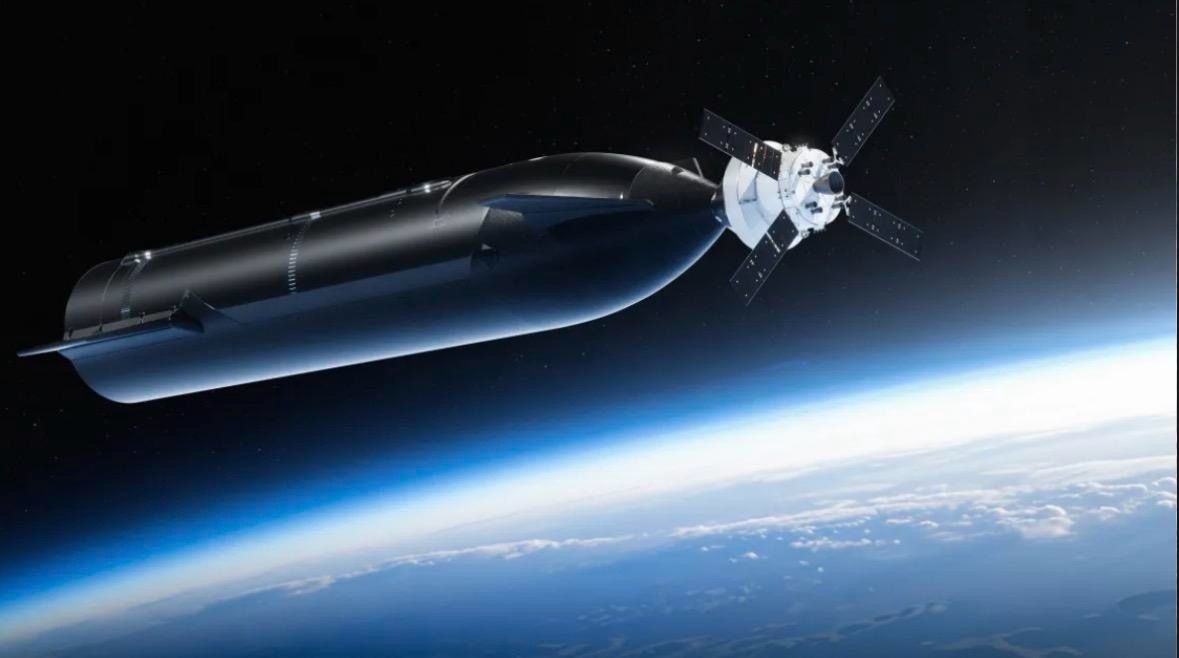
(Image credit: SpaceX)
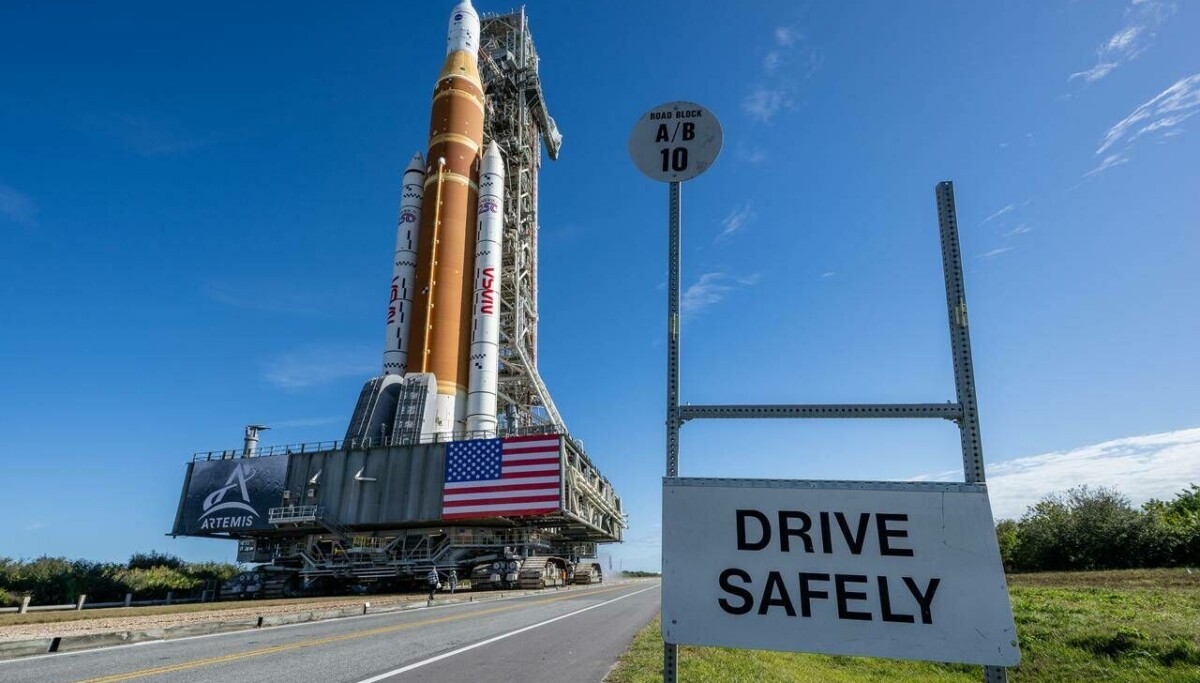
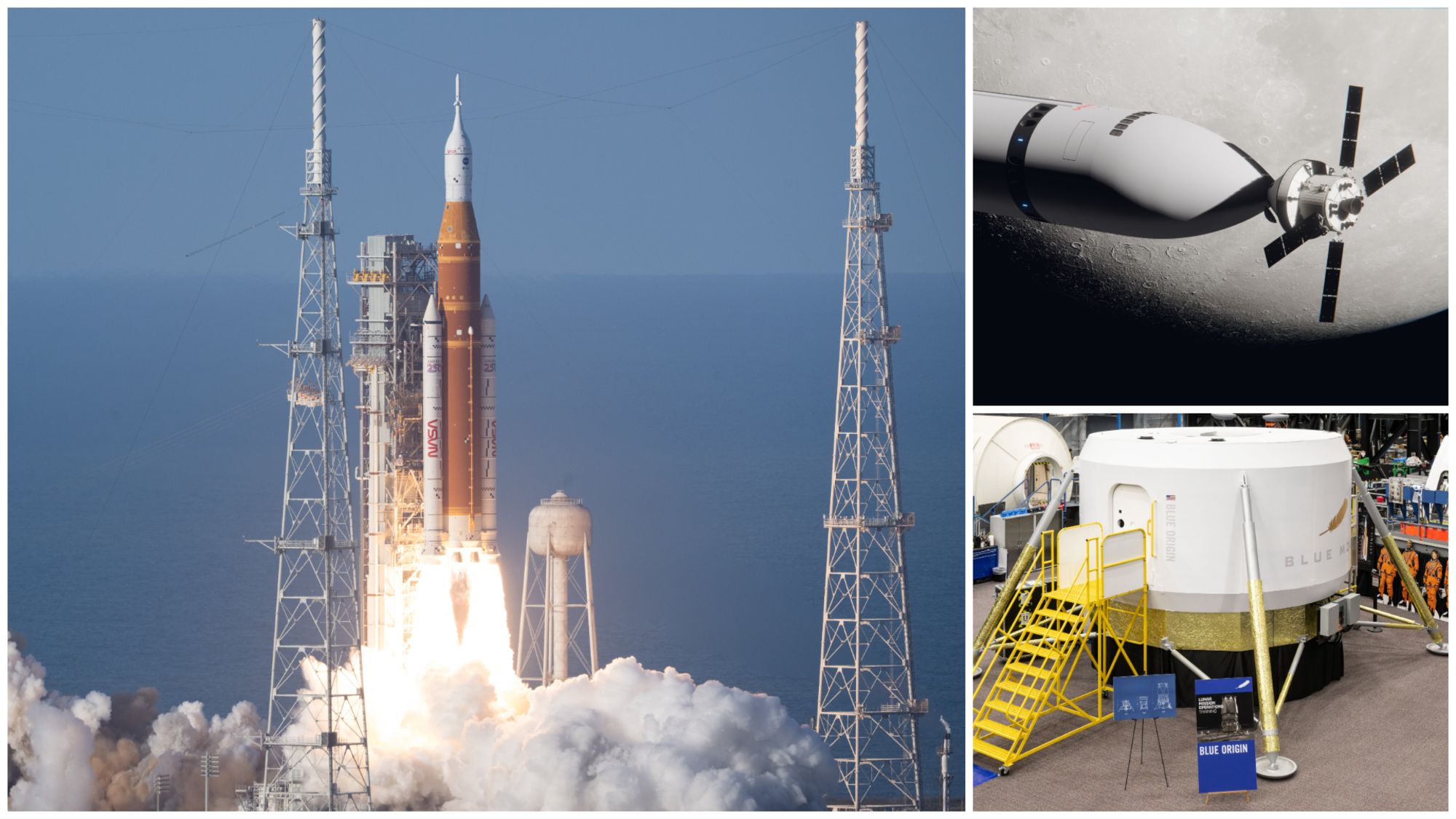
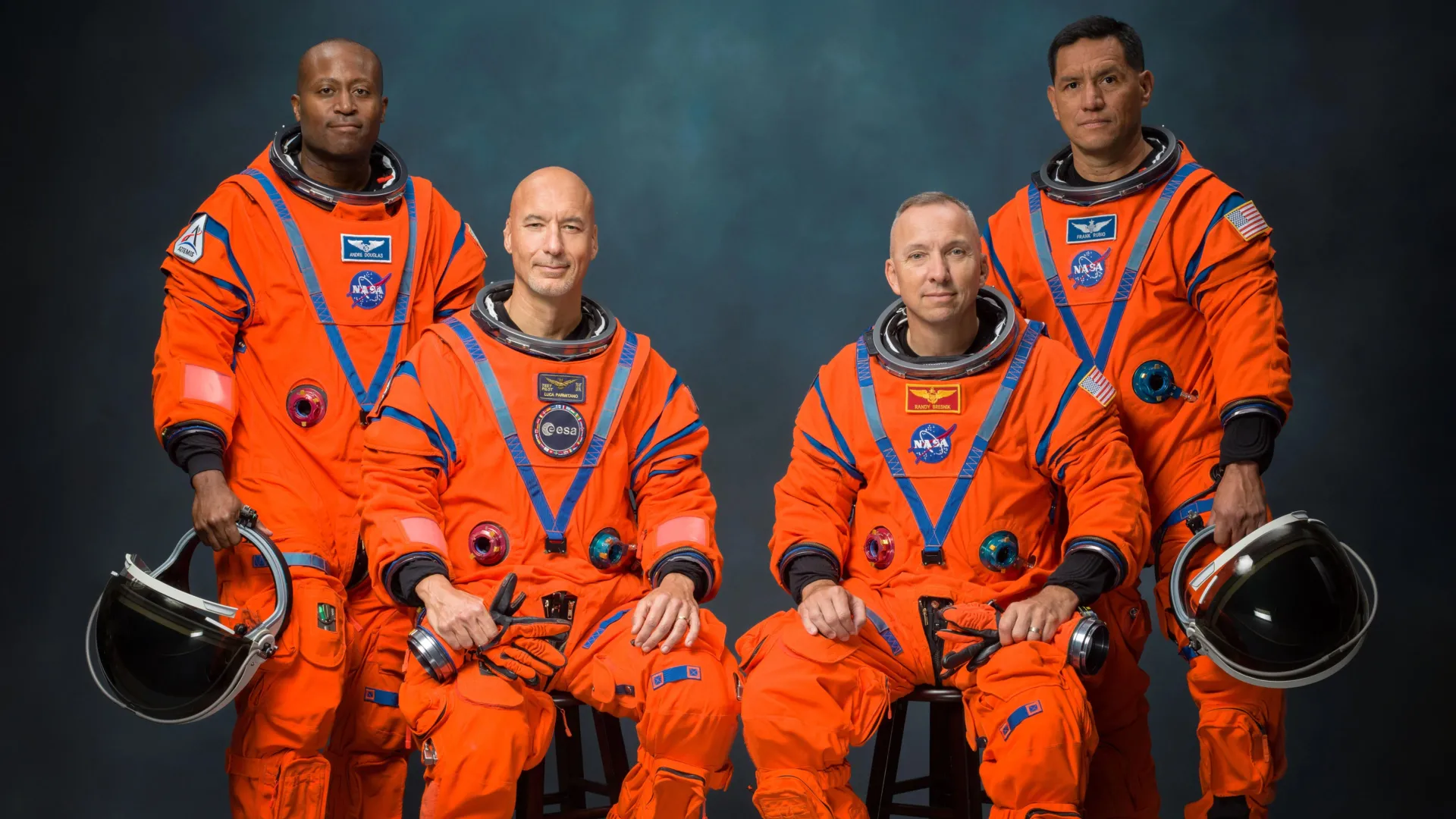
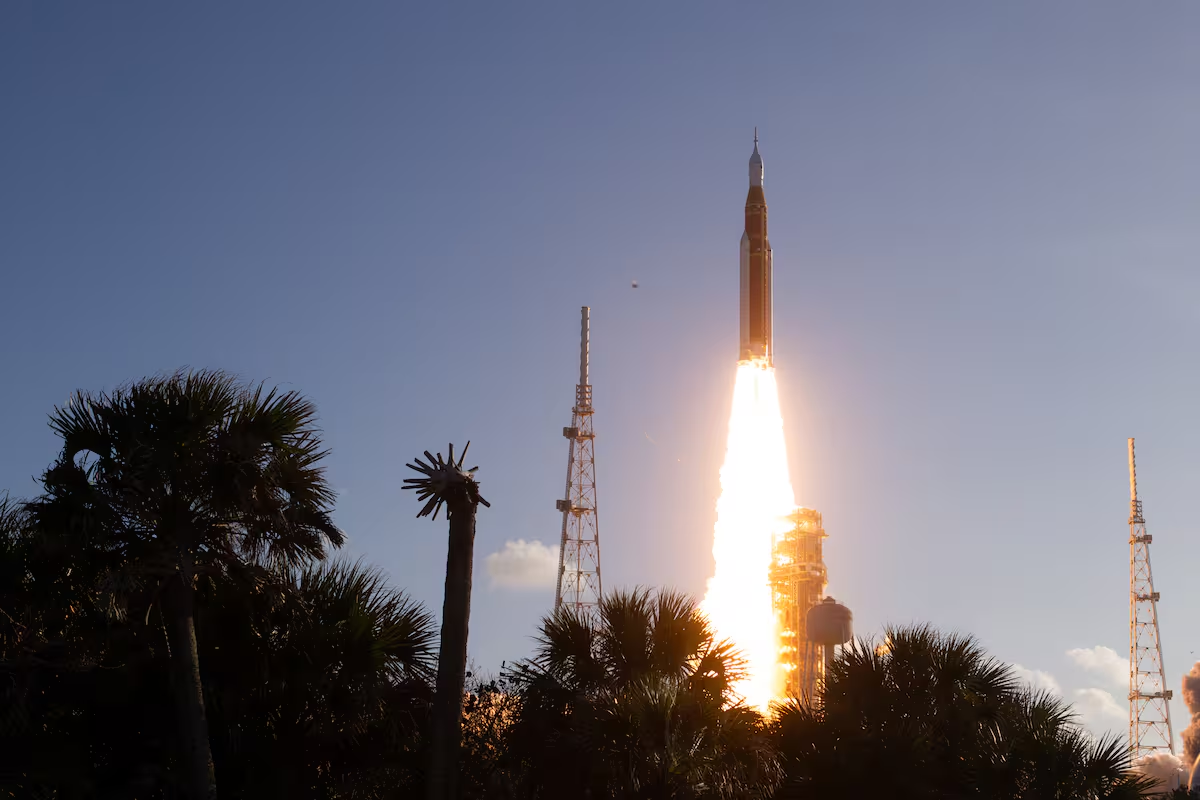
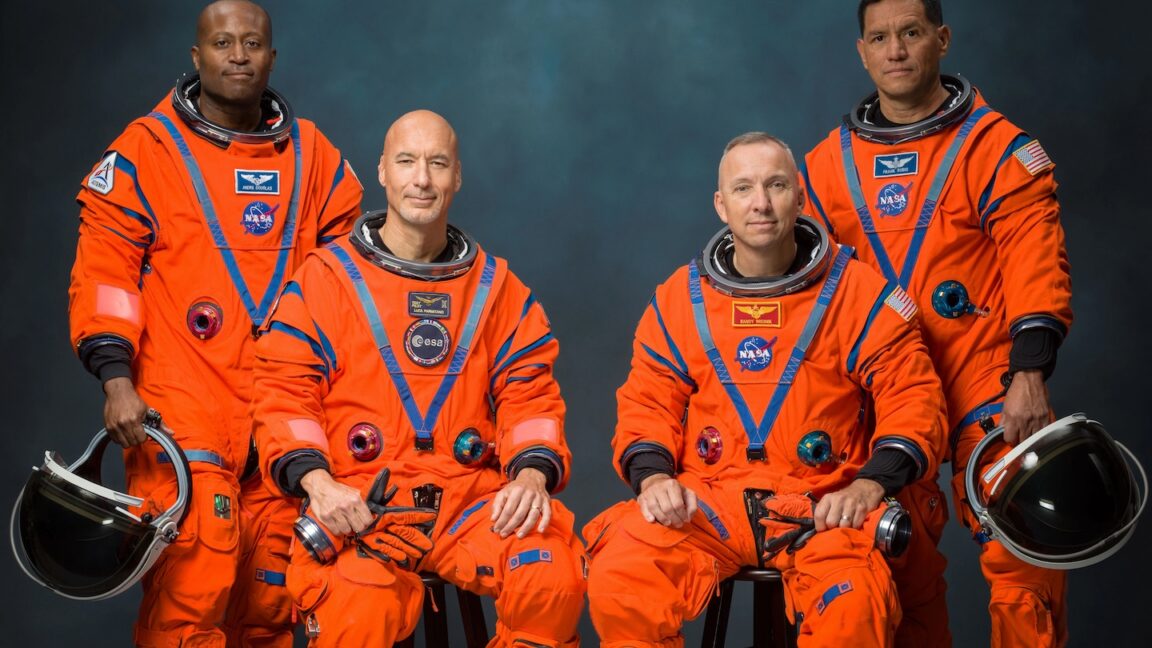
NASA has never flown a mission like Artemis III, and it's shaping up to become one of the most elaborate spaceflights in history.NASA has provided more details about the Artemis III flight scheduled for next year, and, if all goes according to plan, the objectives the astronauts will be checking off their list will contain more than a few "firsts" for the Artemis program and human spaceflight overall. That includes the first crewed NASA mission to rendezvous and dock with two separate designed to carry crews of their own.Artemis is NASA's next-generation program to return astronauts to the surface of the moon. Artemis III is designed as a test run for NASA's Orion spacecraft in which it will dock and perform operations with the program's two commercial lunar landers — SpaceX's Starship and Blue Origin's Blue Moon. The mission will launch a crew of four aboard Orion on NASA's Space Launch System (SLS) rocket into Earth orbit, where the capsule will rendezvous with each lander separately over the course of about two weeks. Their success will set the stage for a crewed moon landing on Artemis IV, but NASA must first master the complicated demands of Artemis III in order to confidently set its sights on the lunar surface."Artemis III will be a highly choreographed dance with a demanding launch sequence across multiple launch pads and equally demanding mission operations for our ground and flight crews, making it one of the most complex and ambitious missions NASA has ever undertaken," said Artemis Program Manager Jeremy Parsons in a NASA update on July 15.Only one mission in the course of human spaceflight has flown astronauts to rendezvous with multiple spacecraft capable of supporting crews of their own: Soyuz T-15 in 1986, which launched cosmonaut Leonid Kizim to the Salyut 7 space station, and then flew him to, what was at the time, the Soviet Union's MIR space station.America's space program has come close to such a milestone. NASA's Gemini 10 mission in 1966 launched NASA astronauts John Young and Michael Collins to rendezvous and dock with the uncrewed Agena 10 probe. After undocking, they flew their Gemini capsule to rendezvous with Agena 8, but did not dock with the probe. Two shuttle missions, STS-72 and STS-51A, also managed to rendezvous with separate satellites during their missions, but none of these required the complex coordination and multiple launch vehicles lined up to pull off Artemis III.Orion, Blue Moon and Starship are all designed to launch on different rockets from different launch pads at NASA's Kennedy Space Center (KSC) and the Cape Canaveral Space Force Station (CCSFS), which will all require cross-agency and commercial collaboration for range availability, resource use constraints like nitrogen gas availability across the various ranges and the alignment of several other overlapping hierarchies of infrastructure in order to ensure Artemis is successful.