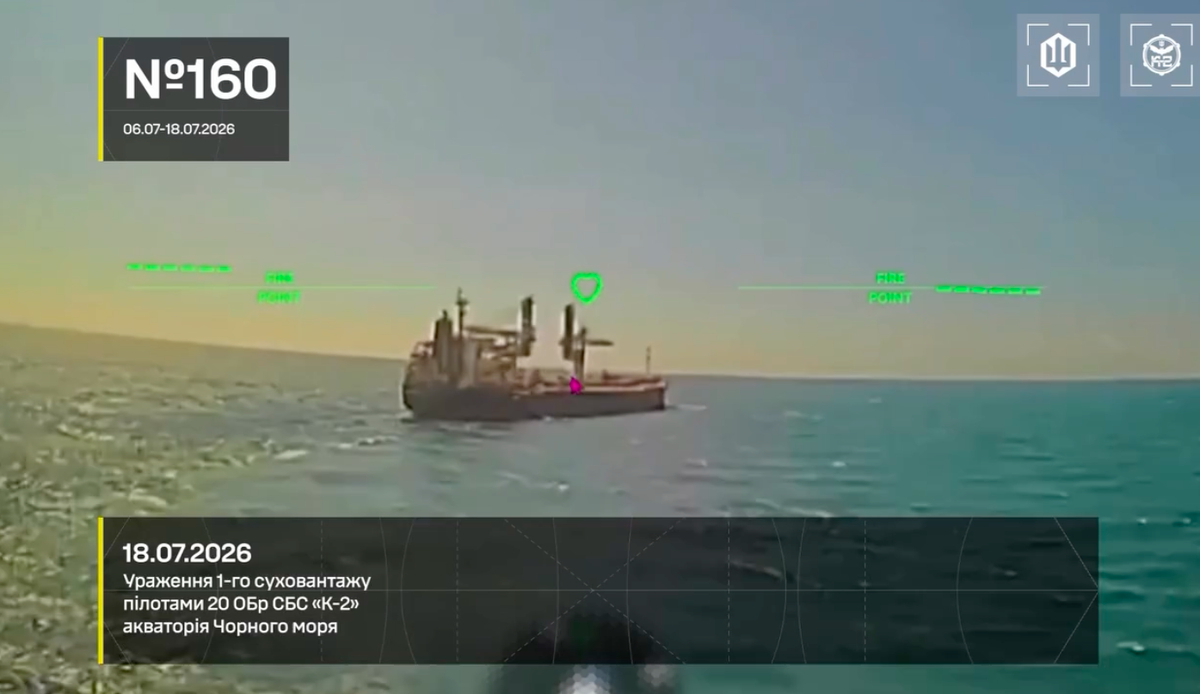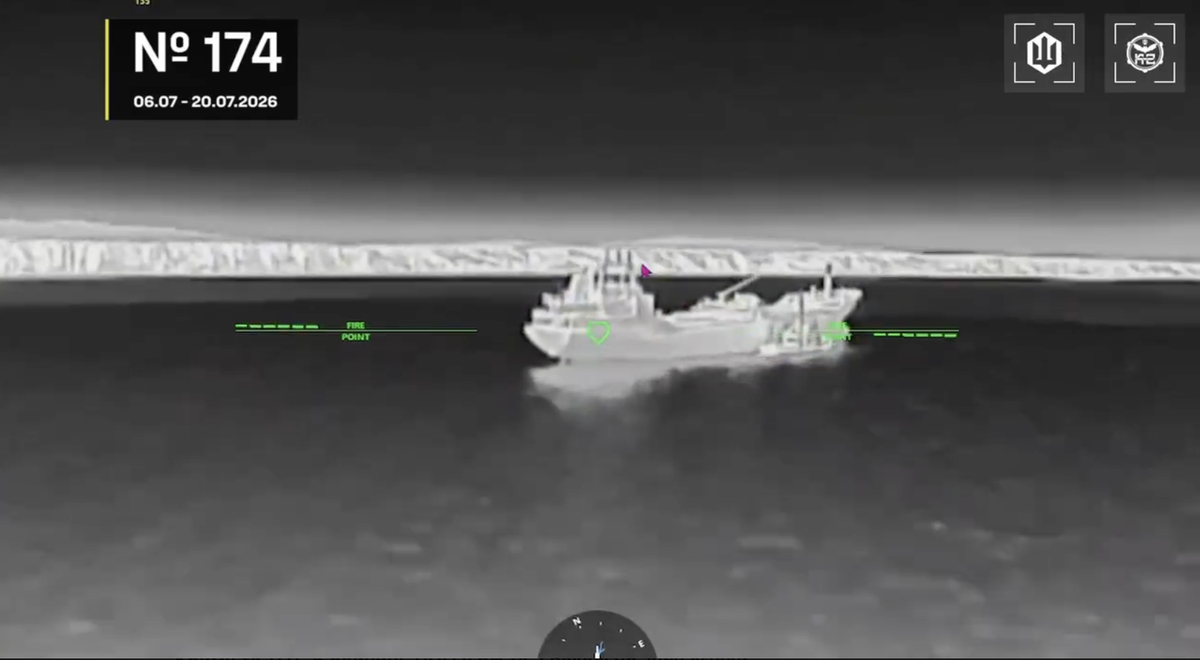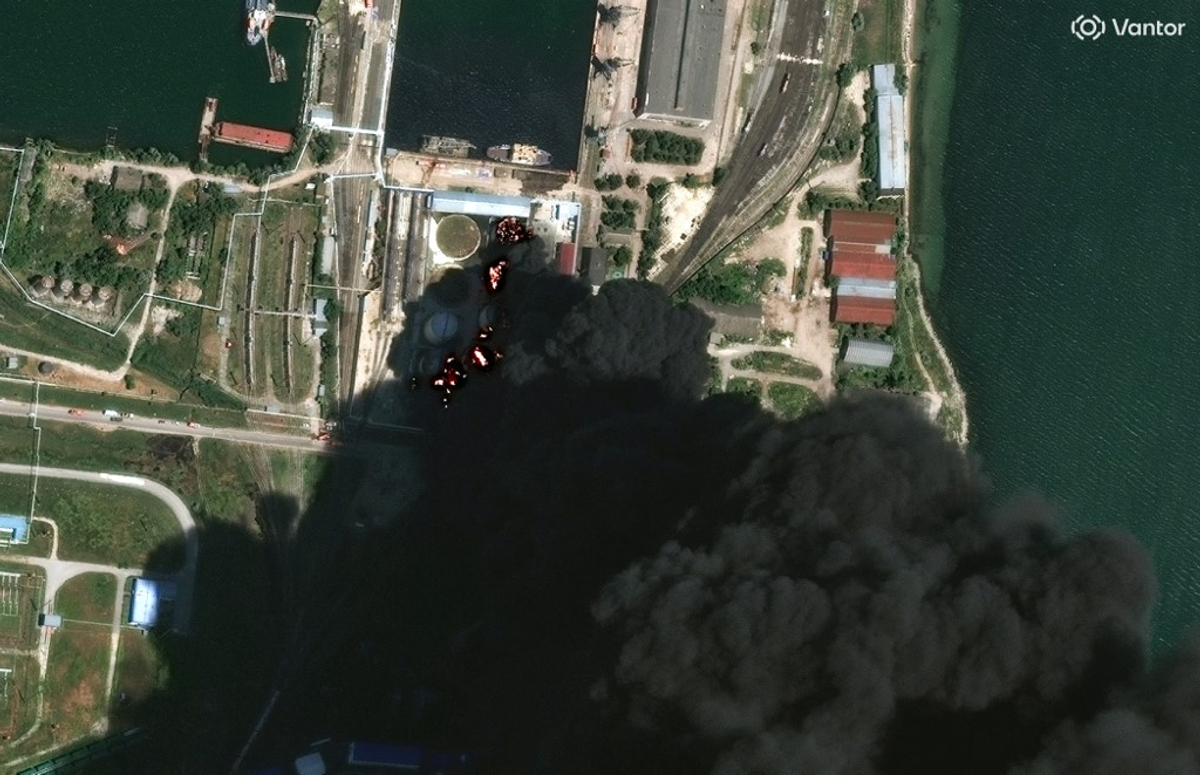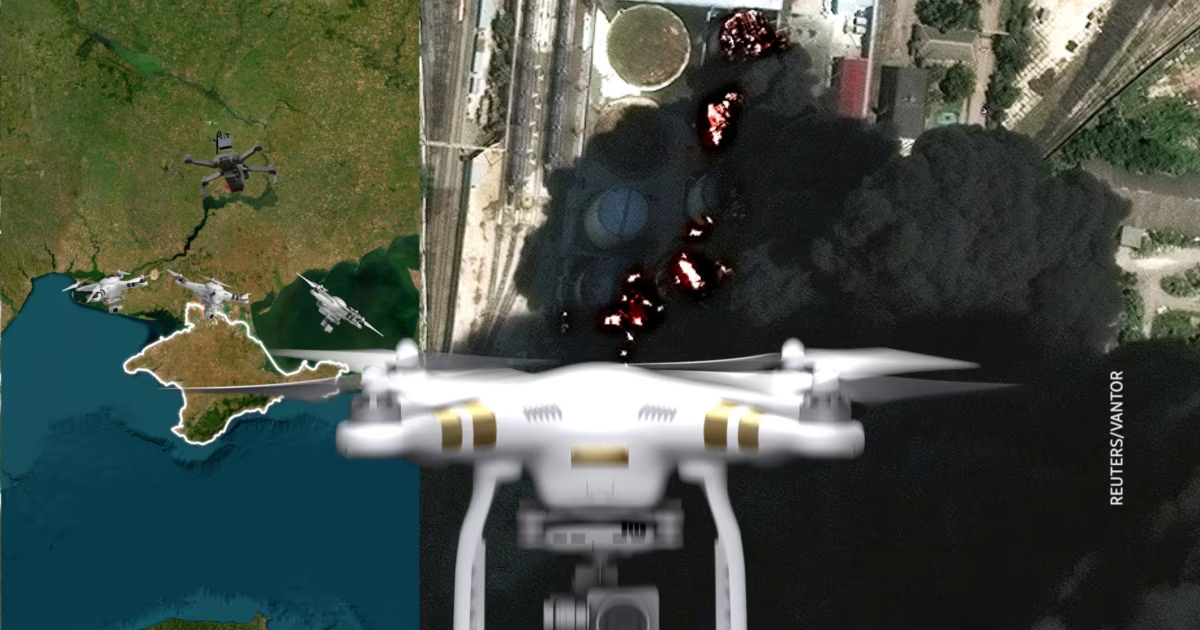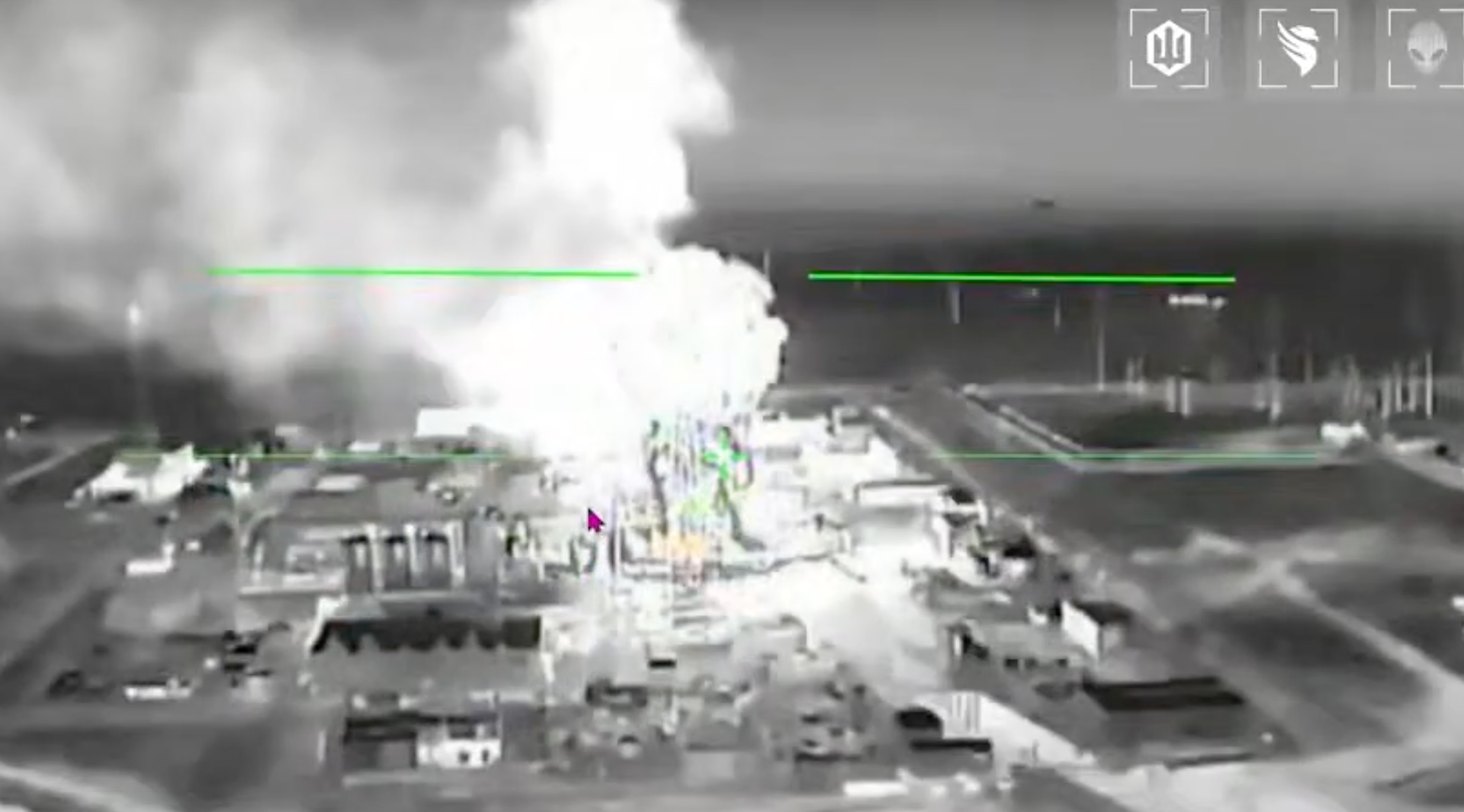
A screenshot from a video depicting Ukrainian drone strikes on power substations in Russian-occupied Crimea during an operation on July 1-2, 2026. (Robert "Madyar" Brovdi / Telegram)While Ukraine intensifies its campaign against Russian military infrastructure in occupied Crimea, underground resistance has been spreading behind Russian lines.As hope of Crimea's eventual liberation increases among Ukrainians there, so does the number of volunteers eager to bring Ukraine's victory closer. The Resistance Movement within Ukraine's Special Operations Forces (SOF) told the Kyiv Independent the number of people contacting it through secure channels increased after successful attacks on Russian targets."The resistance movement is spreading and gaining momentum," SOF said.The reported upsurge comes amid Ukraine's ongoing effort to isolate occupied Crimea by disrupting the military and commercial infrastructure that sustains the peninsula.An intensive drone campaign against military targets, shipping, and energy infrastructure has led to fuel shortages, blackouts, and the effective severing of military logistics routes."For people, this serves as confirmation that the occupying administration does not have complete control over the situation and that the information they provide can have a real impact on the course of hostilities," SOF said.Ukraine's isolation of Russian-occupied Crimea, Ukraine. (Nizar al-Rifai / The Kyiv Independent)"The occupying regime merely creates the illusion required by Russian propaganda," it added.The Atesh resistance group, which regularly sabotages Russian military infrastructure in Russian-occupied territories and in Russia, observed the same trend. It reported an increase both in people wishing to join and in those willing to pass on important information about Russia's military facilities and weapons."We can see that confidence in the resistance movement is growing, and we are convinced that the number of such reports will only increase in the future," an Atesh representative said.The nature of the resistance in CrimeaThe nature of Crimea's resistance has changed significantly since Russia occupied the peninsula in 2014.Jade McGlynn, a research fellow at King's College London who focuses on Russia’s disinformation and propaganda, told the Kyiv Independent that the first two years of occupation were marked by open civic activism, but that space gradually disappeared as Russian authorities dismantled independent organizations and intensified political repression.Following Russia's full-scale invasion in 2022, the resistance shifted toward clandestine work with a notable shift "from expressive to instrumental resistance," McGlynn noted."The symbolic register of graffiti, ribbons, leaflets carries an extremely poor risk-return ratio against an occupier this punitive," McGlynn said.Smoke rises over the Kerch Thermal Power Plant in Russian-occupied Crimea after fuel reservoirs were struck in a large-scale Ukrainian attack overnight on June 23, 2026. (Exilenova+ / Telegram)"What has grown instead is quiet, low-signature information work: observing, geolocating, passing coordinates, which has a larger strategic effect, especially now with Ukraine's successful strikes campaign in the temporarily occupied territories."McGlynn also believes that the resistance in Crimea differs from other Russian-occupied territories. According to her, the Russian authorities treat Crimea more as part of Russia than the other occupied regions of Ukraine, including those parts of Donetsk and Luhansk oblasts occupied since 2014. As a result, she said, repression in Crimea comes through a legal veneer, which includes courts, charges, and published sentences.She said that Crimea saw 12 years of Russia's Federal Security Service (FSB) build-up, meaning a denser informant ecology, coupled with a larger settler and security service population, and a fully embedded surveillance apparatus.Helping Ukraine strike Russian targetsAtesh regularly monitors military logistics, air defense systems, troop concentrations, and other Russian military activity across the peninsula before passing the information to Ukraine's military.On July 11, Atesh said that its members had been gathering intelligence on the FSB in Crimea's Dzhankoy."Our people are recording the movements of personnel, equipment, and the internal working procedures of the department. The occupiers would do well to remember that their illusory sense of security in Crimea is only temporary," Atesh wrote in a Telegram post.SOF publicly credits resistance members with assisting multiple operations against Russian military infrastructure in Crimea.Officials highlighted Ukraine's strike on a railway bridge across the North Crimean Canal on June 23. After the initial attack on June 22, underground activists reported that Russian forces had begun repairs, allowing Ukrainian forces to launch another strike before the bridge could be restored.
As Ukraine's Crimea campaign grows, so does its underground resistance
While Ukraine intensifies its campaign against Russian military infrastructure in occupied Crimea, underground resistance has been spreading behind Russian lines. As hope of Crimea's eventual liberation increases among Ukrainians there, so does the number of volunteers eager to bring Ukraine's victory closer. The Resistance Movement within Ukraine's Special Operations Forces (SOF) told the Kyiv Independent the number of people contacting it through secure channels increased after successful att
1,219 words~6 min read