Monday 20 July 2026 5:17 pm
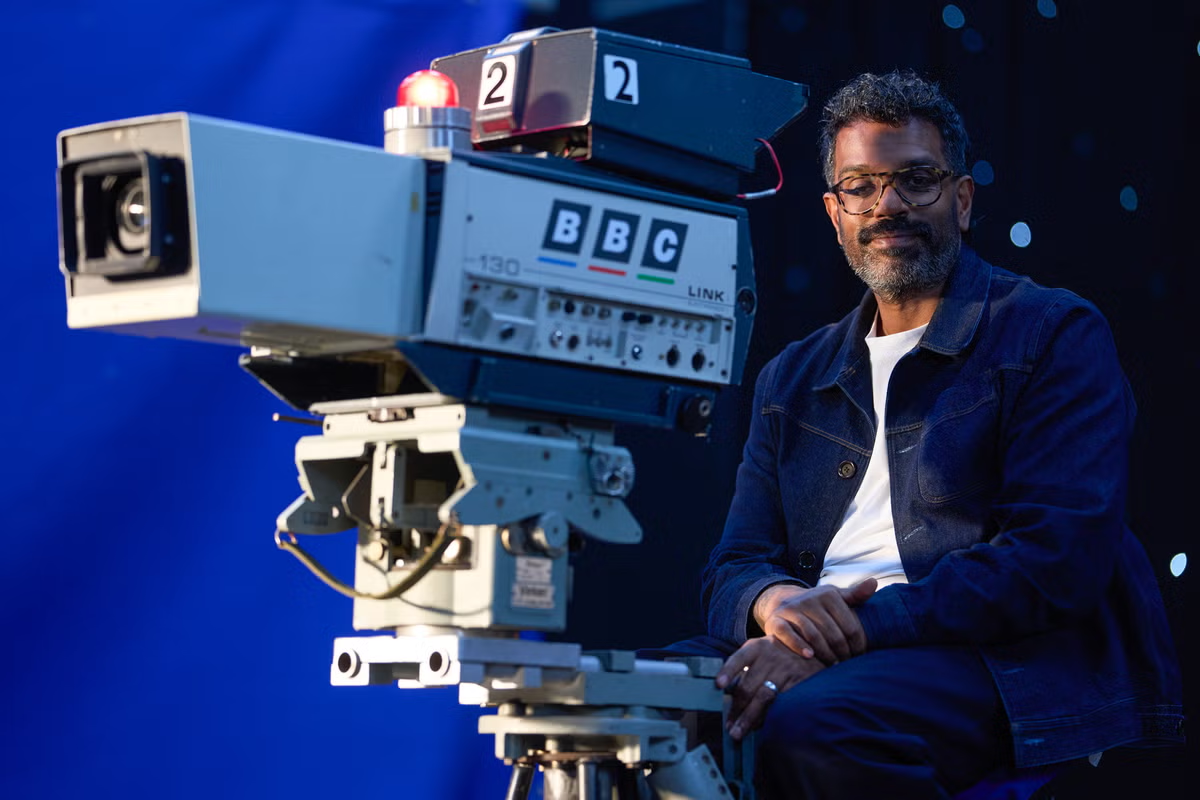
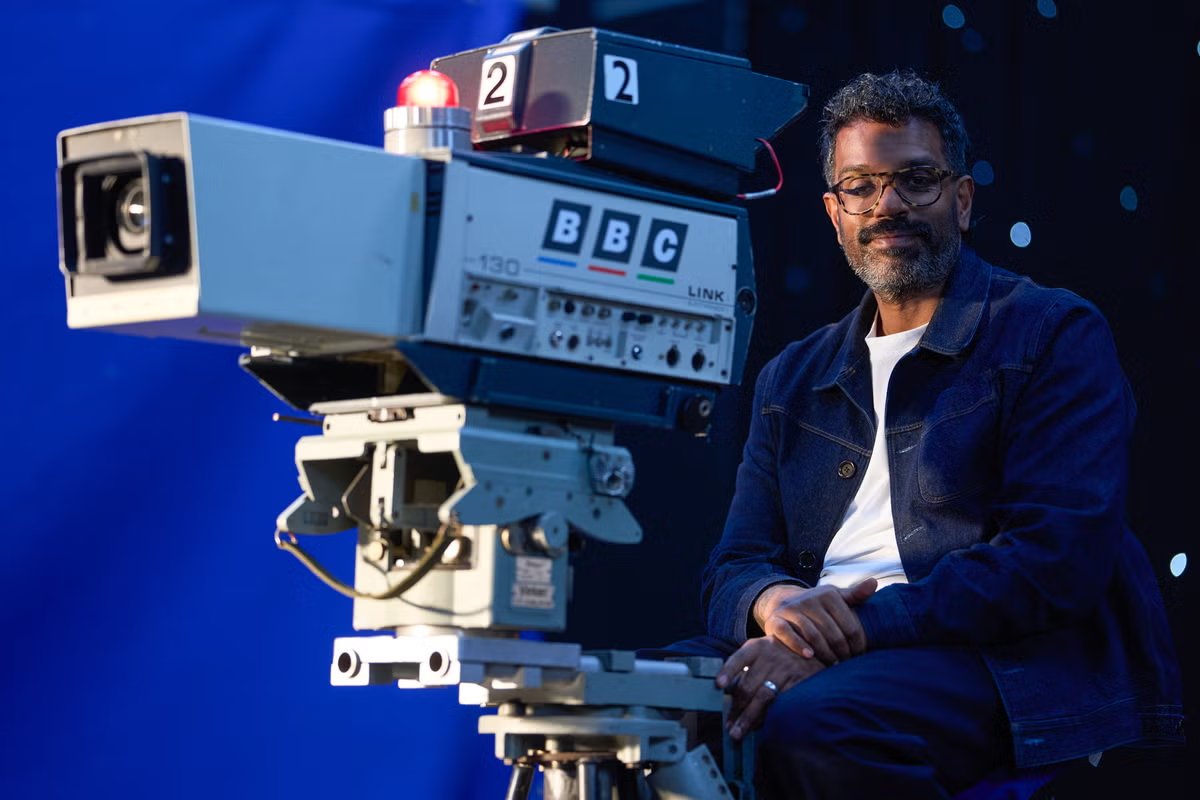
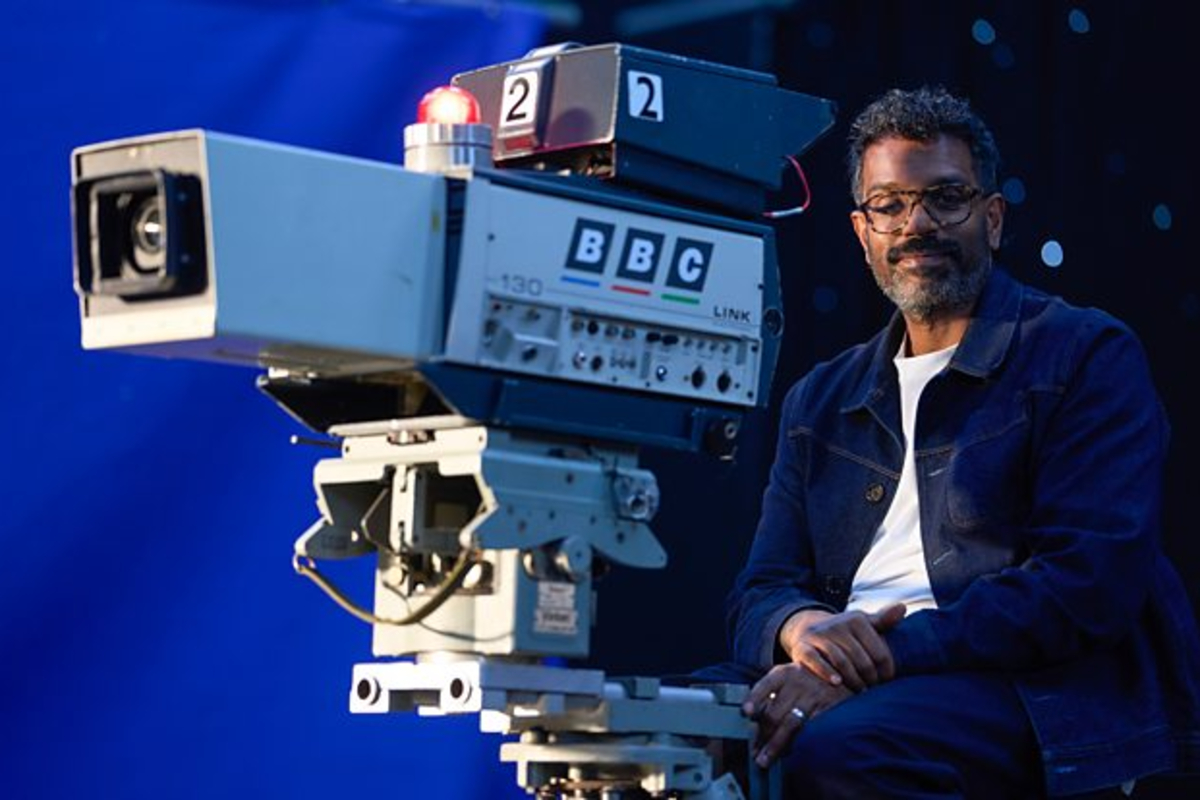
The BBC picked comedian Romesh Ranganathan to front the campaign. (Credit: BBC)
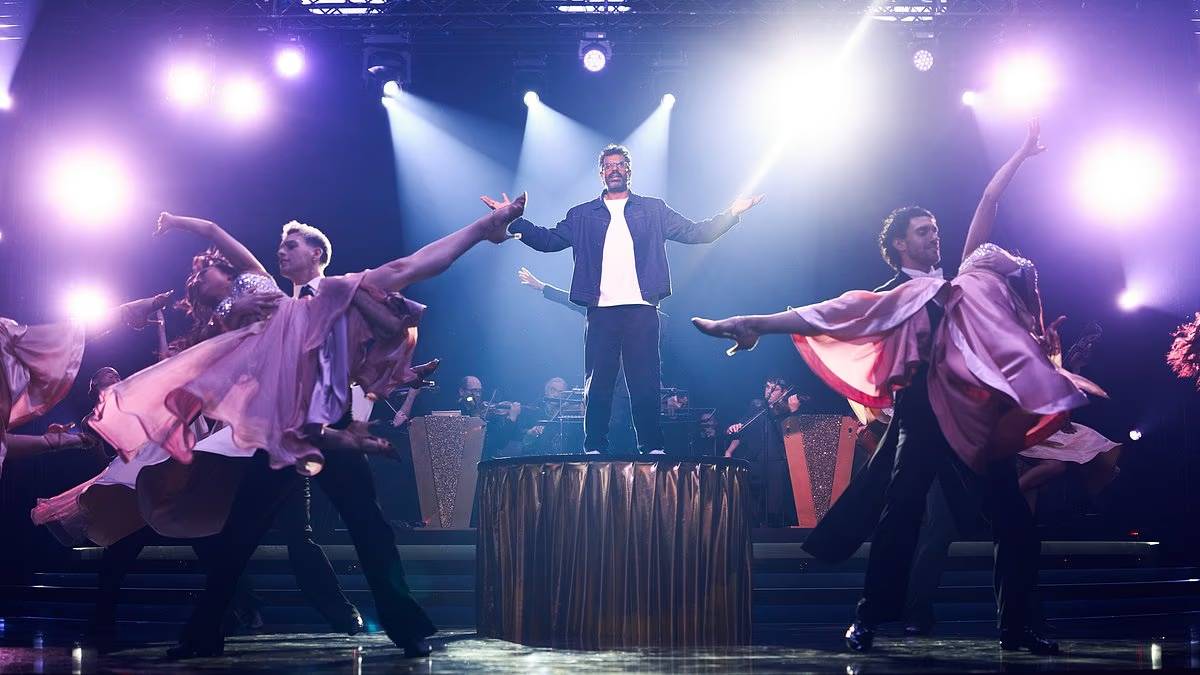
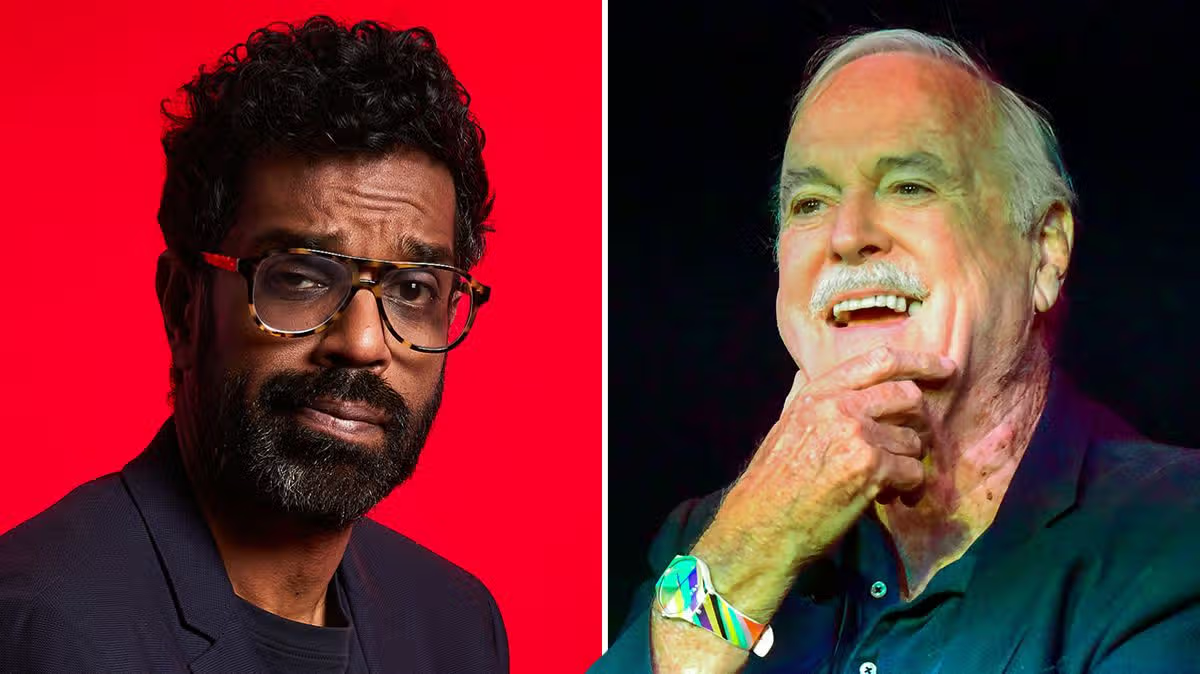
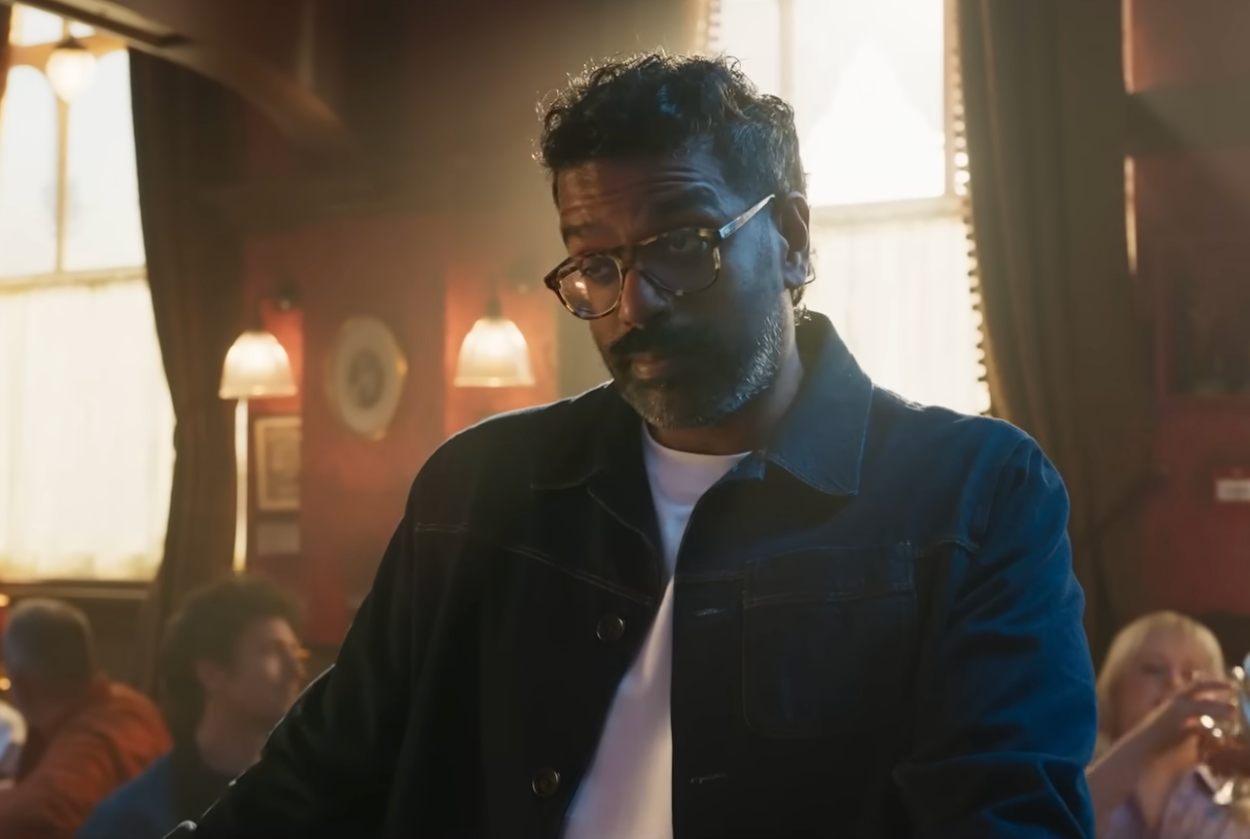
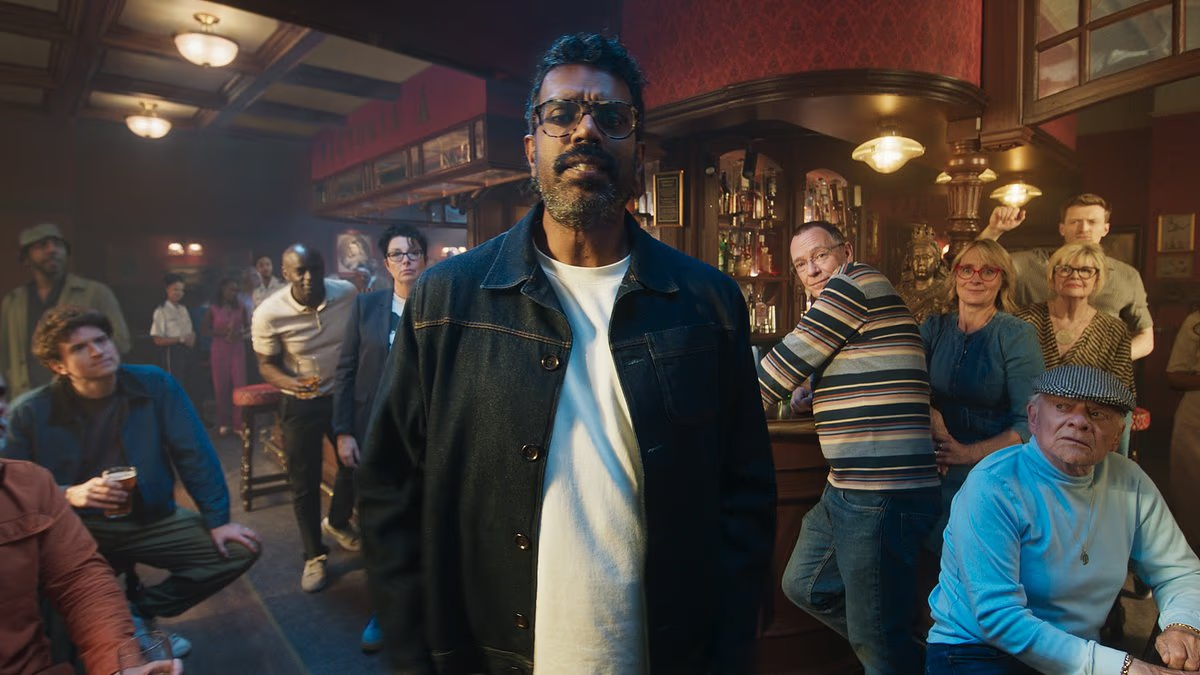
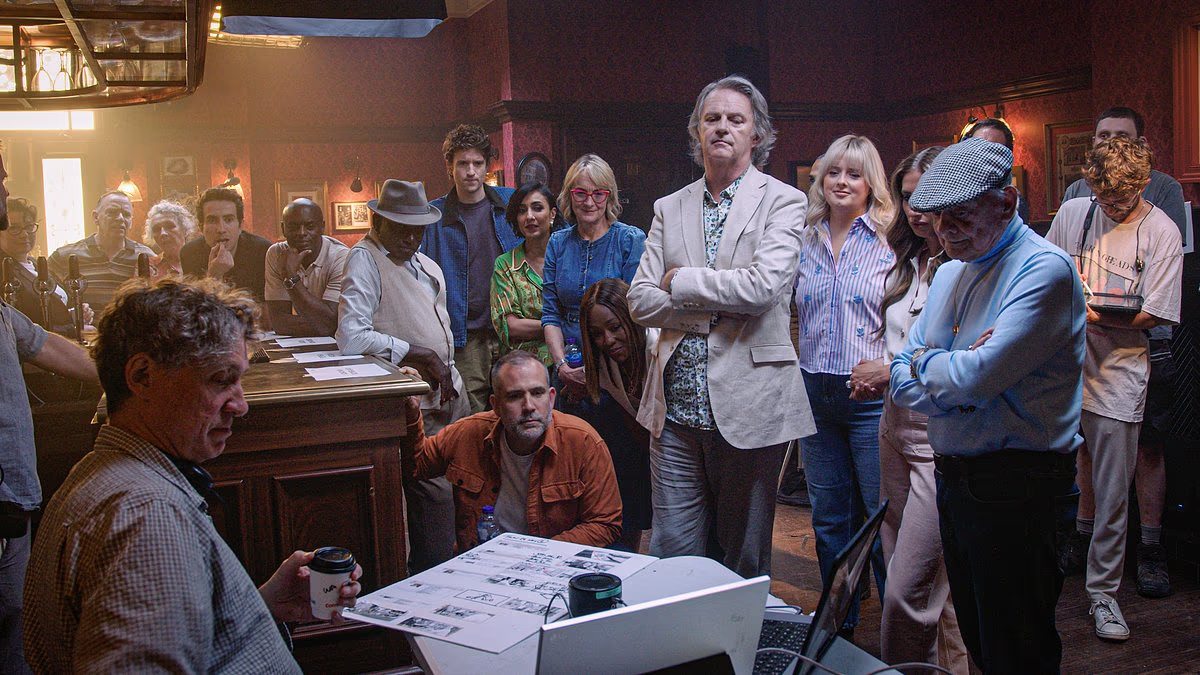
There is a lot to love about the BBC. But the new Romesh Ranganathan-fronted Corporation love-in will backfire, writes Matt Kenyon I’ve been getting sentimental about the BBC lately. Two different people have separately reminded me of Merlin; I had my first encounter with Louis Theroux’s Neil and Christine Hamilton documentary; I’ve been strangely hypnotised by Wayne Rooney’s World Cup punditry.But in the midst of Spain’s valiant clash with Argentina, one millennial comedian cut through all of this good will. Romesh Ranganathan, possibly best known for ‘The Apprentice: You’re Fired’, posed a simple question to tens of millions of viewers: “What has the BBC done for me?” The nearly four minute political broadcast on the nature of broadcast asks us to consider not what our BBC can do for us, but what we can do for our BBC. Romesh is whisked through a dizzying sweep of iconic TV locations – the Queen Vic, Graham Norton’s studio, the Strictly ballroom – as he repeats the central question in the dull, rhythmic style of a mid-ranking Labour minister. In a World Cup final which featured spoken word poetry by Tom Cruise and Argentinian players starting post-loss fights, this Corporation-coddling public information film was the most decadent moment of the evening. There are great cases to be made for the BBC. It projects British strength, creates tangible cultural moments, and knits together a framework of shared reality. But its own propaganda seems to miss all of this, and instead pummels the viewer with the grinning faces of its best-paid stars. Strictly and Traitors aside, not many BBC properties pull in viewers by the tens-of-millions anymore. As Romesh quips, “there are shows I wouldn’t dare to belittle,” he is duly chased by Daleks – part of the Doctor Who brand recently run into the ground by poorly-judged American financing and audience disinterest. So, it made sense to drop this particular marketing bomb in the World Cup final: the largest-possible captive audience. It centres one of the Corporation’s most inexplicable and over-exposed stars, and tries to poke fun at this very fact: “But Romesh, don’t you have a show on Radio 2?” The problem with sarcastic meta-commentary is that it only works if the audience doesn’t already agree with the premise of the criticism. Louis Theroux himself makes an appearance, as the Ghost of Licence Fee Abolition Future, with a hand hovering over a mechanical BBC killswitch: “None of this has to exist, if we don’t want it to.” It was a bold symbol for the campaign to deploy, which might have had some at home reflexively reaching out at their screens to yank it. As with Larry the Downing Street cat’s account on X and Count Binface, it’s tough to get on board with humour that is so twee and so smug. I was reminded of set-piece moments from Hillary Clinton’s 2016 campaign for president, which hinged on a series of not-quite-A-list celebrities quite literally daring the public to defy their cosy consensus. This is all an echo of a much more convincing, 1986 campaign fronted by John Cleese. He asks a barman, “What has the BBC ever given us?” David Attenborough chimes in, from the other side of the pub: “Pretty good natural history programmes.” As do David Dimbleby, Moira Stewart and various other broadcasting titans of their time. The original version is understated, and it works because public service broadcasting whispers whilst self-indulgent grift talks. It cuts a stark contrast with this warped new incarnation: A bombastic, expensive production is an odd way to show value for money. What has the BBC done for me? Quite a lot, I suppose. But not nearly as much as it’s done for Romesh Ranganathan.