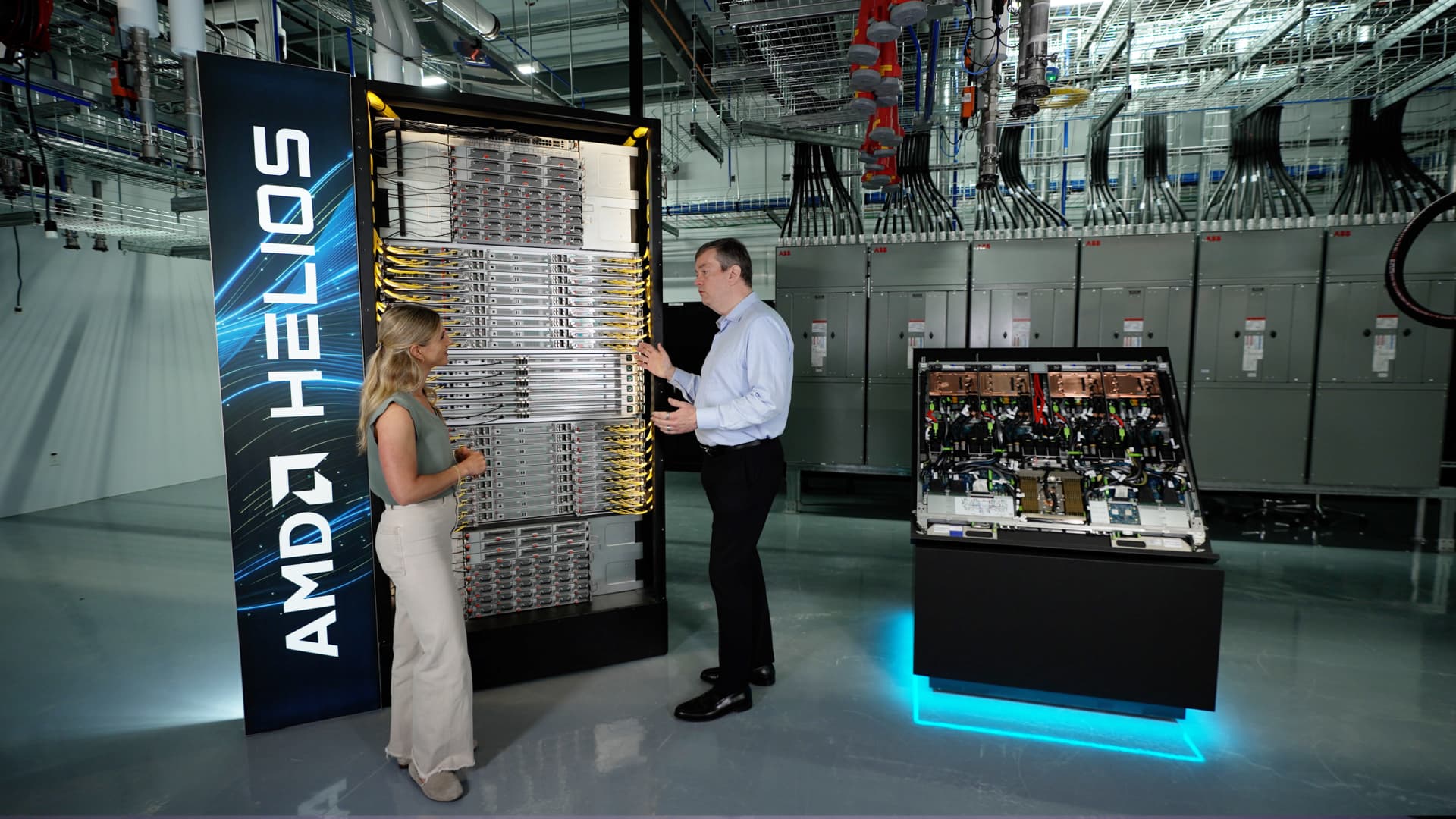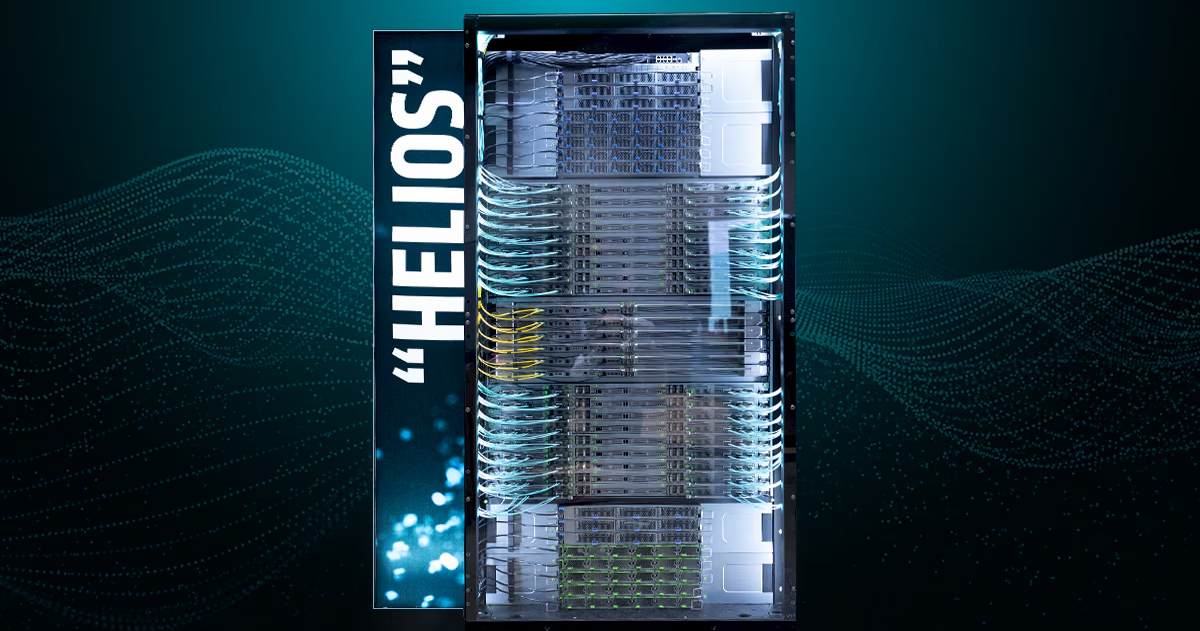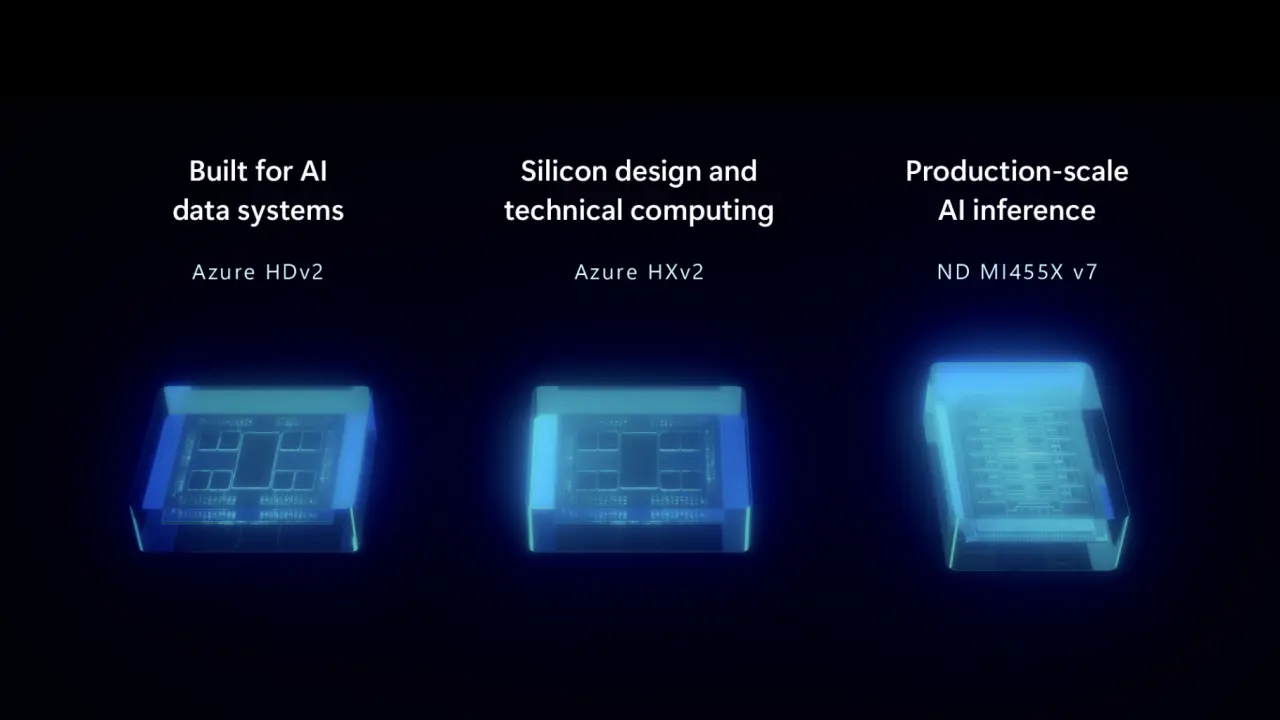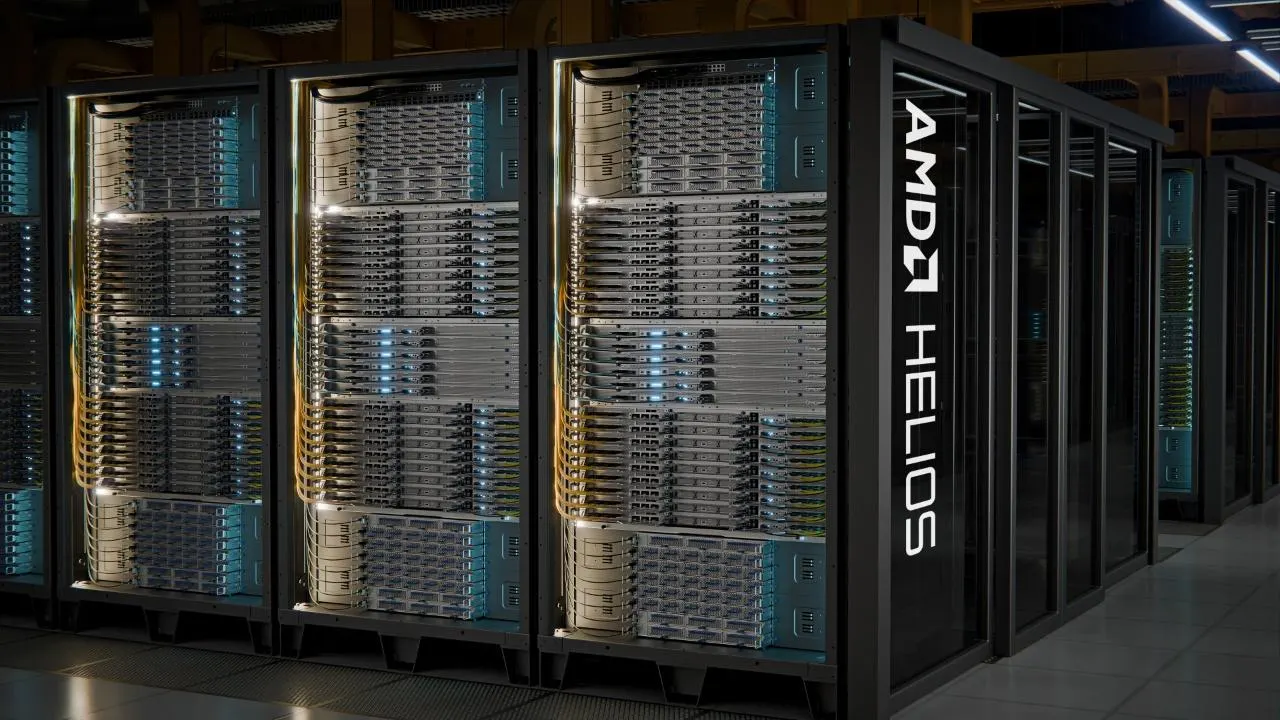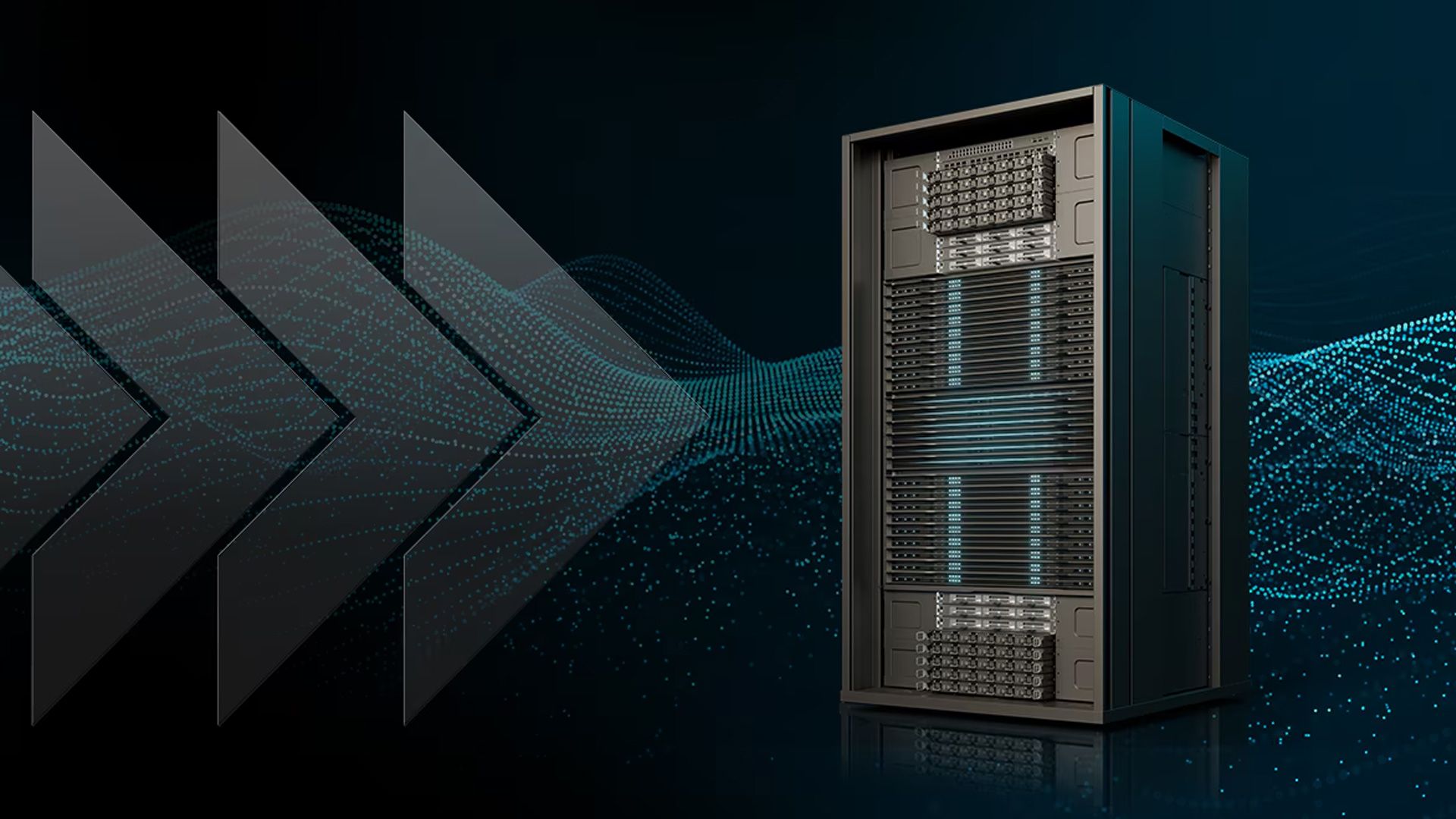
AMD is getting ready to ship its first rack-scale AI system called Helios later this year, and Microsoft is one of its first customers. Helios is AMD's biggest AI hardware launch yet and is designed to compete directly with Nvidia's Grace Blackwell and upcoming Vera Rubin AI systems. Microsoft announced on Monday that it will use AMD's Helios systems in its Azure data centers, joining companies like Meta, OpenAI and Oracle that have already committed to using the platform.Microsoft will use AMD's Helios AI system in Azure data centers. (REUTERS/Gonzalo Fuentes/File Photo) (REUTERS)AMD said Helios will begin shipping to customers later this year, including Microsoft, but the companies did not reveal how much Microsoft is spending or how many systems it will buy. Microsoft CEO Satya Nadella said Azure is adding AMD Helios to give customers more performance, scale and choice for building the next generation of AI applications, according to Microsoft's press release.Microsoft expands Azure AIMicrosoft said Helios will be used to power advanced AI model inference, support Azure AI services and provide computing power for Microsoft's AI customers. Microsoft also announced two new Azure computing instances powered by AMD's latest Venice CPUs. One is designed for agentic AI and data pipelines, while the other is built for semiconductor design work.The Helios announcement is the latest step in Microsoft's long partnership with AMD. AMD chips have powered Microsoft Surface computers and Xbox gaming consoles for years. Microsoft was also the first major cloud company to adopt AMD's MI300X AI GPU in 2023, giving AMD an early boost in competing with Nvidia, according to CNBC. At the same time, Microsoft is developing its own AI chips called Maia, which are also used inside its data centers.AI chip demand growsMicrosoft needs huge amounts of AI computing power as it develops more of its own AI models and expands research and development. In June, Microsoft introduced seven AI models developed in-house as part of its effort to reduce dependence on outside AI providers.Microsoft's AI products have had mixed success so far. CNBC said services like Microsoft 365 Copilot and GitHub Copilot have seen different levels of adoption, while Microsoft's stock has been the weakest performer among the Magnificent Seven technology companies this year.Also read: Meta faces Tennessee trial: Did Instagram's design make teens addicted?AMD said demand for its AI chips is growing quickly, with eight of the world's top 10 AI companies already running workloads on its Instinct GPUs, including OpenAI, Cohere and Elon Musk's xAI. Meta announced in February that it plans to use up to 6 gigawatts of AMD GPUs over time, starting with 1 gigawatt running on Helios systems later this year, according to CNBC. OpenAI, Oracle, and Tata Consultancy Services have also committed to deploying Helios systems during 2026.Helios features and costHelios combines four major AMD technologies into one system – Instinct AI GPUs, EPYC CPUs, networking hardware and ROCm software. AMD Data Center chief Forrest Norrod said the company is focused on giving customers the lowest total cost of ownership and the lowest cost per AI token, according to his interview with CNBC.AMD CEO Lisa Su said in May that Helios offers major advantages over Nvidia's rack-scale systems, especially in AI inference, memory bandwidth and memory capacity. Although AMD has not shared Helios pricing, research firm Futurum Group estimates each system will cost between $5 million and $5.5 million, according to Futurum Group estimates cited by CNBC. The same research firm estimates Nvidia's Vera Rubin rack-scale system could cost between $3.5 million and $4 million.AMD challenges NvidiaHelios is also physically larger than Nvidia's system. It can weigh up to 7,000 pounds and is wider than Vera Rubin. Despite AMD's progress, Nvidia still dominates the AI chip market with more than 95% of the data center GPU market, while AMD holds about 4.5%. Futurum Group CEO Daniel Newman said AMD could eventually grow its market share to between 20% and 25%, creating hundreds of billions of dollars in potential revenue.AMD's data center business has become its biggest source of revenue. The company reported 57% year-over-year growth in the first quarter of 2026. AMD told CNBC it expects to generate tens of billions of dollars in AI data center revenue starting in 2027, with most of that coming from Helios systems. Inside Helios, every one of the 18 compute trays contains four Instinct AI GPUs connected to one EPYC server CPU. AMD's EPYC processors played a major role in helping the company recover after losing ground in the data center market over the past decade.AMD comeback storyAMD once held nearly one-fourth of the server CPU market in the early 2000s but later lost that position after delays, product mistakes and layoffs. Forrest Norrod credited AMD CEO Lisa Su's leadership over the past 12 years for changing the company's direction and rebuilding its position in the server market, according to his interview with CNBC. Norrod said AMD regained customer trust after launching its first EPYC server processor in 2017 and successfully delivering multiple generations of products on schedule.Helios also uses networking chips developed through AMD's acquisition of Pensando in 2022. AMD strengthened its AI business through several major acquisitions, including buying Xilinx for nearly $50 billion in 2022 and server maker ZT Systems for nearly $5 billion in 2025. The company also bought several software firms to improve ROCm, its open-source software platform that competes with Nvidia's CUDA ecosystem.Software remains key battleCounterpoint Research analyst Neil Shah said AMD's hardware is now on par with Nvidia's, but Nvidia still has the advantage because its CUDA software ecosystem is much larger and more mature.Analyst Daniel Newman said AMD's success with Helios will depend on whether customers choose it because it performs better than Nvidia's systems or simply because demand for AI computing is so high that buyers need every available option, according to CNBC.Microsoft's decision to adopt Helios is a major win for AMD because it adds one of the world's biggest cloud providers to its customer list and strengthens AMD's challenge to Nvidia's dominance in the AI chip market.
Microsoft backs AMD Helios AI system to challenge Nvidia's dominance
Microsoft will use AMD's Helios AI system in Azure data centers, boosting AMD's challenge to Nvidia as competition in the AI chip market intensifies.
1,008 words~5 min read