Published Jul 20, 2026, 11:34 AM EDT
The U.S. military’s new testosterone-screening protocol directly supports its focus on human performance optimization.
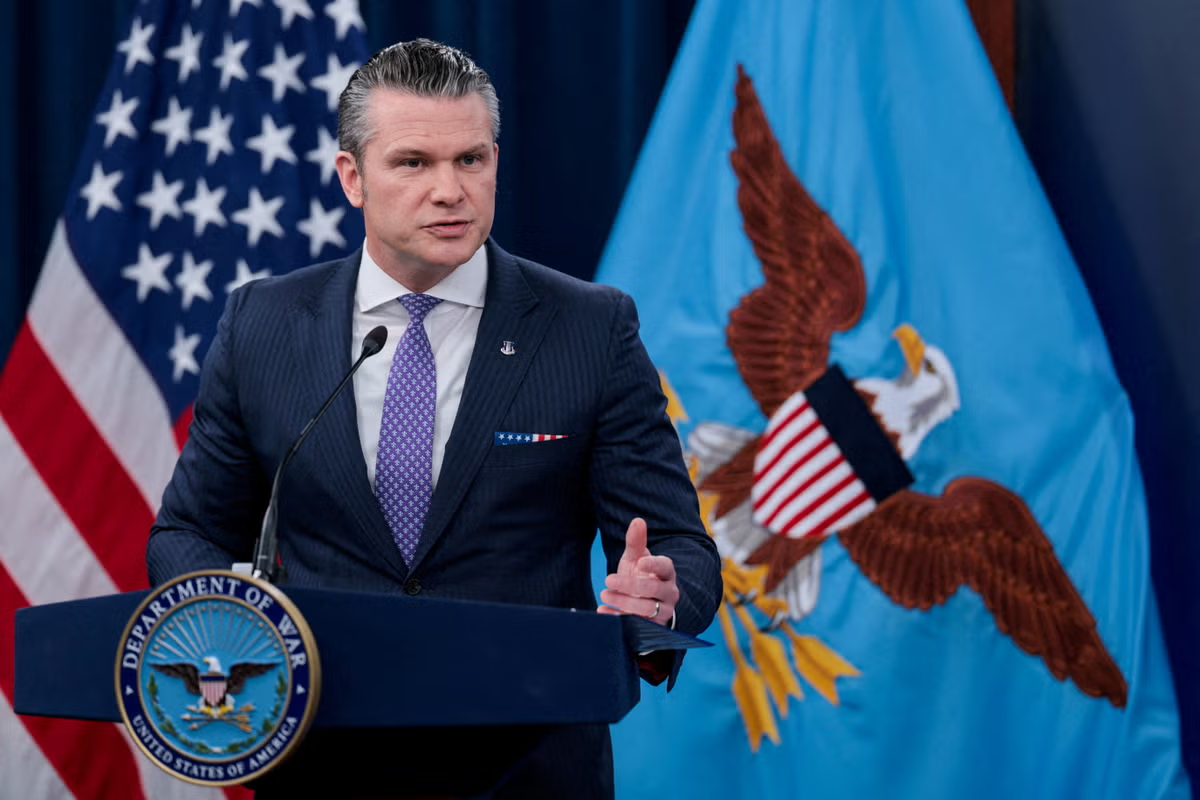
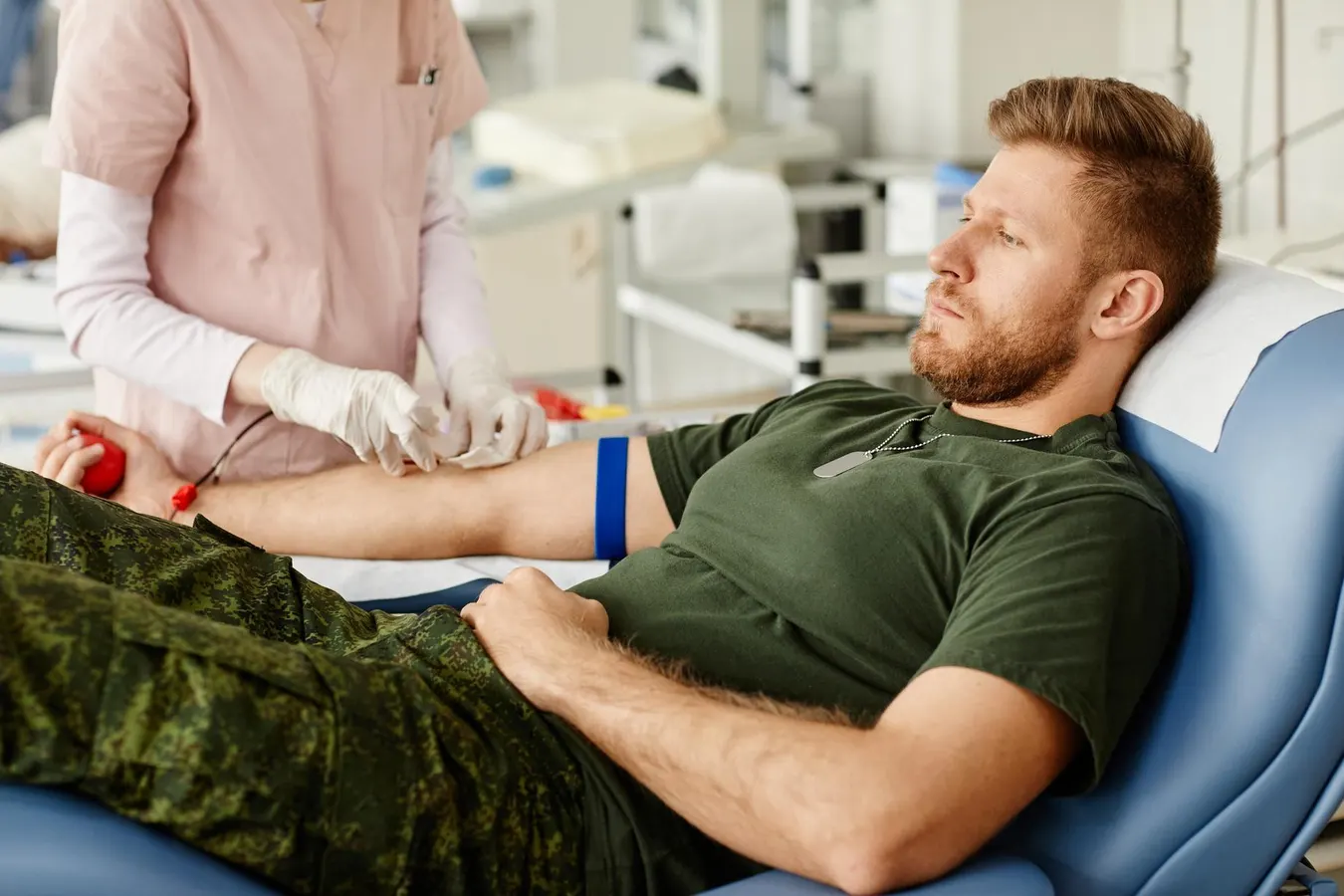
Combat and high stress lead to both immediate and long-term decreases in testosterone levels, even in young men, mainly because of chronic cortisol increases, severe sleep deprivation, traumatic brain injuries (TBI) and ongoing deployment cycles into war zones. But underlying medical issues also cause low-T. When life is stressful, testosterone can decrease and continue to decline with age, especially if recovery methods are compromised (sleep, nutrition, stress mitigation). It is important to know hormone levels just as it is to know blood pressure and triglyceride levels during annual blood screening physicals, as other causes for dropping testosterone could require more than just replacement therapy. Dozens of medical conditions can cause a lowering of testosterone, according to the Cleveland Clinic, poorly managed Type 2 diabetes, obstructive sleep apnea, testicular injuries/infections, pituitary disorders and genetic conditions such as Klinefelter's syndrome. Additionally, chronic illnesses, opioid medications and chemotherapy can suppress hormone production. Tactical operators face intense physical and psychological stress that significantly affects their lives and, for some, their testosterone levels. A recent change in U.S. military policy on the testing of testosterone reads: This enhanced testosterone-screening protocol directly supports the military’s focus on human performance optimization while comprehensively addressing Operator Syndrome. Originally identified among special operators in 2020 through collaborative research by the U.S. military and leading academic institutions, Operator Syndrome represents a unique convergence of health challenges requiring proactive clinical intervention. Applying lessons learned from treating Operator Syndrome across the total force, including targeted testosterone therapy, directly optimizes troop readiness. The memorandum states it will test for testosterone deficiency but does not indicate whether testosterone replacement therapy will be prescribed voluntarily or not. Secretary Pete Hegseth cleared up the confusion in a statement that treatment is voluntary, according to PBS, but that for men over 30, the testing is mandatory.