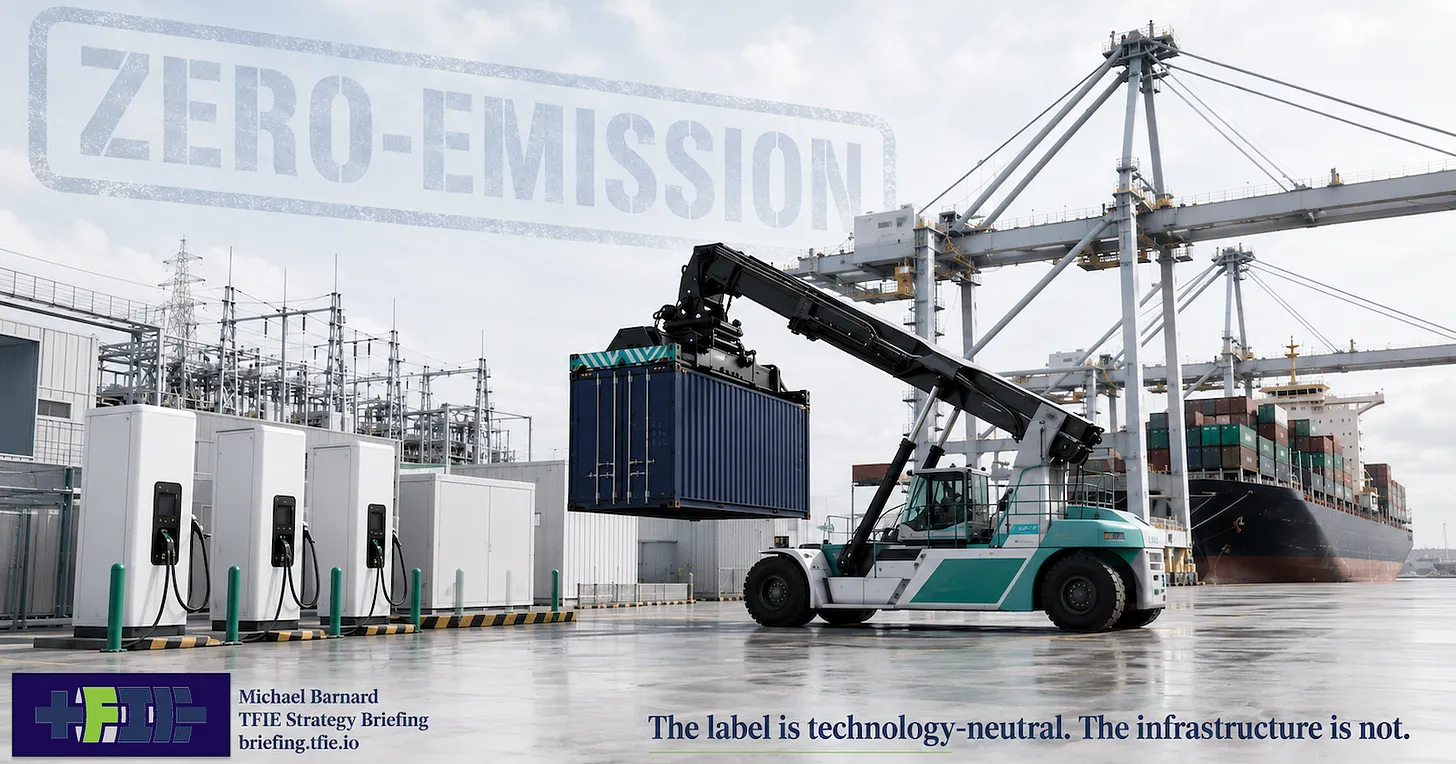
Long Beach’s policy language remains technology-neutral, but chargers, grid infrastructure and electric cargo equipment reveal where deployment is moving.
Support CleanTechnica's work through a Substack subscription, on Patreon, or on Stripe. Help us produce all of the high-quality, original content we publish week after week despite the challenges of content-scraping AI, antisocial media, inflation, and other hurdles.
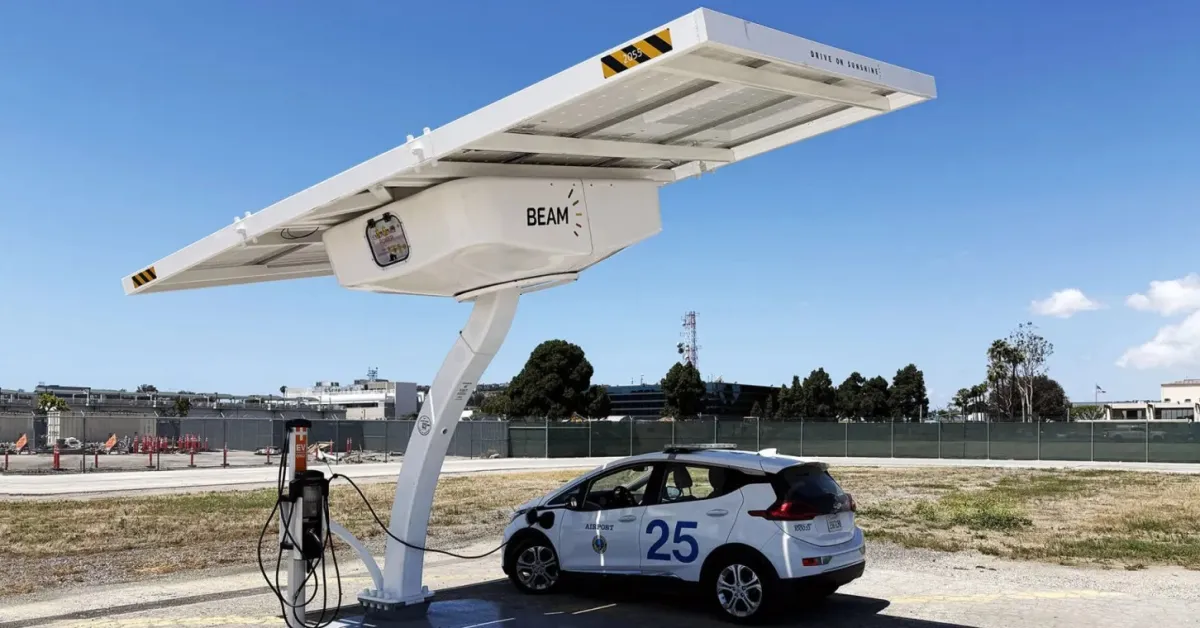
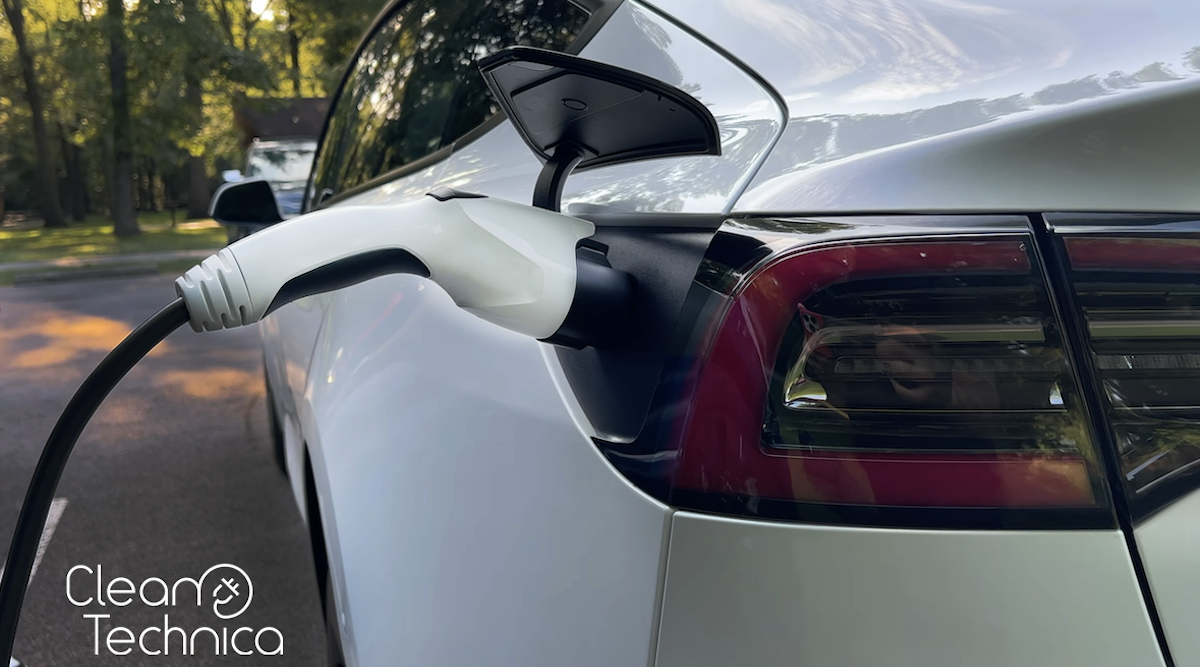
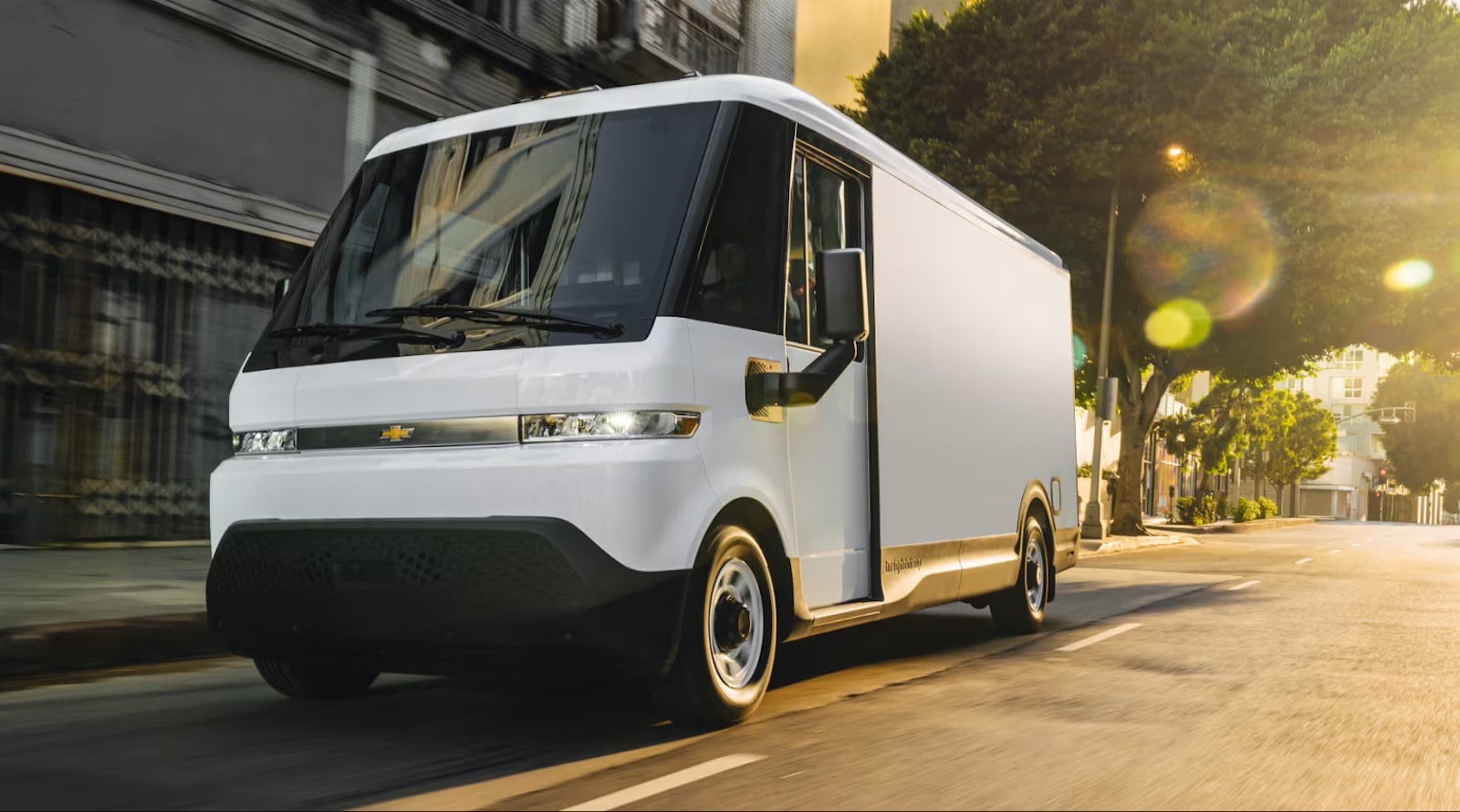
The Port of Long Beach keeps describing its clean-technology investments as “zero-emission,” a phrase broad enough to include both batteries and hydrogen. Its funded assets are much less ambiguous. Chargers, electrical infrastructure and electric cargo-handling equipment are extending the power system into terminal operations while hydrogen remains largely inside the policy vocabulary.
That shift matters because Long Beach was not a passive venue for hydrogen promotion. The port’s C-PORT program included a hydrogen fuel-cell yard tractor and dedicated fueling infrastructure alongside battery-electric equipment, while the wider port complex hosted Toyota’s Project Portal fuel-cell drayage trials and later its Tri-gen facility, capable of producing about 1,200 kilograms of hydrogen per day for light- and heavy-duty vehicles. Long Beach has not formally abandoned that pathway—it was still permitting liquid-hydrogen fueling equipment in 2024 and station upgrades in 2026—but that makes the current investment pattern more revealing, not less. Hydrogen received years of demonstrations and infrastructure access; chargers, electrical upgrades and commercial electric equipment are increasingly receiving the repeatable operating capital.