This audio is auto-generated. Please let us know if you have feedback.
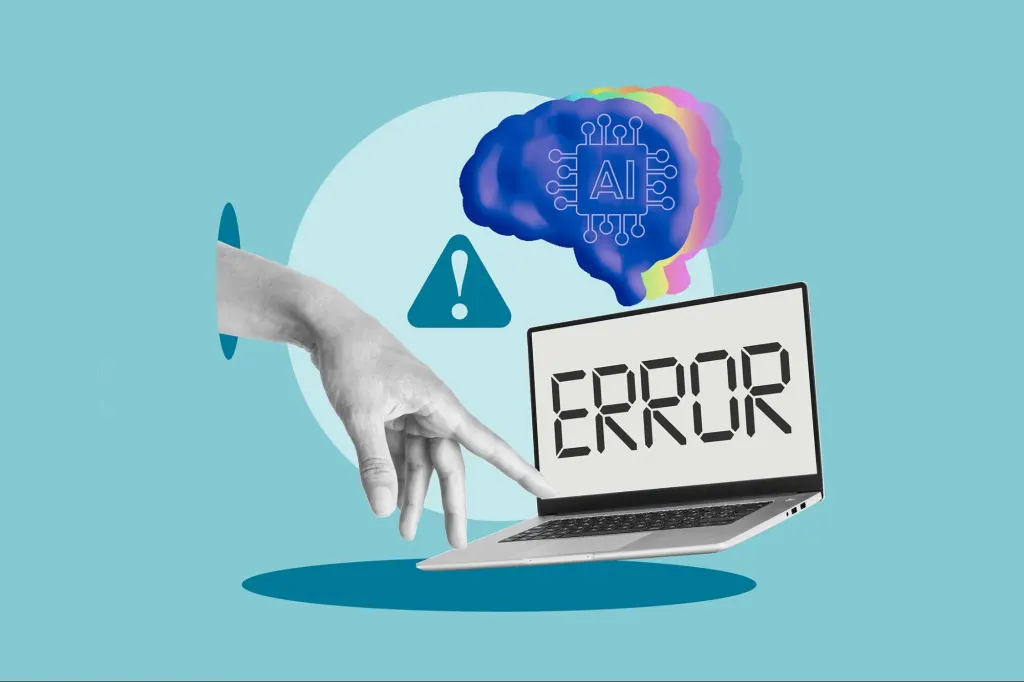
Artificial intelligence initiatives don't always result in supply chain success.
Starbucks’ recent decision to ditch an AI inventory management tool roughly nine months after implementation illustrates the point. While the system was meant to speed up workers' ability to take stock using computer vision to automate aspects of inventory counting, Reuters reported in May that the platform occasionally miscounted or mislabeled items.
Some stumbles are to be expected as companies figure out how to most effectively leverage AI within their operations. Fifty-six percent of chief supply chain officers find integrating AI with legacy systems and processes to be a large hurdle, per a Gartner survey released in April. Fifty percent said they had limited internal expertise and talent to manage the technology.
Organizations learning how to manage and implement AI is "compounded with just week-over-week, month-over-month improvements in AI capabilities," Brian Pacula, a partner in West Monroe's supply chain practice, told Supply Chain Dive in an interview. "So what you knew last week is already changing going into next week, so you just got to stay on top of it."