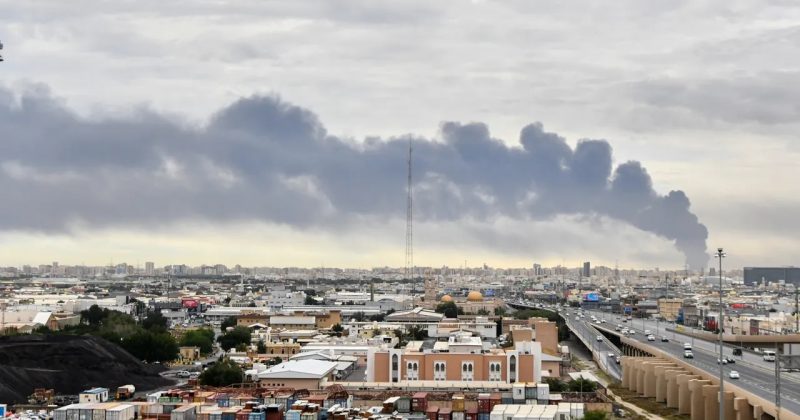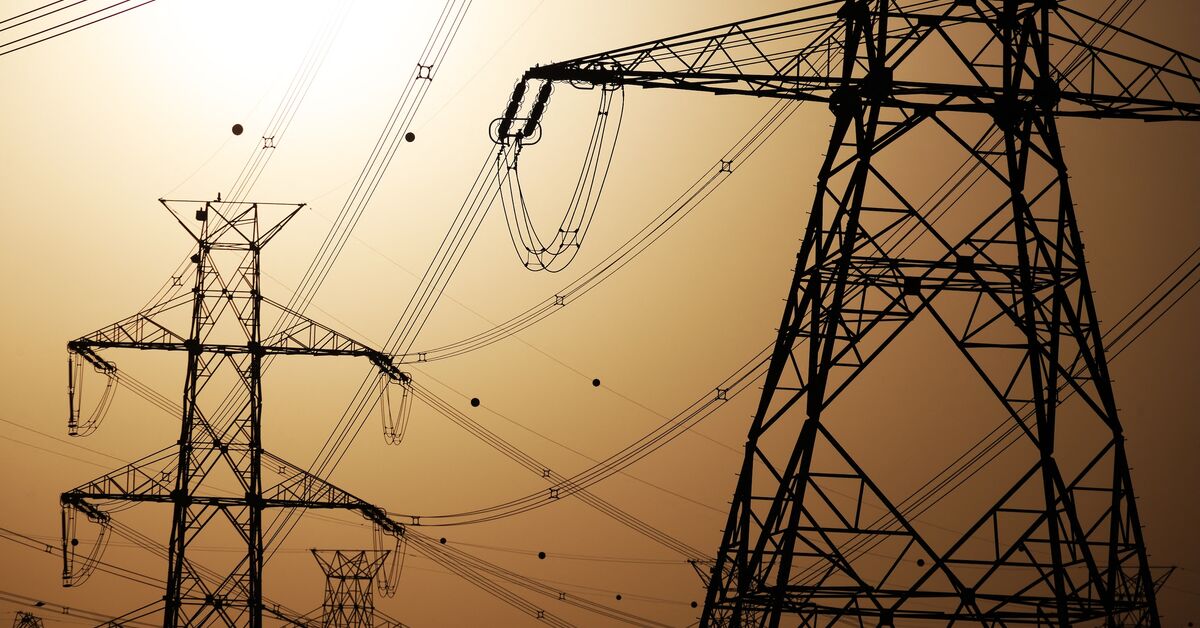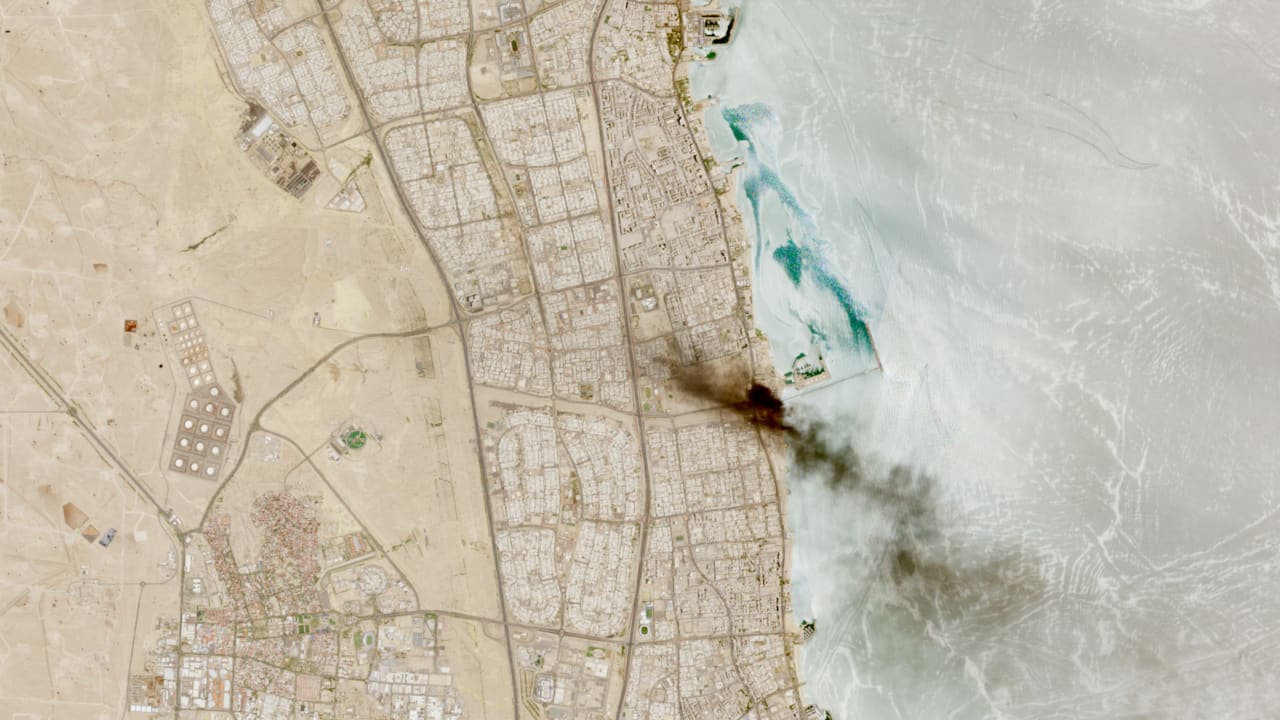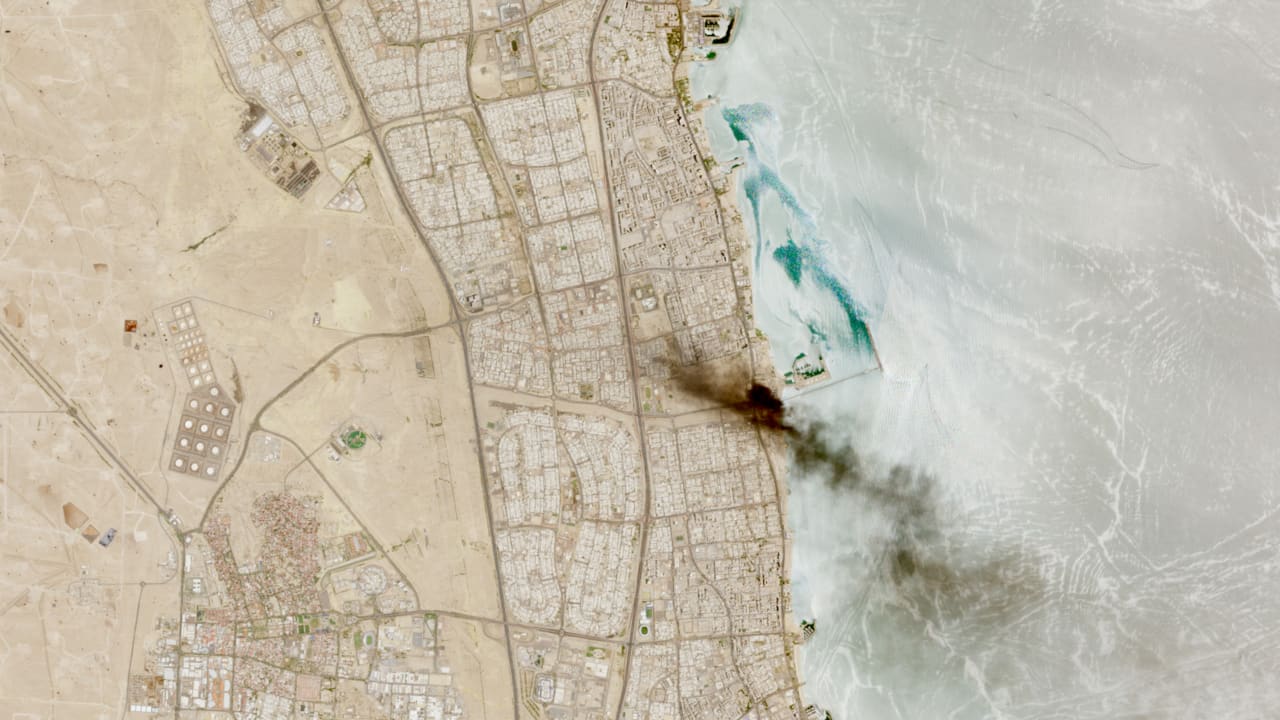
Over the weekend, Iranian attacks caused significant damage at a power generation plant, a water desalination plant, and several residential areas in Kuwait during the hottest time of year. Follow us on GoogleA satellite image shows smoke billowing near an oil facility in Ahmadi Governorate, Kuwait, July 18, 2026.(photo credit: EUROPEAN UNION/COPERNICUS SENTINEL-2/HANDOUT VIA REUTERS)ByDANIELLE GREYMAN-KENNARDJULY 20, 2026 18:08The Islamic Republic’s decision to attack Kuwait’s infrastructure is “unlikely” to push Gulf states to enter the war, even as civilians continue to pay the price for Tehran’s assault, Dr. Courtney Freer, an Assistant Professor in the Department of Middle Eastern and South Asian Studies at Emory University and a senior nonresident fellow at the Gulf International Forum, told The Jerusalem Post on Monday.Over the weekend, Iranian attacks caused significant damage at a power generation plant, a water desalination plant and several residential areas in Kuwait, attacks that Freer noted would have a significant impact on civilian life.“It is worth pointing out that these could have a major effect on the country, given that this is the hottest time of the year,” she explained. “In past years, Kuwait has suffered electricity blackouts due to high demand for air conditioning as temperatures soar, so attacks on electricity infrastructure make the situation more precarious in summer.”On Monday, temperatures in Kuwait reached a high of 41 degrees, and maximum forecasts for this summer predict some days to exceed 50 degrees.Smoke rises from an explosion following a drone strike on a warehouse in Al Shuaiba, Kuwait, in this still image obtained from social media video released July 14, 2026. (credit: Social Media/via REUTERS)Iranian attacks may lead Gulf states to pressure Trump to end war“Iranian attacks on civilian infrastructure therefore may be an attempt to turn Kuwaitis and others in the Gulf states against the war, such that they will pressure the Trump administration to end the fighting,” Freer continued. “In the longer term, Iran wants the Gulf states to abandon their security ties with the United States, but this seems unlikely.”Adding further weight to this, Iran’s IRGC put out a direct message to Kuwaiti and Jordanian citizens in mid-July, calling on them to expel American “occupiers” from their countries' territory and “not to miss any opportunity to destroy the aggressive American institutions and to liberate the Islamic lands.”Beyond creating pressure on the Gulf states to push the US to end the war, Freer noted that targeting civilian infrastructure was likely “tactically easier” for Iran to achieve given that there are more air defense systems in place over bases.“Beyond that, attacks on US troops could bring a harsher response from the US,” she noted.Iran claims Gulf states targeted Iranian infrastructureMirroring similar comments made to the Post by international relations expert Dr. Arman Mahmoudian, a research fellow at the University of South Florida’s Global and National Security Institute, Freer said that Iran has largely justified the attacks on civilian infrastructure by claiming its own infrastructure was targeted by Gulf states, despite evidence and statements to the contrary. “These claims have been repeatedly denied, as the Gulf states have explained that attacks are coming from US aircraft carriers and that US troops have remained on their soil for defensive purposes,” she said.Though Iran has given no indication of letting up on its attacks on civilian infrastructure, Freer concluded her comments to the Post by stating that Gulf states are “likely to continue to pursue restraint and diplomacy.”“They have said from the beginning that this is not their war, and so they, in my view, are unlikely to get involved aside from defending themselves and seeking to mediate, including through direct talks with Iran,” she said. “There has been a lot of talk about strengthening regional cooperation among the Gulf states, and I think that could be a longer-term shift, as well as the development of local defensive and military capabilities.”Follow us on Google
Iran using Kuwaiti civilian suffering to pressure US to end conflict | The Jerusalem Post
Over the weekend, Iranian attacks caused significant damage at a power generation plant, a water desalination plant, and several residential areas in Kuwait during the hottest time of year.
644 words~3 min read