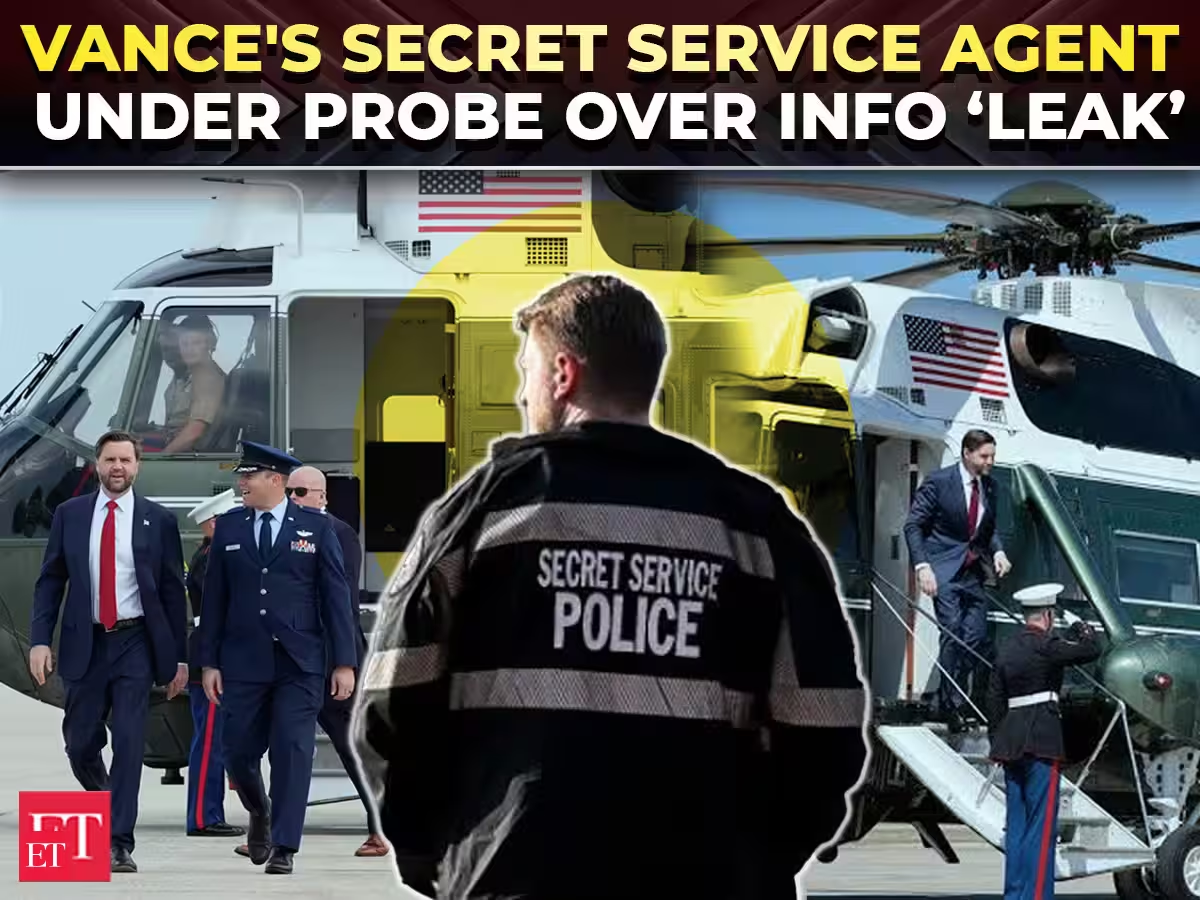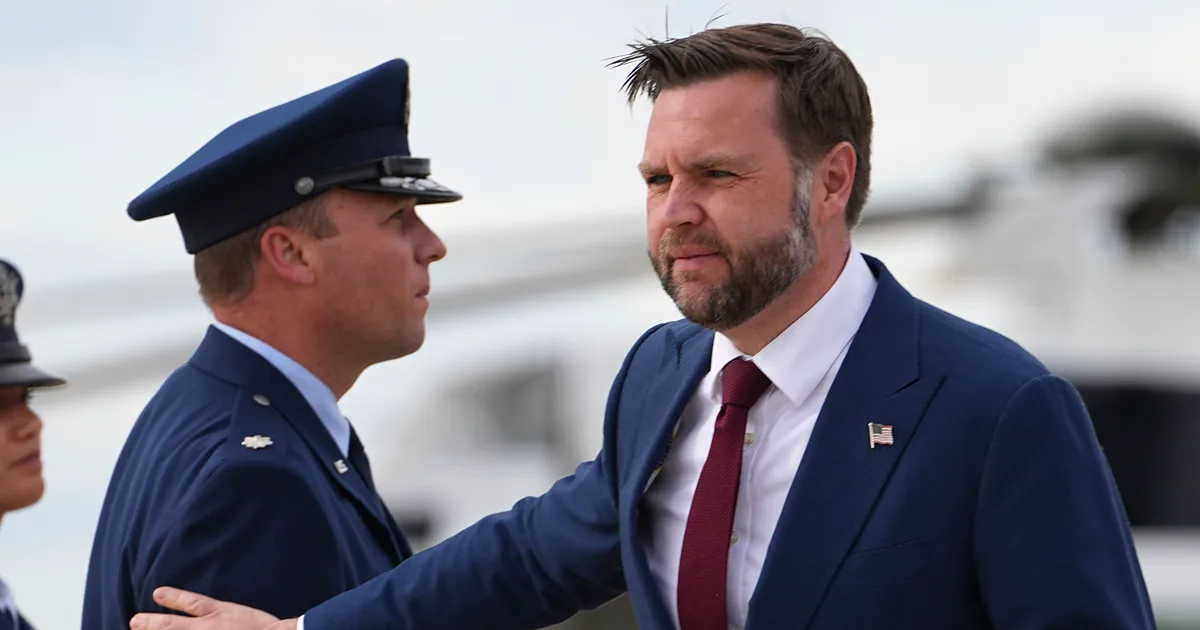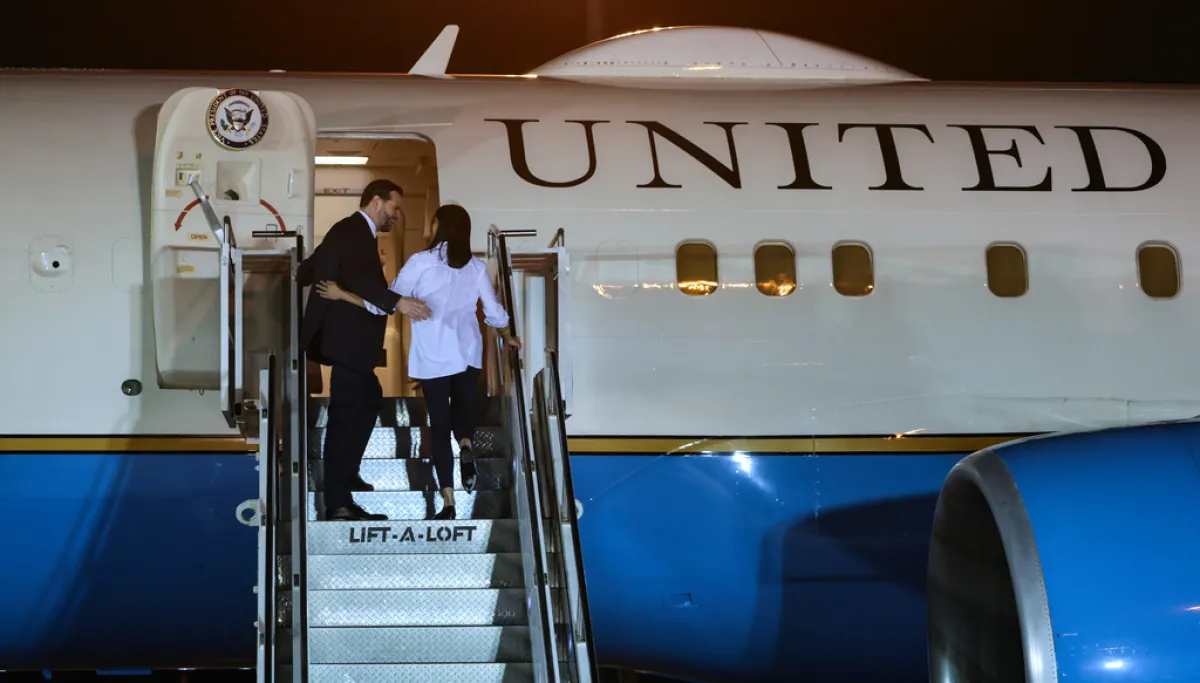
Earlier today, I wrote an article on the U.S. Secret Service and demands placed on Vice President JD Vance’s detail about what are known in the United States Secret Service as “off the record” stops.The USSS’s Vice-Presidential Protective Division is responsible for the security of the second family. The earlier version of this article suggested that the vice president was using an excessive number of OTRs to engage in personal travel in a manner that helped shield his young family from unwanted publicity. I based this argument on reporting from MS Now, other sources, and my knowledge of USSS operations.While I suggested that MS Now referenced complaints about the Vice President’s use of Marine Two to travel to a military golf course with his son were unfair, I believe my earlier article misread the OTR situation. Having subsequently learned more information, I now believe the main stress issue with the VPD is not personal OTRs, but rather Vance’s short notice, high-intensity international travel.
As evidence in point, Vance is currently leading the U.S. negotiating team in talks with Iran to end the war and establish a new nuclear accord. While Vance has made at least nine international trips since becoming vice president, planned Iran-diplomacy related trips to Pakistan in April and Switzerland in June were both canceled with short notice. The Washington Examiner understands that communication between the Trump administration and elements in the Iranian government is continuing even as the two countries have resumed military action. All of this, however, means a very heavy workload for the VPD. This dynamic can be seen in two VPD patches that MS Now gained access to. Used for internal morale and sharing with trusted friends, these patches state “OTR Survivors Club” and “TBD TBD”/”Advance, OTR, Repeat.”One facet of the challenge the VPD faces in Iran negotiations is that they require short-notice travel that disrupts anticipated clocking-off times and clocking-off locations. In Vance’s case, however, the central issue has been a heavy schedule of short-notice travel and the pre-staging of resources in anticipation of potential travel.Because the vice president must step into the presidency on short notice amid a potential crisis such as a devastating terrorist attack or military contingency, the VPD must shield both Vance and his family, as well as the various military and other government agencies that would enable his presidential action in an emergency. The unpredictability of the Iranian regime’s leadership and decision-making structures, something that Trump Administration officials have frequently referenced, is also relevant.Put simply, this means that an uncertain foreign trip involving sensitive issues and foreign personalities requires many moving parts to be pre-staged, ready to move, or on standby. That’s a lot of vehicles, a lot of redundant communications, secured medical facilities and “safehouses,” a lot of counter-assault and counter-sniper assets, etc. And a lot of highly classified capabilities that are designed to allow the vice president to lead effectively, even amid a true disaster such as nuclear war. Crucially, short-notice foreign travel and sometimes OTRs also mean shift schedules for agents being set on a contingency basis (so that agents and assets are ready to move if and when a new trip goes ahead), and thus agents are more restricted in making longer-term plans.NIGEL FARAGE AND OTHER TOP UK POLITICIANS NEED MORE SECURITYVance is simply doing his job, but this leads to an already stressful VPD job becoming more stressful. This stress has occasionally caused issues in the VPD. As I reported in 2024, during the Biden administration, one detail agent fought with other detail agents and was handcuffed and disarmed during an incident at Andrews Air Force Base.But the central point here is that the USSS needs more resources, and it needs them now.EDITOR’S NOTE: An earlier version of this story, citing reporting from MS Now, suggested that trips planned for Vice President JD Vance’s family were straining the resources of his U.S. Secret Service detail, particularly through the high number of “off the record” stops to coordinate personal travel for the second family.