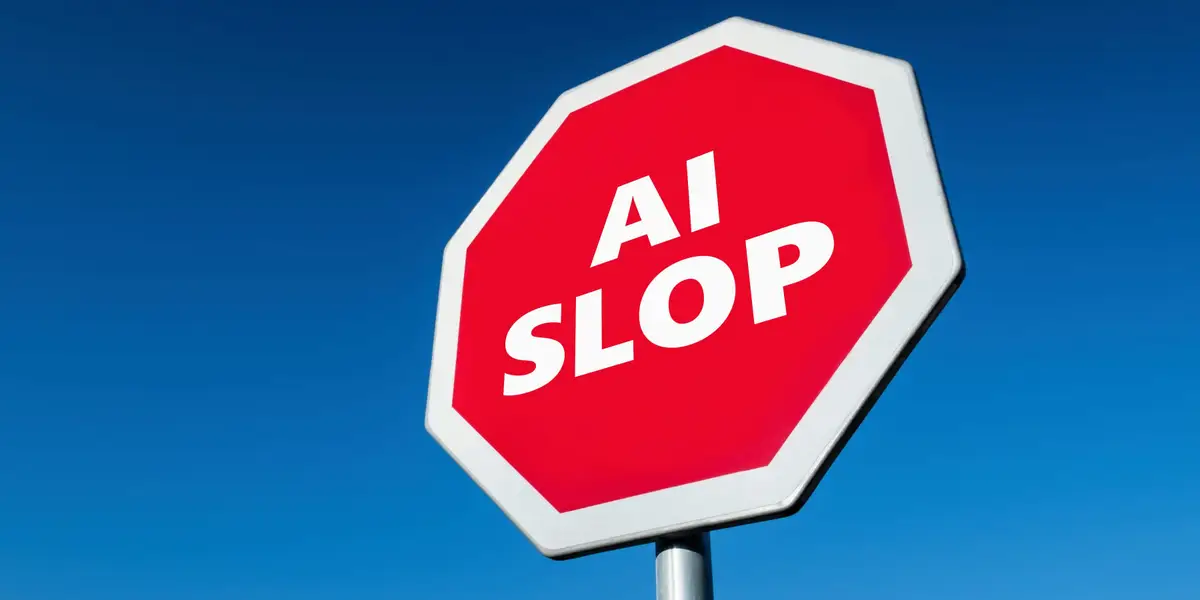
A recent change sees YouTube further cracking down on AI slop by clarifying its policies around how content on its platform can be monetized. To discourage creators from using AI and other tools to make low-quality content, YouTube’s policy now explains that there are three types of videos under the broader category of “inauthentic content” that cannot be monetized.
YouTube already had policies around AI content. Last year, the company announced it was stemming creators’ ability to generate revenue from what it called “inauthentic content,” including mass-produced videos and other types of repetitive content that have become easier to generate with the help of AI technology.
Rather, the recent update is about adding more nuance to the existing policies.
The updated guidelines break down inauthentic content into three categories, including generic, repetitive, or template-based content, followed by off-putting or distressing content, and then any content where AI personas are used to discuss sensitive topics, like health and finance.
While AI slop, much like adult content, is something of a “you’ll know it when you see it” situation for many, YouTube’s policies are meant to more specifically spell out when AI’s use in content creation is allowed or is not permitted for videos being monetized through its YouTube Partner Program (YPP).