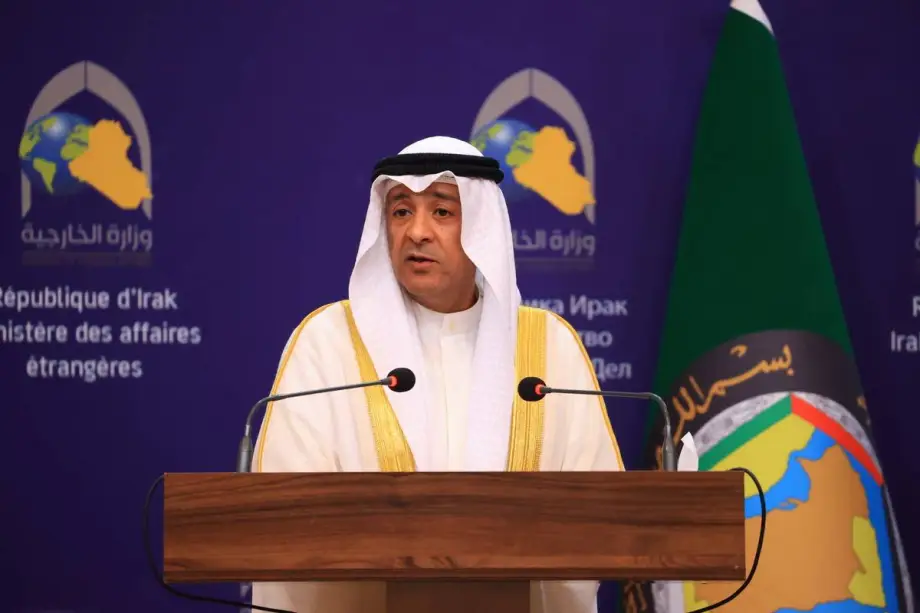
Gulf Cooperation Council (GCC) Secretary-General Jasem Mohamed al-Budaiwi recently condemned Iran’s attacks on Bahrain, Kuwait, and Jordan in the strongest terms. He described the strikes on civilian infrastructure as “war crimes” that constitute “a highly dangerous escalation, a grave violation of international law and the United Nations Charter, as well as war crimes requiring international accountability and prosecution, given the deliberate targeting of infrastructure and civilian facilities.”
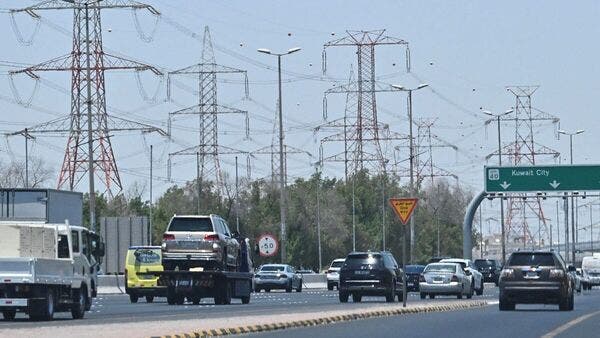
Iran has crossed a really significant red line here. For months, Tehran claimed its missile and drone strikes were limited to US military bases in the Gulf states. Yet the reality on the ground tells a different story. In Kuwait, for instance, Iranian strikes hit power stations and desalination facilities, including critical water infrastructure that supplies a vast majority of the country’s drinking water. Similar attacks targeted civilian sites in Bahrain and Jordan.
These are not military objectives – they are essential services that sustain everyday civilian life.
War crimes under international law
Under international humanitarian law, deliberately targeting civilian infrastructure is a war crime. The principle of distinction, enshrined in Additional Protocol I to the Geneva Conventions (particularly Articles 48 and 52), requires parties to a conflict to distinguish at all times between civilian objects and military objectives. Civilian infrastructure such as water treatment plants, power stations, and desalination facilities – vital for public health and survival – does not qualify as a legitimate military target unless it is being used for military purposes, which was not the case here.