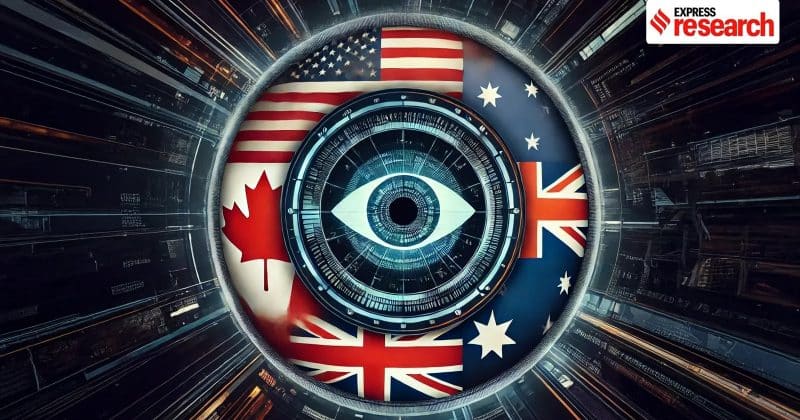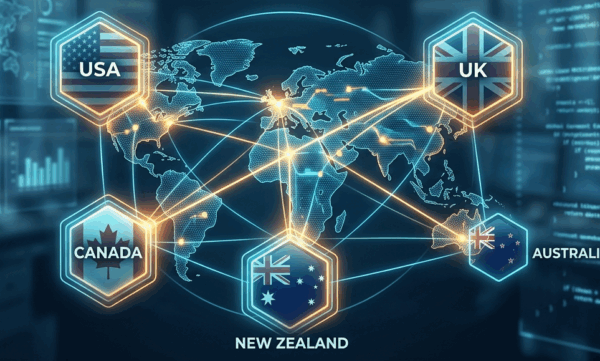
Linking Australia, Canada, New Zealand, the United Kingdom and the United States, the Five Eyes is a club that plays in a league of its own. Starting in the middle years of the 20th century, the intelligence agencies of the five nations have shared – or pooled – much of their work, everything from cryptoanalysis to cybersecurity.
Although the U.S. agencies are dominant, the arrangement works because it enables each partner to collect and analyze far more information than it could have alone. It also works because of a high degree of mutual trust – the belief that your partners will have your back despite the risks involved.
But thanks to its deep dependency on an increasingly volatile United States, the Five Eyes has now become brittle.
Trampling constitutional and democratic norms at every step, U.S. President Donald Trump has been fundamentally hostile to the U.S. intelligence system from the beginning. In his recent speech on election interference on July 16, 2027, he blamed “corrupt” anti-Trump officials in the FBI and the CIA for allegedly covering-up “evidence” about the vulnerability of U.S. election security to China and other nefarious actors.
The Trump administration has also tried to weaponize the power asymmetry within the Five Eyes itself, vowing to “punish” select partners for failing to support Washington’s policies.