Geneva convenes an urgent session of the UN Human Rights Council on Friday, an emergency response to what officials describe as an imminent catastrophe in North Kordofan.
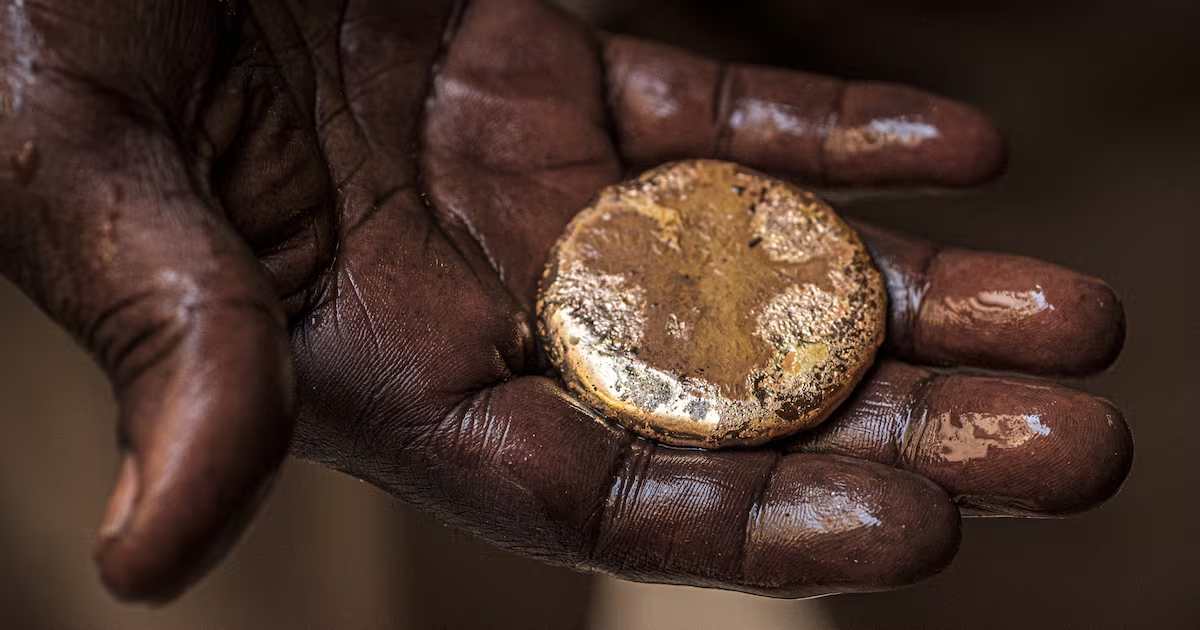
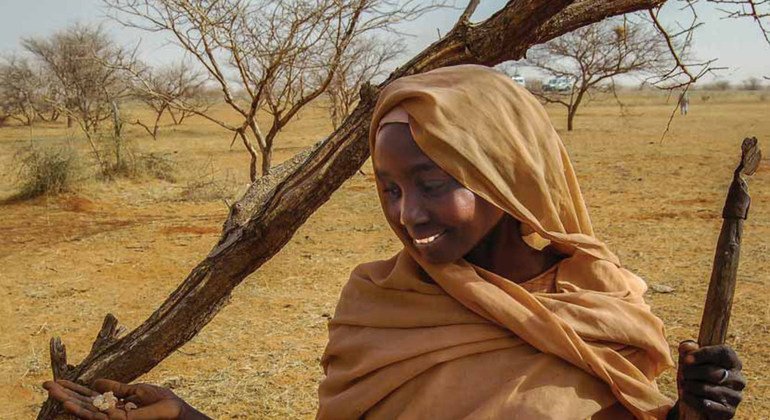
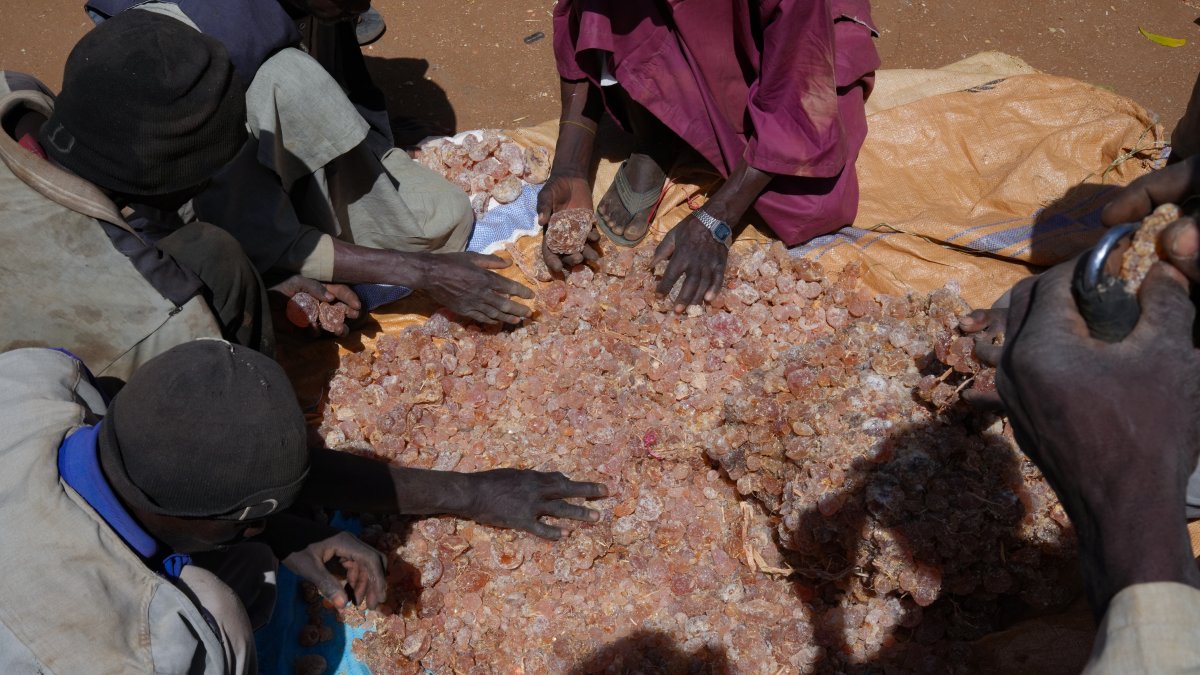
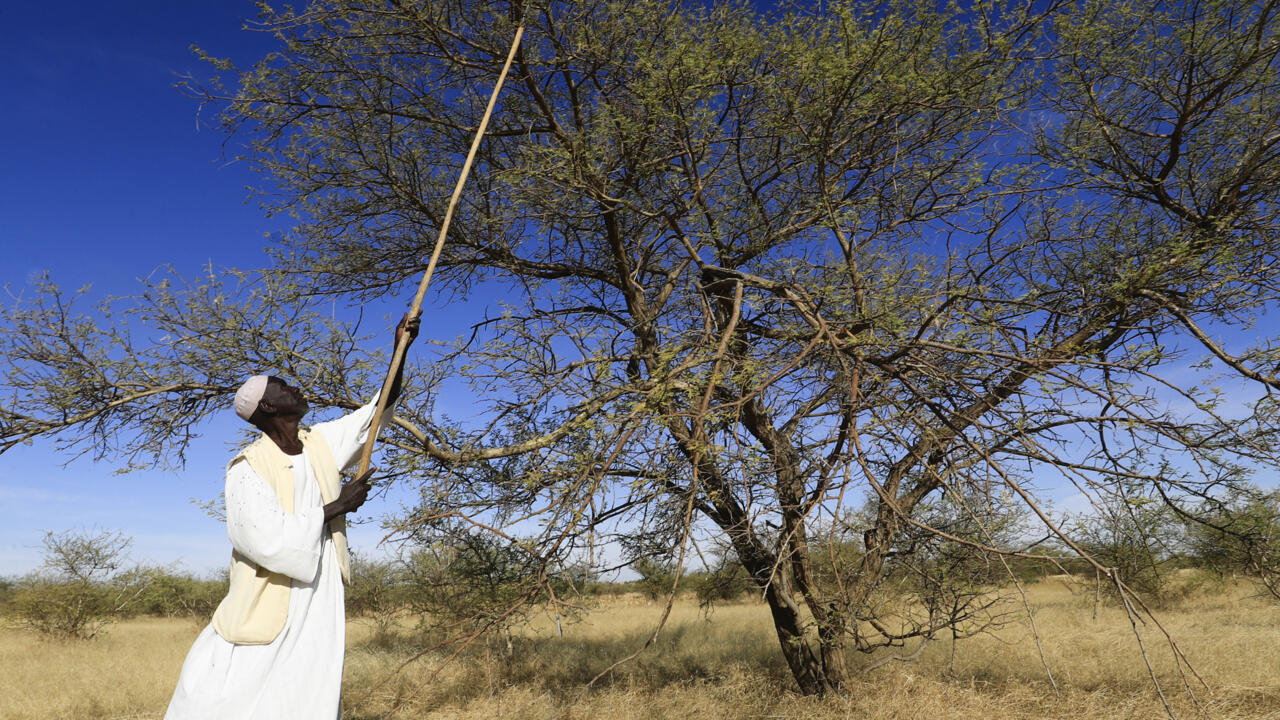
Gold has long been one of Sudan's most valuable exports, accounting for a significant share of the country's foreign exchange earnings. Gum arabic, a natural resin harvested from acacia trees, is another strategic resource. Sudan produces around 70 percent of the world's supply, and the product is used globally in soft drinks, pharmaceuticals, cosmetics and confectionery.
According to the UN, both commodities are now being looted and smuggled through informal trade networks, generating revenue for armed groups outside government control. Instead of contributing to economic development, these resources are financing weapons purchases, military recruitment and continued violence.
The situation mirrors what economists have described as the "resource curse". Countries rich in natural resources often experience prolonged instability when valuable commodities become more profitable during conflict than in times of peace. Similar patterns have been seen with conflict diamonds in Sierra Leone, coltan mining in the Democratic Republic of the Congo and oil in parts of Libya.