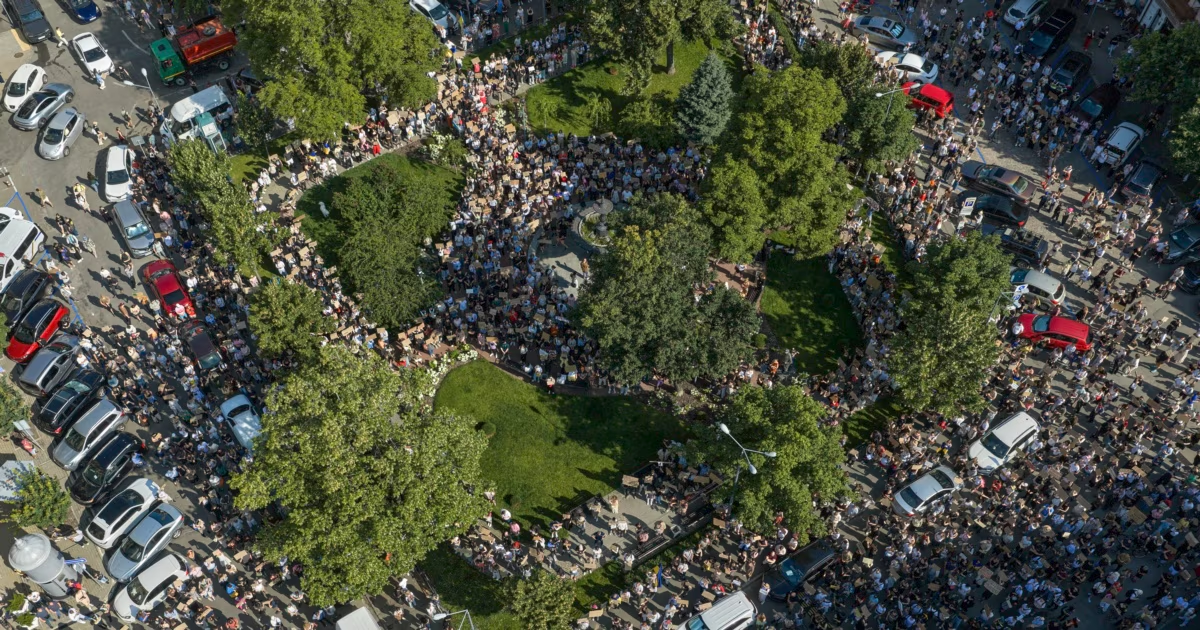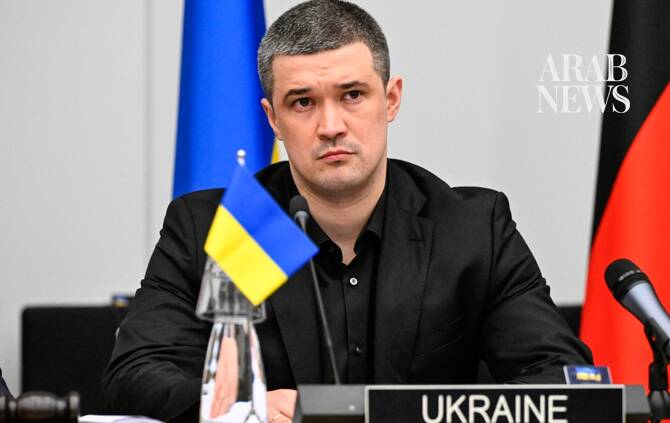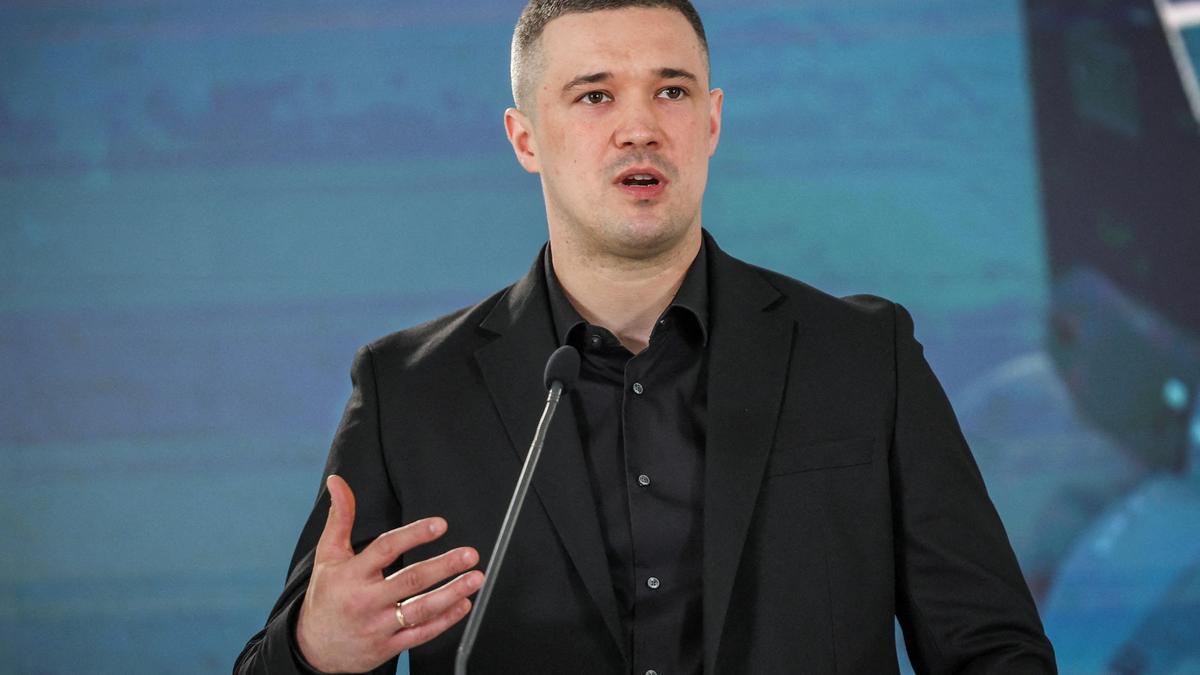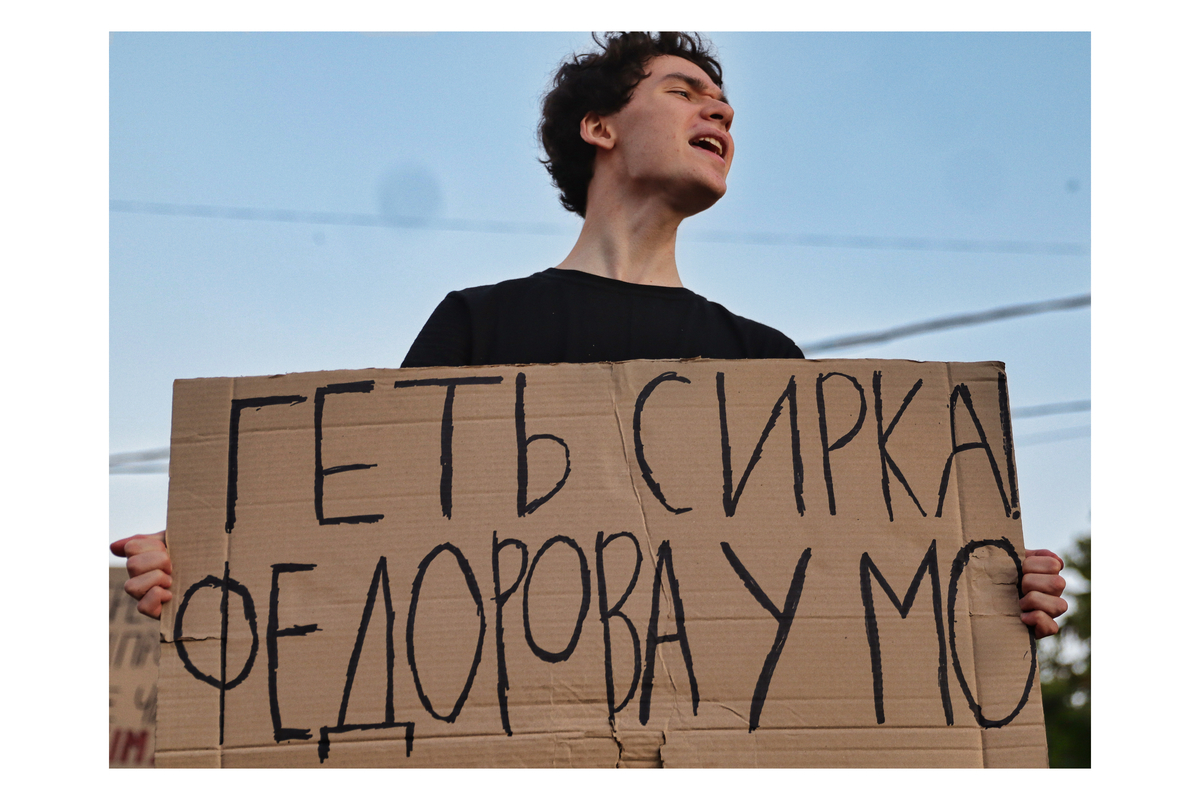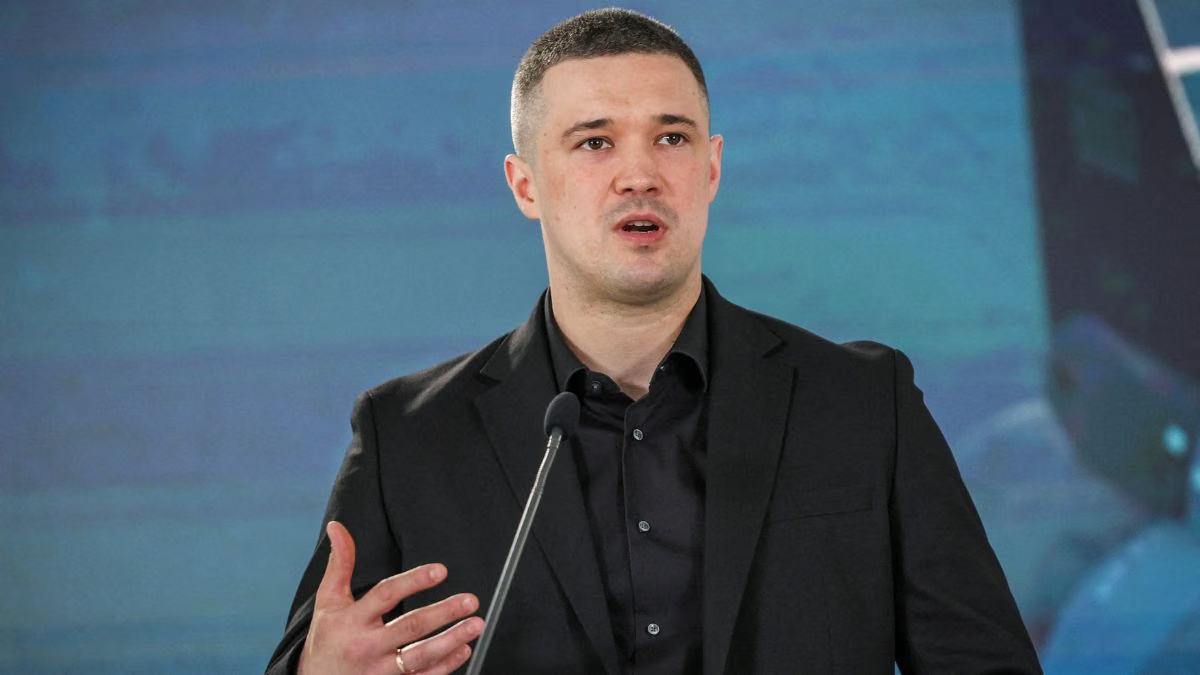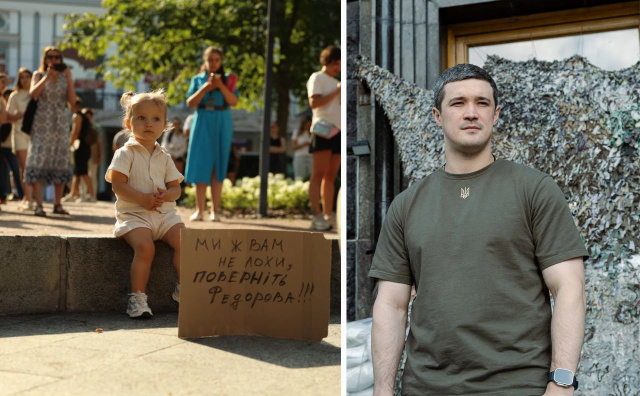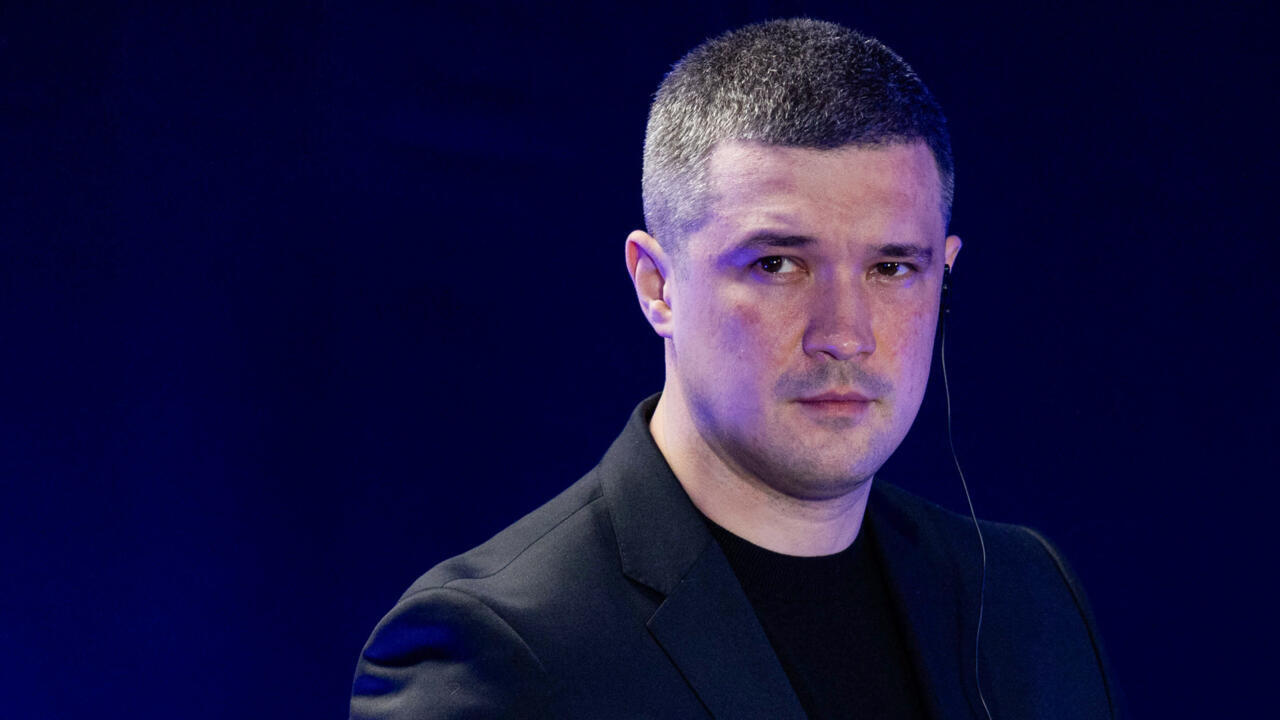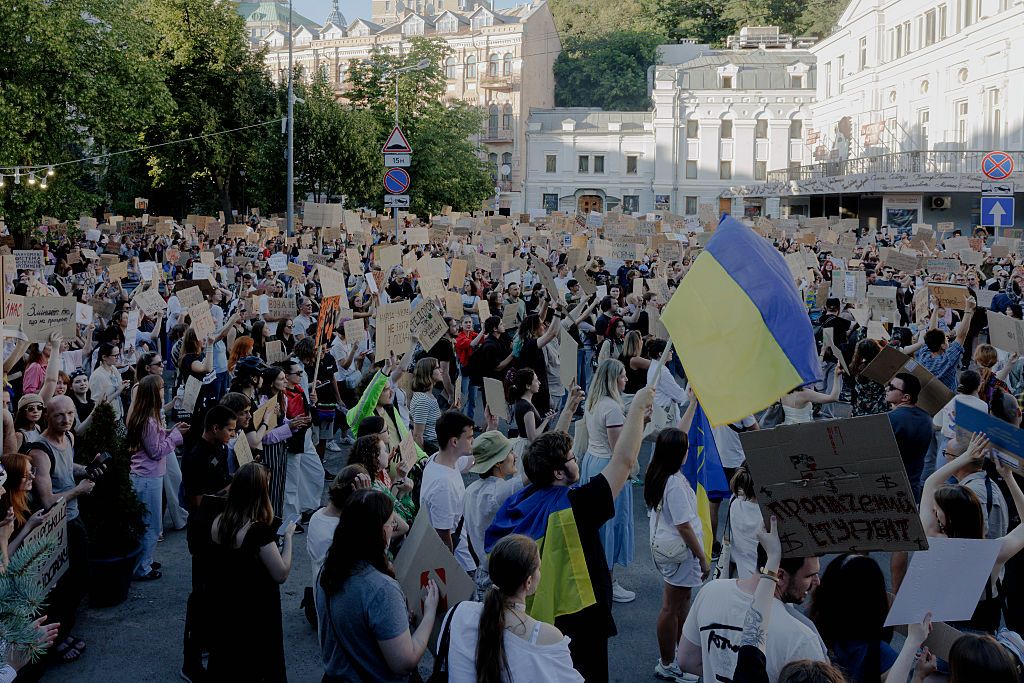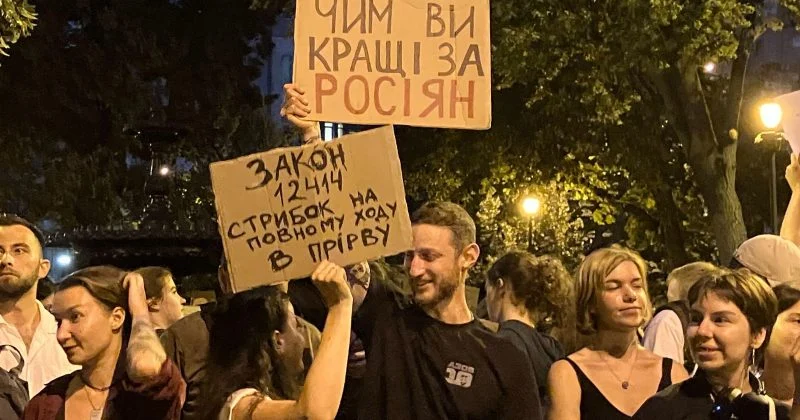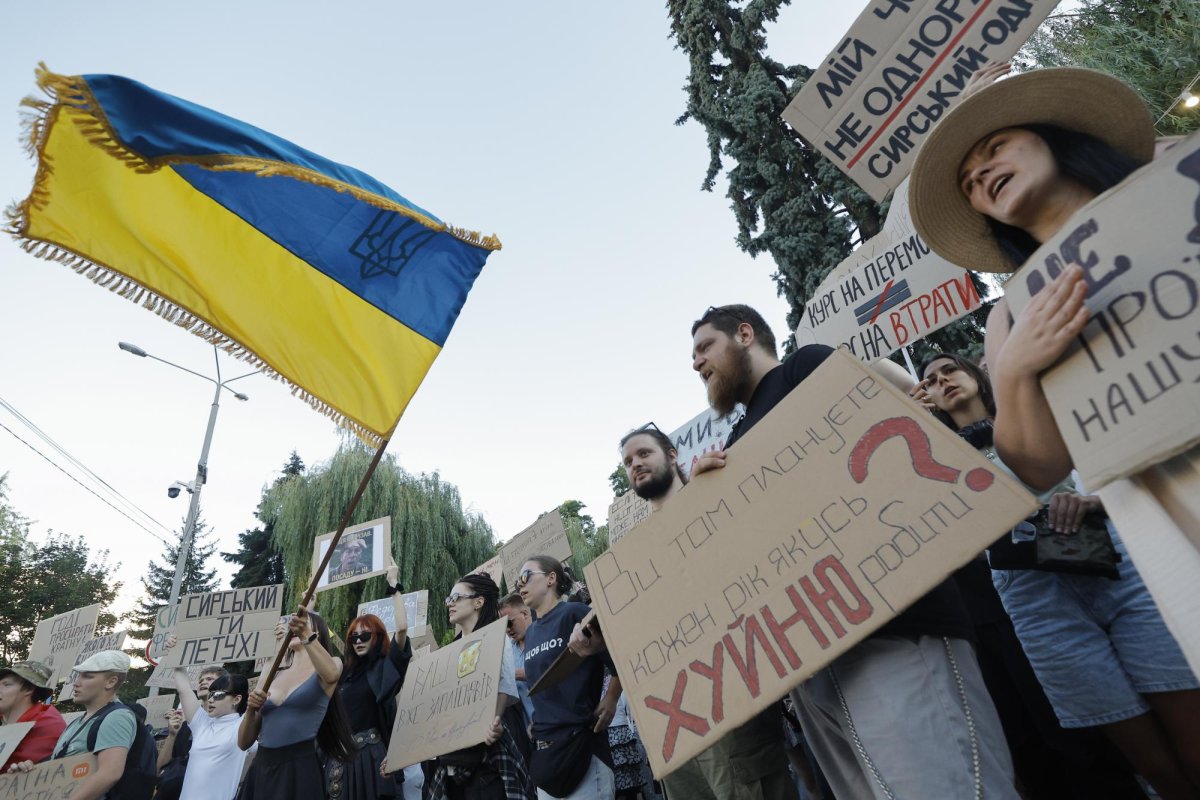
Demonstrators protest the dismissal of Ukrainian Defense Minister Mykhailo Fedorov in Kyiv, Ukraine, on Saturday. Protesters in Kyiv and other Ukrainian cities called for Fedorov's reinstatement as defense minister and the dismissal of Armed Forces Commander-in-Chief Oleksandr Syrskyi. Photo by Sergey Dolzhenko/EPA
Ukraine is experiencing its largest domestic protests since Russia's full-scale invasion in February 2022. The spark to the unrest was the summary dismissal on July 15, 2026, of the country's youthful defense minister, Mykhailo Fedorov, appointed just six months ago.
Fedorov, seen as charismatic and tech savvy, was already viewed by some as a leading light for change, with a reformist message that chimed with many Ukrainians. So his ouster -- the consequence of a clash with Oleksandr Syrskyi, the head of the country's armed forces and part of the older guard -- tapped into a generational clash over how best to defeat Russia.
Frustrations, though, have been building in Ukraine for some time, including over contentious recruiting methods and corruption allegations. Indeed, the latter was the primary reason for demonstrations in Ukraine in the summer of 2025.
Wars are by nature national emergencies, during which politics as normal is often suspended. Before the war and especially after 2014, Ukraine had a lively democracy and public sphere. After the 2022 invasion, Ukraine introduced martial law, placed its television stations under central government control and suspended elections.