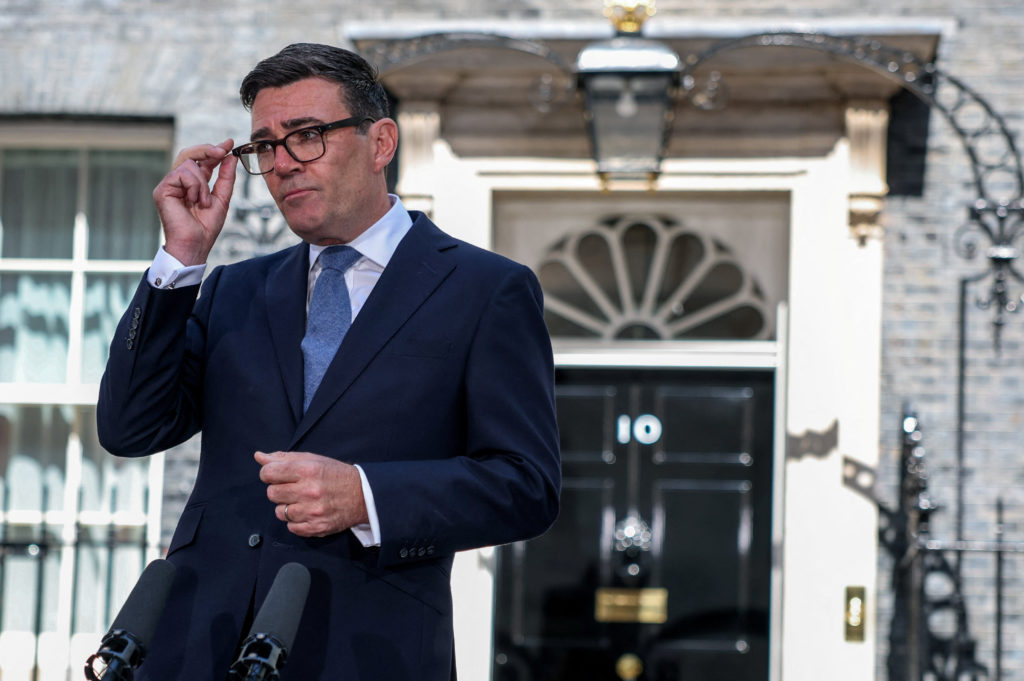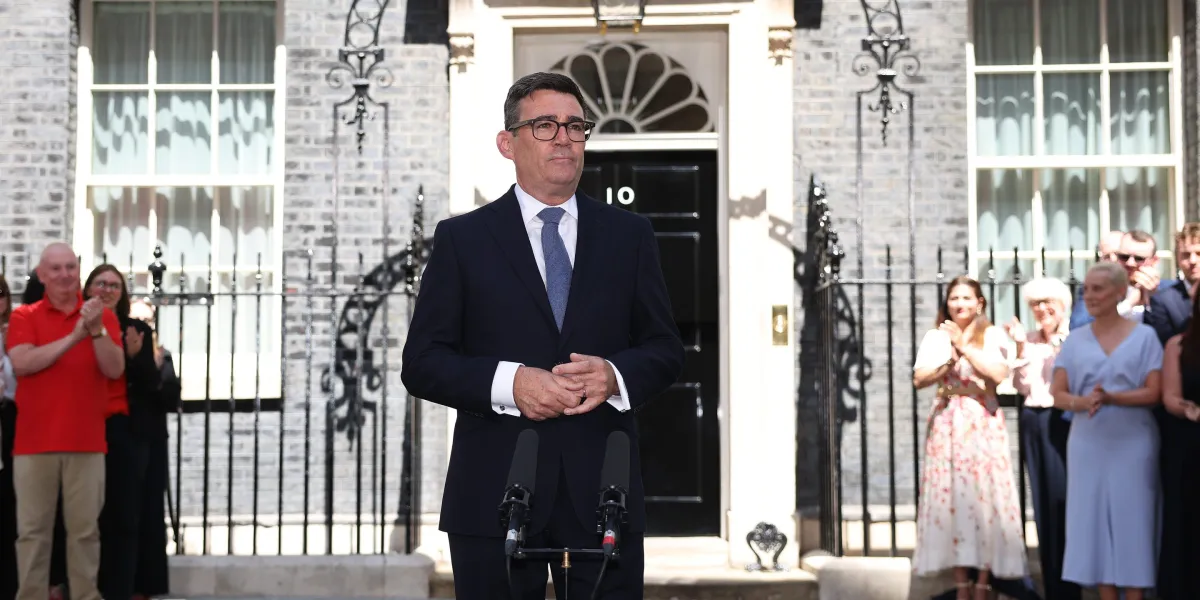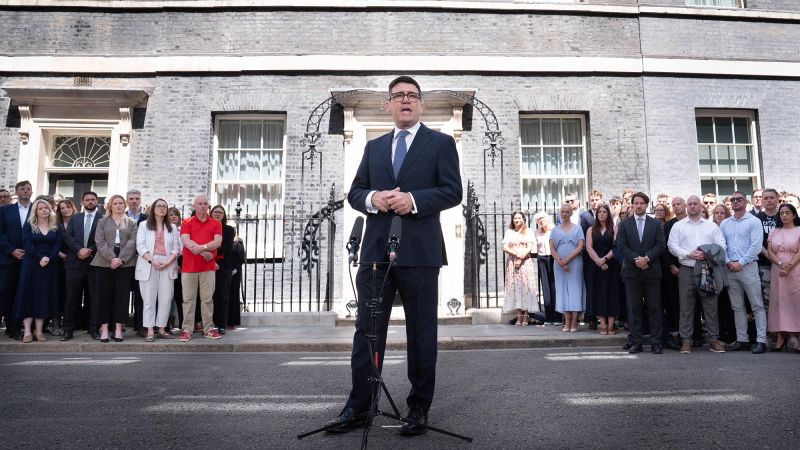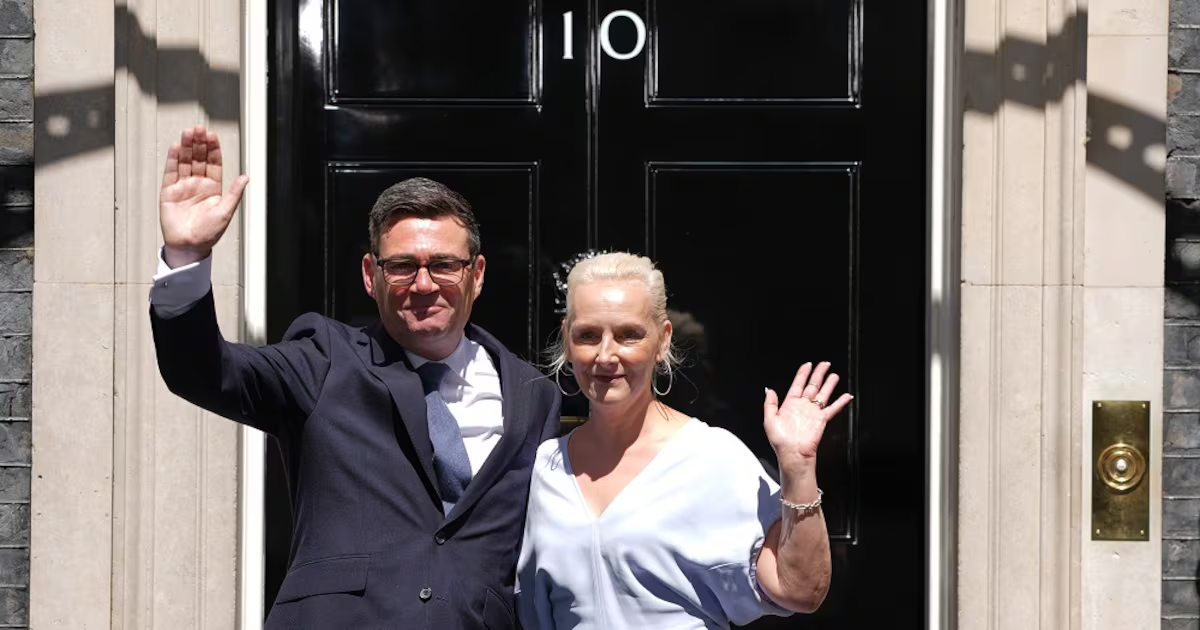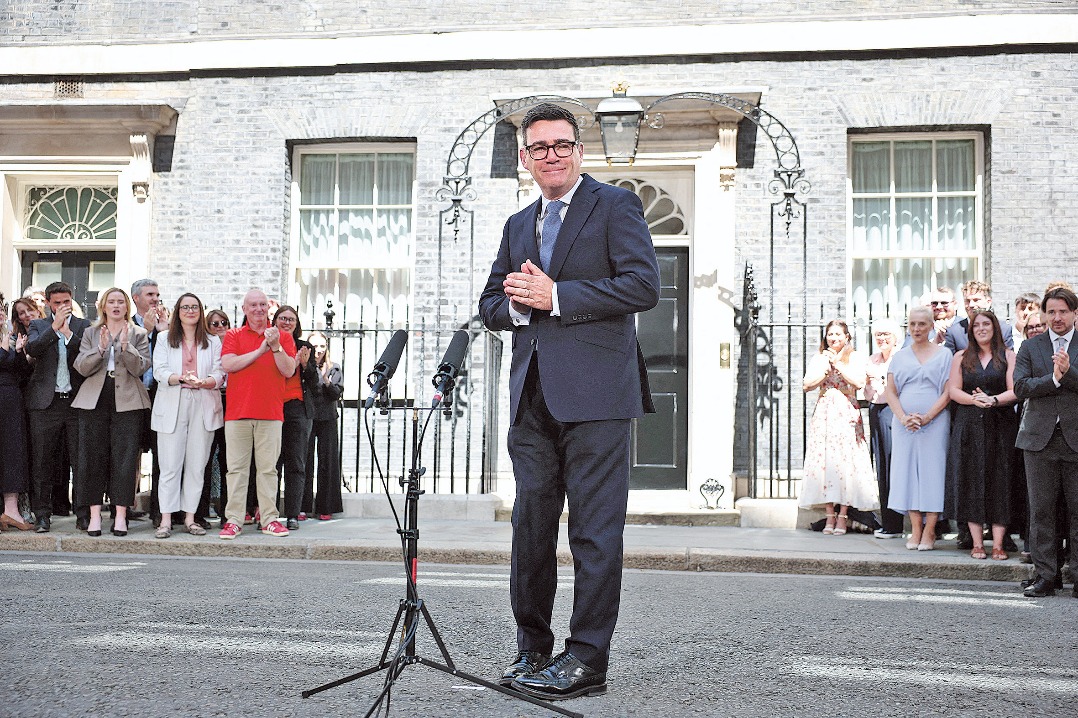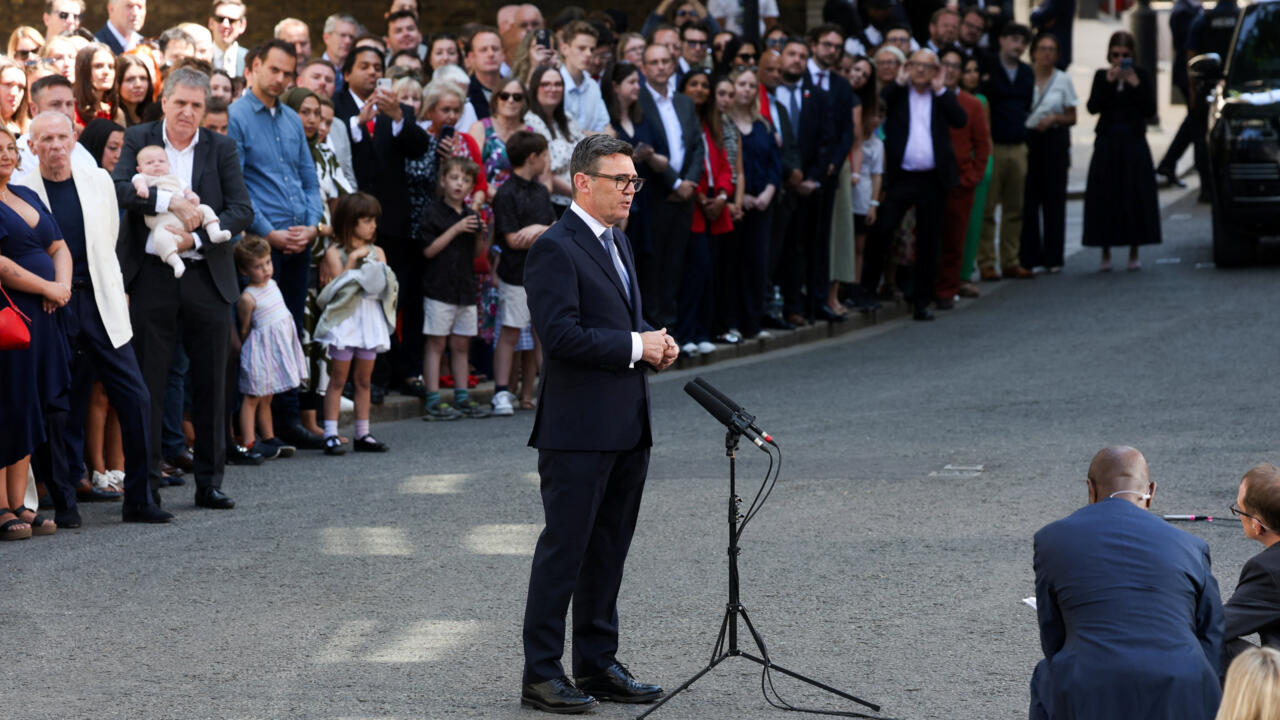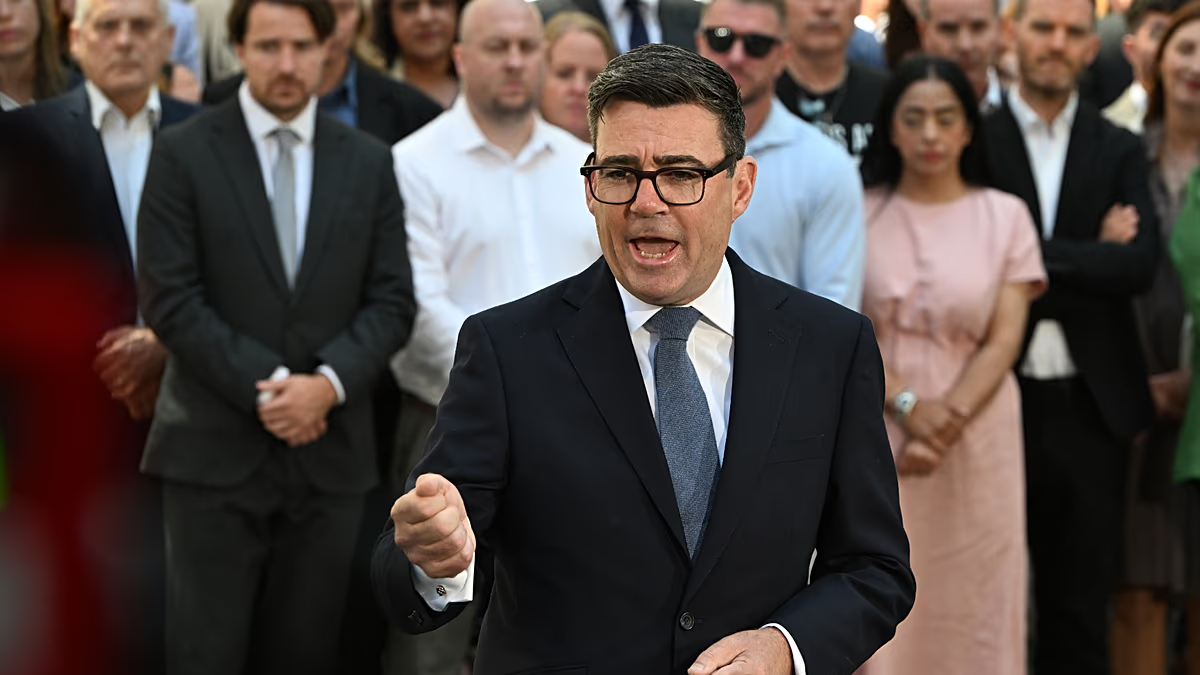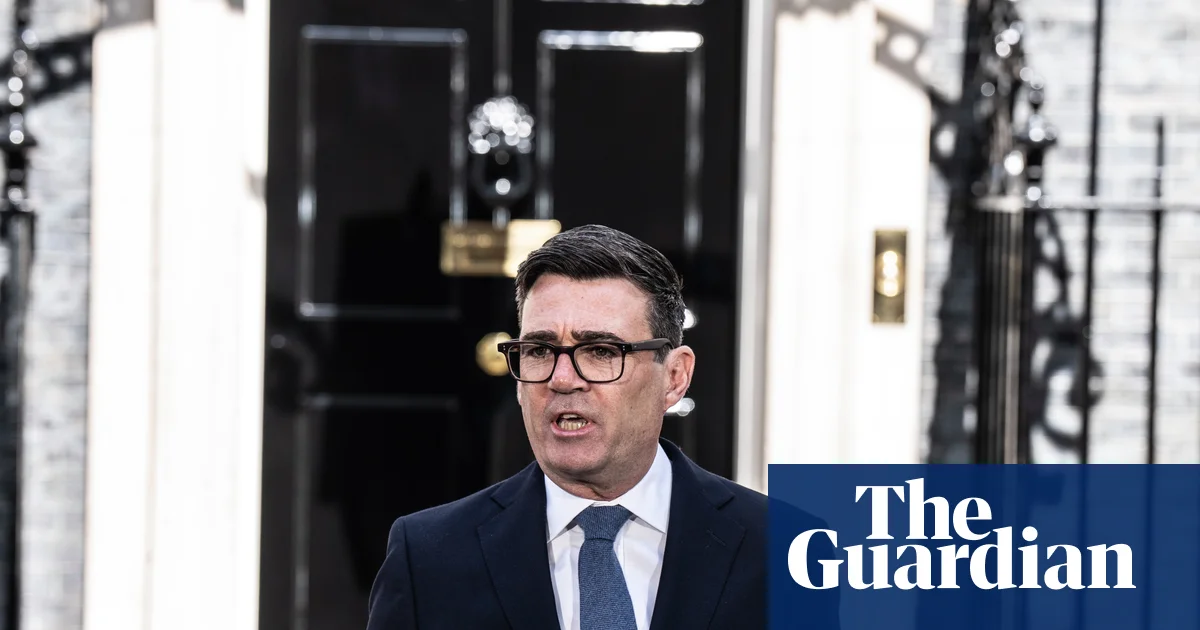
It clocked in at just over five minutes, and contained several themes and phrases familiar to Andy Burnham watchers. And yet there was quite a lot to the new prime minister’s first speech in Downing Street. Here are some highlights.1. ‘I am acutely conscious that I am the sixth person in the last 10 years to walk up this street’He began by voicing what many voters will have been thinking: what, this, again? However inured they might be to No 10 Downing Street’s revolving door under the Conservatives, Burnham faces an initial challenge of convincing people there was a good reason to depose Keir Starmer just two years after a big election win.This was framed largely as a mass political mea culpa. UK politicians must “raise our game and rise to the new challenge” and finally bring stability, Burnham said, inclusively referring to the failures of “my generation” of leaders.He went on: “I know people at home are fed up with politics. I hear you, and I want to be honest with you: we have not been good enough, and we need to be better.” Such words might seem obvious, but an acceptance of fault can be a powerful tool, as with Starmer’s cathartic acceptance of Labour’s failings when he took over as party leader.2. ‘We will make this moment a circuit breaker for Britain, bringing forward the biggest changes in the last 40 years’Aside from the linguistic quirk of reintroducing to politics a phrase last widely heard under Covid lockdowns, this is perhaps the obvious follow-on to the concession of failure. Things are now different, is the message. We will be better.Equally obvious is the fact that delivering national change, not least the supposedly biggest change since the mid-1980s, is easier to say than do. Change takes time, and voters are increasingly impatient. Labour MPs already know this is their final throw of the dice to ward off a possible Nigel Farage government. Over to you, Andy.3. ‘In the 1980s, Britain took some wrong turns … We will change politics to make it more collaborative, more about problem solving than point scoring’If some parts of Burnham’s speech felt familiar, that’s because he said parts of it before, almost word for word, most recently in his speech on Friday to the Labour faithful as he became the party leader.This is not a fault. Burnham has some key, if broad, policy mantras – trying to reverse the worst impacts of Thatcher-era deindustrialisation; less factionalism; devolving power – and Monday’s speech will reach as wide an audience as he will get.The broader lesson of such repetition is that, unlike a common criticism of Keir Starmer, Burnham has a credo, a relatively coherent if occasionally woolly set of core beliefs, knocked into shape during his time as Greater Manchester mayor. Allies believe this could be crucial when, as they inevitably will, difficulties arrive.4. ‘Later this year, I will bring forward a new plan for Britain, a 10-year plan’Talk of multi-year plans can prompt a shudder from MPs, not to mention voters, who have seen so many come and go in recent years, along with their prime ministerial sponsors.This is, nonetheless, of vast importance to Burnham, who enters No 10 as perhaps more of a political blank slate than any PM in recent history. There was no contest or scrutiny beyond the Makerfield byelection. He has not been in parliament for nearly a decade, or in government for 16 years. A lot of people, including institutional investors, are looking on with eagerness, and in some cases trepidation.Burnham offered a parallel hint he hopes to offer some more long-term thinking than recent predecessors, saying: “We will help people to live well, building a more preventative state.”As a former health secretary, Burnham is very knowledgable about preventive healthcare, both how important it can be, and also that its effects are only really enjoyed by future governments. At least for now, it sounds as if he hopes to look to this longer horizon.5. ‘I will soon go through that door behind me and issue my first instruction – to end rough sleeping in our country’This a direct echo of a promise Burnham made on becoming Greater Manchester mayor, saying he would end rough sleeping within his jurisdiction by 2020. This did not happen – numbers fell, albeit also with the impact of Covid-period measures, but then crept up again.There is an extent, however, to which Burnham was then at the mercy of national policies, for example people being removed from asylum accommodation, and frozen housing allowances. He now has access to a notably larger suite of policy levers. It is still very obviously a complex issue with a range of factors. But it is a bold, eye-catching pledge.6. ‘I will put the care of people at the heart of everything I do … Let us make this the moment when Britain starts to believe again, the moment we bring back hope’The perorations of Burnham speeches are traditionally the moment when you can imagine Green party leader Zack Polanski slamming down his phone in frustrated recognition – under Keir Starmer, slightly wafty calls for hope were mainly his trademark.Burnham has always – or at least since his Manchester reinvention – been more that type of politician, but the open embrace of hope is at least in part a recognition within Labour, including belatedly by Keir Starmer, that the initial message after the 2024 election was a bit gloomy.With much talk of fiscal black holes and tough choices, “Things can only get worse (until, maybe, if we’re lucky, they get slightly better)” had some use in the immediately post-Conservative world, shifting blame and buying some time.Two years on from 2024, Burnham no longer has that luxury.
Six highlights from Andy Burnham’s first Downing Street speech
From ‘circuit breaker for Britain’ to 10-year plan, new prime minister sets out his stall
957 words~4 min read