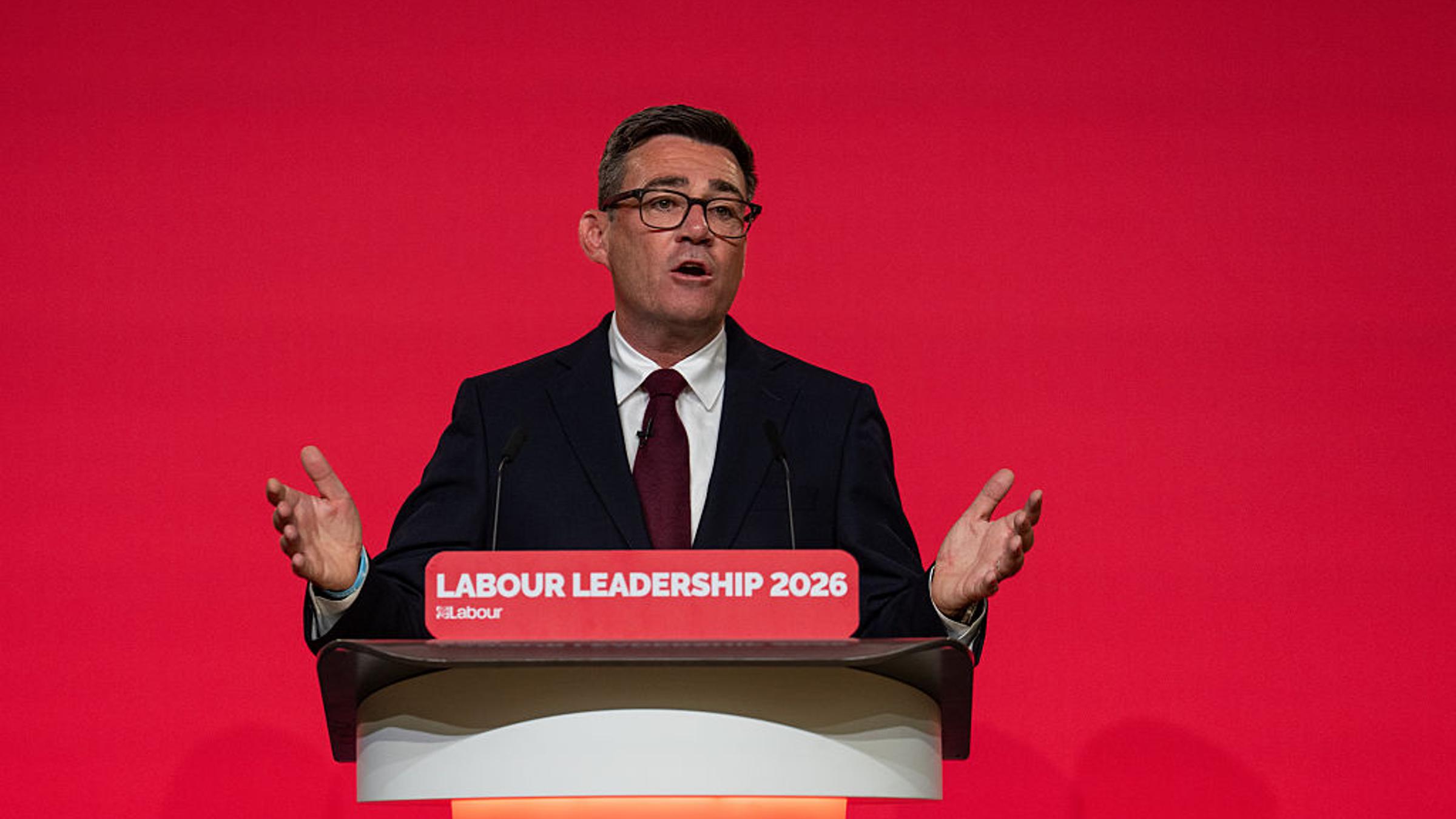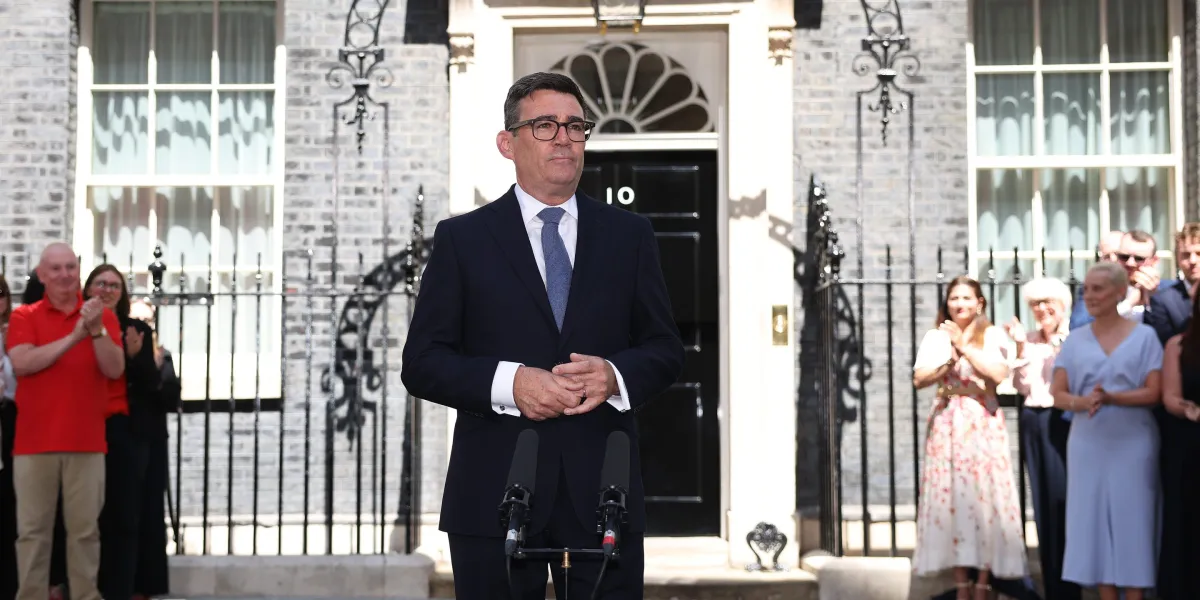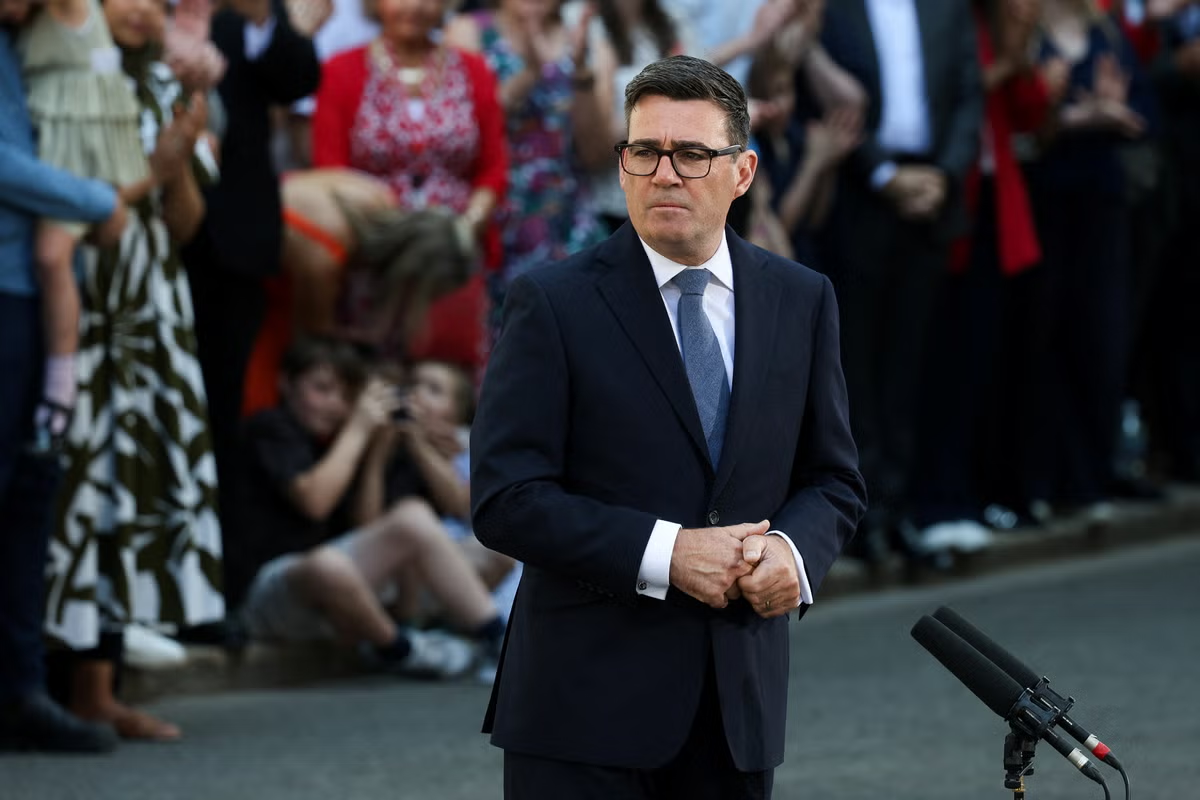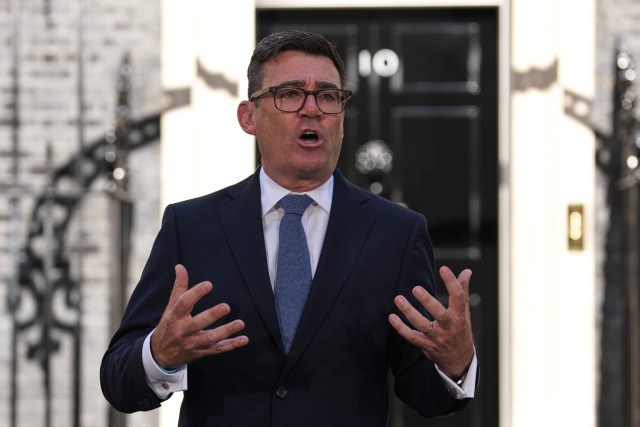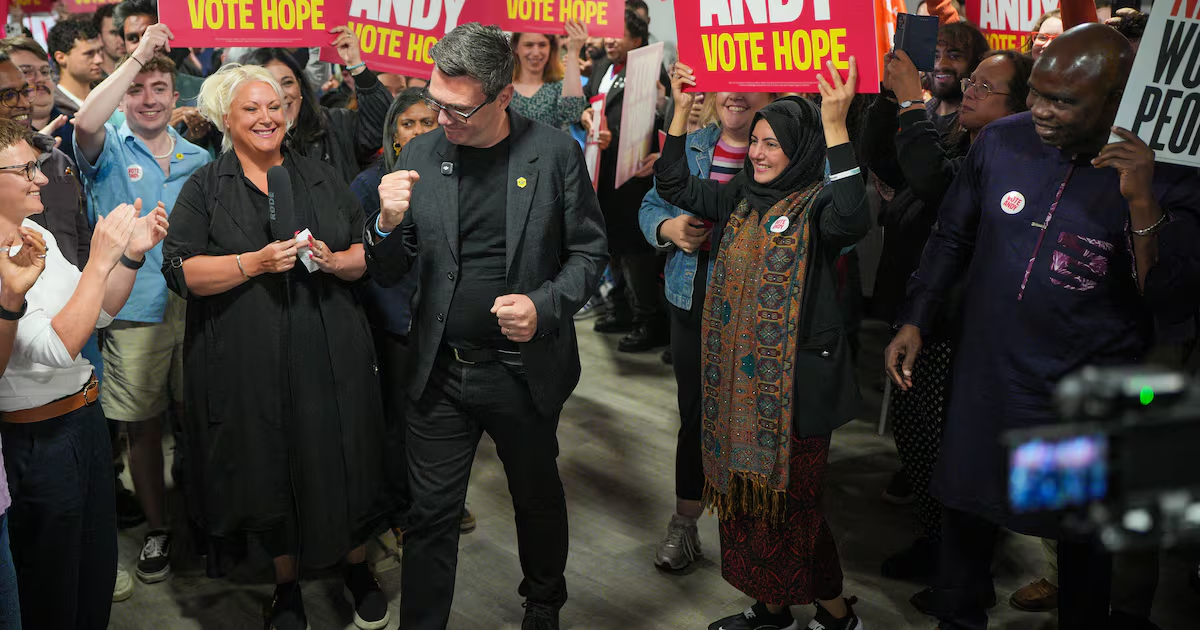
Andy Burnham is not lacking in advice as he takes over as UK prime minister. Tax, technology and team building have all featured heavily in the commentary around his “last-chance” reboot of the Labour government. It is a last chance because for a decade there has been a churn of leaders but little to no leadership. At least in terms of cut through and impact from decisions at the very top, the UK has been a desert for government.One report that did not pretend to advise the new leadership stood out for me last month in terms of what needs to be done. The research by British Future in association with the British Muslim Trust attempted to encapsulate how beleaguered the Muslim population of the country is on a day-to-day basis. This is a vital area of social unity. A recent survey showed that almost three quarters of the UK-based Muslim population felt the country was a good place to practise their religion.It also found that more than half – 56 per cent – said they had experienced prejudice in their daily lives in the past year alone. Incidents against the community are growing. As Chairman Mao Zedong once observed, violence can take on the properties of a prairie fire.It is startling that firebombing, gratuitous graffiti and other acts of vandalism are so widespread across the country. In fact, between July and October of last year, in 23 areas of the UK there were a total of 27 attacks against 25 mosques.Play02:02Andy Burnham's dilemma - good governance, or winning the next general election?This is now Mr Burnham’s problem to fix, and he will not lack for advice on how to build cohesion and ameliorate the antagonism felt by the community. The survey found that a quarter of all Muslims report public prejudice against them openly displayed. A fifth have experienced this either at work or in a place such as a hospital or at school. For scale, the figure rises to one-third when respondents were asked about social media.The new leader will have some experience of these pressures as mayor of Greater Manchester, and the Labour party has addressed many of the issues in its most recent cohesion strategy, where it committed to set up an office to tackle anti-Muslim hostility and sought to address head-on issues around community friction being used as a vehicle to create violence.Mr Burnham’s prime claim on the No 10 job is that he can redefine the narrative of government, and it is perhaps here that he will have most impact.The 56-year-old is a unifier by nature. In the speech he gave after accepting the leadership of Labour last week, he called for the country to move beyond the divisions of recent years.The antagonisms that I have set out above were a prime part of that divided landscape, as were the experiences of other communities targeted in terror attacks and plagued by social tensions.Labour supporters during a by-election in Manchester, England. GettyInfoQuoteThe new leader will have some experience of these pressures as mayor of Greater Manchester, and the Labour party has addressed many of the issues in its most recent cohesion strategyMr Burnham has already defined his own challenge to the status quo by offering to change the way politics is done. “By seeking more consensus, we may just find the change we make is more lasting,” he said in his acceptance speech on Friday. “We may find our political discourse in this country becomes that little bit less toxic. And we should be working to achieve that, too. And the turbulence of the last decade may not quite feel so inevitable as it does today.”There is broad support for a more unified atmosphere in the country at large. The survey revealed that 61 per cent support government action against anti-Muslim prejudice including a strongly supportive 20 per cent who want a robust campaign by the government.There is also a hard core of hostility that needs to be isolated. Some 16 per cent rejected the proposition that “it is possible for Muslims and non-Muslims to live well together in towns and cities around the UK”, while 15 per cent state outright that “Muslims living in the UK should be deported to other countries”.Alongside government efforts to build a more unified country, the new spirit of unity faces a foreign policy test. The rise of the Gaza independents and the Greens in the 2024 election was confirmed by the local election results in May.The established line taken by former prime minister Keir Starmer on the Gaza conflict and Israel’s West Bank abuses antagonised a substantial component of the Labour party coalition. Towards the end, even Mr Starmer’s foreign secretary, Yvette Cooper, sounded frustrated with the limits on the policy that she had to carry out.Now, as leader, Mr Burnham is likely to move fast to fix those elements that he can, such as the foreign policy orientation. With new faces, a fresh start can gain some traction quite quickly with the public.The longer-run task of ensuring Britain really is a country for all applies most particularly to the communities suffering most hostility. The statistics are clear. The new UK government can’t pretend the issue exists on the sidelines.
Can Andy Burnham keep his promise to make Britain's political scene more united? | The National
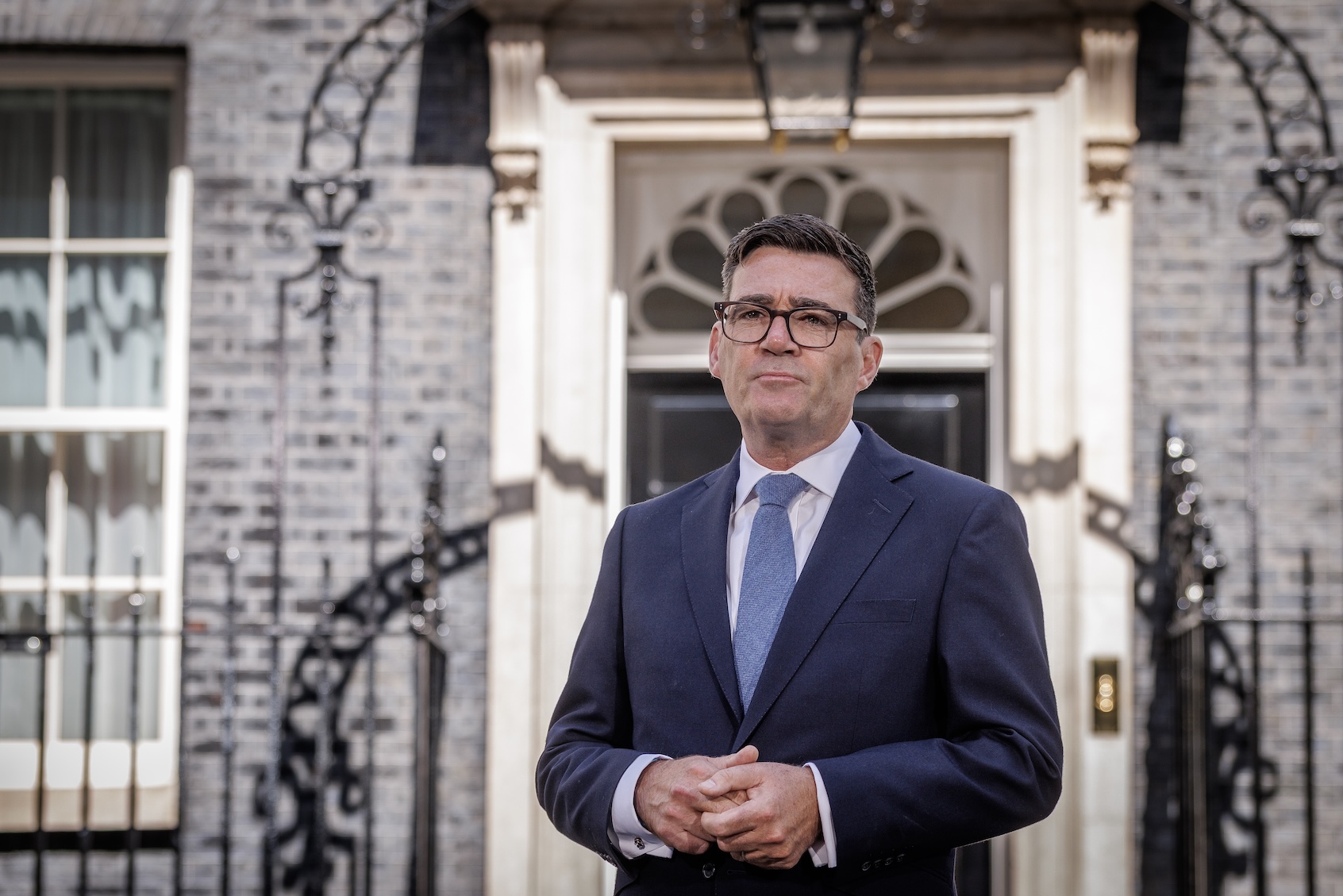
The longer-run task of ensuring the UK really is a country for all applies most particularly to the communities suffering most hostility
872 words~4 min read