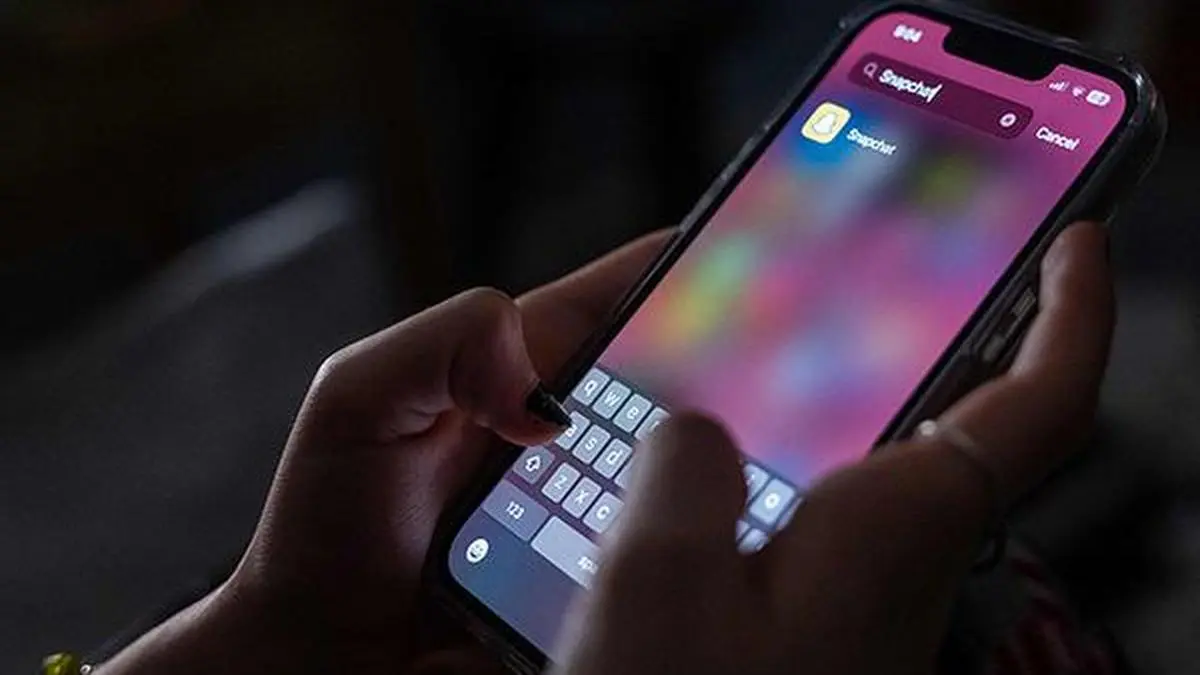
A mobile number has evolved into one of South Africa’s most trusted digital identity credentials. It secures access to bank accounts, online payments and messaging platforms, making it a critical target for organised crime.
Now, the government and the telecommunications industry want to overhaul the country’s SIM registration system for the first time since the Regulation of Interception of Communications and Provision of Communication-Related Information Act (RICA) introduced mandatory registration nearly two decades ago.
The proposed reforms, developed by mobile operators and the Department of Justice and Constitutional Development, introduce stronger identity verification using real-time checks against the Department of Home Affairs (DHA) database. The goal is to make SIM registration as reliable as the identity checks banks already use.
The changes extend well beyond telecoms. A more trusted mobile identity system would reduce fraud on banking and fintech platforms while giving law enforcement a stronger tool to investigate cybercrime.
“The enhanced verification measures operate through existing arrangements between the Department of Home Affairs and mobile network operators, enabling ACT members to verify customer identities against the DHA database,” Nomvuyiso Batyi, chief executive officer (CEO) of the Association of Communications and Technology (ACT), a telecoms industry body, told TechCabal on Friday.